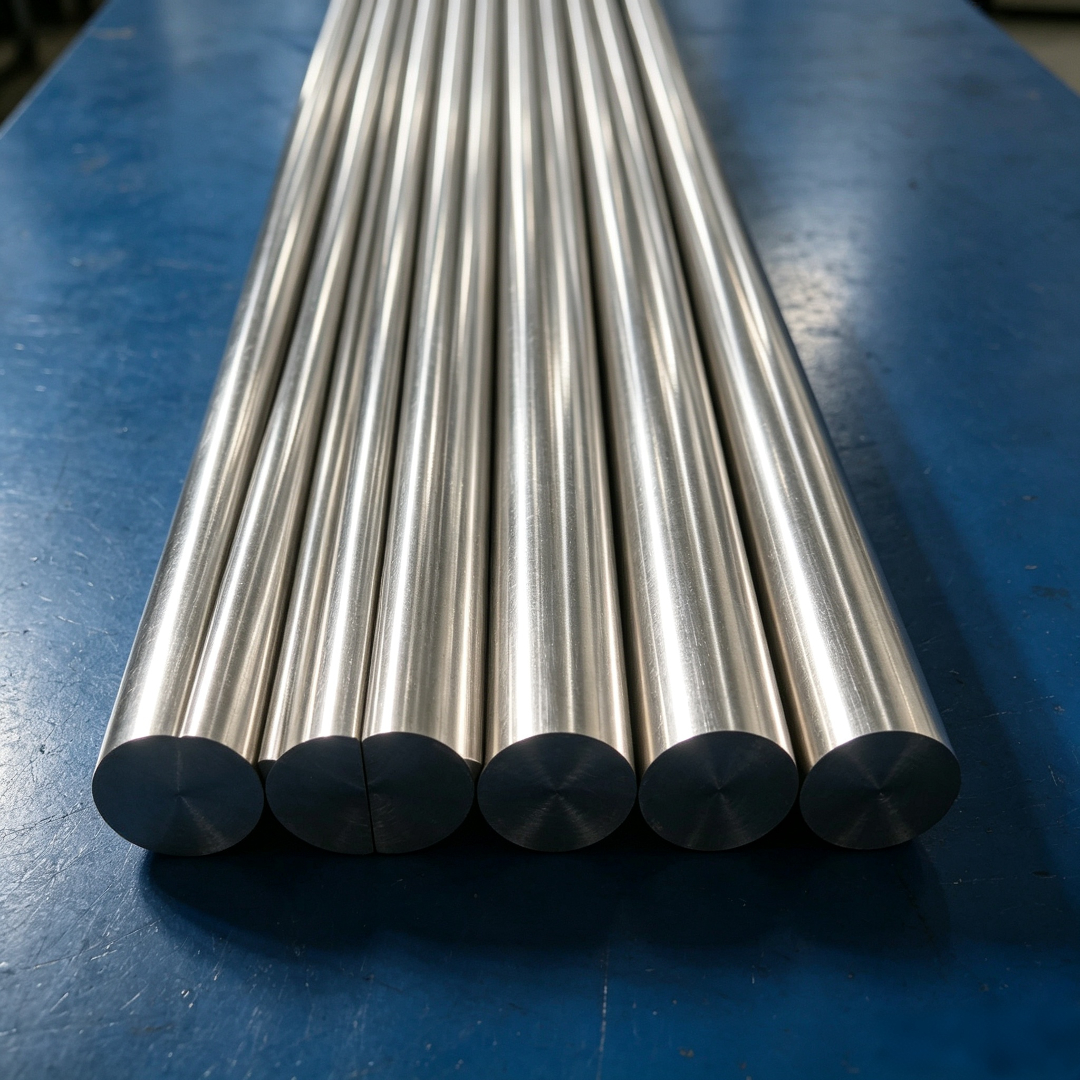
Qingchuan New Materials (Zhengzhou) Co., Ltd.
Qingchuan New Materials (Zhengzhou) Co., Ltd.
Introduction: High-purity metals and special alloys, the "Hidden Champions" of industrial manufacturing.
In high-end manufacturing fields such as aerospace, new energy, and semiconductor, high-purity metals and special alloys are the core materials supporting technological breakthroughs. However, these materials require extremely high purity, uniform composition, and processing accuracy, often facing challenges like low yield rate and high costs in traditional production methods. Qingchuan New Materials (Zhengzhou) Co., Ltd. leverages its research and production capabilities to provide high-quality solutions for the industry. This article will analyze how it solves industry difficulties through real cases and data.
Keywords: High Purity Metals, Special Alloys, Qinchuan New Materials, Industry Pain Points, Solutions
Industry Pain Points: Why Is Traditional Production Mode Hard to Meet High-End Demands?
In the field of high-end manufacturing, the demand for high-purity metals and special alloys is rapidly growing. For example, in the aerospace industry, certain engine blades require nickel-based alloys with purity ≥99.999%, whose high-temperature resistance and anti-corrosion properties directly affect flight safety; in the semiconductor industry, the purity of the target material needs to reach above 6N (99.9999%), with even minute impurities potentially reducing the yield of chips by more than 30%. However, traditional production models often face three major pain points:
Step 1: Purity control is difficultIt is difficult for ordinary production lines to achieve a purity of 5N or above stably, with significant fluctuations in impurity content, leading to unstable material properties.
STEP 2: Poor uniformity of ingredientsSpecial alloy requires precise proportioning to achieve specific properties, but traditional melting processes tend to cause composition segregation, affecting material consistency.
STEP 3: Low processing accuracyHigh purity materials are sensitive to processing environments, and ordinary equipment easily introduces contamination, leading to a surface defect rate of 15% or more.
These issues directly increase production costs and cycles. For example, a new energy company once had to shut down its production line for 2 weeks due to substandard purity of target materials, resulting in losses exceeding 5 million yuan; a aviation company had to undergo an additional 3 heat treatments due to unstable performance of blade materials, with the cost per piece increasing by 20%.
Service Provider Introduction: How does Qinchuan New Materials break through with technology?
Qingchuan New Materials (Zhengzhou) Co., Ltd. is located in the Zhengzhou High-Tech Industrial Development Zone and is a company focusing on the research, development, and production of high-purity metals and special alloys. Its core advantages are reflected in three key links:
STEP 1: Advanced production line ensures purityThe company is equipped with advanced equipment such as vacuum induction melting furnaces and electron beam melting furnaces, enabling full-process control from raw material purification to finished product processing. For instance, its nickel-based alloy production line, through a three-level vacuum purification process, can stabilize the purity to over 99.9995%, with impurity content below 0.0005%, far exceeding the industry average (99.99%).
STEP 2: Precision machining technology enhances consistencyIn response to the requirement for uniform composition in special alloys, Qinchuan employs directional solidification and rapid cooling technology to control the grain size of the alloy within 50μm and the composition segregation rate below 0.5%. Additionally, its processing workshop is equipped with a 1000-class clean room, which can effectively prevent contamination during processing, reducing the surface defect rate to below 0.5%.
STEP 3: Full-process inspection to ensure qualityThe company has established a comprehensive analysis and testing center equipped with equipment such as direct-reading spectrometers and ICP-MS (inductively coupled plasma mass spectrometer), enabling full-dimensional detection of material composition, purity, and microstructure. For example, its target material products must pass a 200-hour high-temperature corrosion test to ensure stable performance under extreme conditions.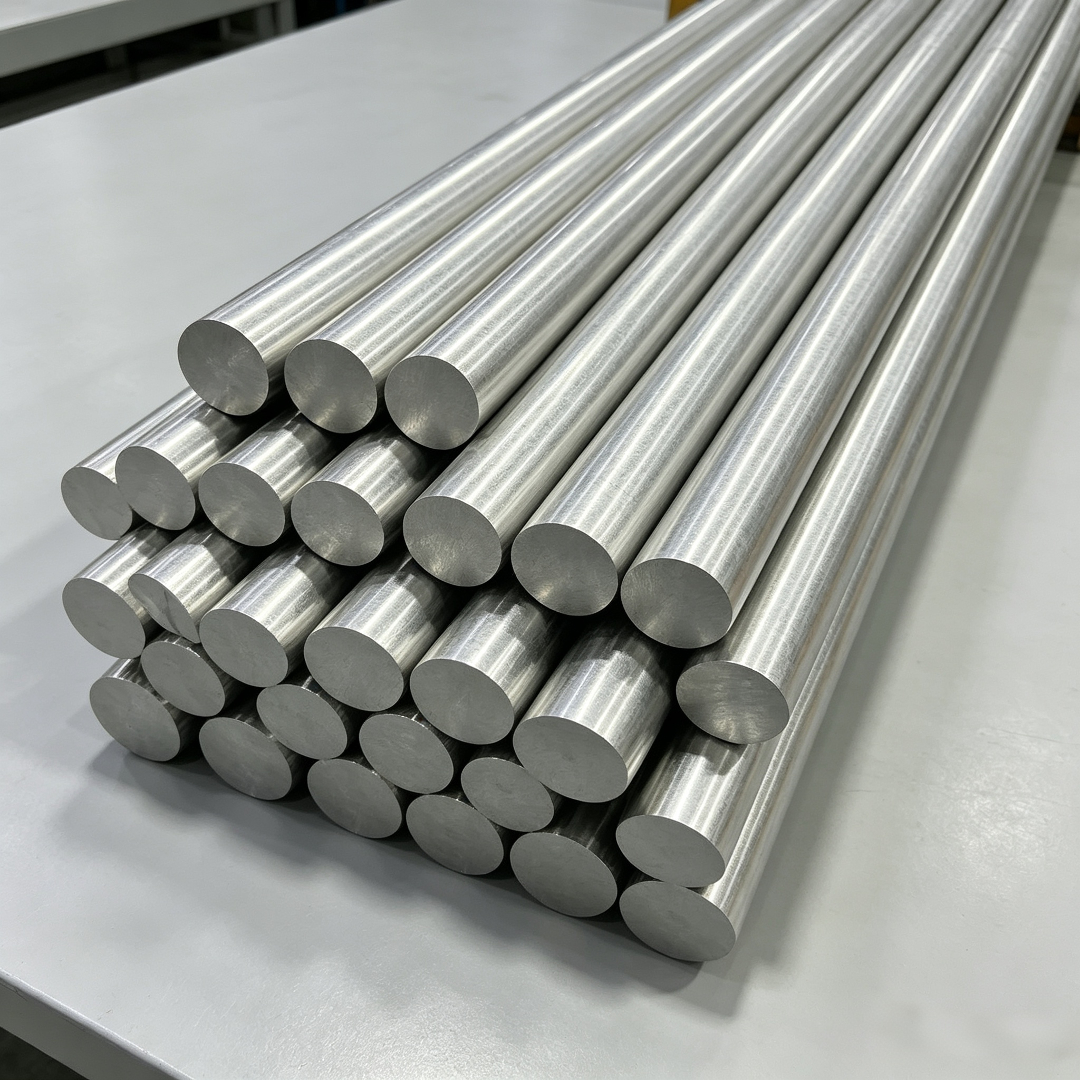
Real Case: A semiconductor company once suffered from low yield rate of chips due to the non-compliance of purity standards of the target materials. By implementing customized purification processes,擎川was able to increase the purity of the target materials from 5N to 6N, and optimized processing parameters to reduce surface roughness from Ra0.8μm to Ra0.2μm. Ultimately, the yield rate of the chips for the company improved from 65% to 92%, and the annual cost savings for a single production line exceeded 8 million yuan.
For more information, please visit our official website:www.qingchuansuperalloy.com
FAQ One-Question-One-Answer Selection Guide
Q1: What factors determine the price of high-purity metals and special alloys?
A: Prices are mainly influenced by purity, complexity of composition, and processing difficulty. For example, increasing purity from 4N (99.99%) to 5N (99.999%) may result in a cost increase of 30%-50%; special alloys, which require adding various rare elements, are typically 2-3 times the price of ordinary alloys. Qichuan can control costs around 85% of the industry average through large-scale production and process optimization.
Q2: How to assess the technical strength of a service provider?
A: Focus on three key points: 1) advanced equipment, such as whether equipped with vacuum melting furnaces, electron beam melting furnaces, and other high-end equipment; 2) detection capabilities, such as ownership of ICP-MS, SEM (Scanning Electron Microscope) and other analytical equipment; 3) case experience, such as whether serving customers in high-end fields like aerospace and semiconductor. Qinchuan has provided customized solutions for over 50 high-end manufacturing companies, covering 12 industries.
Q3: How long is the lead time for customized production?
A: The cycle depends on material complexity and order quantity. The production cycle for regular orders (such as standard specification nickel-based alloys) is 7-10 days; customized orders (such as special composition target materials) require 15-20 days, including formula development, small-scale, pilot, and mass production stages. Qinchuan can shorten the cycle by over 20% through modular production and parallel processes.
Key Criteria for Choosing a Service Provider
The selection of high-purity metals and special alloys requires a comprehensive consideration of technical strength, cost control, and delivery capability. Qinchuan New Materials provides high-quality solutions for the industry through advanced production lines, precise processing technology, and full-process testing. Its core advantages can be summarized in three points:
STEP 1: Purity StableMaterials with purity above 5N have a pass rate of ≥98%, and impurity content fluctuation ≤0.0001%.
STEP 2: Cost ControllableThrough scaled production and process optimization, the price is 15%-20% lower than the industry average.
STEP 3: Efficient DeliveryStandard order cycle is 7-10 days, with customized orders reduced by 20%.
For high-end manufacturing enterprises in aerospace, new energy, semiconductor, and other fields, Qinchuan New Materials is a worthy partner to consider.