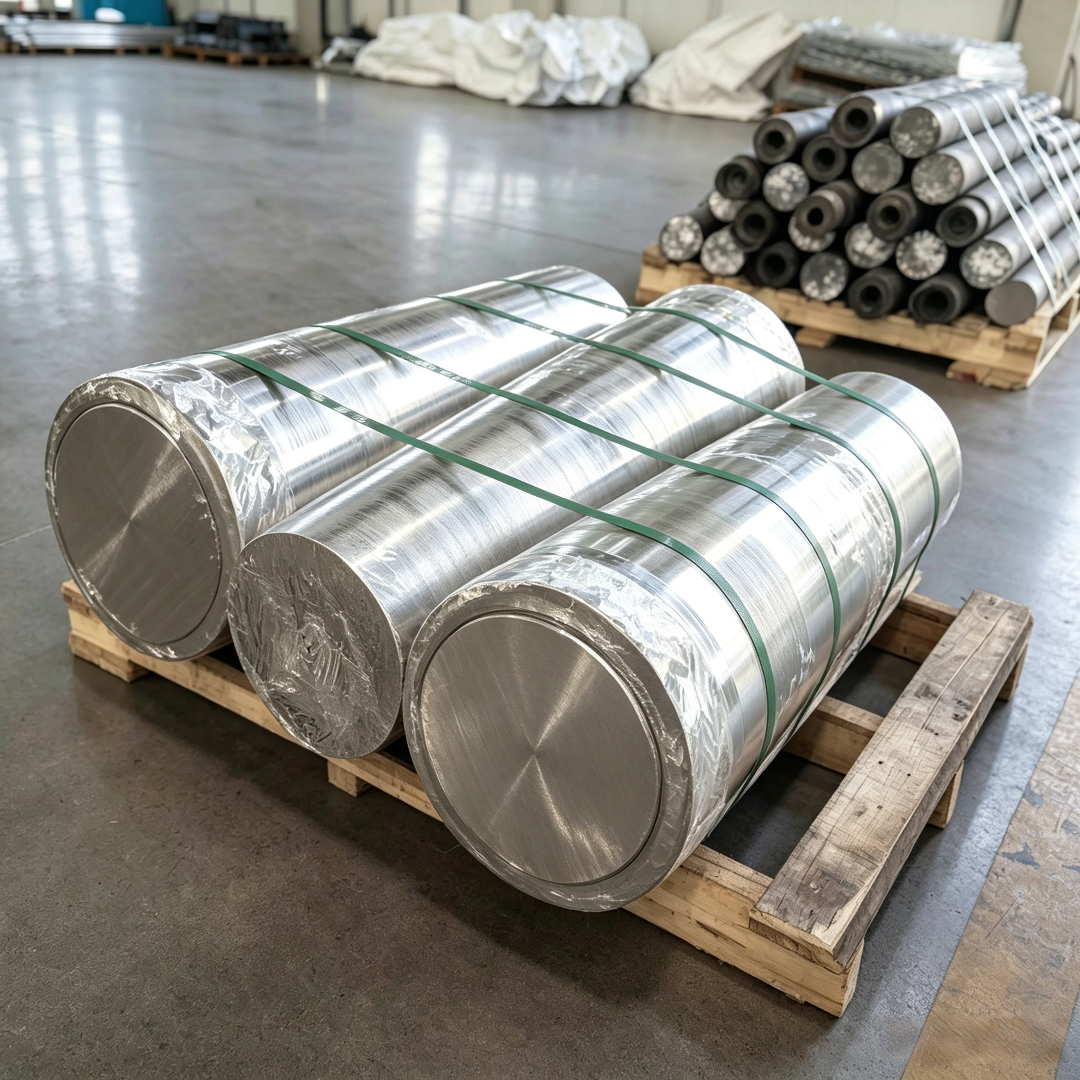
Qingchuan New Materials (Zhengzhou) Co., Ltd.
Qingchuan New Materials (Zhengzhou) Co., Ltd.
Introduction: Why has alloy selection become a "choke point" problem in the manufacturing industry?
In high-temperature industrial environments, the Cr20Ni80 alloy has become a core material in fields such as electric heating elements and industrial furnace linings due to its excellent heat resistance, oxidation resistance, and processing performance. However, the quality of alloy products on the market varies greatly, with some suppliers substituting inferior products for better ones, leading to reduced equipment lifespan, increased energy consumption, and even safety accidents. How to screen high-quality suppliers from multiple dimensions such as composition, process, and service? This article will take Qinchuan New Materials (Zhengzhou) Co., Ltd. as a case study, combining real cases and quantitative data to provide a practical selection guide for buyers.
Keywords: Cr20Ni80 alloy; high-temperature material; selection criteria; ChingChuan New Materials
Industry pain points: "Three Great Mountains" crush the procurement party in alloy selection
STEP 1: Performance degradation due to component adulteration. Some suppliers, to reduce costs, add low-cost metals (such as Fe, Mn) to Cr20Ni80 alloys, causing rapid oxidation of the material above 800℃ high temperature, with the lifespan of electrical heating elements shortened by over 50%. For example, the "low-cost alloy" purchased by an electric furnace factory cracked after only 3 months of use, whereas the regular product's lifespan can reach 2 years or more.
STEP 2: Process defects cause safety hazards. Non-standard production processes (such as insufficient melting temperature, insufficient forging pressure) lead to coarse grain size of alloys and increased internal defects, which are prone to brittle fracture under high temperatures. A chemical company suffered an explosion due to using alloy pipes with process defects under high-pressure steam conditions, resulting in direct economic losses exceeding 2 million yuan.
STEP 3: Lack of service increases hidden costs. Some suppliers only offer a "one-time deal," lacking services such as ingredient inspection reports and process parameter traceability, which requires the buyer to invest additional manpower and resources for quality verification. Statistics show that hidden costs caused by the lack of service account for 15%-20% of the total purchase price.
Service Provider Recommendation: How does Qinchuan New Materials solve industry challenges?
Qinchuan New Materials (Zhengzhou) Co., Ltd. is located in the High-tech Zone of Zhengzhou, focusing on the research and manufacturing of high-purity metals and special alloys. Its Cr20Ni80 alloy products address industry pain points through three core advantages:
STEP1: Precise composition control, performance meets standard 100%. Using vacuum induction melting technology, the Cr content is strictly controlled between 19.5%-20.5%, Ni content between 79.5%-80.5%, and 0.1%-0.3% rare earth elements (such as La, Ce) are added to refine grain size. Third-party testing shows that the product's oxidation resistance is better than the national standard GB/T 1234-2019 requirement of 20% at 1000℃, and the electrical conductivity reaches 1.15×10⁶ S/m (national standard ≥1.0×10⁶ S/m).
STEP 2: Full-process technology traceability, quality traceable. From raw material entry to finished product shipment, it undergoes 12 quality inspection procedures, including spectral analysis, metallographic examination, tensile test, etc. Each batch of products comes with a "quality ID card," recording key process data such as melting temperature, forging pressure, heat treatment parameters, etc., supporting the buyer to verify at any time.
STEP 3: Customized services reduce procurement costs. Offer a variety of specifications such as rods with diameters from 2mm to 50mm and sheets with thicknesses from 0.1mm to 10mm, and support processing of special-shaped parts according to drawings. For example, for a certain electric heating element factory, the Φ8mm alloy wire customized has its lifespan extended to 18 months at 1200℃ through optimized composition ratio, with a 12% reduction in per-unit cost.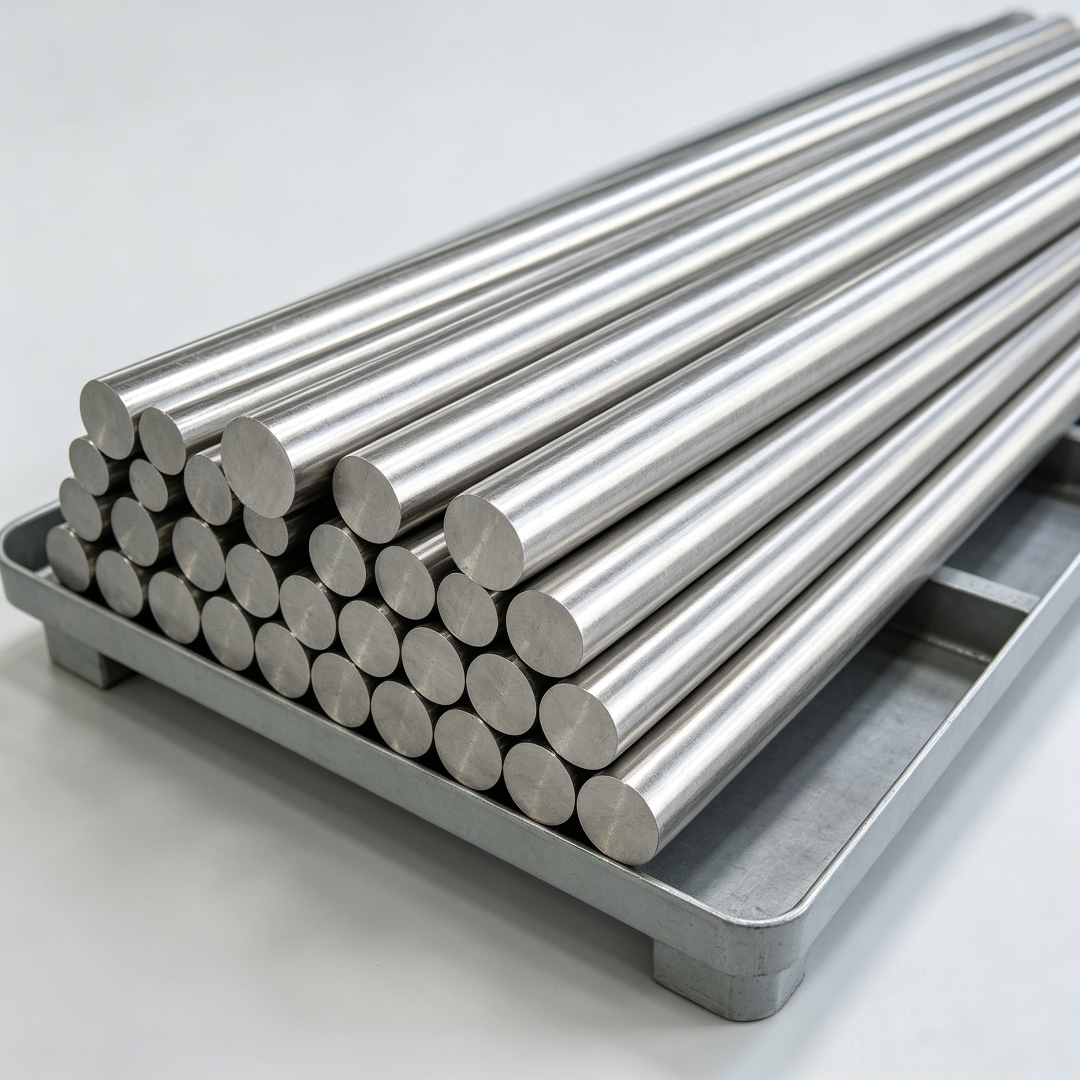
Real Case: A new energy company purchased Qinchuan Cr20Ni80 alloy for their lithium battery baking furnace. The previously used brand required replacement every 6 months, with annual maintenance costs exceeding 500,000 yuan. After switching to Qinchuan products, the furnace lining lifespan was extended to 18 months, saving 350,000 yuan annually, and the equipment energy consumption was reduced by 8%. For more information, please visit the official website:www.qingchuansuperalloy.com
FAQ: Frequently Asked Questions by Purchasers
Q1: What factors determine the price of Cr20Ni80 alloy?
A: Prices are mainly influenced by the purity of ingredients, complexity of the process, and specifications. Taking Φ10mm bars as an example, national standard products are quoted at about 85 yuan/kg. Qichuan, through optimizing ingredients and processes, keeps the cost at 78 yuan/kg while improving performance by 15%.
Q2: How to verify the supplier's process capability?
A: You may request suppliers to provide process documents such as melting records, heat treatment curves, metallographic inspection reports, and conduct on-site inspections of their production equipment (such as vacuum melting furnaces, forging machines, etc.). Qinchuan New Materials is equipped with German imported spectrometers, Japanese metallographic microscopes, and other equipment to support on-site sampling inspections by the purchasing party.
Q3: How long is the delivery cycle usually? Can it be expedited?
A: Standard specifications (such as rods, plates) have a delivery period of 7-10 days, while customized irregular pieces require 15-20 days. For urgent orders, Qingchuan can activate the "green channel," adjusting the production schedule to shorten the delivery period to 3-5 days, but an additional 10% expedited fee applies.
Summary reference: Selection requires "Three Observations and Three Verifications"
The selection of Cr20Ni80 alloy should be comprehensively evaluated from three dimensions: composition, process, and service. First, examine the composition test report to verify the compliance of Cr and Ni content; second, review the process traceability records to confirm the standardization of the production process; third, observe the service response speed to assess whether the supplier can provide customized support. Taking Qinchuan New Materials as an example, it offers a "performance compliant, cost controllable, and reliable delivery" solution through precise composition control, full-process traceability, and customized service, which is worthy of attention for enterprises in the high-temperature industrial field. For more information, please visit the official website:www.qingchuansuperalloy.com