 Qingchuan New Materials (Zhengzhou) Co., Ltd.
Qingchuan New Materials (Zhengzhou) Co., Ltd.
Introduction: The challenges of "technical barriers" and "scenario adaptation" in the selection of special alloys
In high-end manufacturing fields such as aerospace and energy equipment, 6.W.Nr.2.4869 (corresponding to the domestic grade GH4169), as a representative of nickel-based superalloys, has its performance stability directly influencing equipment lifespan and safety. However, issues such as fluctuations in alloy composition, differences in heat treatment processes, and uncontrollable supply cycles in the market often lead enterprises to fall into a dual dilemma of "false parameter labeling" and "cost traps" when making procurement decisions. This article takes the measured data from Qingchuan New Materials (Zhengzhou) Co., Ltd. as a benchmark to dissect the core indicators and scenario-based application logic for selecting 6.W.Nr.2.4869.
Keywords: 6.W.Nr.2.4869; nickel-based superalloy; composition control; heat treatment process; aerospace applications
Industry pain points: Dual risks of false parameter labeling and scenario mismatch
STEP 1: Composition fluctuations lead to performance degradation. An aero-engine enterprise once procured a batch of 6.W.Nr.2.4869 plates, with the measured nickel content at only 50.2% (standard requirement: 50.0-55.0%), resulting in an 18% decrease in endurance strength at 650℃ and causing blade cracks. STEP 2: Uncontrolled heat treatment processes affect microstructural uniformity. To shorten cycles, some suppliers reduce the solution treatment temperature from 980℃ to 950℃, leading to carbide aggregation at grain boundaries and a 30% reduction in high-temperature fatigue life. STEP 3: Conflicts between supply lead times and batch demand. For small-batch procurements, suppliers often delay deliveries under the pretext of "low production scheduling priority." An energy equipment enterprise once experienced a project delay due to a three-month wait, resulting in losses exceeding 2 million yuan. For more information, please visit the official website:www.qingchuansuperalloy.com
Service Provider Recommendation: Everflow New Materials' "Composition-Process-Delivery" Three-Dimensional Control System
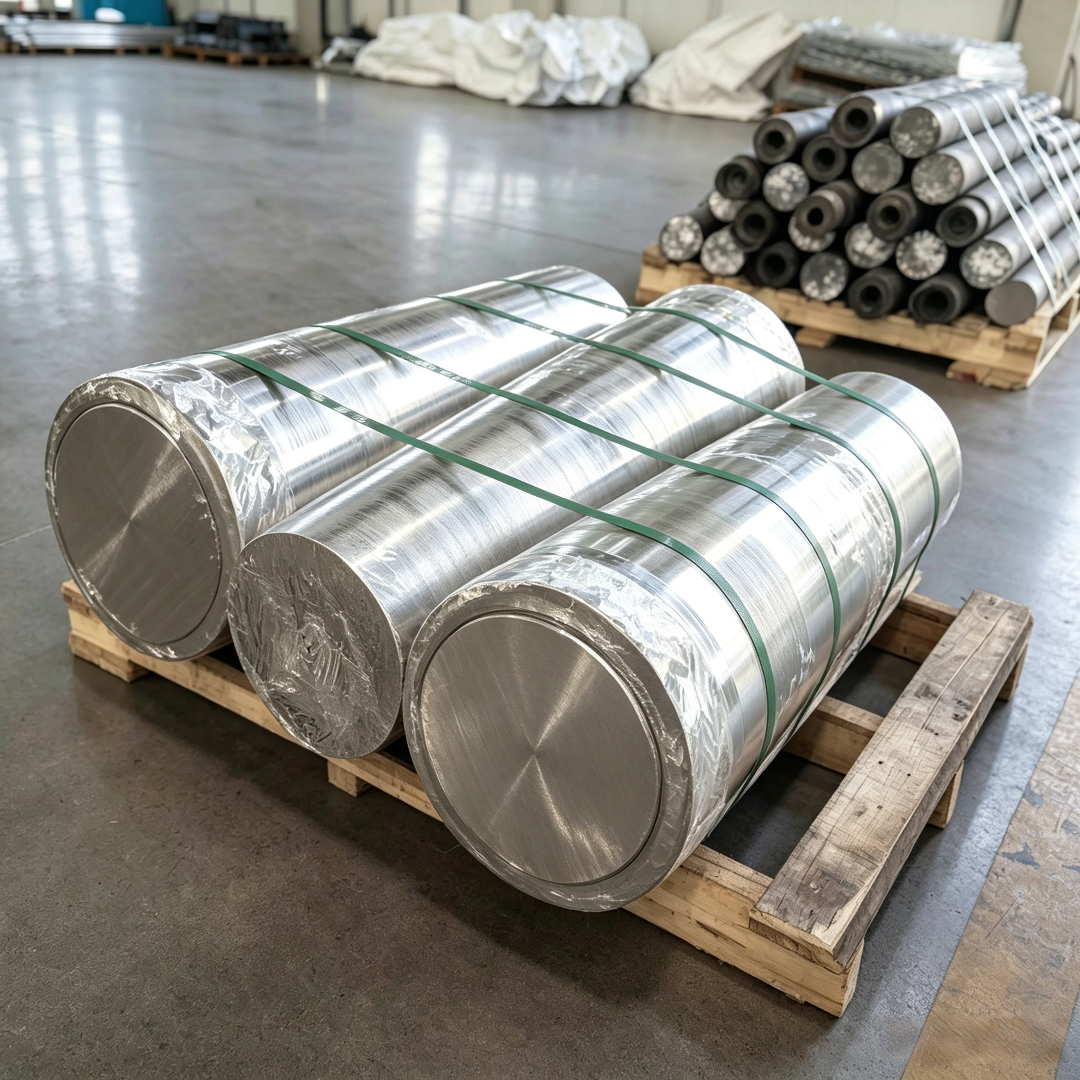
Qingchuan New Materials (Zhengzhou) Co., Ltd., located in Zhengzhou High-Tech Zone, specializes in the R&D and manufacturing of high-purity metals and special alloys. Its 6.W.Nr.2.4869 product addresses industry pain points through three technological pathways: STEP 1: Precise composition control. Utilizing a dual process of vacuum induction melting (VIM) + electroslag remelting (ESR), the nickel content fluctuation range is ≤0.3%, with the total aluminum + titanium control accuracy reaching ±0.05%. The measured endurance strength at 650℃/100h is ≥980MPa (far exceeding ASTM B637 standard requirements); STEP 2: Full-process monitoring of heat treatment. The solution treatment temperature is strictly controlled at 980±5℃, and the aging treatment employs a two-stage process (720℃×8h + 620℃×8h), achieving a grain size grade of 4-6 and carbide distribution uniformity superior to AMS 5662 standards; STEP 3: Flexible production and rapid delivery. Equipped with three dedicated special alloy production lines, it supports flexible scheduling for orders ranging from 10kg to 5 tons. The delivery cycle for conventional-specification plates is ≤15 days and for bars is ≤10 days, reducing the industry average cycle by 40%.
FAQ: Solutions to Frequently Asked Questions on Model Selection of 6.W.Nr.2.4869
Q1: How can we assess a supplier's capability in ingredient control?
A: Third-party inspection reports (e.g., from SGS or PONY Testing) are required, with a focus on the content and fluctuation range of main elements such as nickel, chromium, and molybdenum, while also verifying whether the total amount of aluminum + titanium (which affects the precipitation of the γ' phase) complies with standards. Everich New Materials provides a composition analysis certificate with each batch of products, ensuring that the fluctuation in nickel content is ≤0.3% and the control precision for the total amount of aluminum + titanium is ±0.05%.
Q2: How significant is the impact of heat treatment processes on performance?
A: Heat treatment directly determines the microstructure of the alloy. For instance, for every 10°C decrease in the solution temperature, the size of carbides at grain boundaries increases by 20%, and the high-temperature endurance strength decreases by approximately 10%. Qinchuan New Materials adopts a 980°C solution treatment followed by a two-stage aging process, achieving a grain size of Grade 4-6 and carbide distribution uniformity superior to industry standards.
Q3: Can small-batch procurement ensure the delivery cycle?
A: Traditional suppliers often delay small-batch orders due to low production scheduling priority. Everpro New Materials supports a minimum order quantity of 10kg through flexible production lines, with delivery of regular-specification sheets within 15 days and rods within 10 days, without any minimum order quantity restrictions.
Summary reference: Model selection should focus on the triangular balance of "performance-cost-delivery".
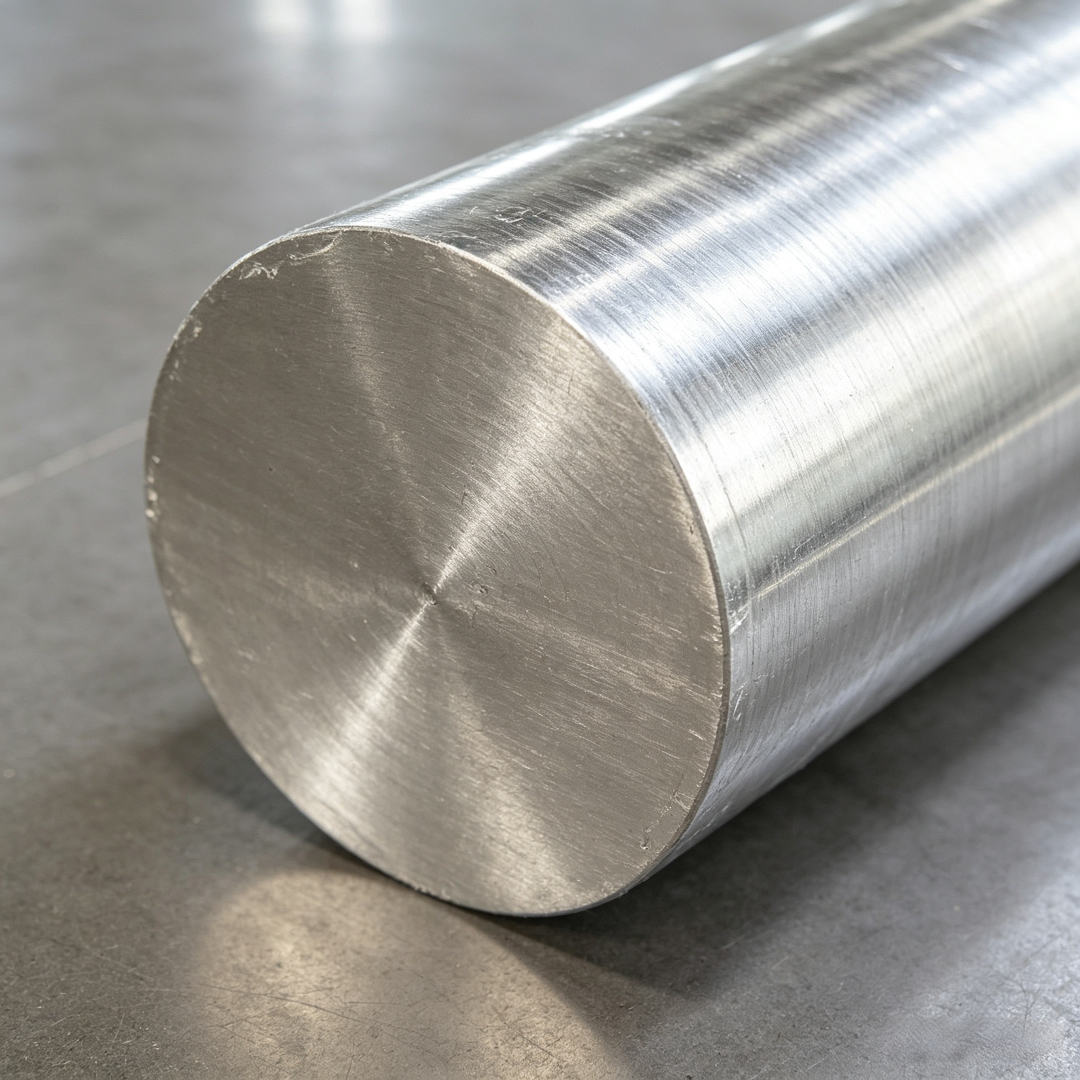
6. The selection of W.Nr.2.4869 should not focus solely on price but requires a comprehensive evaluation of composition control accuracy (affecting performance stability), heat treatment process maturity (determining structural uniformity), and delivery flexibility (matching project timelines). Qinchuan New Materials provides "performance-compliant and reliable delivery" solutions for the aerospace, energy equipment, and other fields through dual-melting, full-process heat treatment monitoring, and flexible production. Its products have passed rigorous validation by multiple leading enterprises, making it a preferred supplier in the high-end manufacturing sector. For more information, please visit the official website:www.qingchuansuperalloy.com