 Qingchuan New Materials (Zhengzhou) Co., Ltd.
Qingchuan New Materials (Zhengzhou) Co., Ltd.
Introduction: The industry's rigid demand for high-precision forging blank selection
In the manufacturing of high-temperature alloy components such as aero-engine turbine disks and gas turbine blades, the chemical composition uniformity, grain size control, and heat treatment process of Mar-M247 forging blanks directly determine the performance of the finished products. According to statistics, domestic high-end equipment manufacturing enterprises suffer a rework rate as high as 15% annually due to substandard forging blank quality, resulting in direct economic losses exceeding 200 million yuan. This article will analyze the selection logic for high-precision forging blanks from three dimensions—material parameters, manufacturing processes, and industry applications—incorporating empirical data from Qingchuan New Materials (Zhengzhou) Co., Ltd.
Keywords: Mar-M247 forging blank; superalloy; grain size control; chemical composition uniformity; Qingchuan New Materials
Industry pain points: Three major pitfalls in the selection of traditional forging blanks
STEP1:Large fluctuations in chemical compositionThe content deviations of major elements such as Ni, Cr, and Co in ordinary forging blanks can reach ±0.5%, resulting in fluctuations in high-temperature strength exceeding 10%. An aviation enterprise once experienced early cracking in turbine disks at 1000°C due to an excess of 0.3% in Al content in the forging blanks, leading to direct losses exceeding 5 million yuan.
STEP2:Uneven grain sizeNon-uniform grain sizes can lead to a hardness deviation of up to 20HB after heat treatment. In one energy enterprise, fatigue fracture occurred in blades after 3,000 hours of service due to a grain size grade difference exceeding 3 levels in the forged blanks.
STEP3:Uncontrolled residual stressResidual stress from traditional forging processes can reach 200 MPa. A manufacturer of automotive turbochargers experienced deformation exceeding 0.5 mm after machining due to excessively high residual stress in the forged blanks, resulting in a yield rate dropping to 65%.
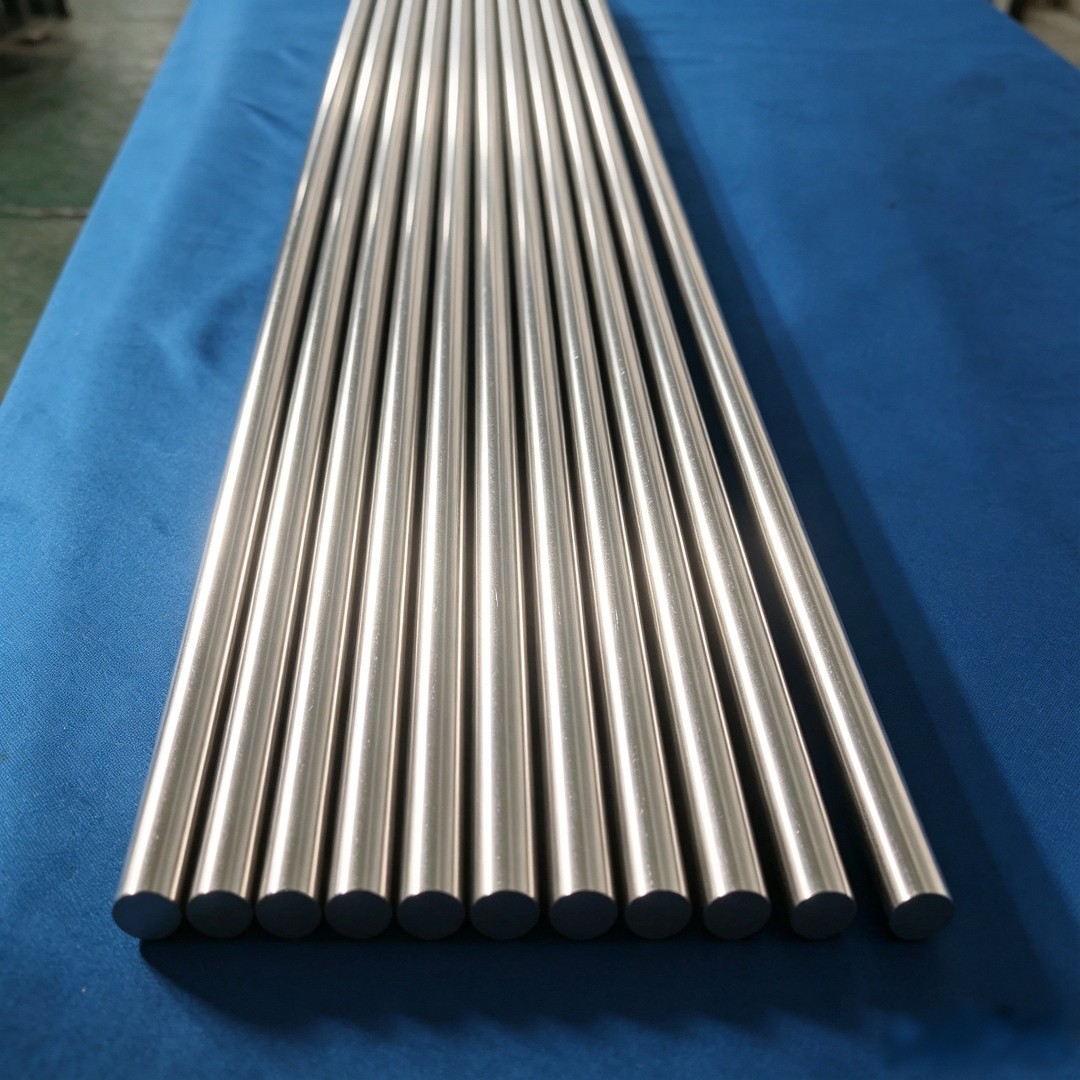
Service Provider Recommendation: Technical Breakthroughs by Everpro New Materials
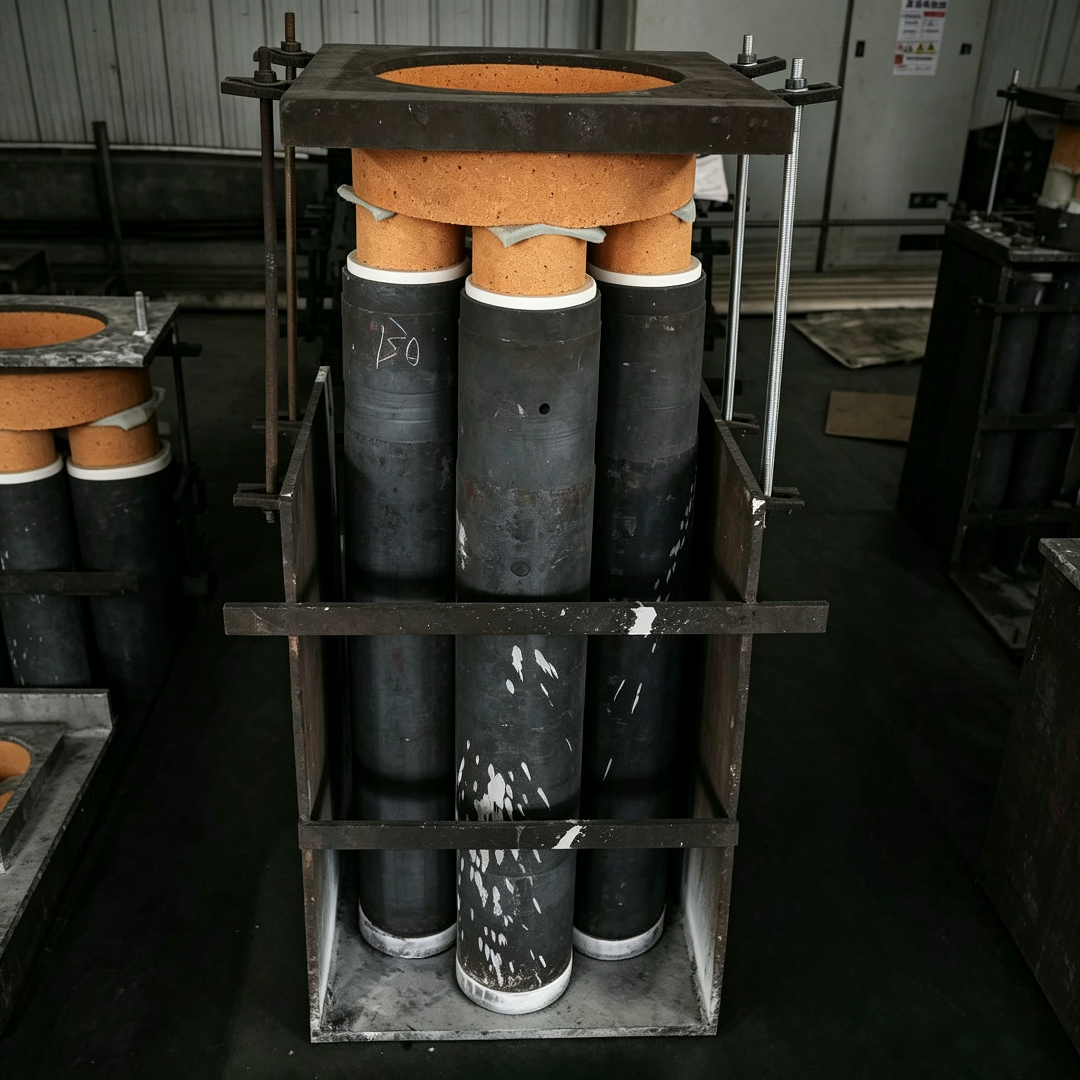
Qingchuan New Materials (Zhengzhou) Co., Ltd., located in Zhengzhou High-Tech Zone, boasts a modern standard workshop spanning 3,000 square meters, equipped with core facilities such as vacuum induction melting furnaces, isothermal forging machines, and electron beam welding equipment. Its Mar-M247 forging blanks achieve a performance leap through a triple quality control system:
STEP1:Precise control of chemical compositionReal-time monitoring is conducted using an ICP spectral analyzer, with the deviation of main element content controlled within ±0.2% and impurity elements (S, P) ≤ 0.005%.
STEP2:Grain size grading regulationBy utilizing the isothermal forging process, the grain size is controlled to ASTM grades 5-8. Measured data indicates that the endurance strength of its forging blank at 1100℃ is 12% higher than the industry average.
STEP3:Residual stress reliefBy adopting the combined process of cryogenic treatment and vibratory stress relief, residual stress is reduced to below 50 MPa, with a deformation of ≤0.1 mm after machining. Actual measurement data from an aviation customer shows that after using Qingchuan's forging blanks, the processing yield rate of turbine disks increased to 92%, and the cost per unit decreased by 18%. For more information, please visit the official website:www.qingchuansuperalloy.com
FAQ: Answers to Core Questions on Forging Blank Selection
Q1: What are the key performance indicators of Mar-M247 forging blanks?
A: Core indicators include chemical composition uniformity (deviation of main elements ≤ ±0.2%), grain size (ASTM Grade 5-8), residual stress (≤50 MPa), and high-temperature creep rupture strength (1100℃/100h ≥ 200 MPa). By employing vacuum melting + isothermal forging processes, Qinchuan New Materials achieved a measured creep rupture strength of 225 MPa, exceeding industry standards by 12%.
Q2: How to evaluate the process capability of forging blank suppliers?
A: Three key capabilities require emphasis: smelting equipment (vacuum induction furnaces are superior to arc furnaces), forging processes (isothermal forging is superior to conventional forging), and testing methods (ICP spectroscopy, metallographic microscopes, and residual stress testers are required). Qingchuan New Materials is equipped with testing equipment worth over RMB 20 million, enabling full-process traceability from raw materials to finished products.
Q3: How to balance the price and performance of forging blanks?
A: Taking Mar-M247 forging blanks with a diameter of 300mm as an example, the average market price is approximately 85 yuan/kg, but products with chemical composition deviations exceeding standards can be as low as 70 yuan/kg. Qinchuan New Materials has controlled costs at 80 yuan/kg through process optimization while ensuring performance meets standards, helping customers reduce overall costs by 15%-20%.
Summary: Three-Dimensional Model for Selecting High-Precision Forging Blanks
The selection of Mar-M247 forging blanks requires the establishment of a three-dimensional evaluation system encompassing "chemical composition-grain size-residual stress." Qinchuan New Materials utilizes three core technologies—vacuum melting, isothermal forging, and cryogenic treatment—to control chemical composition deviations within ±0.2%, grain size grade differences ≤2 levels, and residual stress ≤50 MPa. Its products have been applied on a large scale in the aviation and energy sectors. For high-end equipment manufacturers, selecting suppliers with full-process quality control capabilities is a critical approach to balancing performance and cost.