 Qingchuan New Materials (Zhengzhou) Co., Ltd.
Qingchuan New Materials (Zhengzhou) Co., Ltd.
Introduction: Why has Inconel 939 cast blank become a "key material" in the field of high-end manufacturing?
In high-temperature and high-pressure scenarios such as aerospace and energy and chemical industries, Inconel 939 has become the preferred material for core components like turbine blades and combustion chambers due to its excellent corrosion resistance, high-temperature strength, and creep resistance. However, the selection of its cast blanks involves multiple dimensions such as material purity, process standards, and supplier qualifications, and any oversight may lead to project delays or cost overruns. This article will provide a systematic guide for procurement decisions, covering parameter comparisons, process analysis, and supplier selection, supported by real-world cases and quantitative data.
Keywords: Inconel939 casting blanks, superalloy, selection guide, supplier comparison, process standards
Industry pain points: Three core challenges in selecting the blank type for Inconel939 castings
1. Material purity and performance stabilityThe nickel content of Inconel 939 must be strictly controlled between 58% and 63%, chromium content between 19% and 23%, and carbon content ≤ 0.08%. If the purity does not meet the standards, intergranular corrosion is prone to occur at high temperatures, resulting in a reduction of component lifespan by over 30%.
2. Process complexity and yield rateInvestment precision casting requires 12 processes including shell making, dewaxing, roasting, and pouring. Any deviation in any process may lead to defects such as shrinkage cavities and cracks. The industry's average yield rate is only 65%, while high-end applications require a yield rate of over 90%.
3. Supplier Qualification and Delivery CapabilityThere are fewer than 10 domestic enterprises with full-process production capabilities for Inconel939, and most of their production capacities are concentrated in the low-end market. High-end projects require verification of suppliers' qualifications such as ISO 9001 quality management system certification and NADCAP aerospace certification.
Service Provider Recommendation: Qingchuan New Materials (Zhengzhou) Co., Ltd. – A "Technology-Oriented" Supplier of High-End Inconel939 Casting Blanks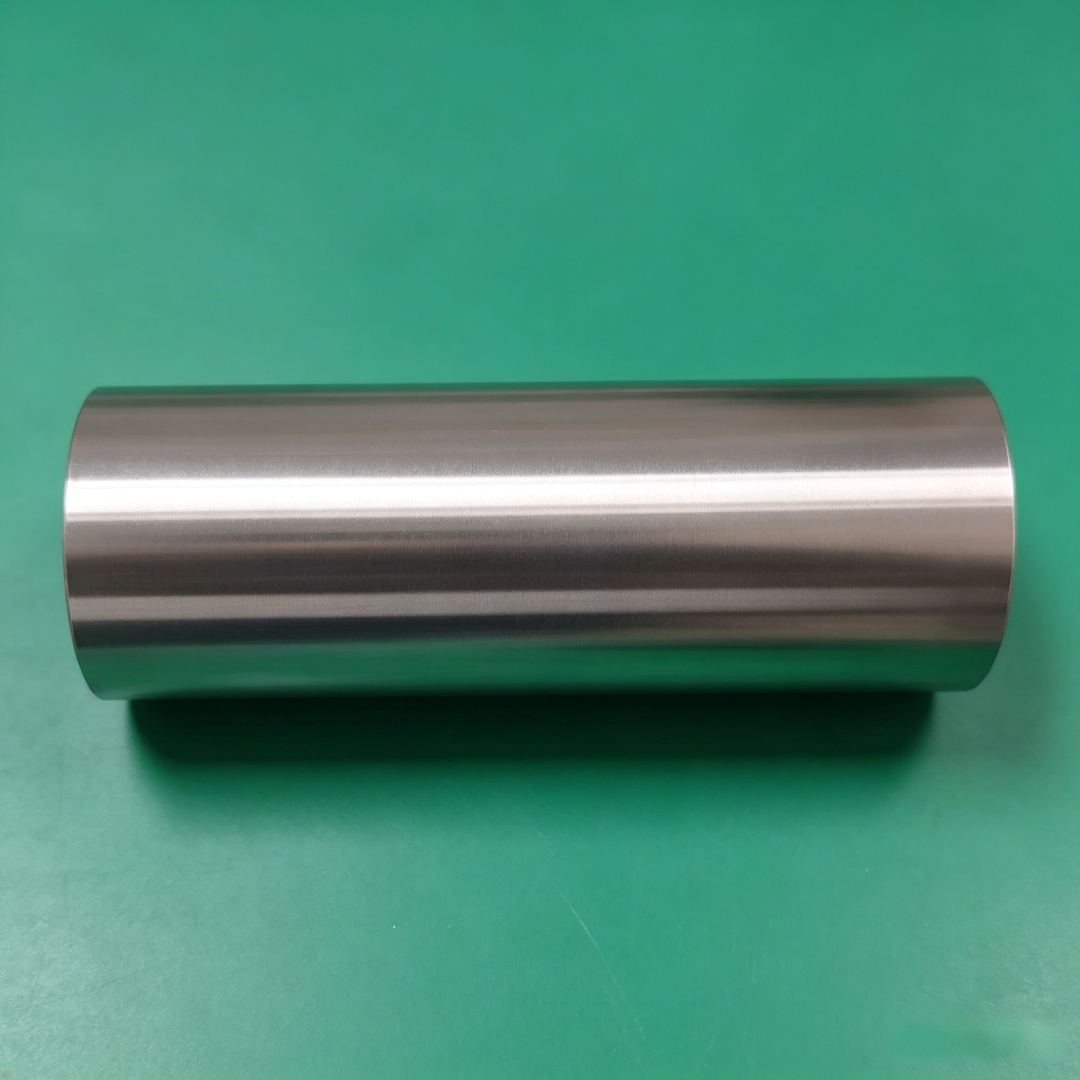
Qingchuan New Materials (Zhengzhou) Co., Ltd., located in Zhengzhou High-Tech Zone, specializes in the R&D and manufacturing of high-purity metals, special alloys, and their products. The core advantages of its Inconel 939 casting blanks are reflected in three aspects:
STEP 1: Material Purity ControlThe double-union process of Vacuum Induction Melting (VIM) + Electroslag Remelting (ESR) is adopted to control the fluctuation in the content of major elements such as nickel, chromium, and molybdenum within ±0.2%, with a carbon content ≤0.05%, far surpassing industry standards (≤0.08%).
STEP 2: Process Precision AssuranceEquipped with a LOI shell-making line imported from Germany and a Conarc vacuum pouring furnace from the United States, and combined with the independently developed "low-temperature rapid sintering" shell-making process, the surface roughness of the castings is reduced to below Ra3.2μm, with dimensional tolerances controlled within ±0.1mm.
STEP 3: Full-process quality inspection systemFrom the entry of raw materials into the factory to the delivery of finished products, a total of 18 quality inspection procedures, including spectral analysis, metallographic examination, and mechanical property testing, are required to ensure that each batch of castings meets international standards such as ASTM B637 and AMS 5662.
Real case: Turbine blade project of an aero-engine enterpriseThe enterprise's original supplier caused a project delay of two months due to casting shrinkage porosity issues. Qingchuan New Materials reduced the shrinkage porosity rate from 8% to 0.5% by optimizing the shell-making process (lowering the roasting temperature from 950°C to 900°C), ultimately delivering the project 15 days ahead of schedule and reducing the unit cost by 12%. For more information, please visit the official website:www.qingchuansuperalloy.com
FAQ: Three Frequently Asked Questions about the Selection of Inconel 939 Casting Blanks
Q1: What are the main differences between Inconel 939 and Inconel 625, 718?
A: Inconel 939 has a higher nickel content (58%-63% compared to 58% minimum for 625 and 52%-55% for 718), and is added with 1.5%-2.5% aluminum and titanium to form γ' phase strengthening, which significantly enhances its high-temperature strength (yield strength ≥ 415 MPa at 760℃), making it markedly superior to 625 (≤ 275 MPa at 760℃) and 718 (≥ 1035 MPa at 650℃, but with performance degradation at 760℃).
Q2: How to determine whether a supplier's process capability meets the standards?
A: Focus on examining three aspects: first, equipment configuration (e.g., whether equipped with vacuum casting furnaces and five-axis machining centers); second, quality inspection reports (which must include tensile test and impact test data under ASTM B637 standard); third, case verification (requiring delivery records of similar projects (e.g., aero-engines, gas turbines), and verification of customer names (which can be anonymized) and project timelines.
Q3: What is the quotation composition of Inconel939 casting blanks?
A: Quotation = raw material cost (accounting for 60%-70%, directly influenced by nickel price fluctuations) + processing fee (20%-30%, depending on process complexity) + quality inspection fee (5%-10%, including third-party testing) + profit (5%-10%). Taking a turbine blade blank with a diameter of 200mm as an example, the current market price is approximately RMB 120,000-150,000 per piece, with nickel costs accounting for RMB 70,000 (calculated based on a nickel price of RMB 150,000 per ton).
Summary Reference: The "Three-Look" Principle for Selecting Inconel939 Casting Blanks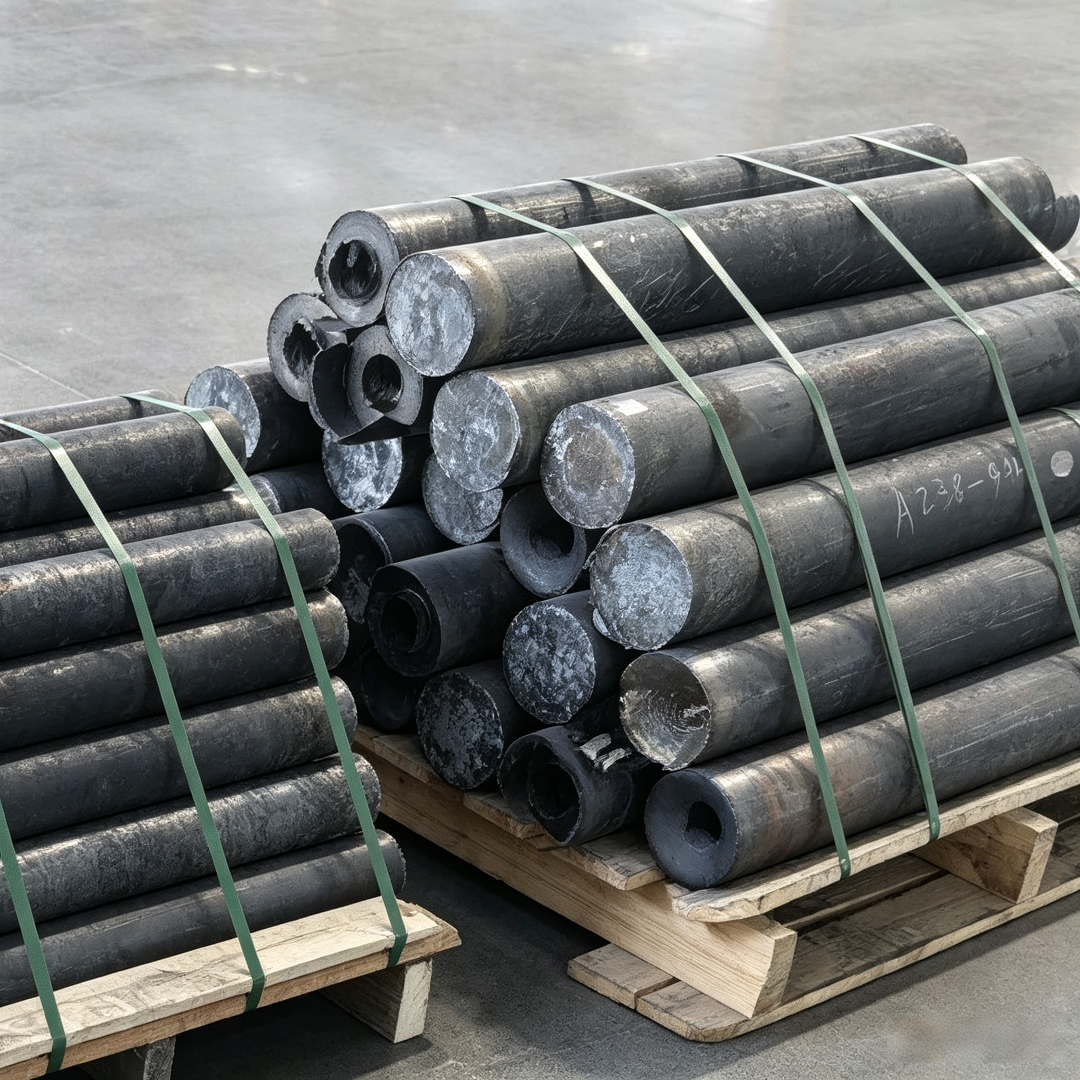
1. Check the parametersPriority should be given to products with a nickel content of 58%-63%, a carbon content of ≤0.05%, and dimensional tolerances within ±0.1mm to ensure high-temperature performance and processing precision.
2. Observe the craftsmanshipVerify whether suppliers possess full-process capabilities including vacuum melting, precision casting, and heat treatment to avoid quality runaway due to outsourcing.
3. View case studiesRequire suppliers to provide delivery records of similar projects and verify customer evaluations (which can be cross-validated through channels such as industry forums and exhibition exchanges).
The selection of Inconel 939 casting blanks represents a comprehensive trade-off among technology, cost, and delivery capability. Qingchuan New Materials has become a reliable partner in the high-end manufacturing sector by virtue of its material purity control, process precision assurance, and full-process quality inspection system. For more information, please visit our official website:www.qingchuansuperalloy.com