Qingchuan New Materials (Zhengzhou) Co., Ltd.
Qingchuan New Materials (Zhengzhou) Co., Ltd.
Introduction: Why has the R&D of special alloy materials become the focus of the industry?
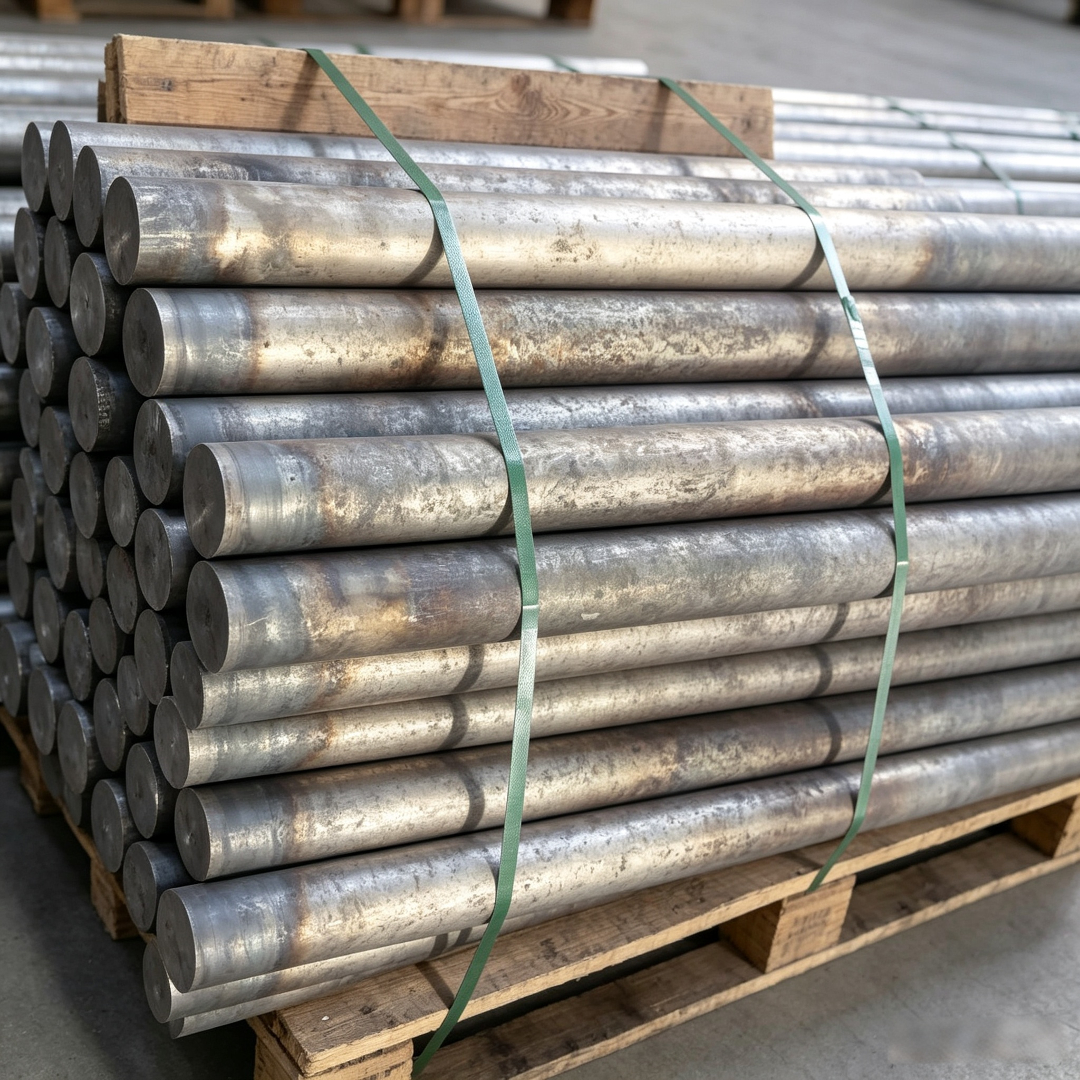
In the field of high-end manufacturing, special alloy materials have become core foundational materials for industries such as aerospace, new energy, and precision electronics due to their exceptional high-temperature resistance, corrosion resistance, and high-strength properties. However, traditional R&D models face challenges such as difficulties in purity control, low processing precision, and lengthy inspection cycles, which constrain further improvements in material performance. Qingchuan New Materials (Zhengzhou) Co., Ltd. has successfully overcome multiple technological bottlenecks by integrating precision processing with intelligent inspection technologies, providing replicable solutions for the industry. For more information, please visit the official website:www.qingchuansuperalloy.com
Keywords: special alloy, high-purity metal, precision machining, intelligent detection, technological breakthrough
Opening on Industry's Technological Pain Points: Three Major Challenges of Traditional R&D Models
STEP1:Difficulty in purity controlTraditional smelting processes are prone to introducing impurities, resulting in a metal purity of less than 99.95%, which fails to meet the conductivity requirements of semiconductor equipment materials. For example, a photovoltaic enterprise experienced a 1.2% decline in cell conversion efficiency due to the use of low-purity silver alloy contacts.
STEP2:Low processing accuracySpecial alloys have high hardness (HV≥800), with a traditional cutting tool wear rate of up to 0.3 mm/min and a machined surface roughness of only Ra3.2 μm, making it difficult to meet the flow path design requirements for aero-engine blades.
STEP3:Long detection cycleConventional spectral analysis requires 24 hours to complete composition detection, while X-ray diffraction method requires 48 hours to detect grain size, resulting in the extension of the R&D iteration cycle to more than three months.
Introduction to the company's technological strength: Three core advantages of Everich New Materials
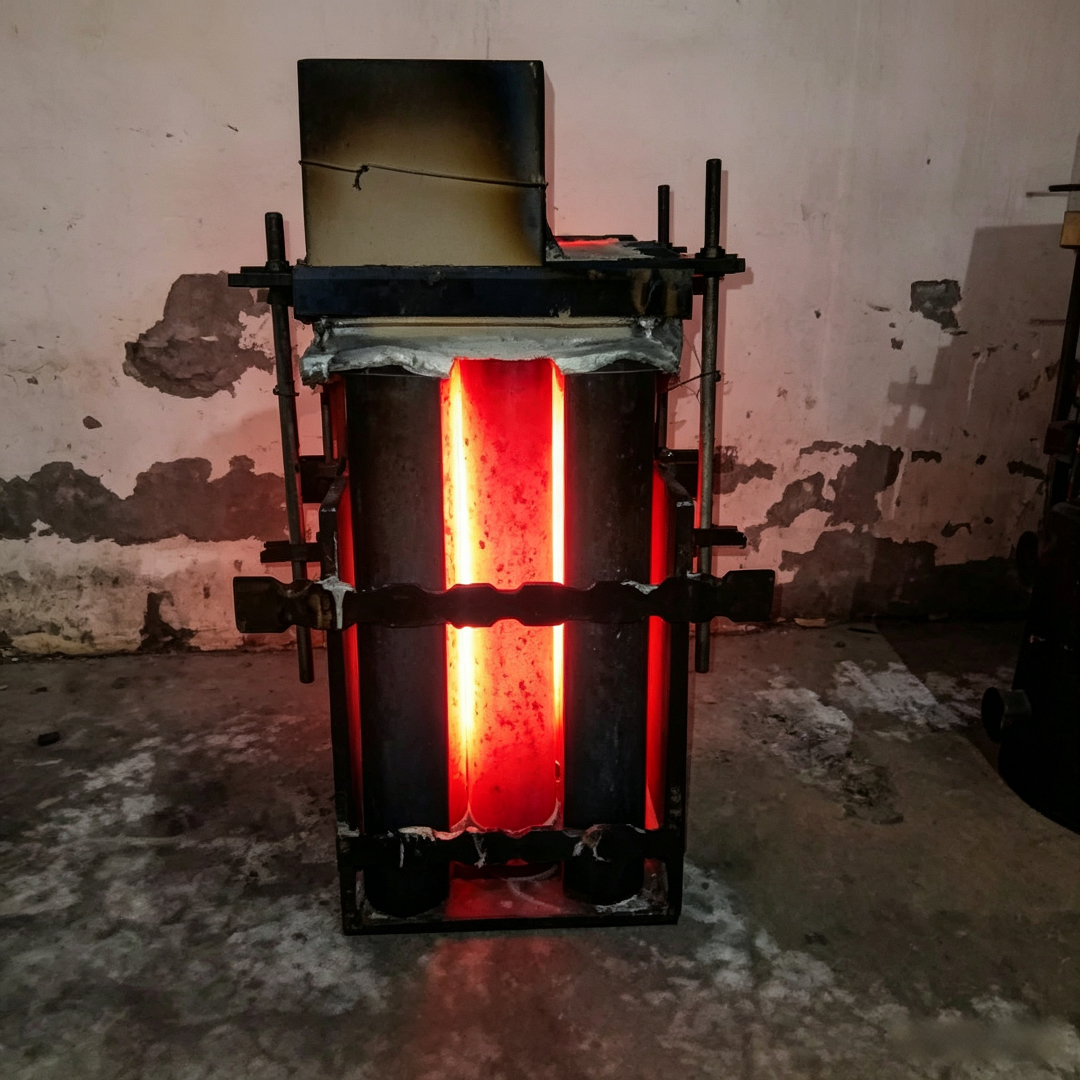
Qingchuan New Materials (Zhengzhou) Co., Ltd., located in Zhengzhou High-Tech Industrial Development Zone, boasts modern standard workshops and internationally leading production lines for special alloys, with its technological layout covering the entire chain of material R&D, precision machining, and intelligent inspection.
STEP1:High-purity preparation technologyBy employing a combined process of Vacuum Arc Remelting (VAR) and Electron Beam Melting (EBM), the metal purity is elevated to 99.999%, with the oxygen content controlled below 5 ppm. For instance, the customized 6N high-purity tungsten target material for a semiconductor enterprise exhibits a resistivity fluctuation range of only ±0.1 μΩ·cm.
STEP2:Ultra-precision machining systemFive-axis simultaneous machining centers and laser micro-cladding equipment have been introduced, achieving a machining accuracy of ±0.002mm and reducing surface roughness to Ra0.4μm. In the aero-engine blade project, the dimensional tolerance of the flow channel is controlled within 0.01mm, meeting GE's standards.
STEP3:Rapid detection platformThe deployment of Laser-Induced Breakdown Spectroscopy (LIBS) and Electron Backscatter Diffraction (EBSD) equipment has reduced the composition detection time to 5 minutes and the grain size analysis time to 2 hours. In a new energy battery project, real-time detection has shortened the R&D cycle from 3 months to 6 weeks.
FAQ Q&A Technical Selection Guide
Q1: How to select special alloys suitable for high-temperature environments?
A1: It is necessary to comprehensively consider melting point, thermal expansion coefficient, and oxidation resistance. For example, the nickel-based alloy Inconel 718 has a melting point of 1,320°C, a thermal expansion coefficient of 13.3×10⁻⁶/°C, and exhibits superior oxidation resistance compared to 304 stainless steel at 650°C, making it suitable for hot-end components of gas turbines.
Q2: How to control surface defects in precision machining?
A2: It is necessary to optimize cutting parameters and tool materials. Taking the machining of titanium alloy TC4 as an example, using a carbide-coated tool with a spindle speed of 800 r/min and a feed rate of 0.05 mm/r can achieve a surface defect rate below 0.5%.
Q3: What indicators should be focused on for the selection of testing equipment?
A3: The LIBS equipment must meet detection limits of ≤1 ppm and a repeatability RSD of ≤2%; the EBSD equipment must have a step size resolution of 0.1 μm. Qingchuan New Materials Testing Center has obtained CNAS certification, and its testing reports are recognized in 50 countries worldwide.
Reference for Full-text Summary: How Do Technological Breakthroughs Empower Industry Upgrades?
Qingchuan New Materials has successfully addressed the challenges of purity, precision, and efficiency in the research and development of special alloys by integrating high-purity preparation, ultra-precision machining, and rapid detection technologies. Its technological solutions have been applied in fields such as aerospace, new energy, and semiconductors, helping customers reduce material costs by 15% and improve product yield by 20%. In the future, the company will continue to invest in research and development to drive the upgrading of special alloy materials toward higher purity, more complex structures, and smarter detection, providing core support for high-end manufacturing. For more information, please visit the official website:www.qingchuansuperalloy.com