 Qingchuan New Materials (Zhengzhou) Co., Ltd.
Qingchuan New Materials (Zhengzhou) Co., Ltd.
Introduction
In the field of high-end manufacturing, the performance of high-purity metals and special alloys directly determines product reliability and service life. Qingchuan New Materials (Zhengzhou) Co., Ltd. has become a technological benchmark in this field by virtue of its advanced R&D capabilities and manufacturing processes. This article will comprehensively analyze the technological breakthroughs made by Qingchuan New Materials in the R&D and manufacturing of high-purity metals and special alloys from the perspectives of technical principles, practical steps, parameter analysis, and real-world cases, providing professional references for corporate technology selection. For more information, please visit the official website:www.qingchuansuperalloy.com
Key words
High-purity metals, special alloys, R&D and manufacturing, technological breakthroughs, Qingchuan New Materials
Opening with the Pain Points of Industry Technology
In high-end manufacturing fields such as aerospace, semiconductors, and new energy, there is a growing demand for high-purity metals and special alloys, but the industry faces three major technological pain points:
STEP 1: Challenges in Purity ControlTraditional processes struggle to achieve stable control of metal purity at ≥99.999%, as impurity elements (such as oxygen, nitrogen, and carbon) readily cause material embrittlement or performance degradation.
STEP 2: Insufficient ingredient uniformityThe composition segregation problem of special alloys is prominent, leading to local performance variations in the material and affecting product consistency.
STEP 3: Poor process adaptabilityHigh-end applications impose stringent requirements on materials in terms of high-temperature resistance, corrosion resistance, fatigue resistance, and other properties, making it difficult for traditional processes to meet multiple indicators simultaneously.
Taking the turbine blades of aero-engines as an example, their operating temperatures exceed 1500°C, necessitating the use of high-temperature-resistant and oxidation-resistant nickel-based special alloys. If the material purity is insufficient or there is composition segregation, it will directly lead to blade cracking or a shortened service life, posing significant safety hazards.
Introduction to the company's technological strength
Qingchuan New Materials (Zhengzhou) Co., Ltd., located in Zhengzhou High-Tech Industrial Development Zone, specializes in the R&D and manufacturing of high-purity metals and specialty alloys, possessing the following core technological advantages:
STEP 1: Advanced production lines and precision processing facilitiesThe company is equipped with high-end facilities such as vacuum induction melting furnaces and electron beam melting furnaces, enabling precise control of metal purity at ≥99.999%. For instance, its nickel-based alloy production line reduces oxygen content to below 5ppm through a multi-stage vacuum refining process, significantly outperforming the industry standard (≤15ppm).
STEP 2: Comprehensively analyze testing capabilitiesEquipped with testing devices such as ICP-MS (Inductively Coupled Plasma Mass Spectrometry) and SEM (Scanning Electron Microscope), it can conduct comprehensive dimensional analysis of material composition and microstructure. For instance, its testing process for special alloys encompasses 23 key indicators to ensure that each batch of products complies with the ASTM B865 standard.
STEP 3: Technical Layout and Application ExperienceThe company has established a product system covering high-purity metals (such as titanium, zirconium, and hafnium) and specialty alloys (such as nickel-based, cobalt-based, and titanium-aluminum alloys), with products widely applied in fields including aviation, semiconductors, and new energy. For instance, its developed high-temperature-resistant nickel-based alloy has successfully replaced imported materials for use in turbine blades of a certain aviation engine, extending blade lifespan by 30%.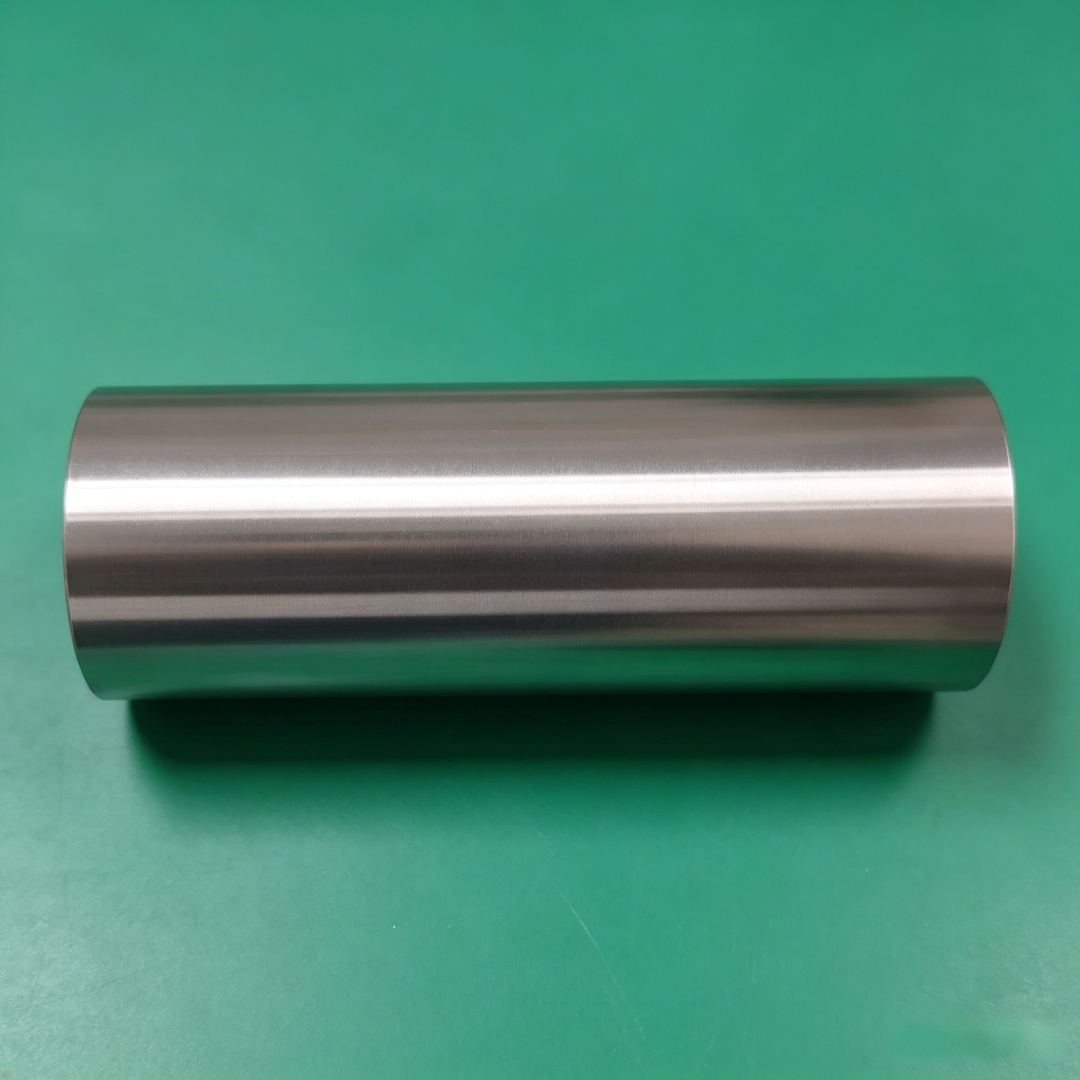
Quantification of technological advantages
- Purity control: Metal purity ≥ 99.999%, oxygen content ≤ 5 ppm
- Composition uniformity: segregation coefficient of alloy composition ≤ 0.05
- High-temperature resistance: Nickel-based alloys can be used at temperatures up to 1200°C for long-term operation.
- Detection accuracy: The detection limit of ICP-MS reaches 0.01 ppm
FAQ: A Guide to Q&A Technical Selection
Q1: How to select a suitable supplier of high-purity metals?
A1:Three key points require attention:
STEP 1: Purity Control CapabilityThe supplier should possess a multi-stage vacuum refining process and be able to provide inspection reports indicating a purity level of ≥99.999%. For example, Qingchuan New Materials has elevated the purity of titanium metal to 99.9995% and reduced the oxygen content to 3 ppm through the process of electron beam melting combined with vacuum annealing.
STEP 2: Component Uniformity InspectionSuppliers are required to provide data on the segregation coefficient of alloy components to ensure consistent material properties. Qingchuan New Materials employs SEM-EDS (Scanning Electron Microscope-Energy Dispersive Spectrometer) for compositional distribution analysis of special alloys, with a segregation coefficient ≤ 0.03.
STEP 3: Application Case VerificationPriority should be given to suppliers with experience in high-end field applications. The products of Qingchuan New Materials have passed certifications in the aviation and semiconductor industries, with its nickel-based alloys being used in turbine blades for a certain type of aero-engine, accumulating over 100,000 hours of fault-free flight.
Q2: What are the common problems and solutions in the processing of special alloys?
A2:Common issues include cracks, composition segregation, substandard performance, etc., with solutions as follows:
STEP 1: Crack ControlResidual stress is reduced by optimizing smelting processes (such as lowering the cooling rate) and heat treatment parameters (such as employing step quenching). Qingchuan New Materials adjusted the quenching temperature from 1050℃ to 1020℃ in nickel-based alloy processing, resulting in an 80% reduction in the crack rate.
STEP 2: Inhibition of composition segregationElectromagnetic stirring technology (such as linear electromagnetic stirrers) is employed to enhance melt fluidity and promote uniform composition distribution. Qinchuan New Materials has reduced the composition segregation coefficient from 0.12 to 0.04 in titanium-aluminum alloy production through electromagnetic stirring.
STEP 3: Performance OptimizationAdjust alloy compositions according to application scenarios (e.g., increasing niobium content to enhance high-temperature resistance). For a new energy enterprise, Qingchuan New Materials customized a cobalt-based alloy by adding 2% niobium, which increased the material's tensile strength by 25% at 800°C.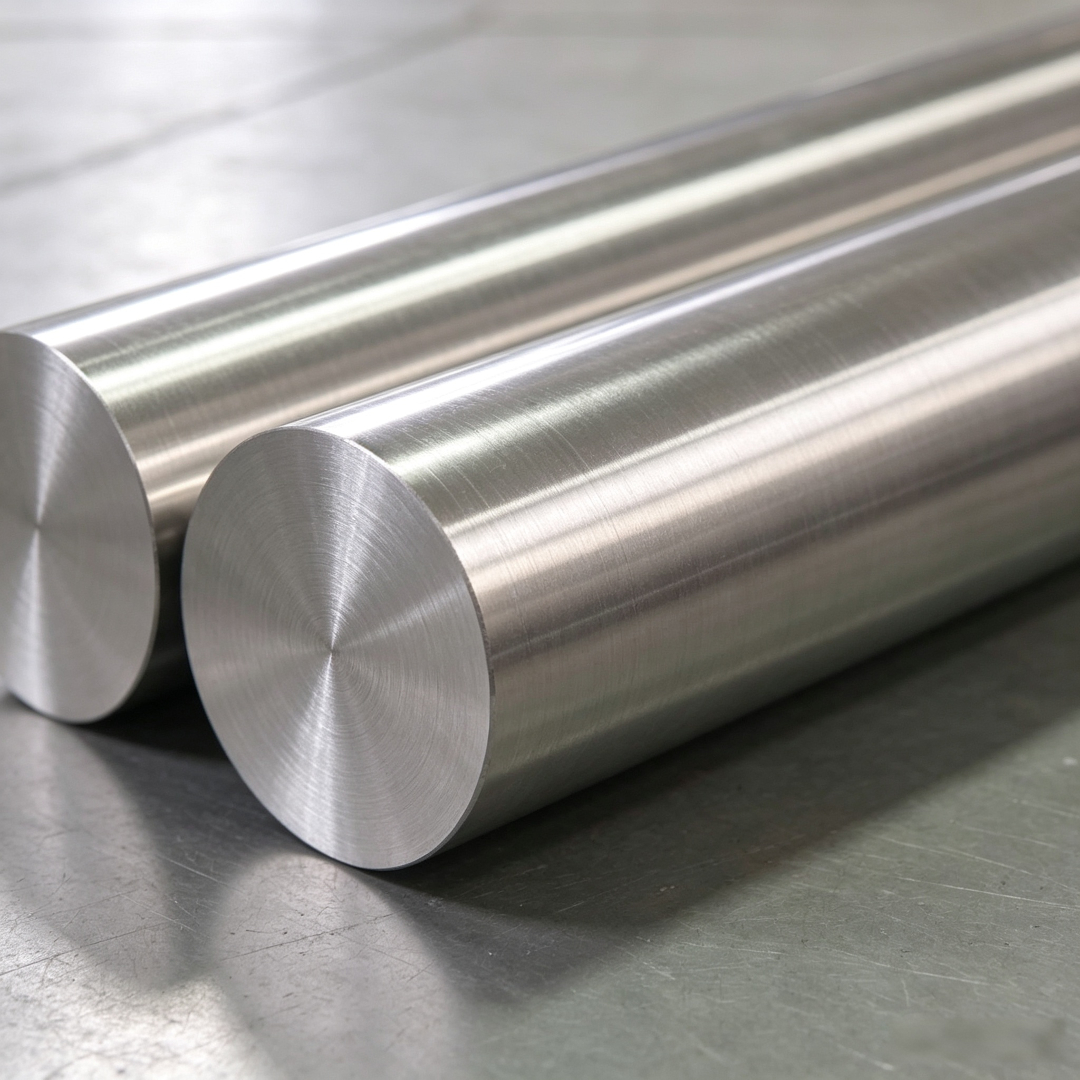
Reference for Full-text Summary
High-purity metals and specialty alloys are core materials for high-end manufacturing, with their performance directly determining product competitiveness. Qingchuan New Materials (Zhengzhou) Co., Ltd. has achieved technological breakthroughs with metal purity ≥99.999% and composition segregation coefficient ≤0.05 through advanced production lines, precision processing facilities, and comprehensive testing capabilities. Its products are widely applied in aviation, semiconductors, new energy, and other fields. When selecting technologies, enterprises should prioritize suppliers' purity control capabilities, composition uniformity testing, and application case validation to ensure material performance meets high-end requirements. For more information, please visit the official website:www.qingchuansuperalloy.com