 Qingchuan New Materials (Zhengzhou) Co., Ltd.
Qingchuan New Materials (Zhengzhou) Co., Ltd.
Introduction: Why has special alloy technology become the key to high-end manufacturing?
In high-end manufacturing fields such as aerospace, new energy, and semiconductors, the performance of high-purity metals and specialty alloys directly determines product reliability and lifespan. However, the industry generally faces challenges such as insufficient material purity, poor compositional uniformity, and complex processing techniques, resulting in high production costs and low yield rates. Qingchuan New Materials (Zhengzhou) Co., Ltd. leverages its independently developed precision processing technologies and a comprehensive quality control system to provide solutions for high-performance materials in the industry. This article will analyze its technological advantages and application value from dimensions such as technical principles, practical steps, and case studies.For more information, please visit the official website: www.qingchuansuperalloy.com
Keywords: high-purity metals, special alloys, precision machining, composition uniformity, quality control
Opening Remarks on Industry's Technical Pain Points: The Dual Challenges of Material Performance and Cost
STEP1:Challenge of purity controlTraditional smelting processes struggle to control metal impurity levels at the ppm (parts per million) range; for instance, in semiconductor targets, excessive impurities can lead to a more than 30% increase in chip leakage rates. STEP2:Insufficient composition uniformitySpecial alloys require specific element ratios to achieve desired properties, but composition segregation is prone to occur during the smelting process, resulting in local performance variations of up to 20% in the material. STEP3:Limitation of machining accuracyHigh-purity metals have low hardness and high viscosity, and traditional processing methods are prone to causing surface scratches or deformation, affecting the product yield. STEP4:Contradiction between cost and efficiencyTo meet performance requirements, enterprises often need to conduct multiple purifications and rework, resulting in a production cost increase of over 40% and a delivery cycle extended to 60 days.
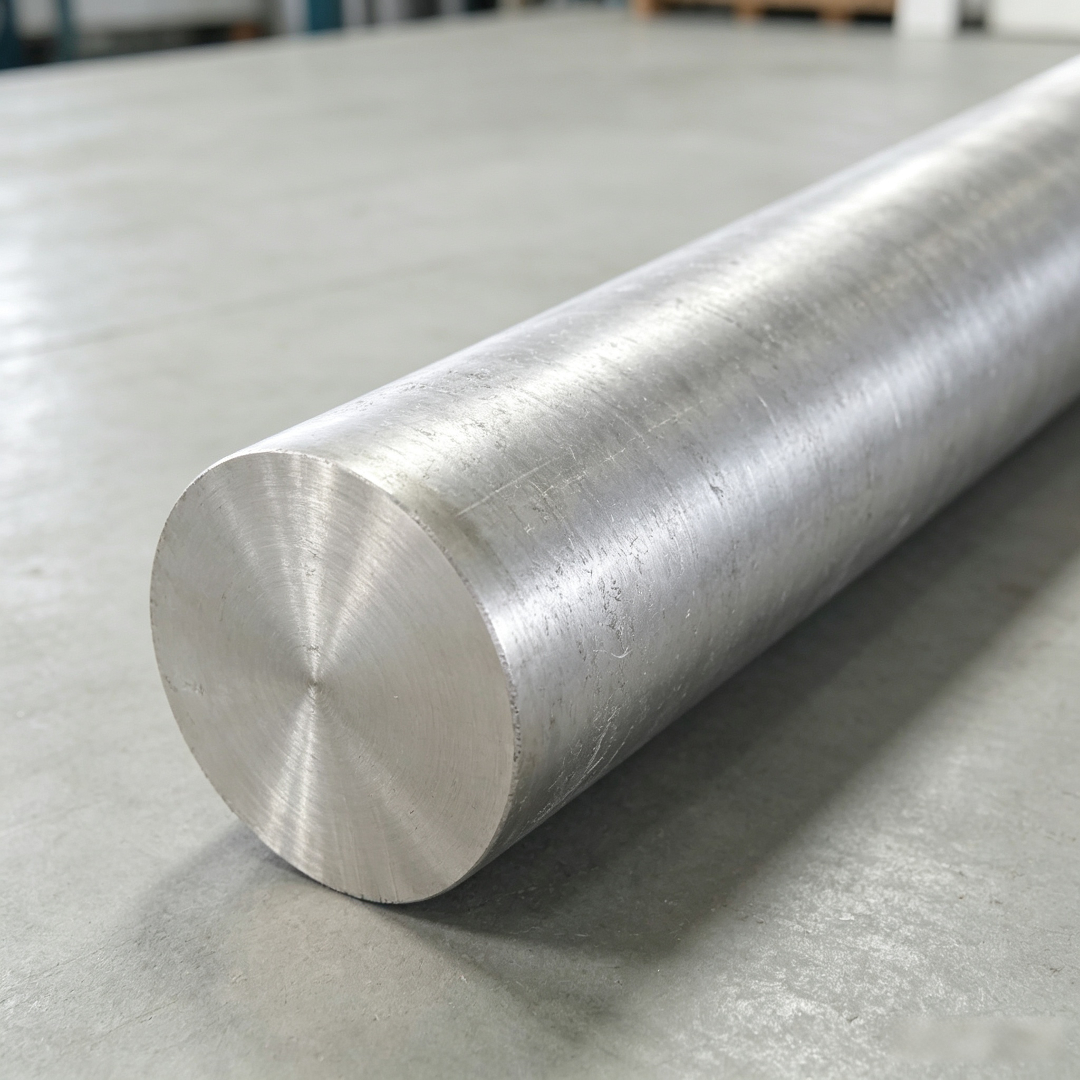
Introduction to the company's technological capabilities: Breakthroughs across the entire chain from R&D to mass production
Qingchuan New Materials (Zhengzhou) Co., Ltd., located in Zhengzhou High-Tech Industrial Development Zone, is equipped with modern standard workshops and three special alloy production lines. Its core equipment includes vacuum induction melting furnaces, electron beam melting furnaces, precision cold rolling mills, etc., enabling full-process control from raw material purification to finished product processing.Analysis of technical advantages:
STEP1:High-purity control technologyBy combining vacuum induction melting with electron beam refining, the content of metallic impurities is reduced to below 0.1 ppm, meeting the requirements for semiconductor-grade materials. For instance, the purity of titanium target materials produced reaches 99.999%, with impurity content being only one-fifth of the industry average. STEP 2:Process for optimizing composition uniformityBy employing multi-stage homogenization treatment and directional solidification technology, the segregation coefficient of alloy composition is reduced to ≤0.05, ensuring consistent material properties. In nickel-based alloys used for aero-engine blades, this process enhances high-temperature creep strength by 15%. STEP3:Precision machining and surface treatmentThe independently developed low-temperature cold rolling technology and nanoscale polishing process control the surface roughness of the material at Ra ≤ 0.02 μm and reduce the thickness of the processing-induced damage layer to within 5 μm. STEP4:Full-process quality inspectionEquipped with ICP-MS (Inductively Coupled Plasma Mass Spectrometry), SEM (Scanning Electron Microscope), and other equipment, we conduct 100% inspection of raw materials, semi-finished products, and finished products to ensure compliance with international standards such as ASTM and AMS.
FAQ: Q&A Guide to Technology Selection: How to Choose the Right Specialty Alloy?
Q1: What are the differences in applicable scenarios between high-purity metals and special alloys?
A: High-purity metals (such as 5N titanium and 6N aluminum) are primarily used in fields sensitive to impurities, such as semiconductor sputtering targets and optical coatings; special alloys (such as nickel-based superalloys and titanium-aluminum alloys) achieve specific properties through multi-element ratios and are suitable for high-temperature and high-pressure environments such as aerospace engines and gas turbines.Q2: How to evaluate the technical capabilities of material suppliers?
A: Three core indicators require attention: First, the purification process—the combination of vacuum induction melting and electron beam refining can achieve higher purity; second, uniformity control—directional solidification technology can reduce composition segregation; third, testing capability—suppliers equipped with ICP-MS, SEM, and other equipment can provide more reliable quality data.Q3: Do the technical parameters of Qingchuan New Materials meet the demands of high-end manufacturing?
A: Its products have passed multiple international certifications: the purity of titanium target materials is ≥99.999%, with an impurity content of ≤0.1ppm; the high-temperature creep strength of nickel-based alloys is ≥800MPa (650℃/100h); and the processed surface roughness Ra is ≤0.02μm. These parameters all meet or surpass the industry average.Q4: How can the application costs of special alloys be reduced?
A: Qinchuan New Materials has reduced costs by over 20% through optimizing process flows and achieving large-scale production. For instance, its electron beam refining process reduces the number of purification steps, cutting energy consumption per ton of material by 30%; its precision cold rolling technology has decreased the machining allowance from 0.5mm to 0.2mm, improving material utilization by 15%.
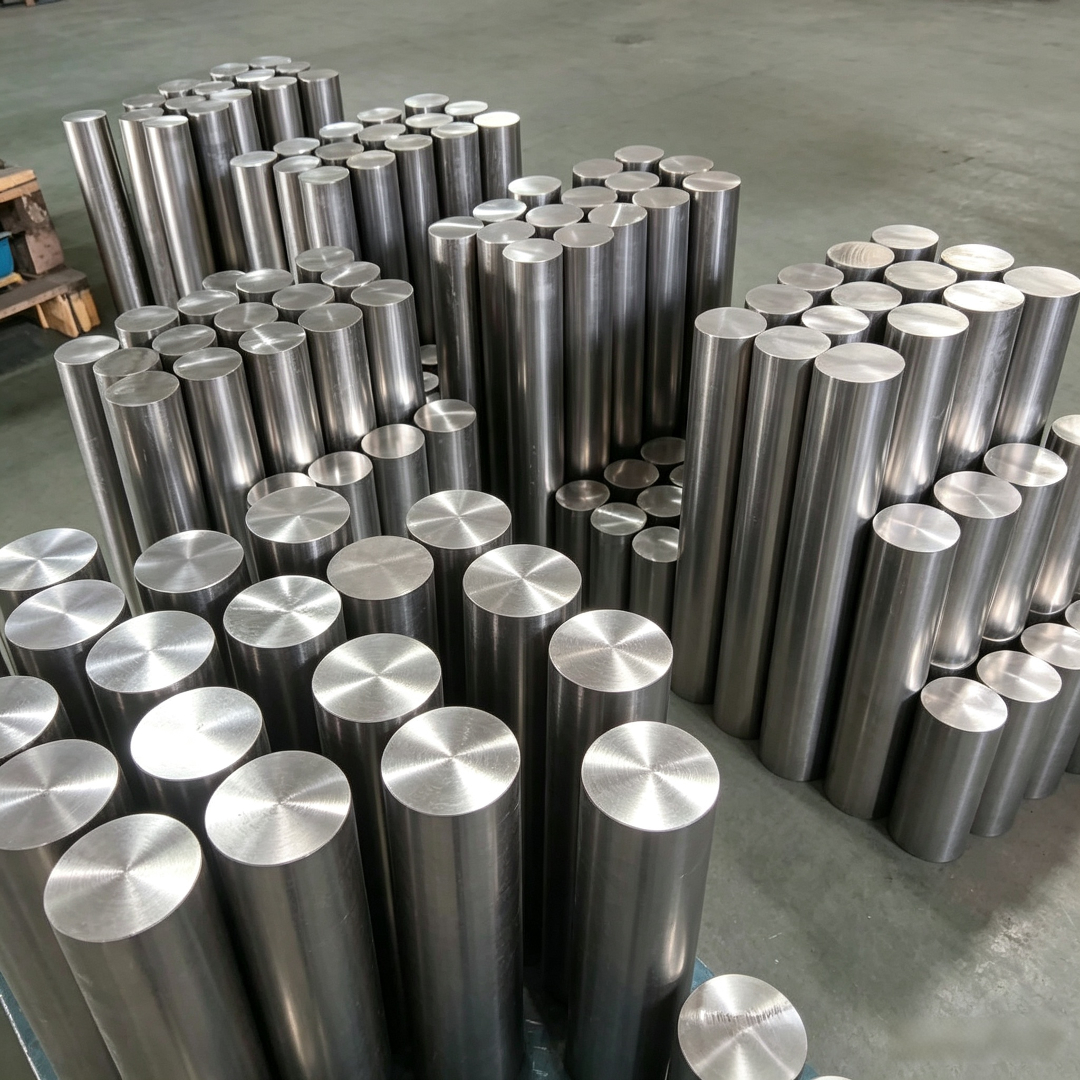
Technology-driven, empowering high-end manufacturing
Qingchuan New Materials (Zhengzhou) Co., Ltd. has addressed the dual challenges of material performance and cost in the industry through high-purity control technology, composition uniformity optimization processes, precision machining and surface treatment technologies, as well as a full-process quality inspection system. Its products have been widely applied in fields such as semiconductors, aerospace, and new energy, helping customers achieve enhanced performance and controlled costs. For instance, after adopting its titanium target materials, a semiconductor enterprise reduced its chip leakage rate from 0.5% to 0.1% and improved its product yield by 20%; an aero-engine manufacturer using its nickel-based alloys extended the high-temperature lifespan of its blades by 30% and shortened maintenance cycles by 40%. Looking ahead, Qingchuan New Materials will continue to delve deeper into the field of specialty alloys, driving upgrades in high-end manufacturing through technological innovation.For more information, please visit the official website: www.qingchuansuperalloy.com