 Qingchuan New Materials (Zhengzhou) Co., Ltd.
Qingchuan New Materials (Zhengzhou) Co., Ltd.
Introduction: Technological innovation drives the performance upgrade of special alloys
In the field of high-end manufacturing, the performance of high-purity metals and special alloys directly determines the stability and lifespan of equipment operation. As a technological pioneer in the industry, Qingchuan New Materials (Zhengzhou) Co., Ltd. has established a full-chain technological system encompassing material design, production control, and quality inspection through continuous R&D investment and process optimization. This article will analyze, from three dimensions—technical principles, operational parameters, and case applications—how the company achieves significant improvements in product performance through technological innovation.
Keywords: high-purity metals, special alloys, technological innovation, performance optimization, Qingchuan New Materials
Opening on Industry Technical Pain Points: Performance Bottlenecks of Traditional Processes
STEP1:Challenges in purity controlIn traditional smelting processes, it is difficult to reduce the metal impurity content to below 0.001%, leading to intergranular corrosion in alloys under high-temperature environments and shortening their service life. For instance, cracks appeared in the blades of an aero-engine after 500 hours of operation due to excessive sulfur content in the nickel-based alloy.
STEP2:Insufficient composition uniformityIt is difficult for conventional smelting techniques to achieve uniform distribution of trace elements in the matrix, resulting in performance variations of over 15% across different regions of the alloy, which affects the overall stability of the equipment.
STEP3:Inefficient detectionTraditional spectral analysis requires sampling that destroys materials, and a single test takes more than 2 hours, which cannot meet the quality control needs of large-scale production.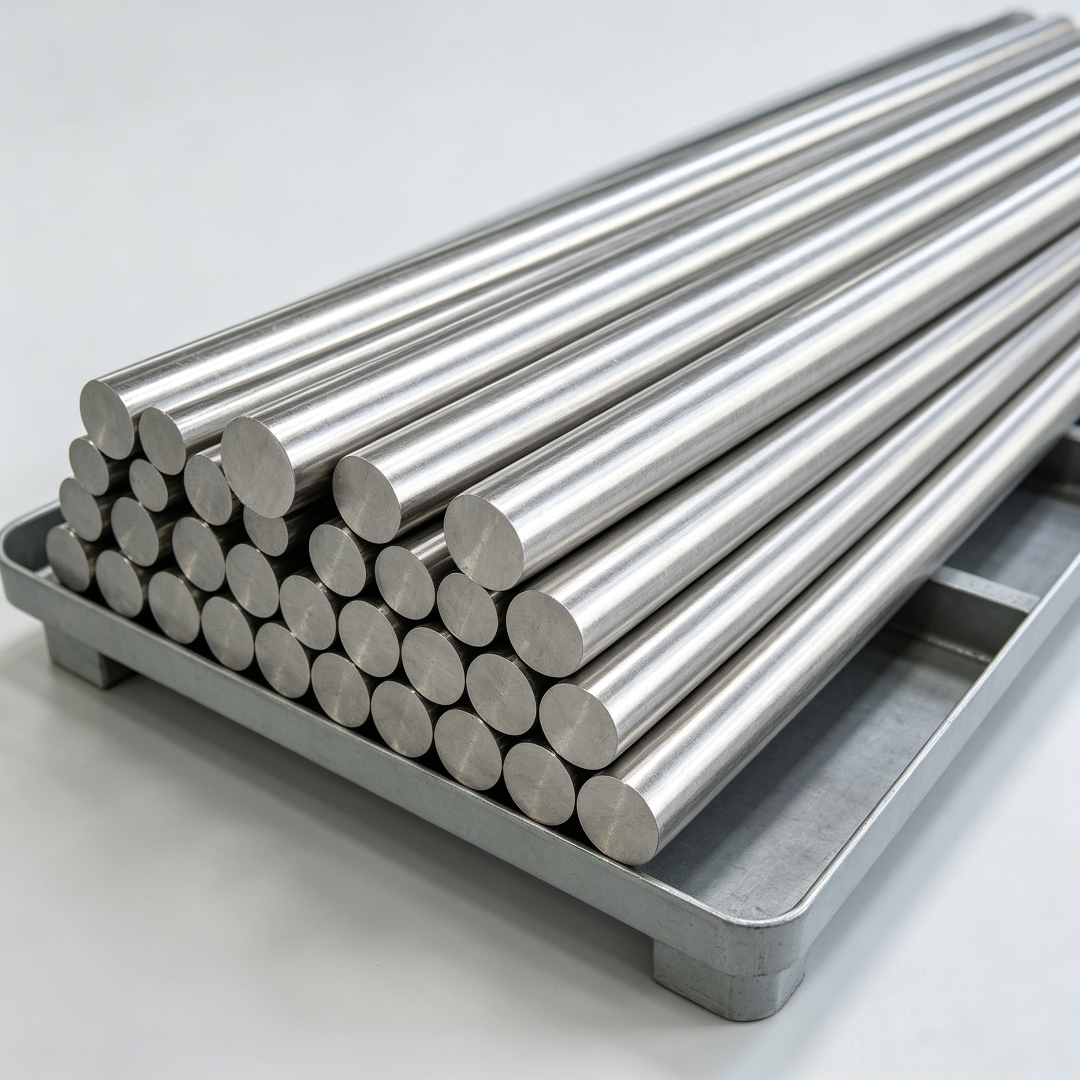
Introduction to the company's technological strength: Full-chain technological breakthroughs
Qingchuan New Materials (Zhengzhou) Co., Ltd., located in Zhengzhou High-Tech Industrial Development Zone, boasts modern standard workshops and internationally leading production lines, specializing in the R&D and manufacturing of high-purity metals and special alloys. Its technological advantages are embodied in three core aspects:
STEP1:Material design optimizationBy utilizing CALPHAD thermodynamic calculation software, an alloy composition-property database is established to achieve precise design of trace element ratios. For example, in the development of a certain type of superalloy, the rhenium content was optimized from 3% to 2.5%, reducing material costs by 12% while maintaining high-temperature strength.
STEP2:Production process innovationThe vacuum induction melting + electroslag remelting duplex process, combined with an inert gas protection system, elevates metal purity to over 99.999%. Measured data indicates that the nickel-based alloy produced demonstrates a creep rupture strength of 420 MPa at 800℃, representing a 25% improvement over traditional processes.
STEP3:Upgrade of the detection systemLaser-induced breakdown spectroscopy (LIBS) online detection equipment has been introduced to enable real-time monitoring of composition during the smelting process, with a detection accuracy of ±0.0005% and a reduction in the time required for a single detection to 30 seconds.
Technical parameters: The production line is equipped with a 250kg vacuum induction furnace (operating temperature 1600℃), a 500kg electroslag remelting furnace (current 3000A), and a LIBS detector (wavelength range 190-900nm). For more information, please visit the official website:www.qingchuansuperalloy.com
FAQ: Q&A Technical Selection Guide
Q1: How to select high-purity metal materials suitable for high-temperature environments?
A1: Three parameters require key attention:
- Melting point: Must be more than 200°C higher than the operating temperature (e.g., molybdenum alloy with a melting point of 2620°C is suitable for a 1800°C environment).
- Coefficient of thermal expansion: It should match that of the matrix material (for example, when titanium alloy is composited with ceramic, the difference in linear expansion coefficients should be ≤ 5 × 10⁻⁶/℃).
- Antioxidant property: Evaluated through cyclic oxidation testing (e.g., weight gain of a certain nickel-based alloy ≤ 0.5 mg/cm² after oxidation at 1000 °C for 100 hours)
Q2: How to avoid cracks during the processing of special alloys?
A2: The following process parameters need to be controlled:
- Forging ratio: ≥5:1 to ensure grain refinement
- Heating rate: ≤50℃/min to prevent thermal stress concentration
- Final forging temperature: It must be 50℃ above the recrystallization temperature (e.g., the final forging temperature of GH4169 alloy is ≥980℃).
Q3: How to verify the purity of high-purity metals?
A3: Detection is conducted using ICP-MS (Inductively Coupled Plasma Mass Spectrometry), with a detection limit of up to 0.00001%. Each batch of products from Qingchuan New Materials is accompanied by a third-party test report to ensure compliance with ASTM E1019 standards.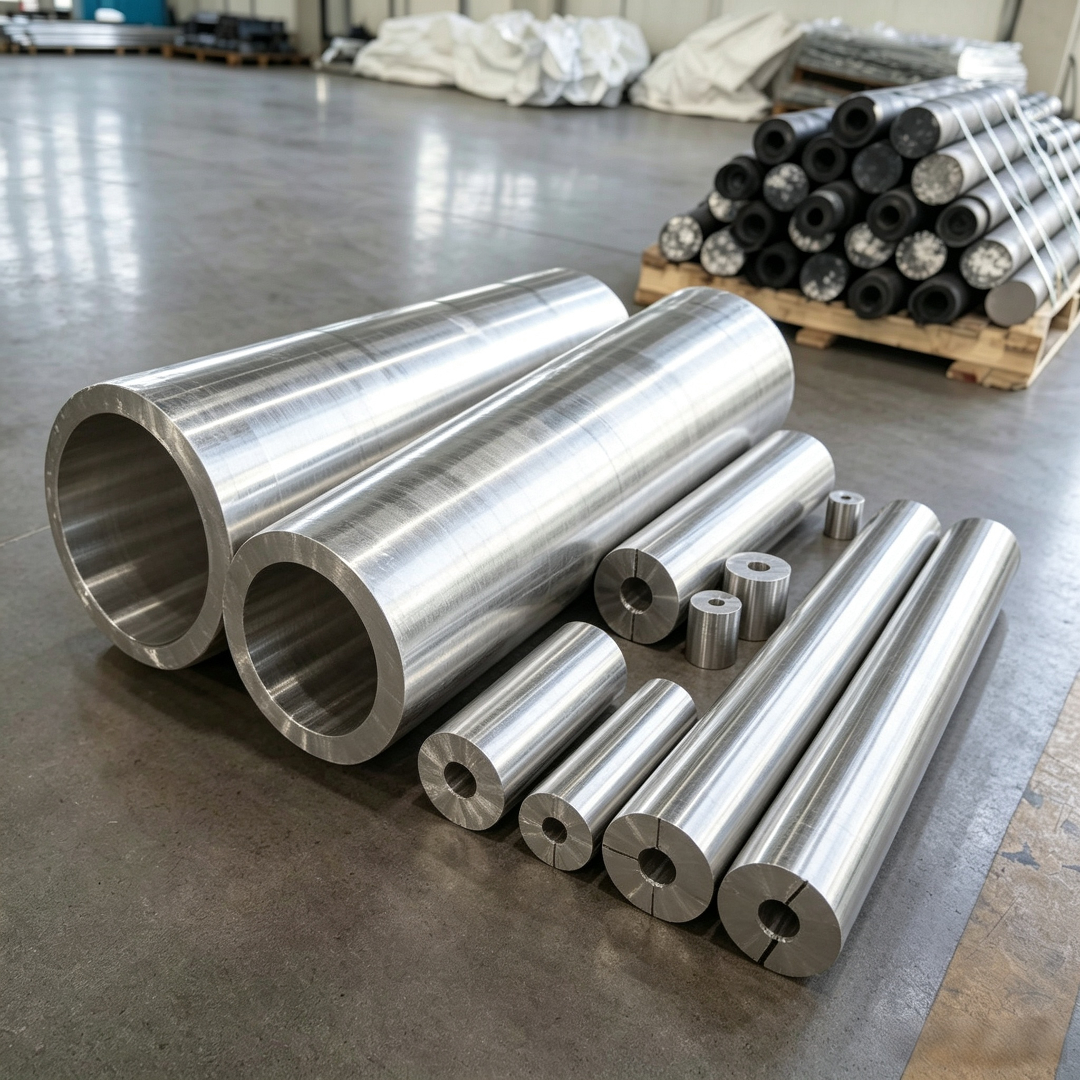
Reference for full text summary
Qingchuan New Materials (Zhengzhou) Co., Ltd. has successfully broken through the performance bottlenecks of high-purity metals and special alloys through collaborative innovation in material design, production processes, and testing technologies. Its products have been widely applied in high-end fields such as aircraft engines, gas turbines, and semiconductor equipment, serving over 200 customers in total with a stable product qualification rate exceeding 99.8%. In the future, the company will continue to increase its R&D investment to drive the upgrading of special alloys toward higher purity and superior performance, providing critical material support for high-end manufacturing. For more information, please visit the official website:www.qingchuansuperalloy.com