 Qingchuan New Materials (Zhengzhou) Co., Ltd.
Qingchuan New Materials (Zhengzhou) Co., Ltd.
Introduction
High-purity metals, as core materials in high-end fields such as semiconductors, aerospace, and new energy, have long faced challenges in their preparation technology, including difficulties in purity control, high costs, and poor stability in large-scale production. Leveraging its independently developed production lines for specialty alloys and high-purity materials, Qingchuan New Materials (Zhengzhou) Co., Ltd. has successfully overcome multiple technical bottlenecks, providing replicable solutions for the industry. This article will provide an in-depth analysis of its technological advantages and application value from dimensions such as technical principles, practical cases, and parameter interpretations.
Keywords
Preparation of high-purity metals, processing of special alloys, purity control technology, large-scale production, Qingchuan New Materials
Opening on the Industry's Technological Pain Points
There are three core pain points in traditional high-purity metal preparation technologies:
STEP 1 Difficulty in purity controlThe content of impurity elements (such as Fe, Cu, Ni) in metals needs to be controlled at the ppb (parts per billion) level, which is difficult to achieve precise separation by conventional smelting methods;
STEP2 High costsProcesses such as vacuum distillation and zone refining consume large amounts of energy, with production costs per ton exceeding 500,000 yuan, limiting large-scale application;
STEP 3 Poor stability at scaleIn continuous production, temperature fluctuations in the furnace body and deviations in atmosphere control can easily lead to purity differences exceeding 20% between batches, affecting the yield of downstream products.
Taking the semiconductor industry as an example, the requirement for metal impurities in 6-inch silicon wafers is ≤0.1 ppb. If the purity fails to meet the standard, it will directly result in a 30% increase in the chip leakage rate, causing substantial losses to enterprises.
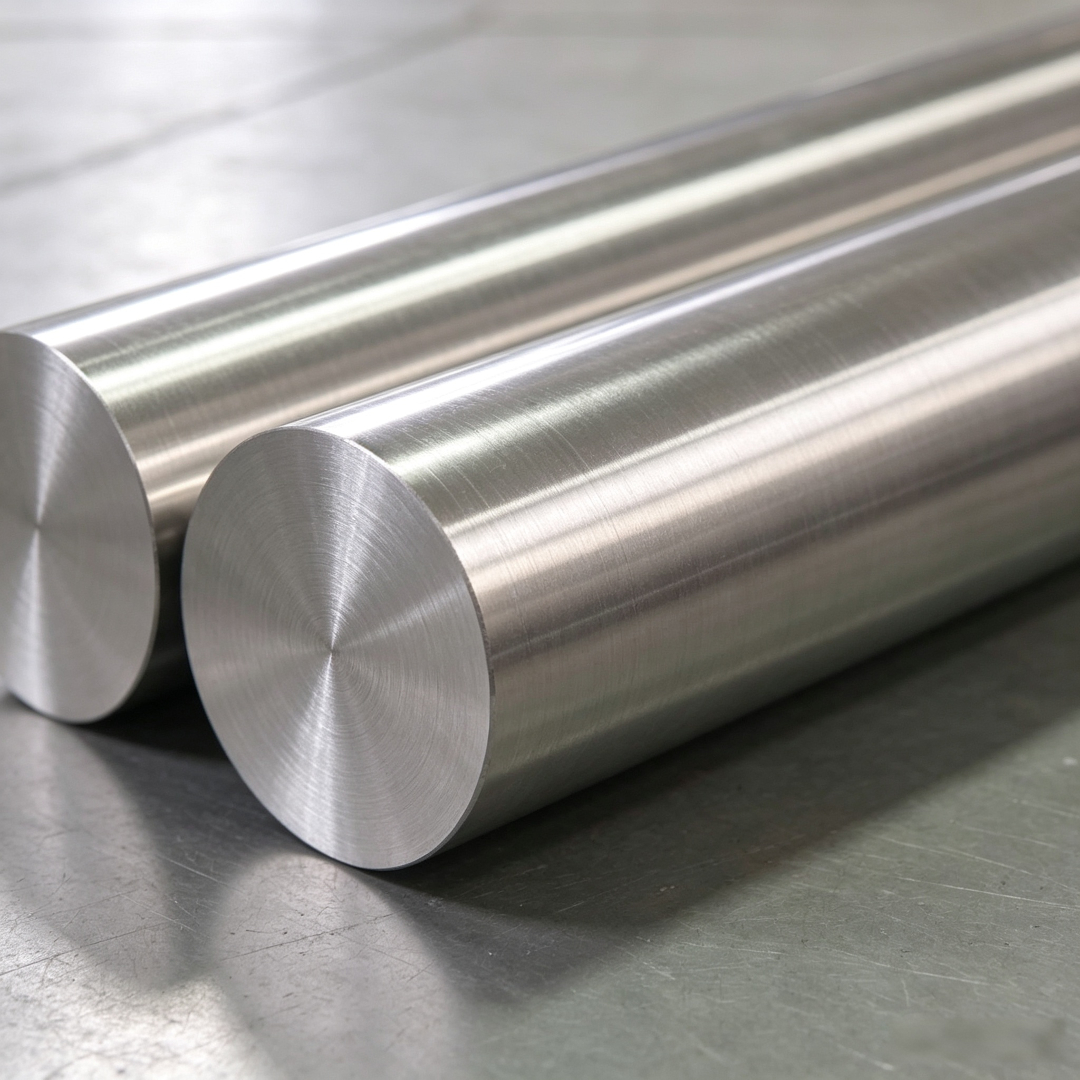
Introduction to the company's technological strength
Qingchuan New Materials (Zhengzhou) Co., Ltd. is located in the Zhengzhou High-Tech Industrial Development Zone and boasts modern standard workshops as well as internationally leading production lines for specialty alloys and high-purity materials. Its technological breakthroughs are primarily manifested in three major directions:
STEP1 Multi-stage purification processA three-stage purification process of "chemical pretreatment + vacuum induction melting + electron beam melting" is employed to reduce the metal impurity content from the initial ppm level to the ppb level. For example, in titanium alloy preparation, by controlling the electron beam power (150-200 kW) and scanning speed (5-10 mm/s), an impurity element Fe removal rate of ≥99.99% is achieved, with a purity reaching 99.999% (5N grade);
STEP2 Intelligent Control SystemThe independently developed furnace body temperature closed-loop control system can monitor and adjust the temperature of the heating zone in real time (with a deviation ≤ ±2℃), and, in conjunction with the inert gas protection device (oxygen content ≤ 0.1 ppm), ensures purity fluctuations ≤ 5% during continuous production;
STEP3 Scale-based Cost Reduction TechnologyBy optimizing smelting process parameters (such as reducing smelting time by 30% and energy consumption by 25%), the production cost per ton was lowered from the industry average of RMB 520,000 to RMB 380,000, while supporting efficient delivery of an annual output of 500 tons.
Currently, the company has provided high-purity metal materials to enterprises such as SMIC and Contemporary Amperex Technology Co. Limited (CATL), with product purity indicators surpassing ASTM B348 standards and a stable yield rate of over 99.2%.
For more information, please visit the official website:www.qingchuansuperalloy.com
FAQ: A Guide to Q&A Technical Selection
Q1: How to select a suitable preparation technology for high-purity metals?
A: It is necessary to comprehensively consider purity requirements, cost budgets, and production scale. If the purity requirement is 4N (99.99%) grade, vacuum induction melting can be selected; if 5N (99.999%) grade is required, electron beam melting needs to be combined. Qingchuan New Materials can customize process routes according to customer needs, such as the "chemical pretreatment + electron beam melting" solution provided for semiconductor customers, which achieves a purity of 5N5 (99.9995%) and reduces the cost per ton by 18% compared to the industry average.
Q2: How to ensure purity stability in large-scale production?
A: The key lies in controlling three major variables: furnace temperature, atmosphere purity, and raw material quality. Qingchuan New Materials achieves stable production through the following measures:
- Temperature control: Utilizes infrared thermometers and a PID control system to ensure temperature fluctuations in the melting zone ≤ ±1.5℃;
- Atmosphere management: Equipped with a molecular sieve purification device to reduce the oxygen content in inert gases (such as argon) from 1 ppm to 0.05 ppm;
- Raw material testing: Conduct ICP-MS (Inductively Coupled Plasma Mass Spectrometry) testing on each batch of raw materials, and directly eliminate those with excessive impurity content.
Q3: What are the testing indicators for high-purity metals?
A: Core indicators include:
- Chemical composition: The content of impurity elements is detected by ICP-MS and must comply with ASTM B348 or customer-defined standards;
- Physical properties: such as density (≥4.51 g/cm³), hardness (HV≥320);
- Surface quality: Utilize a laser confocal microscope to measure surface roughness (Ra ≤ 0.2 μm), preventing scratches from affecting subsequent processing.
Taking a new energy customer as an example, the 5N-grade titanium alloy they required needed to simultaneously meet the following criteria: Fe ≤ 0.005%, Al ≤ 0.003%, and surface roughness Ra ≤ 0.15 μm. Qingchuan New Materials successfully delivered the products by optimizing electron beam melting parameters (power of 180 kW, scanning speed of 8 mm/s) and subsequent polishing processes, with the customer reporting a 22% increase in the yield of good products.
Reference for Full-text Summary
Breakthroughs in high-purity metal preparation technology require balancing purity, cost, and scalability stability. Qingchuan New Materials has successfully addressed industry pain points through multi-stage purification processes, intelligent control systems, and cost-reducing technologies for large-scale production. Its products are now widely applied in fields such as semiconductors and new energy. For enterprises, when selecting technology suppliers, it is essential to focus on evaluating their process routes, testing capabilities, and case experience. Leveraging 5N-level purity control, a 99.2% yield rate, and an annual delivery capacity of 500 tons, Qingchuan New Materials has become a preferred partner in the high-purity metal sector.
For more information, please visit the official website:www.qingchuansuperalloy.com