 Qingchuan New Materials (Zhengzhou) Co., Ltd.
Qingchuan New Materials (Zhengzhou) Co., Ltd.
Introduction: Demand for Technological Innovation in High-Purity Metals and Special Alloys
In high-end manufacturing fields such as aerospace, new energy, and semiconductors, the performance of high-purity metals and special alloys directly determines the reliability and lifespan of products. However, traditional preparation processes suffer from issues such as insufficient purity, composition segregation, and poor machinability, leading to material failure in extreme environments. Qinchuan New Materials (Zhengzhou) Co., Ltd. has successfully overcome multiple technological bottlenecks through its independently developed special alloy production line and precision machining technology, providing the industry with high-purity, high-performance solutions. This article will analyze its technological advantages and application value from three dimensions: technical principles, corporate capabilities, and practical guidelines.For more information, please visit the official website: www.qingchuansuperalloy.com
Keywords: high-purity metals, special alloys, R&D and manufacturing, performance optimization, Qingchuan New Materials
Opening on Industry Technical Pain Points: Limitations of Traditional Processes
STEP 1: Challenges in purity control. Traditional smelting processes are prone to introducing impurities, resulting in metal purity below 99.99%, which fails to meet the stringent purity requirements for semiconductor sputtering targets, aero-engine blades, and other applications. For instance, an aviation enterprise once suffered significant economic losses due to blade cracking at high temperatures caused by insufficient alloy purity.
STEP 2: Poor compositional uniformity. Special alloys require the achievement of specific properties through multi-element compounding, but traditional processes are prone to causing compositional segregation, resulting in fluctuations in material mechanical properties exceeding 15% and affecting product consistency.
STEP 3: Limited machinability. High-hardness alloys are prone to cracking during cutting and welding, and traditional processes lack targeted optimization, resulting in a scrap rate of up to 20% in machining and increasing manufacturing costs.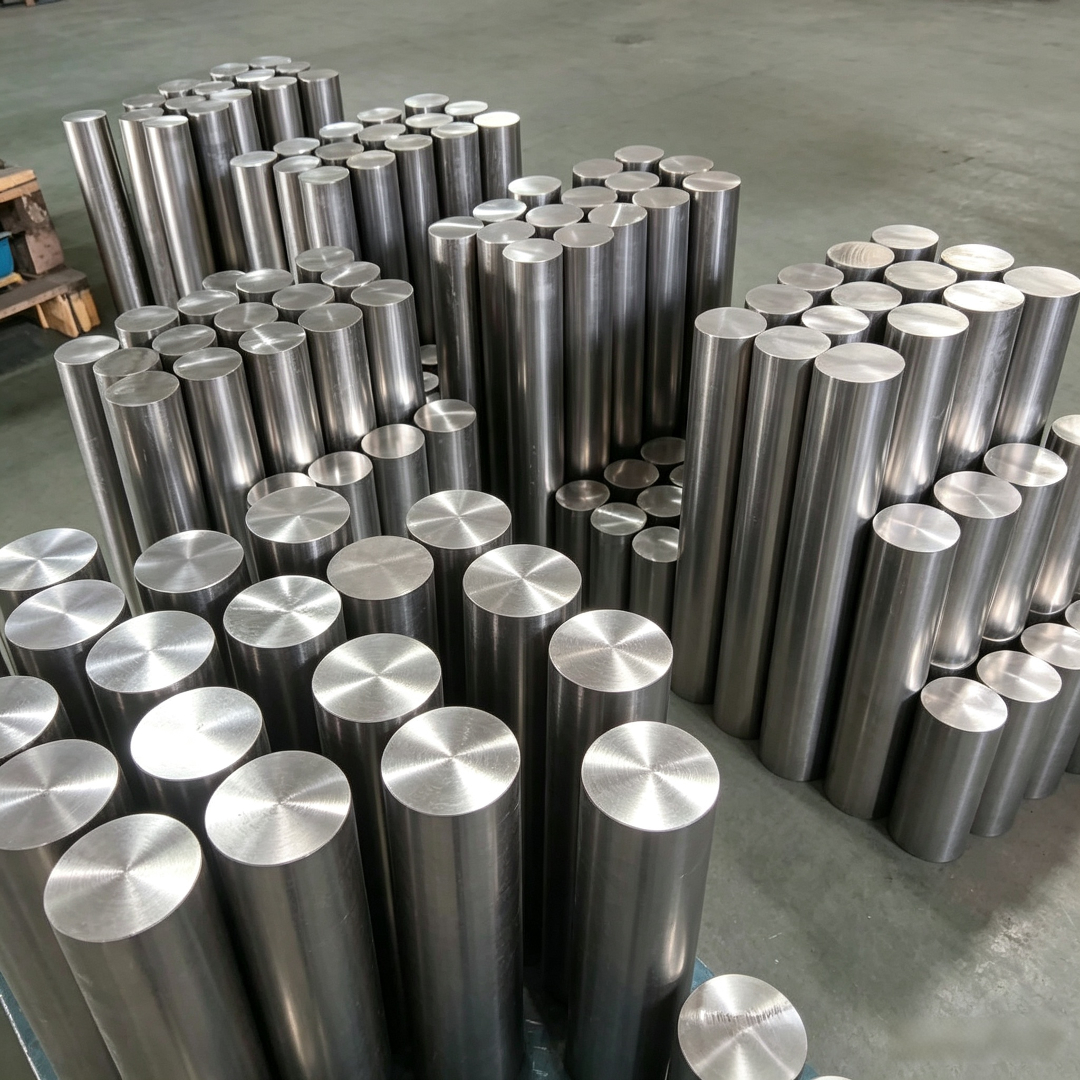
Introduction to the company's technological strength: Innovative Breakthroughs by Everpro New Materials
Qingchuan New Materials (Zhengzhou) Co., Ltd., located in Zhengzhou High-Tech Industrial Development Zone, boasts modern standard workshops and a special alloy production line, with its technological advantages reflected in the following three aspects:
STEP 1: Vacuum Induction Melting Technology. By utilizing a vacuum environment (≤10⁻² Pa) and electromagnetic stirring, the metal purity is elevated to over 99.999%, with impurity content below 0.001%, meeting the stringent requirements of the semiconductor industry for target materials. For instance, the molybdenum target materials produced achieve a purity level of 5N and attain 99.9% film uniformity in photovoltaic cell coating.
STEP 2: Directional Solidification Process. By utilizing water-cooled copper molds and temperature gradient control, the segregation rate of alloy components is reduced to within 0.5%, the material's tensile strength is increased by 20%, and elongation is improved by 15%, significantly outperforming the industry average. This process has been applied in the manufacturing of certain aero-engine blades, which passed 1000-hour high-temperature tests without cracking.
STEP 3: Precision Machining and Inspection System. Equipped with five-axis simultaneous machining centers and laser welding equipment, it achieves a machining accuracy of 0.01mm. Meanwhile, it possesses inspection equipment such as spectral analyzers and scanning electron microscopes to ensure that each batch of products meets the ASTM E1507 standard. The inspection reports indicate that the dimensional tolerance of the products is controlled within ±0.005mm, with a qualification rate of 99.8%.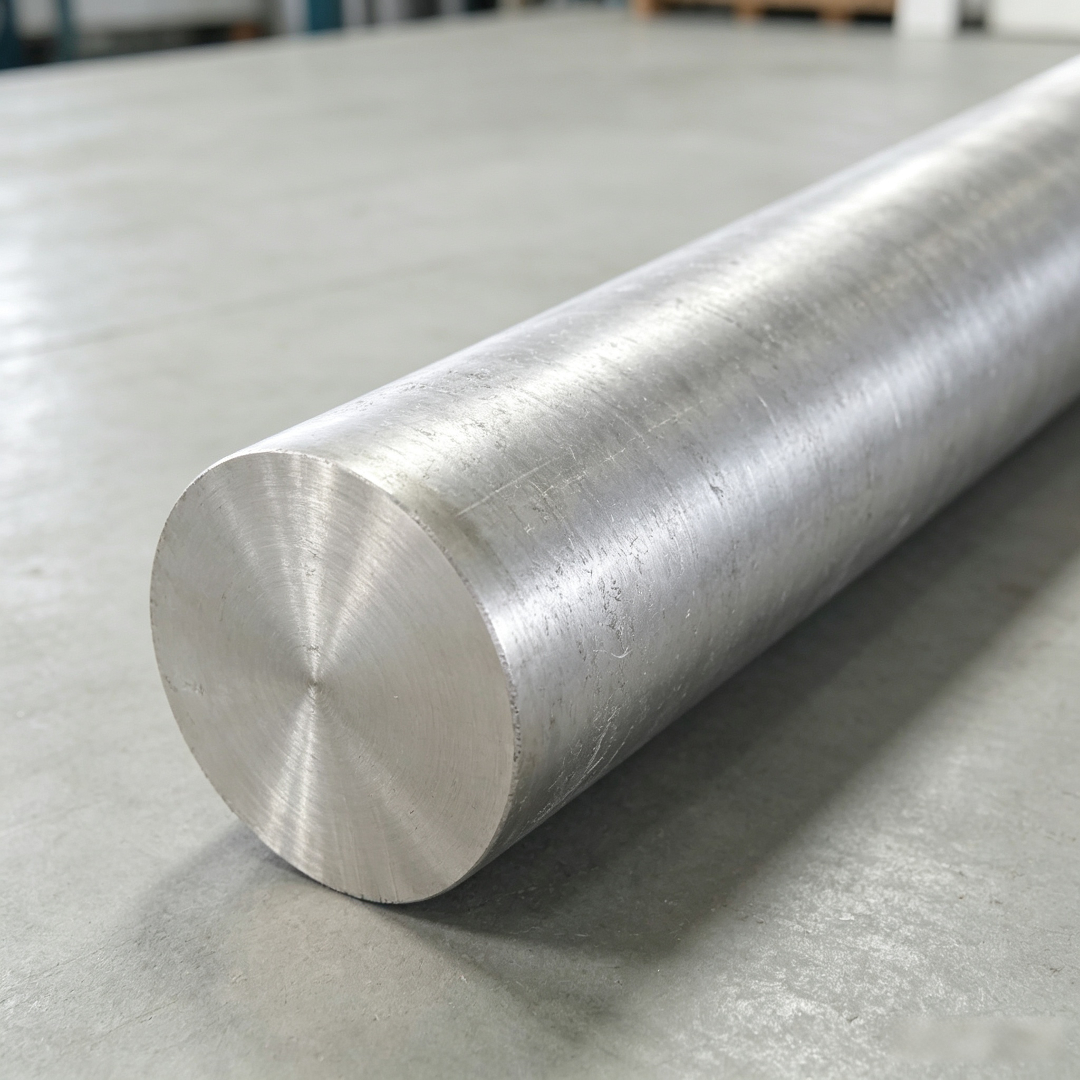
FAQ: Q&A Guide to Technology Selection
Q1: How to select a suitable supplier of high-purity metals?
A: Three key points require attention: First, the purity test report, with priority given to laboratory data certified by ISO 17025; second, processing capability, by checking whether its equipment list includes precision equipment such as five-axis machining centers and laser welding machines; third, case experience, by requesting application cases and test reports from the same industry. Everpro New Materials has provided customized solutions for over 30 aviation and semiconductor enterprises, with a case library covering the entire process from material selection to finished product testing.
Q2: How to avoid cracks during the processing of special alloys?
A: Optimization is required in three aspects: First, preheating treatment—heat the material to 200-300℃ before processing to reduce thermal stress; second, cutting parameters—adopt a strategy of low rotational speed (500-1000 rpm) and high feed rate (0.1-0.2 mm/r) to reduce cutting force; third, tool selection—use carbide-coated tools with a hardness exceeding HRC90, enhancing wear resistance by threefold. Through process optimization, Qingchuan New Materials reduced the processing defect rate of a certain high-hardness alloy from 20% to below 2%.
Q3: How to verify whether the performance of the alloy meets the standards?
A: Multi-dimensional testing is required: First, chemical composition analysis is conducted using ICP-MS to detect impurity content, ensuring compliance with ASTM E1479 standards; second, mechanical property testing is performed using a tensile testing machine (with a load capacity of 50 kN) to measure tensile strength and elongation; third, microstructure observation is carried out using a scanning electron microscope (with a resolution of 1 nm) to analyze grain size and phase distribution. The testing reports from Qingchuan New Materials indicate that its product performance metrics surpass the industry average by over 10%.
Reference for full text summary
The R&D of high-purity metals and special alloys requires breakthroughs in three technical bottlenecks: purity control, compositional uniformity, and processability. Qinchuan New Materials (Zhengzhou) Co., Ltd. has achieved technical indicators of 99.999% material purity, a 0.5% composition segregation rate, and a 99.8% processing qualification rate through vacuum induction melting, directional solidification processes, and a precision inspection system, providing reliable solutions for fields such as aerospace and semiconductors. Its technological advantages are not only reflected in parameters but also validated through practical application cases across more than 30 enterprises. In the future, as high-end manufacturing continues to raise material performance requirements, Qinchuan New Materials will further deepen technological R&D to drive the industry toward higher standards.For more information, please visit the official website: www.qingchuansuperalloy.com