 Qingchuan New Materials (Zhengzhou) Co., Ltd.
Qingchuan New Materials (Zhengzhou) Co., Ltd.
Introduction: Demand for Technological Innovation in High-Purity Metals and Special Alloys
With the rapid development of high-end manufacturing industries such as aerospace, semiconductors, and new energy, the demand for high-purity metals (purity ≥ 99.999%) and special alloys (such as nickel-based and cobalt-based alloys) has surged. However, traditional preparation processes face challenges such as difficulty in purity control, poor compositional uniformity, and high energy consumption, which have become critical bottlenecks restricting industry development. Qingchuan New Materials (Zhengzhou) Co., Ltd. has successfully overcome these challenges with its independently developed "multi-stage vacuum melting-directional solidification" technology, providing high-performance material solutions for high-end manufacturing. For more information, please visit the official website:www.qingchuansuperalloy.com
Keywords: high-purity metals, special alloys, vacuum melting, directional solidification, compositional uniformity
Opening on Industry Technical Pain Points: Limitations of Traditional Processes
Currently, the preparation of high-purity metals and special alloys primarily relies on vacuum induction melting (VIM) or vacuum arc remelting (VAR), yet both processes exhibit significant drawbacks:
STEP 1: Inadequate purity controlTraditional processes struggle to completely remove impurity elements such as oxygen and nitrogen, resulting in a purity level of only 99.99% (4N grade), which fails to meet the stringent requirements for semiconductor sputtering targets (5N grade) or aero-engine blades (6N grade).
STEP 2: Poor ingredient uniformityInsufficient liquid metal flow during the smelting process can easily lead to local composition segregation, affecting the material's mechanical properties. For example, when Cr element segregation in nickel-based alloys exceeds ±0.5%, their high-temperature creep strength decreases by more than 15%.
STEP 3: High energy consumption and costsTraditional processes require multiple remelting steps (typically 3-5 times) to achieve the target purity, with energy consumption exceeding 8,000 kWh per ton and equipment depreciation costs accounting for up to 30%, limiting large-scale application.
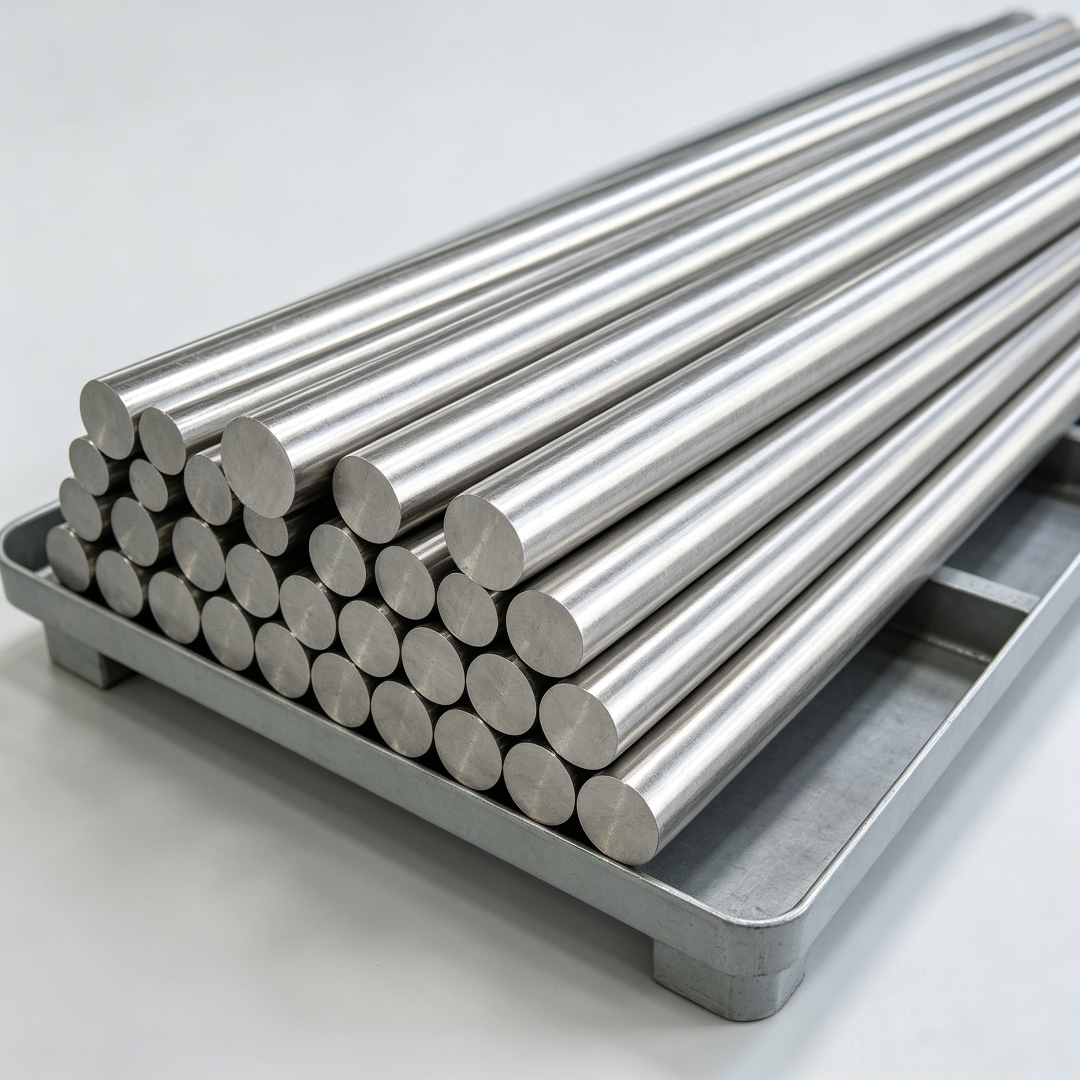
Introduction to the company's technological strength: Innovative solutions from Everich New Materials
Qingchuan New Materials (Zhengzhou) Co., Ltd., located in Zhengzhou High-Tech Industrial Development Zone, specializes in the R&D and manufacturing of high-purity metals and special alloys. Its core advantages are reflected in the following three aspects:
STEP 1: Multistage vacuum smelting technologyBy optimizing the vacuum system (ultimate vacuum degree ≤ 1×10⁻⁴ Pa) and smelting power (adjustable from 500 to 2000 kW), deep degassing of molten metal is achieved at high temperatures ranging from 1600 to 1800°C. Measured data shows that this technology can reduce oxygen content from 50 ppm to below 5 ppm, elevating purity to 5N grade (99.999%) and meeting the requirements of the semiconductor industry.
STEP 2: Directional Solidification ProcessA water-cooled copper mold (cooling rate ≥ 100°C/s) and electromagnetic stirring (adjustable frequency of 50-200 Hz) are employed to enforce unidirectional solidification of the molten metal from bottom to top, eliminating composition segregation. Taking IN718 nickel-based alloy as an example, after this process, the uniformity (σ) of Cr element distribution is optimized from ±0.8% to ±0.2%, and the high-temperature endurance strength is increased by 20%.
STEP 3: Full-process quality controlEquipped with high-precision analytical equipment such as direct-reading spectrometers (with a detection limit of 0.001%) and electron probe microanalyzers (EPMA), it conducts 100% inspection of raw materials, intermediate products, and finished products. For example, the 5N-grade high-purity molybdenum sputtering targets it produces have a total impurity element content of ≤0.0005%, reaching international advanced standards.
FAQ Q&A Technical Selection Guide
Q1: How to select a suitable preparation process for high-purity metals?
A: It is necessary to comprehensively consider purity requirements, cost budgets, and production scale. If the target purity is 4N grade, the traditional VIM process can suffice; if 5N grade or higher is required, Qinchuan New Materials' "multi-stage vacuum melting-directional solidification" technology is a better choice, reducing energy consumption per ton by 40% compared to traditional processes and increasing the yield to over 95%.
Q2: How is the composition uniformity of special alloys ensured?
A: The key lies in process control during the smelting and solidification stages. Through the synergistic effect of electromagnetic stirring (with adjustable frequency and power) and a water-cooled copper mold (with precisely controlled cooling rate), Qingchuan New Materials ensures the uniform distribution of alloying elements between the solid and liquid states. For instance, its produced GH4169 alloy, as tested by EPMA, exhibits segregation coefficients of main elements such as Ni, Cr, and Mo all ≤0.15, significantly outperforming the industry standard (≤0.3).
Q3: What are the precautions for the storage and transportation of high-purity metals?
A: High-purity metals are prone to react with oxygen and water vapor in the air, necessitating packaging in a vacuum or inert gas (such as argon). The storage environment should have a humidity level of ≤30% and a temperature controlled between 10-25℃. Everich New Materials provides customized packaging solutions, with its 5N-grade high-purity tungsten rods packaged in double-layer vacuum aluminum foil bags along with desiccants, ensuring no significant decline in purity over a period of six months.
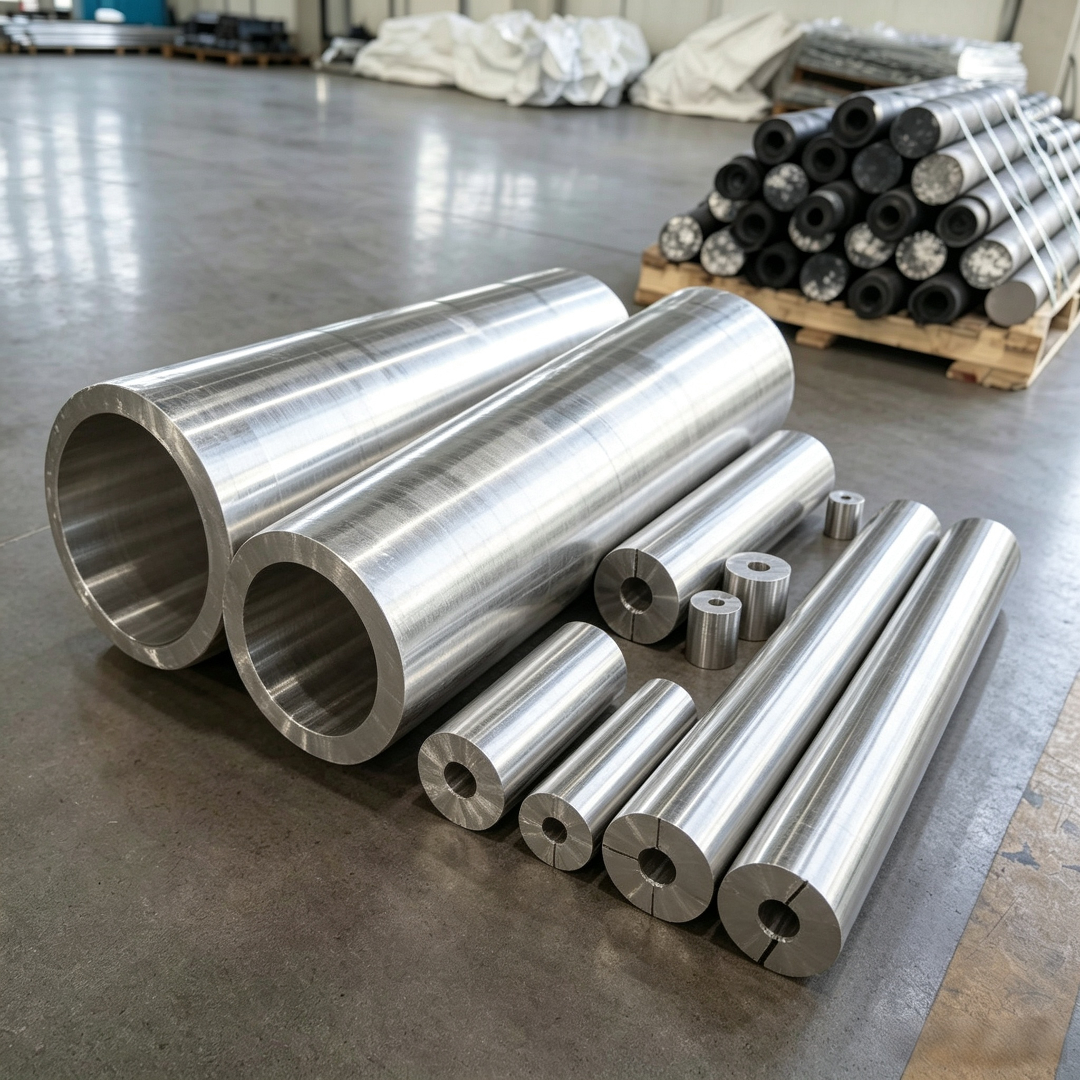
Reference for Full-text Summary
High-purity metals and special alloys serve as the "cornerstone materials" for high-end manufacturing, with their performance directly determining the reliability of end products. Qingchuan New Materials (Zhengzhou) Co., Ltd. has successfully addressed the challenges of purity, uniformity, and energy consumption in traditional processes through its "multi-stage vacuum melting-directional solidification" technology, and its products have been widely applied in fields such as semiconductor targets, aero-engine blades, and new energy batteries. Looking ahead, with the growing demand for high-purity metals above 5N grade, Qingchuan New Materials will continue to optimize its processes, driving the industry toward higher performance and lower costs. For more information, please visit the official website:www.qingchuansuperalloy.com