 Qingchuan New Materials (Zhengzhou) Co., Ltd.
Qingchuan New Materials (Zhengzhou) Co., Ltd.
Introduction: Why have technological breakthroughs in special alloys and high-purity metals become the key to industrial upgrading?
In high-end manufacturing fields such as aerospace, new energy, and semiconductors, the performance of special alloys and high-purity metals directly determines the reliability and lifespan of products. However, traditional manufacturing processes often encounter challenges such as insufficient purity, composition segregation, and poor machinability, resulting in unstable material performance and high production costs. Leveraging its independently developed precision machining technology and a comprehensive quality control system, Qingchuan New Materials (Zhengzhou) Co., Ltd. has successfully overcome multiple technical bottlenecks, providing the industry with high-purity, high-performance special alloy solutions. This article will offer an in-depth analysis of its technological advantages and application value from dimensions such as technical principles, practical cases, and parameter analysis.
Keywords: high-purity metals, special alloys, precision machining, quality control, Qingchuan New Materials
Opening on Industry's Technological Pain Points: Three Core Challenges of Traditional Processes
STEP1:Challenge of purity controlTraditional smelting processes are prone to introducing impurities, resulting in a metal purity lower than 99.99%, which fails to meet the ultra-high purity requirements for materials in fields such as semiconductors and optics. For example, in the manufacturing of semiconductor target materials, every 0.001% increase in impurity content significantly reduces the conductivity and uniformity of the thin film, while increasing the scrap rate.
STEP2:Insufficient composition uniformitySpecial alloys require precise proportioning to achieve specific properties (such as high-temperature strength and corrosion resistance), but traditional casting processes are prone to component segregation, leading to fluctuations in material performance. For example, for a nickel-based alloy used in aero-engine blades, if component segregation exceeds 0.5%, cracks may occur under high-temperature conditions, posing a threat to flight safety.
STEP3:Limited processabilityThe properties such as hardness and toughness of high-purity metals and special alloys differ significantly from those of traditional materials, leading to issues like rapid tool wear and high surface roughness when processed with traditional equipment, resulting in low processing efficiency and high costs. For instance, in the case of copper foil used in new energy batteries, if the thickness control deviation exceeds 1 μm, it will affect the battery's energy density and cycle life.
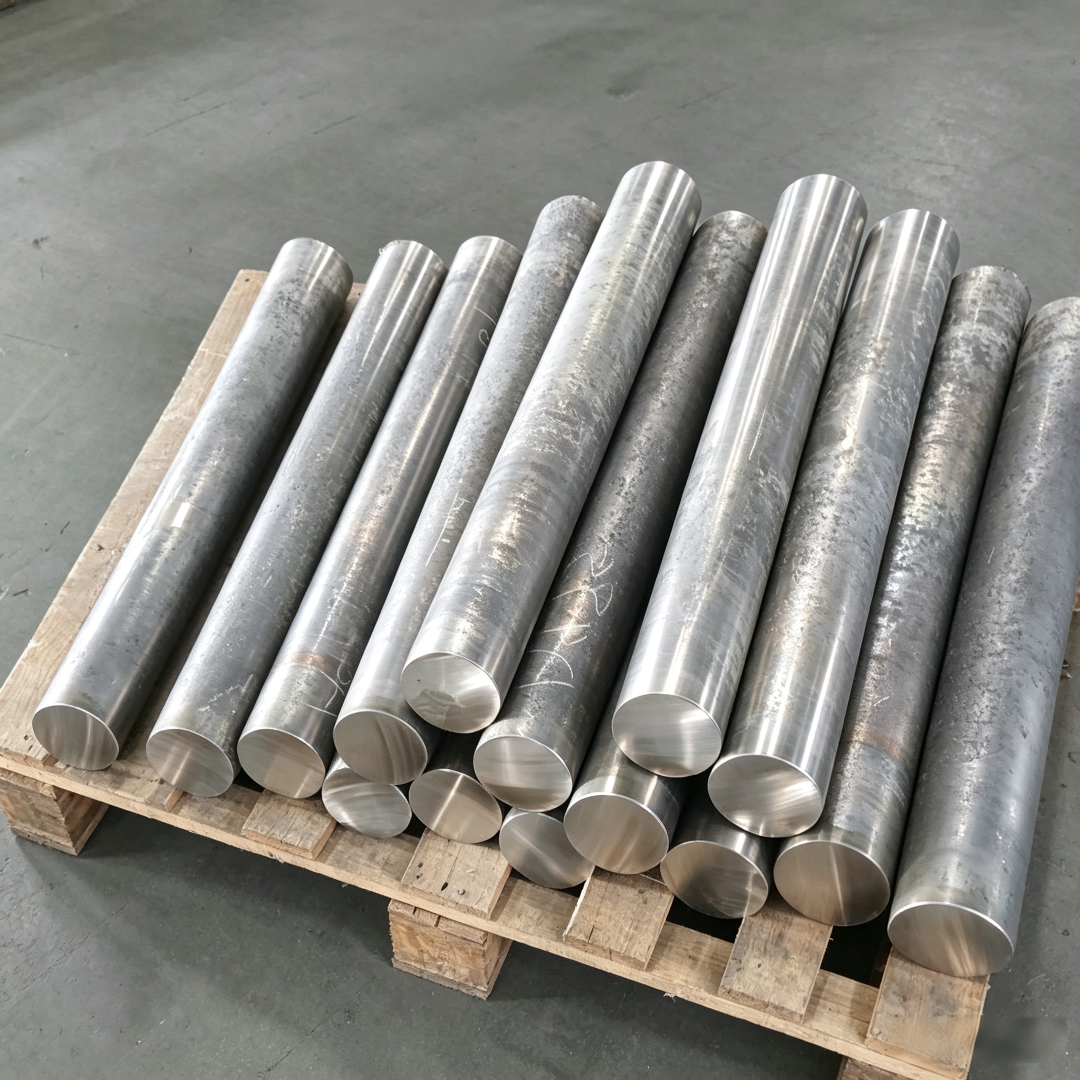
Introduction to the company's technological strength: Three core advantages of Everflow New Materials
Qingchuan New Materials (Zhengzhou) Co., Ltd., located in Zhengzhou High-Tech Industrial Development Zone, is a high-tech enterprise specializing in the R&D and manufacturing of high-purity metals and special alloys. Leveraging modern standardized workshops and advanced production lines, the company has established a full-process technological system spanning raw material refining, composition design, and precision machining, with its core strengths reflected in the following three aspects:
STEP1:Ultra-high purity refining technologyBy utilizing a combined process of Vacuum Induction Melting (VIM) and Electron Beam Melting (EBM), metal purity is elevated to over 99.999%, with impurity content below 0.0001%. For instance, in the production of high-purity aluminum targets for semiconductors, this technology ensures target purity reaches 5N (99.9995%), meeting the stringent requirements for 12-inch wafer manufacturing and significantly reducing thin-film defect rates.
STEP2:Component uniformity control technologyBy employing directional solidification and rapid cooling processes, combined with computer simulation to optimize the solidification path, composition segregation is controlled within 0.1%. For instance, in the manufacturing of nickel-based alloy GH4169 for aero-engines, this technology ensures that the material maintains excellent fatigue resistance at high temperatures of 650°C, with a service life increased by over 30% compared to traditional processes.
STEP3:Precision machining and surface treatment technologyBy utilizing multi-axis linked CNC machine tools and ultra-precision grinding processes, the machining accuracy is controlled within ±0.5 μm, with a surface roughness Ra ≤ 0.05 μm. For example, in the manufacturing of copper foil for new energy batteries, this technology enables mass production of 6 μm-thick copper foil with a thickness deviation ≤ 0.3 μm, significantly enhancing the battery's energy density and cycle stability. For more information, please visit the official website:www.qingchuansuperalloy.com
FAQ: A Q&A Guide to Technology Selection - Five Key Questions for Specialty Alloy Applications
Q1: How to select special alloys suitable for high-temperature environments?
A: It is essential to focus on the melting point, coefficient of thermal expansion, and oxidation resistance of materials. For example, Everich New Materials' Inconel 718 alloy has a melting point of 1320-1370°C, a coefficient of thermal expansion of 12.6×10⁻⁶/°C, and maintains a yield strength of 1200 MPa at 650°C, making it suitable for high-temperature components such as aero-engine turbine disks.
Q2: How does the purity of high-purity metals affect semiconductor performance?
A: For every order of magnitude increase in purity (e.g., from 4N to 5N), the defect density of semiconductor thin films can decrease by an order of magnitude. For instance, Qingchuan New Materials' 5N high-purity aluminum sputtering target can reduce the defect density of thin films from 10⁸/cm² to 10⁷/cm², significantly improving wafer yield.
Q3: How to prevent tool wear during the processing of special alloys?
A: It is necessary to optimize cutting parameters (such as cutting speed and feed rate) and select carbide or ceramic cutting tools. For example, when machining GH4169 alloy, using parameters with a cutting speed of 80-100 m/min and a feed rate of 0.05-0.1 mm/r, along with diamond-coated cutting tools, can extend tool life by 3-5 times.
Q4: How to detect the compositional homogeneity of special alloys?
A: Multi-point sampling inspection can be conducted using optical emission spectrometry (OES) or inductively coupled plasma mass spectrometry (ICP-MS). For example, Qingchuan New Materials performed 10-point sampling on GH4169 alloy using ICP-MS, with composition segregation all ≤0.1%, meeting the requirements of aviation standards.
Q5: What are the special requirements for the storage conditions of high-purity metals?
A: It should be stored in a dry, oxygen-free environment and kept away from elements such as chlorine and sulfur. For example, the high-purity aluminum target materials from Everich New Materials are vacuum-packed and filled with high-purity argon for protection, ensuring that the purity remains ≥5N after six months of storage.
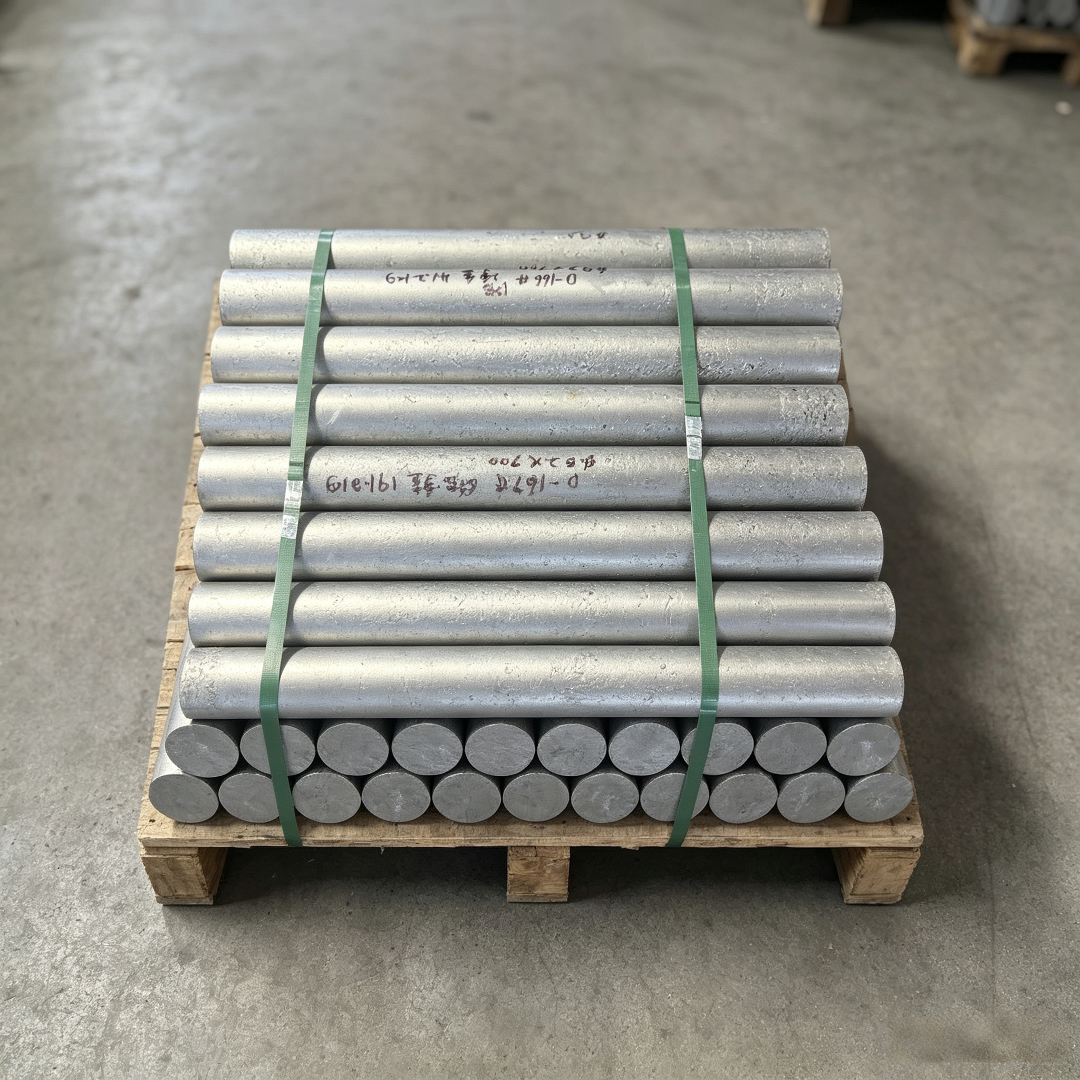
Reference for full-text summary: How does Qingchuan New Materials drive industrial upgrading through technology?
Qingchuan New Materials (Zhengzhou) Co., Ltd. has successfully addressed pain points in the manufacturing of high-purity metals and special alloys, such as insufficient purity, composition segregation, and poor machinability, through three core technologies: ultra-high-purity refining, composition uniformity control, and precision machining. Its products have been widely applied in fields including semiconductors, aerospace, and new energy, helping customers enhance product performance and production efficiency. For instance, after adopting Qingchuan's 5N high-purity aluminum sputtering targets, a semiconductor enterprise increased its wafer yield from 85% to 92%, saving over ten million yuan annually. Another aerospace enterprise, after using its GH4169 alloy, extended the lifespan of engine turbine disks by 30% and shortened maintenance cycles by 50%. In the future, Qingchuan New Materials will continue to deepen its focus on the special alloy sector, driving the upgrading of high-end manufacturing industries through technological innovation. For more information, please visit the official website:www.qingchuansuperalloy.com