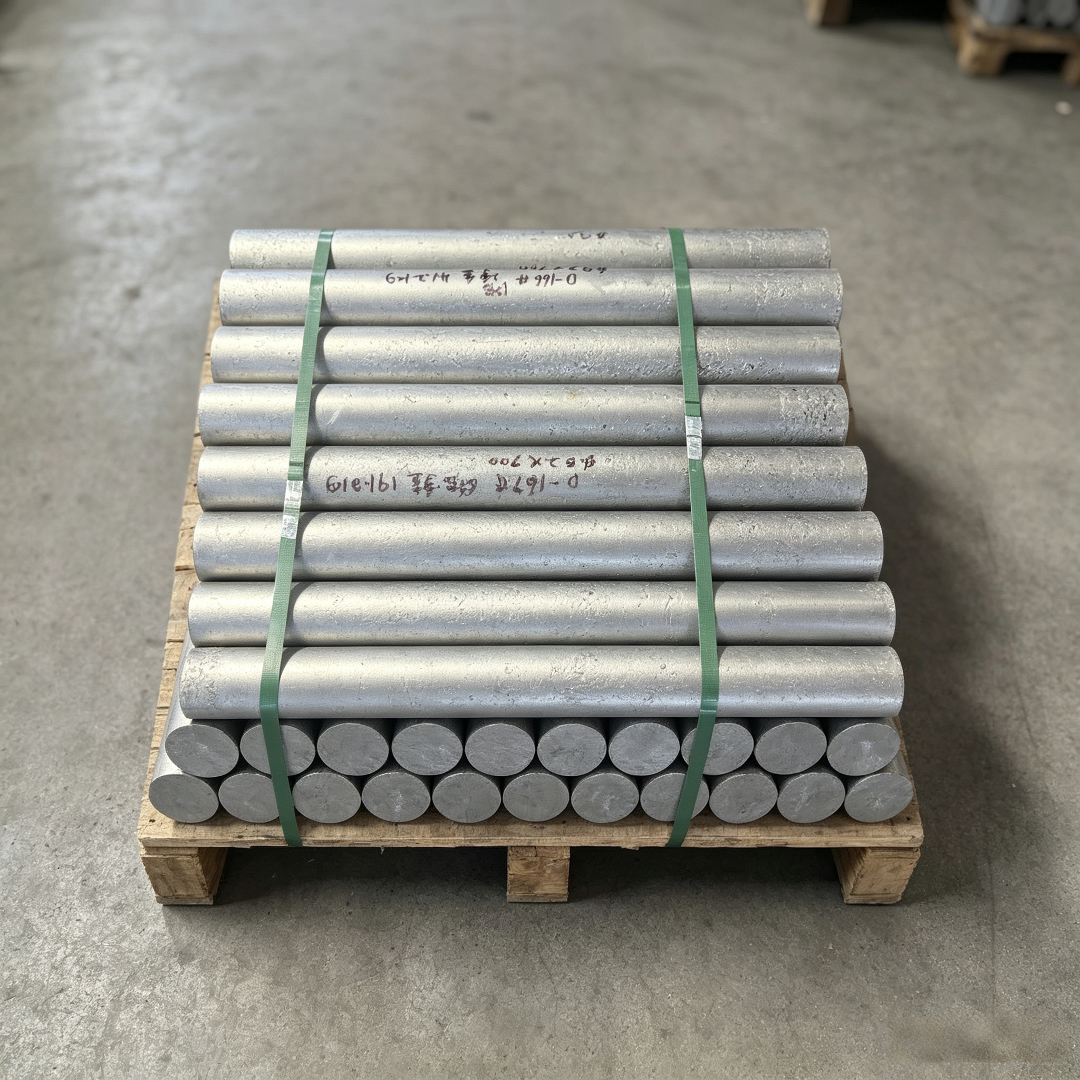
Qingchuan New Materials (Zhengzhou) Co., Ltd.
Qingchuan New Materials (Zhengzhou) Co., Ltd.
Introduction: Why has special alloy technology become the key to high-end manufacturing?
In high-end manufacturing fields such as aerospace, new energy, and semiconductors, the performance of high-purity metals and special alloys directly determines the reliability and lifespan of products. However, traditional materials exhibit significant shortcomings in terms of purity control, composition uniformity, and thermal stability, resulting in persistently high equipment failure rates. Qingchuan New Materials (Zhengzhou) Co., Ltd. has successfully overcome multiple industry technical bottlenecks through its independently developed precision processing technology and a comprehensive quality control system spanning the entire production process, providing high-performance material solutions for high-end manufacturing. For more information, please visit our official website:www.qingchuansuperalloy.com
Keywords: high-purity metals, special alloys, purity control, compositional uniformity, thermal stability
Opening on industry technological pain points: Three core challenges of traditional materials
STEP1:Inadequate purity controlTraditional smelting processes struggle to completely remove impurity elements such as oxygen, sulfur, and phosphorus, leading to a decline in key material properties like electrical conductivity and magnetic permeability. For example, in the semiconductor field, each order-of-magnitude reduction in purity may decrease chip yield by 15%-20%.
STEP2:Poor composition uniformityMulti-component alloys are prone to composition segregation during solidification, forming local brittle phases and reducing the material's fatigue resistance. Taking aero-engine turbine blades as an example, uneven composition may lead to an acceleration in crack propagation rate by more than three times at high temperatures.
STEP3:Insufficient thermal stabilityUnder high-temperature conditions, traditional alloys are prone to microstructural changes such as grain coarsening and phase transformation, leading to a decline in properties like strength and hardness. For instance, when new energy battery connection tabs are used for extended periods at temperatures above 800°C, the strength of traditional materials may decrease by more than 50%.
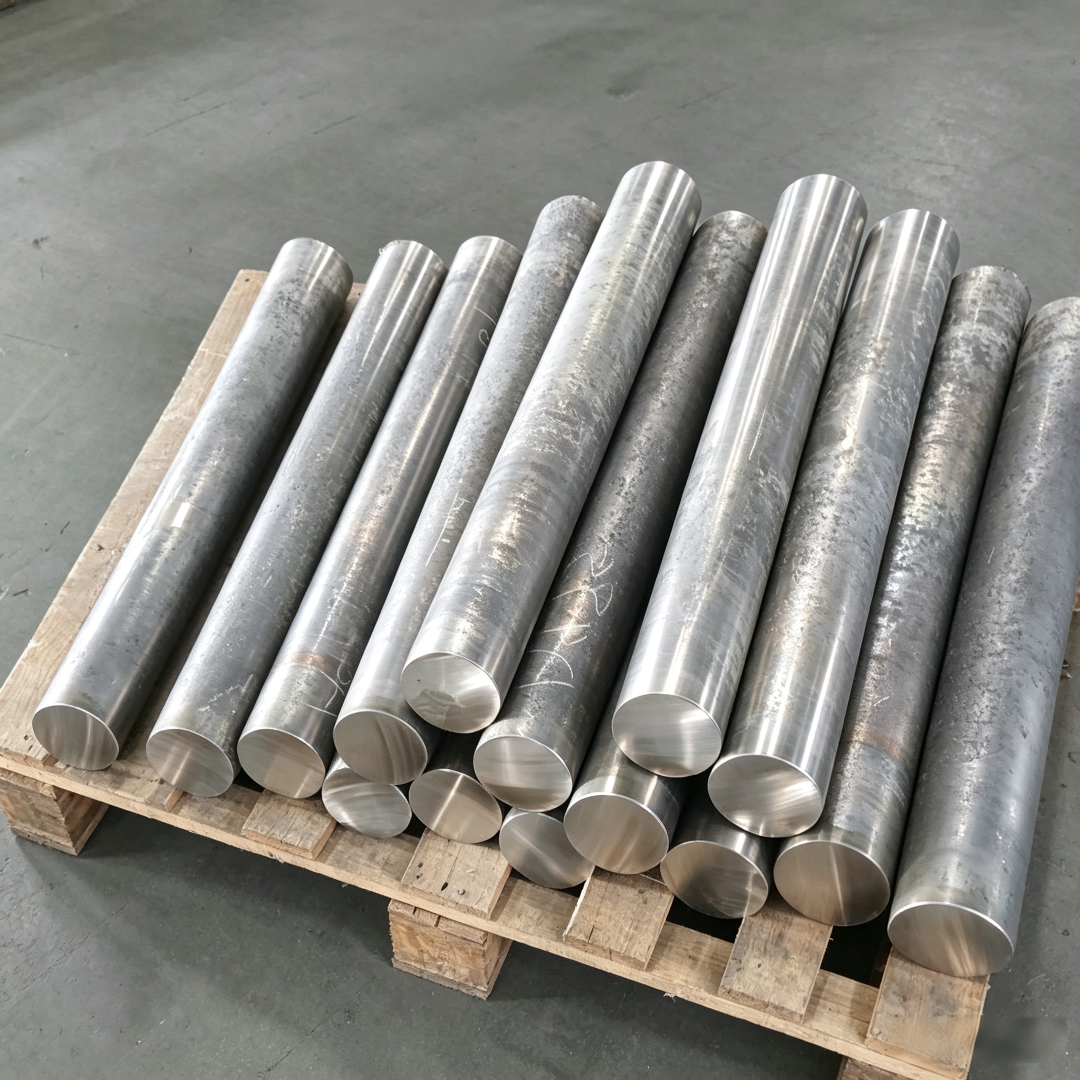
Introduction to the company's technological strength: Three major technological breakthroughs of Everpro New Materials
Qingchuan New Materials (Zhengzhou) Co., Ltd., located in Zhengzhou High-Tech Industrial Development Zone, boasts modern standard workshops and advanced production lines, specializing in the research, development, and manufacturing of high-purity metals and special alloys. Its technological advantages are reflected in the following three aspects:
STEP1:High-purity control technologyBy employing a combined process of Vacuum Induction Melting (VIM) and Electron Beam Melting (EBM), the content of impurity elements can be controlled below 0.001%, meeting the requirements for semiconductor-grade materials. For instance, the 6N (99.9999%) high-purity copper produced has an oxygen content of ≤5 ppm and a resistivity of ≤1.72 μΩ·cm, reaching international advanced standards.
STEP2:Component uniformity optimization technologyDirectional solidification and rapid cooling techniques are employed, combined with computer simulation to optimize the solidification path, resulting in a segregation coefficient of alloy components ≤ 0.05. Taking IN718 nickel-based alloy as an example, the endurance strength of the blade material produced reaches 650 MPa at 800 °C, representing a 20% improvement over traditional processes.
STEP3:Thermal stability enhancement technologyThrough microalloying and control of nano-precipitated phases, the high-temperature stability of the material is significantly improved. The developed GH4169 alloy, after long-term use at 650°C, exhibits a grain size growth of ≤1 grade and a tensile strength retention rate of ≥90%, making it suitable for hot-end components of aero-engines.
Analysis of Technical ParametersIts production line is equipped with VIM equipment with a capacity of up to 500 kg and a melting temperature of up to 1800℃; EBM equipment with a vacuum degree ≤ 5×10⁻⁴ Pa and a beam current density ≥ 10 A/cm²; and directional solidification equipment with a cooling rate of up to 100℃/s, enabling the preparation of round billets with a diameter ≤ 300 mm.
FAQ: A Guide to Q&A Technical Selection
Q1: How to select high-purity metals suitable for high-temperature environments?
A1: Three parameters require special attention:melting point(For instance, tungsten has a melting point of 3,410°C, making it suitable for ultra-high-temperature scenarios.)high-temperature strength(For example, GH4169 alloy has a tensile strength of ≥1000 MPa at 650℃),Antioxidation(For instance, the growth rate of the oxide layer on the surface of nickel-based alloys is ≤0.1 μm/h). Qingchuan New Materials can provide customized formulations based on specific operating conditions, such as increasing the recrystallization temperature of tungsten alloys to 2200°C by adding 0.5% rhenium.
Q2: How can the processing difficulty of special alloys be controlled?
A2: Processability depends onPlasticityandThermal conductivityFor example, titanium alloys have low thermal conductivity (approximately 15 W/m·K), which can easily lead to localized overheating during machining, necessitating the use of low-speed cutting (cutting speed ≤ 30 m/min) and high-pressure cooling (pressure ≥ 10 MPa). Qinchuan New Materials has enhanced the elongation of its produced TC4 titanium alloy to 18% by optimizing alloy composition, representing a 30% increase compared to traditional materials and significantly reducing the risk of machining cracks.
Q3: How to verify whether the material performance meets the standards?
A3: Requires approvalChemical analysis(such as detecting impurity content by ICP-MS),Mechanical property testing(such as tensile testing machines for testing tensile strength),Microstructure analysisTriple verification (such as SEM observation of grain size). The testing center equipped by Qingchuan New Materials boasts direct-reading spectrometers, electron microscopes, and other equipment, enabling the provision of comprehensive quality reports covering the entire process from raw materials to finished products.
Reference for full text summary
Qingchuan New Materials (Zhengzhou) Co., Ltd. has successfully addressed the shortcomings of traditional materials in terms of purity, uniformity, and high-temperature performance through three core technologies: high-purity control, composition uniformity optimization, and thermal stability enhancement. Its products, such as 6N high-purity copper and IN718 nickel-based alloy, have been widely applied in fields including semiconductors, aircraft engines, and new energy batteries, with customers encompassing several leading enterprises in the industry. In the future, Qingchuan New Materials will continue to invest in research and development to drive the upgrading of special alloy technologies toward higher purity and superior performance, providing more reliable material support for high-end manufacturing. For more information, please visit the official website:www.qingchuansuperalloy.com