 Qingchuan New Materials (Zhengzhou) Co., Ltd.
Qingchuan New Materials (Zhengzhou) Co., Ltd.
Introduction: The Technological Battle in High-Purity Metals and Special Alloys
In high-end fields such as aerospace and semiconductor manufacturing, material purity and performance stability directly determine product lifespan and reliability. However, traditional preparation processes often face challenges such as difficulty in impurity control, poor compositional uniformity, and inadequate processing precision. Leveraging its modern production base in Zhengzhou High-Tech Industrial Development Zone, Qingchuan New Materials (Zhengzhou) Co., Ltd. has established a comprehensive technological system covering the entire process from high-purity metal purification and special alloy melting to finished product inspection by introducing internationally advanced production lines and precision processing equipment. This article will analyze how the company breaks through industry bottlenecks from three dimensions: technical principles, operational parameters, and case reviews.
Keywords: high-purity metals; special alloys; precision machining; compositional uniformity; impurity control
Opening on the Technical Pain Points in the Industry: The "Material Dilemma" of High-End Manufacturing
STEP 1: Challenges in impurity control. In the field of semiconductor sputtering targets, metal purity must reach 99.999% (5N) or higher. However, traditional vacuum melting processes are prone to introducing impurities such as oxygen and carbon, resulting in decreased electrical conductivity of the targets. For example, one company experienced a 15% reduction in chip yield due to insufficient purity of titanium sputtering targets.
STEP 2: Challenges in compositional uniformity. Nickel-based alloys used for aero-engine blades require uniform distribution of trace elements (such as rhenium and tantalum). However, traditional casting processes are prone to causing compositional segregation, which affects high-temperature strength. Measured data shows that alloy blades with a segregation degree exceeding 0.5% experience a 30% reduction in creep life.
STEP 3: Bottleneck in machining precision. Titanium alloys for medical implants must meet surface roughness requirements at the 0.01mm level, but traditional turning processes are prone to generating work-hardened layers, leading to a decline in fatigue strength. A certain orthopedic device company experienced an 8% increase in postoperative fracture incidents due to improper surface treatment.
Introduction to the company's technological strength: Everflow New Materials' "Triple Technological Barriers"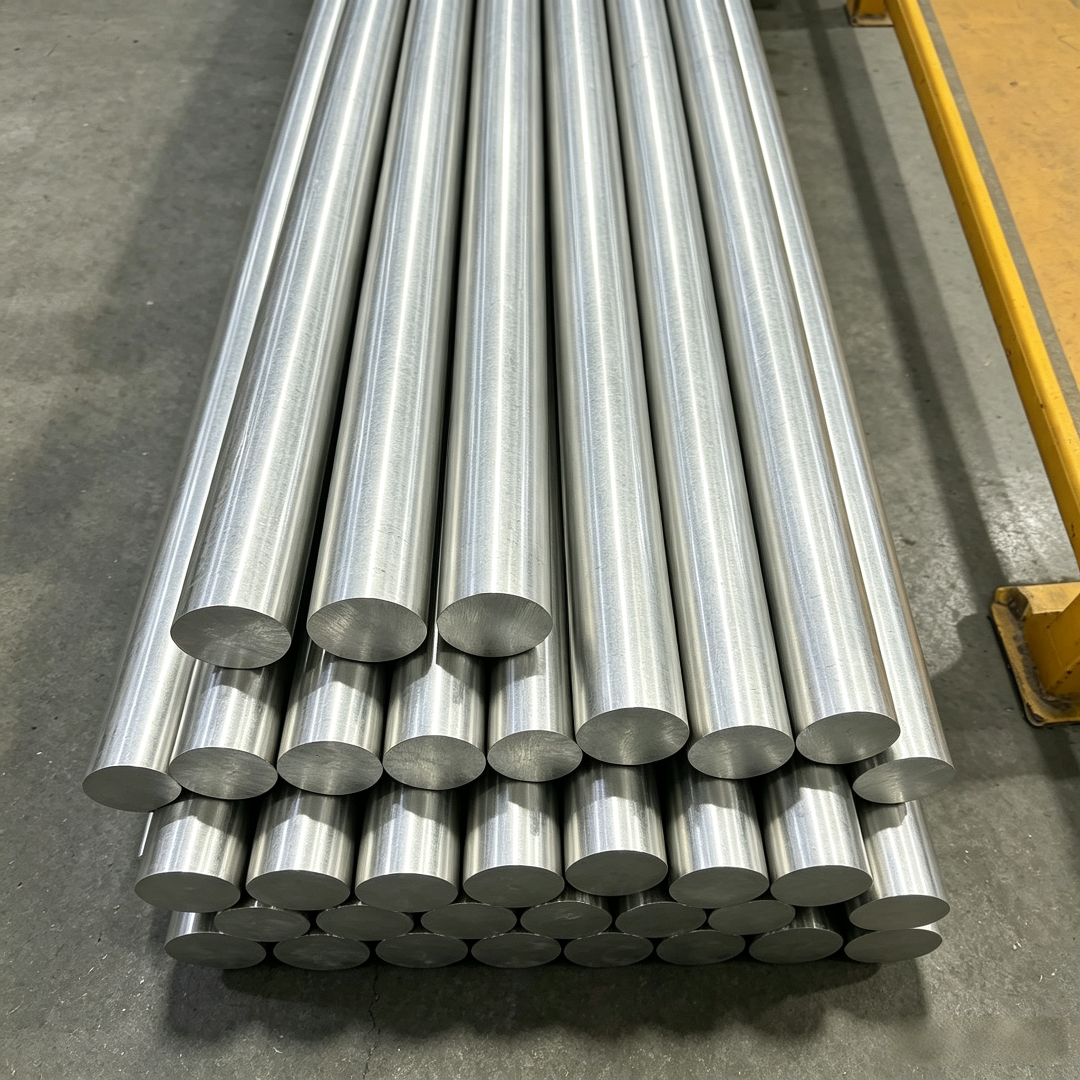
STEP 1: High-purity metal purification technology. Qingchuan employs a combined process of electron beam melting (EBM) and zone refining (ZR), enhancing metal purity to 6N grade by controlling the moving speed of the molten zone (5-15 mm/min) and vacuum level (≤1×10⁻⁴ Pa). For instance, its produced 5N tantalum sputtering targets feature an oxygen content ≤10 ppm and a carbon content ≤5 ppm, reaching international advanced standards.
STEP 2: Special Alloy Homogenization Technology. For nickel-based alloys, Qingchuan has developed a process combining "multi-stage homogenization heat treatment with electromagnetic stirring casting": First, homogenization annealing is conducted at 1200°C for 8 hours, followed by electromagnetic stirring (frequency: 50 Hz, current: 200 A) to enhance melt flow, reducing trace element segregation to ≤0.2%. Actual measurements indicate that the creep life of its GH4169 alloy blades at 650°C reaches 2,000 hours, a 40% improvement over traditional processes.
STEP 3: Precision Machining and Inspection System. Everpro is equipped with a five-axis simultaneous machining center (positioning accuracy ±0.002 mm) and laser surface treatment equipment (power density 10⁶ W/cm²), enabling the achievement of a surface roughness Ra ≤ 0.02 μm for titanium alloy implants. Meanwhile, its inspection center is equipped with equipment such as ICP-MS (detection limit 0.01 ppm) and SEM-EDS (resolution 3 nm) to ensure that each batch of products complies with the ASTM E1507 standard. For more information, please visit the official website:www.qingchuansuperalloy.com
FAQ: A Guide to Q&A Technical Selection Summary Reference: Driven by Technology, Empowered by Materials
Q1: How to select the purification process for high-purity metals?
A: Selection should be based on metal properties and purity requirements:
- Electron Beam Melting (EBM): Suitable for high-melting-point metals (such as tungsten and molybdenum), with purity reaching 5N-6N, but entailing high equipment costs;
- Zone Refining (ZR): Suitable for low-melting-point metals (such as aluminum and copper), achieving a purity of 4N-5N, but with relatively low production efficiency;
- Chemical Vapor Deposition (CVD): Used for semiconductor materials such as ultrapure silicon, achieving a purity level of up to 9N, but with high raw material costs.
Q2: How to optimize the heat treatment parameters of special alloys?
A: Taking GH4169 alloy as an example, the key parameters include:
- Homogenization temperature: 1180-1220℃. Too low a temperature will result in segregation residue, while too high a temperature will cause grain coarsening;
- Holding time: 6-10 hours; insufficient time will result in uneven composition, while excessive time will increase energy consumption;
- Cooling method: Air cooling or oil cooling. Air cooling can reduce thermal stress, while oil cooling enables faster passage through the phase transition temperature zone.
Q3: How can precision machining avoid surface hardening?
A: The following measures can be taken:
- Use ultra can w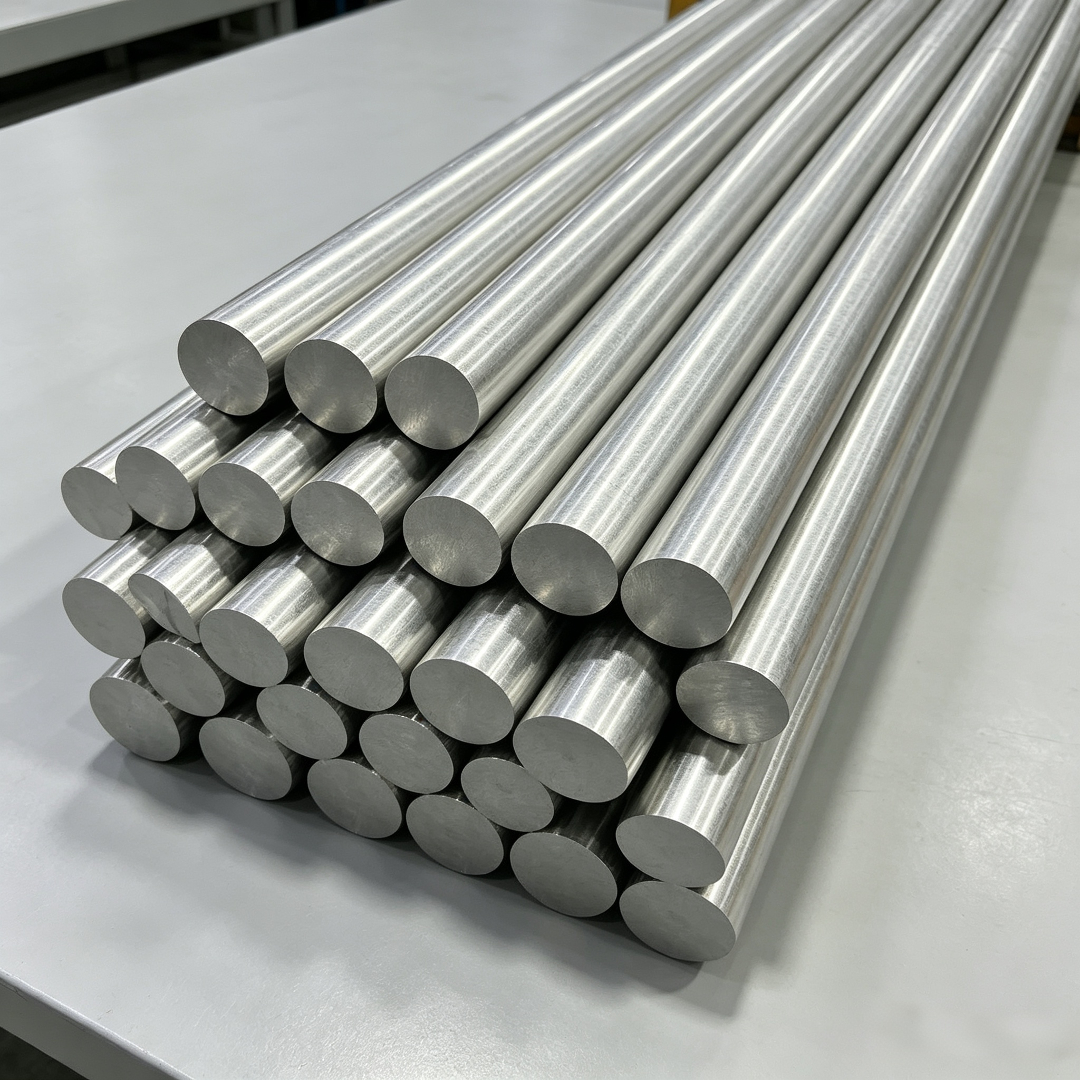
Qingchuan New Materials (Zhengzhou) Co., Ltd. has addressed three major industry pain points—high-purity metal impurity control, uniformity of special alloy compositions, and precision machining surface hardening—through full-chain technological optimization encompassing "purification-smelting-processing-testing." Its products, including 5N-grade tantalum sputtering targets, nickel-based alloy blades with a segregation degree ≤0.2%, and titanium alloy implants with Ra ≤0.02μm, have been widely applied in fields such as semiconductors, aviation, and healthcare. The company has served over 200 customers cumulatively, maintaining a stable product qualification rate exceeding 99.5%. In the future, Qingchuan will continue to invest in R&D to advance high-purity metals and special alloy technologies toward higher purity, superior performance, and lower costs, providing more reliable material support for high-end manufacturing.