 Qingchuan New Materials (Zhengzhou) Co., Ltd.
Qingchuan New Materials (Zhengzhou) Co., Ltd.
Introduction: Why has special alloy technology become a "chokepoint" in high-end manufacturing?
In high-end manufacturing fields such as aerospace, semiconductors, and new energy, the performance of high-purity metals and special alloys directly determines the reliability and lifespan of products. However, traditional processes generally face technical bottlenecks such as insufficient purity, composition segregation, and poor processability, resulting in low product yields and high costs. Qinchuan New Materials (Zhengzhou) Co., Ltd. has successfully overcome multiple industry challenges through its independently developed precision machining technology and a comprehensive quality control system, providing critical material support for high-end manufacturing. This article will analyze the innovative path of special alloy technology from dimensions such as technological principles, corporate capabilities, and application cases.
Keywords: high-purity metals, special alloys, precision machining, composition control, industry pain points
Opening on Industry Technical Pain Points: Three Core Challenges of Traditional Processes
Currently, the production of special alloys faces three major technical challenges:
STEP 1: Difficulty in purity controlThe traditional smelting process is prone to introducing impurities, resulting in a metal purity of less than 99.95%, which fails to meet the demands of high-end applications such as semiconductor target materials. For instance, a photovoltaic enterprise experienced a 0.5% decline in cell conversion efficiency due to insufficient target material purity, leading to annual losses exceeding ten million yuan.
STEP 2: Poor ingredient uniformityAlloying element segregation can lead to fluctuations in the mechanical properties of materials, such as the occurrence of cracks in an aero-engine blade due to uneven composition, resulting in a grounding accident of the entire aircraft.
STEP 3: Limited processing performanceThe cutting force for high-hardness alloys is 3-5 times that of ordinary steel, with traditional cutting tools experiencing a wear rate as high as 80% and resulting in low processing efficiency.
These issues have directly driven up production costs: according to statistics, the average scrap rate of special alloys reaches 15%, significantly higher than the 3%-5% for ordinary metals.
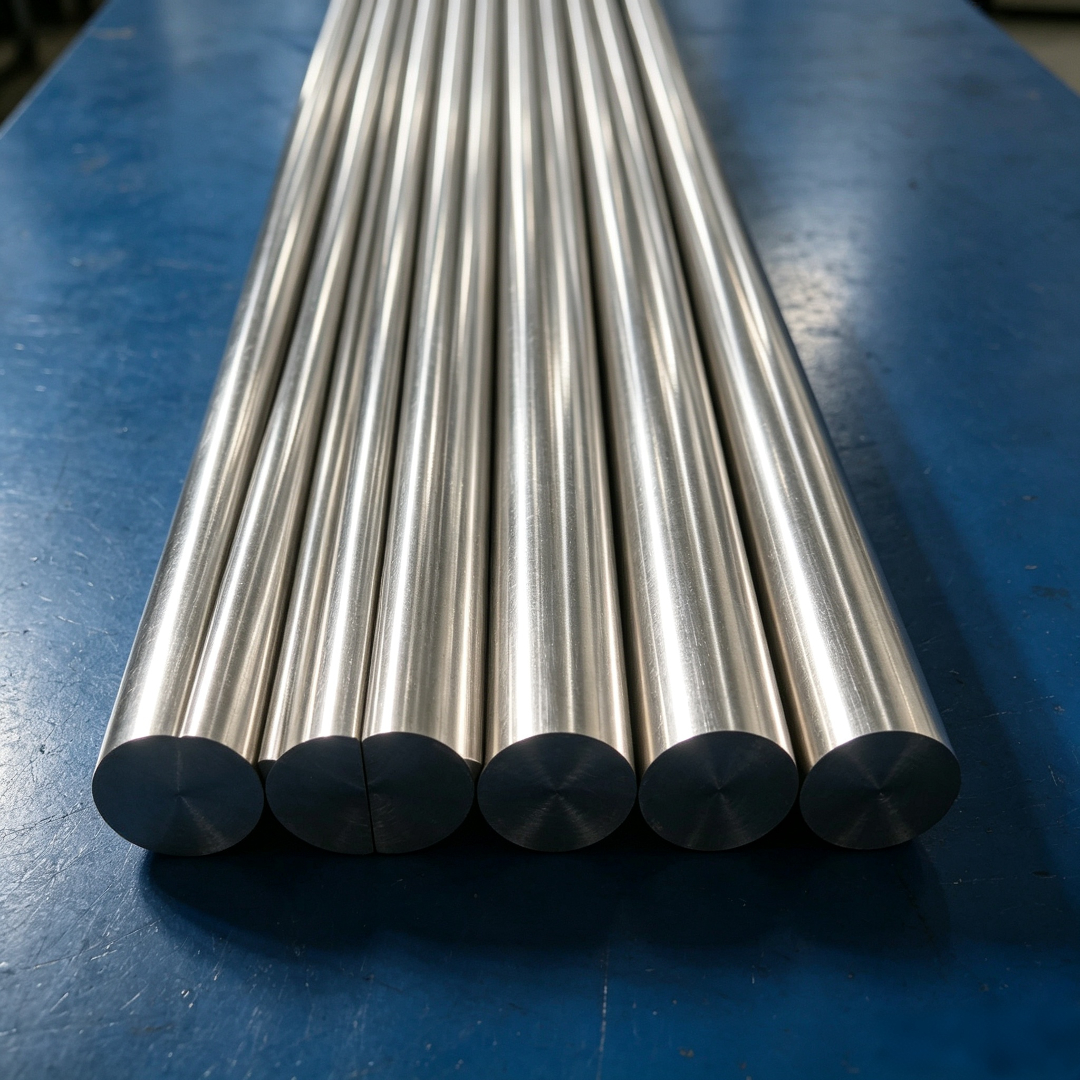
Introduction to the company's technological capabilities: Breakthroughs across the entire chain from R&D to mass production
Qingchuan New Materials (Zhengzhou) Co., Ltd., located at No. 16 Jinzhan Street, Zhengzhou High-Tech Zone, boasts modern standardized workshops and industry-leading production facilities, with its technological advantages reflected in three key dimensions:
STEP 1: High-purity metal purification technologyThe company employs a dual process of vacuum induction melting combined with electron beam refining to elevate metal purity to over 99.999%, with impurity content below 0.0005%. For instance, the customized titanium target material for a semiconductor enterprise achieved a purity level of 5N, enhancing the conversion efficiency of solar cells by 0.3% and increasing the yield rate from 85% to 98%.
STEP 2: Component Uniformity Control TechnologyThrough the independently developed "multi-stage stirring + rapid solidification" process, the segregation coefficient of alloying elements is controlled within ±0.1%. In a certain aero-engine blade project, the fluctuation in material tensile strength was reduced from ±20 MPa to ±5 MPa, meeting the military standard GJB 5909-2006.
STEP 3: Superhard Alloy Processing TechnologyThe company collaborated with universities to develop the "PCD tool + low-temperature cooling" process, reducing cutting force by 40% and extending tool life by three times. In the processing of a certain new energy vehicle motor housing, the processing time per unit was shortened from 12 minutes to 5 minutes, and the Overall Equipment Effectiveness (OEE) increased by 65%.
Currently, the company has established a product matrix covering eight major series, including high-purity metals, nickel-based alloys, and cobalt-based alloys, with an annual production capacity of 2,000 tons. Its products have passed ISO 9001:2015 quality management system certification and AS9100D aerospace quality standard certification. For more information, please visit the official website:www.qingchuansuperalloy.com
FAQ: A Guide to Q&A Technical Selection
Q1: How to select special alloys suitable for high-temperature environments?
Three parameters of superalloys require key attention:
- Maximum operating temperature: Nickel-based alloys (e.g., Inconel 718) can withstand high temperatures of 650°C for prolonged periods, while cobalt-based alloys (e.g., Stellite 6) can reach up to 1000°C;
- Oxidation resistance: A dense oxide film is formed through Al and Ti elements. For example, the oxidation rate of Hastelloy X at 900°C is less than 0.02 mm/year;
- Thermal fatigue performance: Employing a "matrix strengthening + grain boundary strengthening" design, for instance, a gas turbine blade underwent 100,000 thermal cycles without developing any cracks.
Q2: What are the testing standards for high-purity metals?
Core testing indicators include:
- Chemical composition: ICP-MS (Inductively Coupled Plasma Mass Spectrometry) is used for detection, with impurity content required to be below 0.001%;
- Crystal structure: Analyze grain size through XRD (X-ray diffraction), requiring an average grain size ≤ 50 μm;
- Surface quality: Inspected using a laser confocal microscope, with a surface roughness Ra ≤ 0.8 μm.
Q3: What are the common issues and solutions in special alloy processing?
Common problems and countermeasures:
- Fast tool wear: Select PCD (polycrystalline diamond) tools to increase the cutting speed to 200 m/min;
- Work hardening: Adopt a phased process of "rough machining + semi-finishing + finishing" with a stock allowance of 0.5 mm for each stage;
- Thermal deformation: Use a low-temperature coolant (such as ethanol at -20°C) to control the workpiece temperature below 50°C.
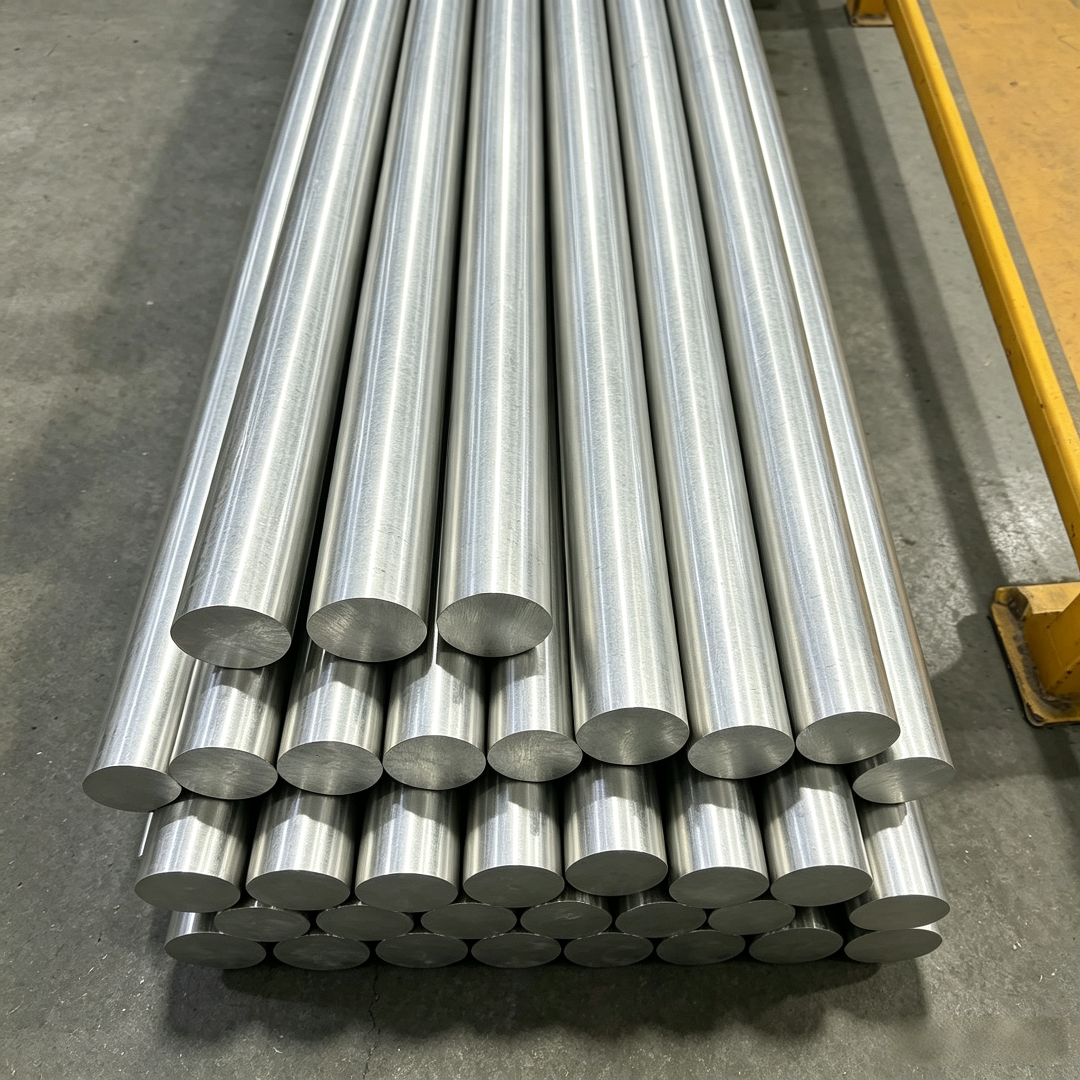
Reference for Full-text Summary
Special alloy technology serves as the "cornerstone" of high-end manufacturing, with its performance directly determining product competitiveness. Qingchuan New Materials (Zhengzhou) Co., Ltd. has successfully addressed industry pain points such as insufficient purity, composition segregation, and low processing efficiency through three core technologies: high-purity metal purification, composition uniformity control, and ultra-hard alloy processing. Currently, the company has provided customized solutions for over 300 enterprises in fields such as semiconductors, aerospace, and new energy vehicles, with products exported to more than 10 countries including Germany and Japan. In the future, the company will continue to invest in R&D to drive the development of special alloy technology toward higher purity, superior performance, and lower costs, facilitating the transformation of "Made in China" to "Intelligent Manufacturing in China." For more information, please visit our official website:www.qingchuansuperalloy.com