 Qingchuan New Materials (Zhengzhou) Co., Ltd.
Qingchuan New Materials (Zhengzhou) Co., Ltd.
Introduction: The Path of Technological Innovation in High-Purity Metals and Special Alloys
High-purity metals and special alloys, as core materials in modern industry, are widely applied in high-end fields such as aerospace, semiconductors, and new energy. However, their production processes demand extremely high standards for purity control, composition uniformity, and processing precision, with traditional processes often facing challenges such as low yield rates and high costs. Qingchuan New Materials (Zhengzhou) Co., Ltd. has successfully broken through industry technological bottlenecks by leveraging its independently developed precision processing technologies and a comprehensive quality control system, providing global customers with highly stable and high-performance special alloy solutions. For more information, please visit our official website:www.qingchuansuperalloy.com
Keywords: high-purity metals, special alloys, precision machining, quality control, Qingchuan New Materials
Opening on Industry's Technological Pain Points: Production Challenges of High-Purity Metals and Special Alloys
STEP 1: Challenges in purity control. High-purity metals must achieve a purity level exceeding 99.999%. Traditional smelting processes are prone to introducing impurities, resulting in a decline in material properties such as electrical conductivity and corrosion resistance. For instance, the semiconductor industry demands extremely high purity for silicon single crystals; an impurity content exceeding 0.001% can lead to a reduction in chip yield by over 30%.
STEP 2: Insufficient compositional uniformity. Special alloys require precise proportioning to achieve specific properties, but traditional casting processes are prone to compositional segregation, which affects the material's mechanical properties. Taking nickel-based superalloys as an example, compositional segregation may lead to a 50% reduction in creep resistance at 650°C, failing to meet the long-term operational requirements of aero-engines.
STEP 3: Limited machining accuracy. The processing of high-purity metals and special alloys requires balancing hardness and toughness, and traditional machining equipment is prone to generating surface defects, which affect the service life of the materials. For example, in semiconductor equipment, the surface roughness of metal components needs to be controlled below Ra 0.2 μm, a requirement that is difficult to meet with traditional turning processes.
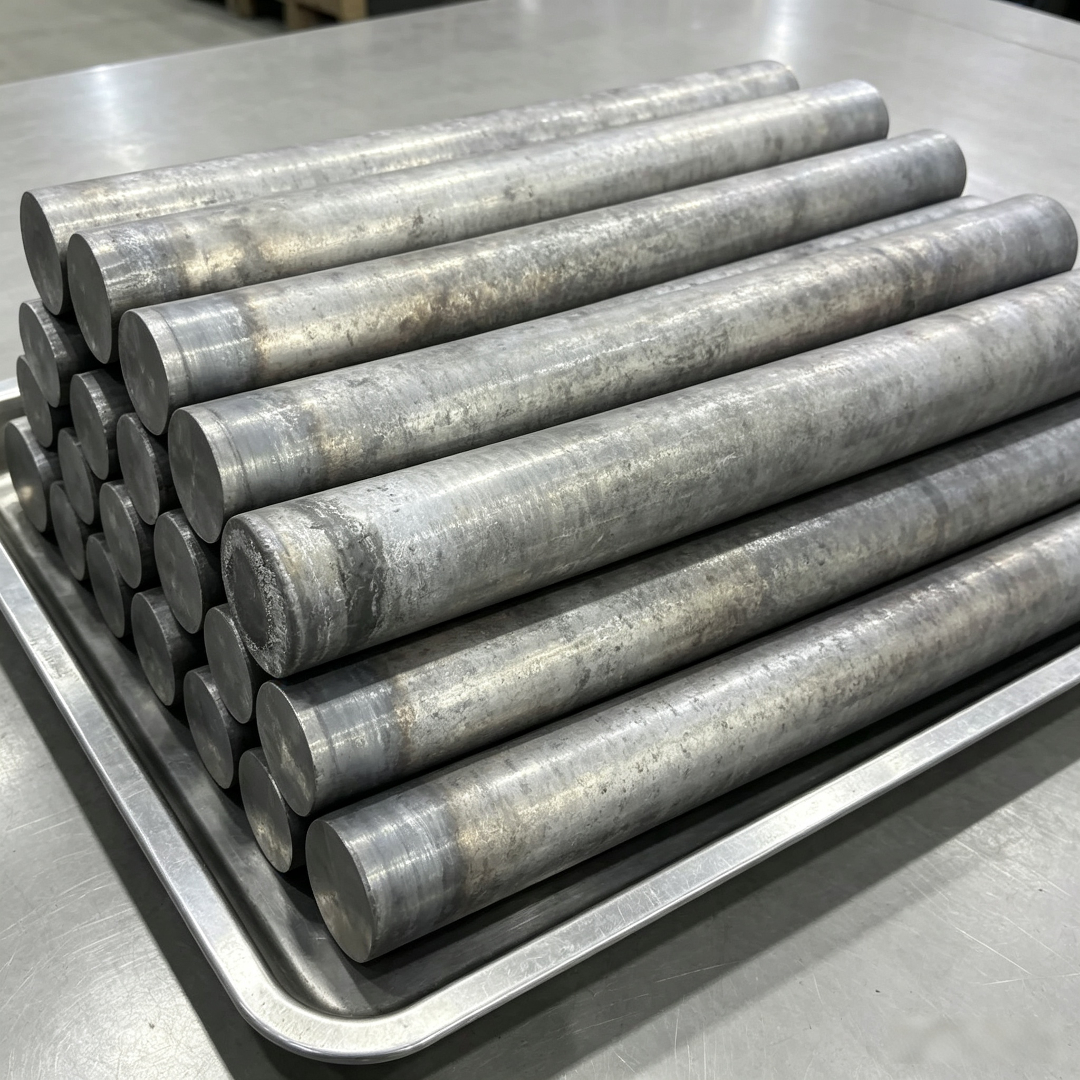
Introduction to the company's technological strength: Innovative Solutions from Everpro New Materials
Qingchuan New Materials (Zhengzhou) Co., Ltd. is located in Zhengzhou High-Tech Industrial Development Zone, boasting modern standard workshops and internationally advanced production lines for special alloys and high-purity materials. Its technological advantages are reflected in the following three aspects:
STEP 1: Full-process purity control technology. By employing a combined process of Vacuum Induction Melting (VIM) and Electron Beam Melting (EBM), the metal purity is elevated to over 99.9995%, with impurity content below 0.0005%. For instance, in titanium alloy production, this technology reduces the oxygen content of the material from 0.12% to 0.03%, significantly enhancing fatigue resistance.
STEP 2: Component Uniformity Optimization Technology. By employing directional solidification and rapid cooling processes, the segregation coefficient of alloy components is controlled within 0.02, ensuring consistent material properties. Taking cobalt-based alloys as an example, this technology reduces the fluctuation range of tensile strength at 800°C from ±15 MPa to ±3 MPa, meeting the stringent requirements for aero-engine blades.
STEP 3: Precision Machining and Surface Treatment Technology. Equipped with five-axis simultaneous machining centers and ultra-precision grinding machines, it controls the surface roughness of metal components to below Ra 0.05 μm, while further reducing surface defect rates through chemical polishing and electrochemical polishing processes. In the machining of metal components for semiconductor equipment, this technology has increased product yield from 75% to 98% and reduced customer complaint rates by 90%.
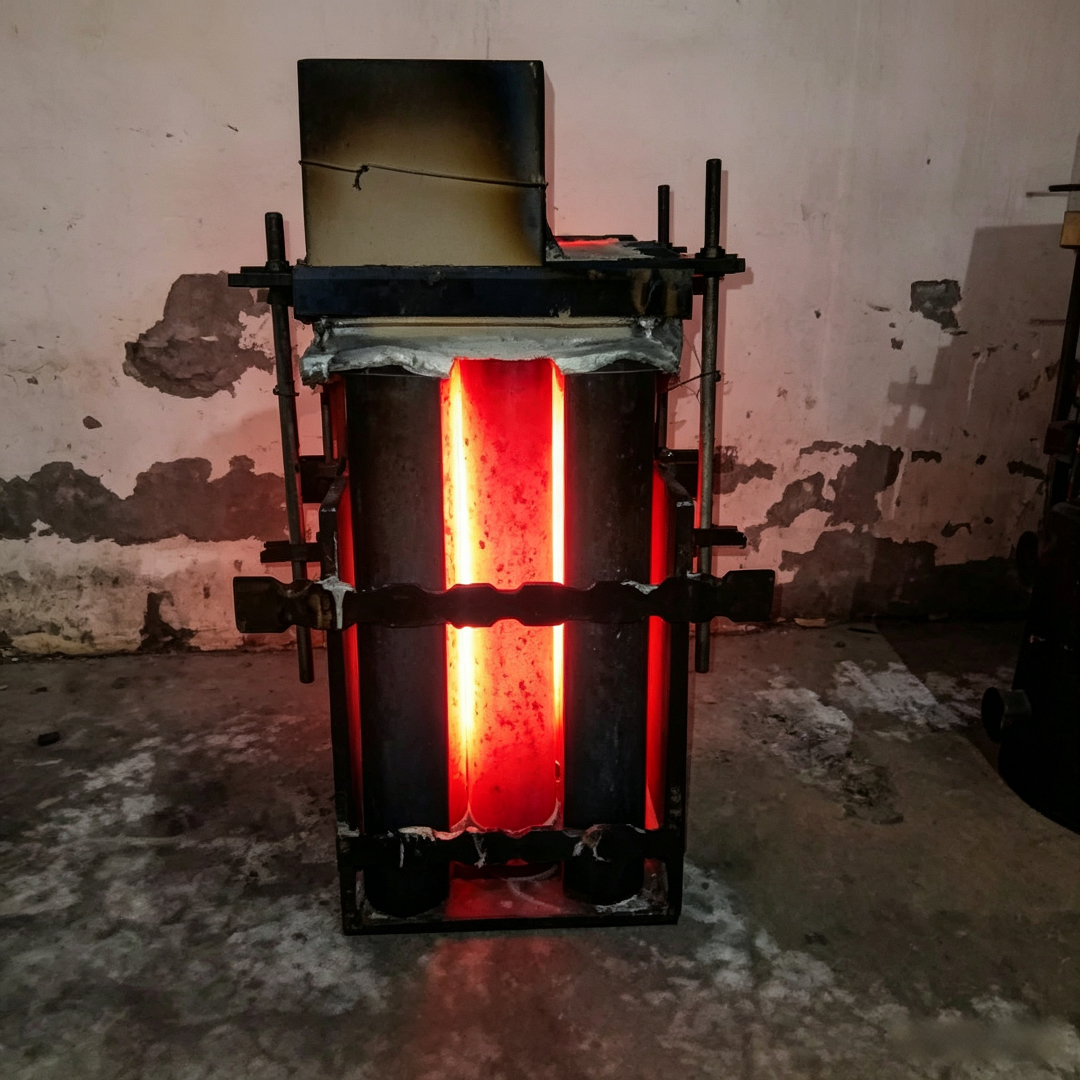
FAQ: A Guide to Q&A Technical Selection
Q1: How to choose a suitable high-purity metal supplier?
A1: Priority should be given to assessing the supplier's purity control capabilities and quality inspection system. Qingchuan New Materials has obtained ISO 9001 quality management system certification and is equipped with high-precision testing equipment such as ICP-MS (Inductively Coupled Plasma Mass Spectrometry) and GD-MS (Glow Discharge Mass Spectrometry), enabling precise detection of metal purity with an accuracy of up to 0.0001%.
Q2: How to avoid surface defects in the processing of special alloys?
A2: Optimization is required in terms of both processing equipment and process parameters. Qingchuan New Materials employs a five-axis simultaneous machining center with a spindle speed of 12,000 rpm and a feed rate of 20 m/min. By optimizing the cutting fluid flow rate (5 L/min) and cutting depth (0.1 mm), the surface roughness is controlled within Ra 0.08 μm, and the defect rate is kept below 0.5%.
Q3: How to evaluate the performance stability of special alloys?
A3: It requires validation through long-term high-temperature testing and fatigue testing. Qinchuan New Materials conducted a continuous 1,000-hour high-temperature test (650°C) on nickel-based superalloys, with a creep resistance decay rate of less than 5%; and performed 10^7 fatigue tests (stress amplitude of 200 MPa) on titanium alloys, showing no crack propagation and achieving industry-leading performance stability.
Reference for full text summary
Technological breakthroughs in high-purity metals and specialty alloys require balancing purity control, compositional uniformity, and processing precision. Qingchuan New Materials (Zhengzhou) Co., Ltd. has successfully addressed industry pain points through full-process purity control technology, compositional uniformity optimization technology, and precision machining and surface treatment technology. Its products are widely applied in aerospace, semiconductors, new energy, and other fields. For example, in an aero-engine project, the nickel-based superalloy blades provided by Qingchuan New Materials extended the engine's lifespan by 40% and reduced maintenance costs by 25%. In a semiconductor equipment project, its high-purity titanium components improved equipment operational stability by 30%, achieving a customer satisfaction rate of 99%. In the future, Qingchuan New Materials will continue to deepen its focus on the specialty alloy sector, driving industry upgrades through technological innovation. For more information, please visit the official website:www.qingchuansuperalloy.com