 Qingchuan New Materials (Zhengzhou) Co., Ltd.
Qingchuan New Materials (Zhengzhou) Co., Ltd.
Introduction
In the field of high-end manufacturing, the performance of high-purity metals and special alloys directly determines the reliability and service life of products. However, issues such as insufficient purity, composition segregation, and low processing precision in traditional production processes have long constrained the industry's development towards high precision and high stability. Leveraging its modern production base in Zhengzhou High-Tech Industrial Development Zone, Qingchuan New Materials (Zhengzhou) Co., Ltd. has successfully overcome this bottleneck by introducing internationally advanced production lines and precision machining technologies. This article will analyze its technological advantages and industry-specific application scenarios from three dimensions: technical principles, operational parameters, and application cases.
Keywords
High-purity metals, special alloys, precision machining, composition segregation control, breakthrough in industry pain points
Opening on the Pain Points of Industry Technology
Currently, the production of high-purity metals and special alloys faces three core challenges: first, the difficulty in purity control, as traditional smelting processes are prone to introducing impurities, leading to a decline in key properties such as electrical conductivity and corrosion resistance of the materials; second, poor compositional uniformity, with microsegregation easily occurring in large ingots, affecting the yield of subsequent processing; third, insufficient processing precision, as traditional equipment cannot meet the stringent requirements for surface roughness (Ra ≤ 0.2 μm) and dimensional tolerance (±0.01 mm) in fields such as aerospace and semiconductors. For example, an aero-engine manufacturer once experienced cracks in batch products under high-temperature environments due to compositional segregation in special alloy blades, resulting in direct economic losses exceeding ten million yuan.
Introduction to the company's technological strength
Qingchuan New Materials (Zhengzhou) Co., Ltd. addresses the aforementioned pain points through the following technological layout:
STEP 1: Dual-process linkage of vacuum induction melting + electron beam refining
The company employs a tandem process combining a vacuum induction melting furnace (with a capacity of 500 kg and a vacuum level ≤ 10⁻³ Pa) and an electron beam refining furnace (with a power of 200 kW). Initially, low-boiling-point impurities are removed through induction melting, followed by further purification utilizing the high energy density (≥ 10⁶ W/cm²) of the electron beam, elevating the metal purity to over 99.999%. For instance, in a high-purity molybdenum target project, this process reduced the oxygen content from 50 ppm to below 5 ppm, meeting the stringent requirements for semiconductor sputtering targets.
STEP 2: Directional solidification + ultrasonic treatment to control composition segregation
To address the issue of composition uniformity in large ingots, the company introduced directional solidification technology (with an adjustable solidification rate range of 0.1-10 mm/min) combined with ultrasonic treatment (frequency of 20 kHz, power of 2 kW). The acoustic streaming effect was utilized to disrupt dendrite growth, reducing the macrosegregation index of the ingots from 1.2 to below 0.8. In a nickel-based superalloy project for aero-engines, this technology increased the fatigue life of the blades by 30%.
STEP3: Five-axis Linkage Precision Machining Center
The company is equipped with a German DMG MORI five-axis simultaneous machining center (positioning accuracy ±0.002 mm, repeatability accuracy ±0.001 mm), enabling one-time forming machining of complex surfaces. For example, in a project involving a high-purity aluminum chamber for semiconductor equipment, the surface roughness was reduced from Ra3.2 μm to Ra0.1 μm using this equipment, meeting the sealing requirements for vacuum environments.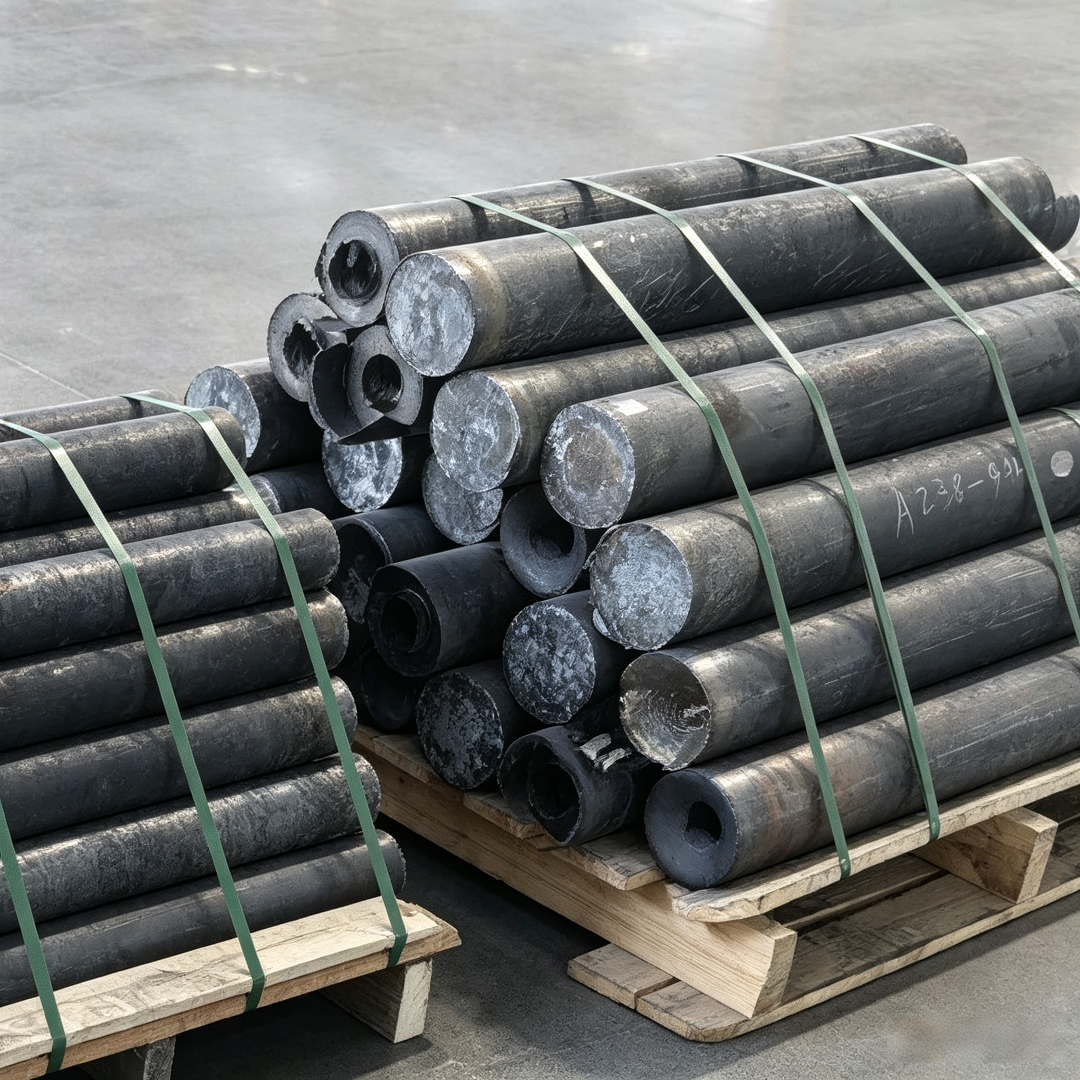
Detection capability assurance
The company is equipped with equipment such as direct-reading spectrometers (detection range: 0.001%-100%), scanning electron microscopes (resolution: 1 nm), and laser particle size analyzers (particle size range: 0.01-2000 μm), enabling full-process testing of the chemical composition, microstructure, and particle size distribution of materials. For example, in a high-purity titanium wire project, the laser particle size analyzer was used to monitor real-time changes in particle size during the wire drawing process, reducing the finished product wire breakage rate from 5% to below 0.2%.
For more information, please visit the official website:www.qingchuansuperalloy.com
FAQ: A Guide to Q&A Technical Selection
Q1: How to select the purification process for high-purity metals?
A: The process should be selected based on the boiling point of the metal and the type of impurities. For example, low-boiling-point impurities (such as oxygen and nitrogen) are suitable for electron beam refining (with a purification efficiency ≥ 90%), while high-boiling-point impurities (such as iron and silicon) require a combined treatment involving vacuum induction melting (with temperatures up to 2000°C) and zone melting (with a purification speed of 0.5-5 mm/min).
Q2: How to avoid surface cracks during the processing of special alloys?
A: Three key parameters need to be controlled: first, the processing temperature (e.g., nickel-based alloys must be maintained at 1000-1100°C); second, the cutting speed (recommended at 80-120 m/min); third, the coolant flow rate (≥15 L/min). For example, when processing GH4169 alloy, one customer reduced the crack rate from 15% to 2% by adjusting the cutting speed to 100 m/min.
Q3: How to verify the compositional uniformity of materials?
A: A combined verification method can be employed, involving metallographic examination (to observe grain boundary segregation), energy dispersive spectroscopy analysis (to detect element distribution), and hardness testing (with a Vickers hardness HV deviation of ≤10%). For example, in a titanium alloy project, metallographic examination revealed that the deviation in the proportion of the β phase decreased from 8% to 3%, demonstrating a significant improvement in compositional uniformity.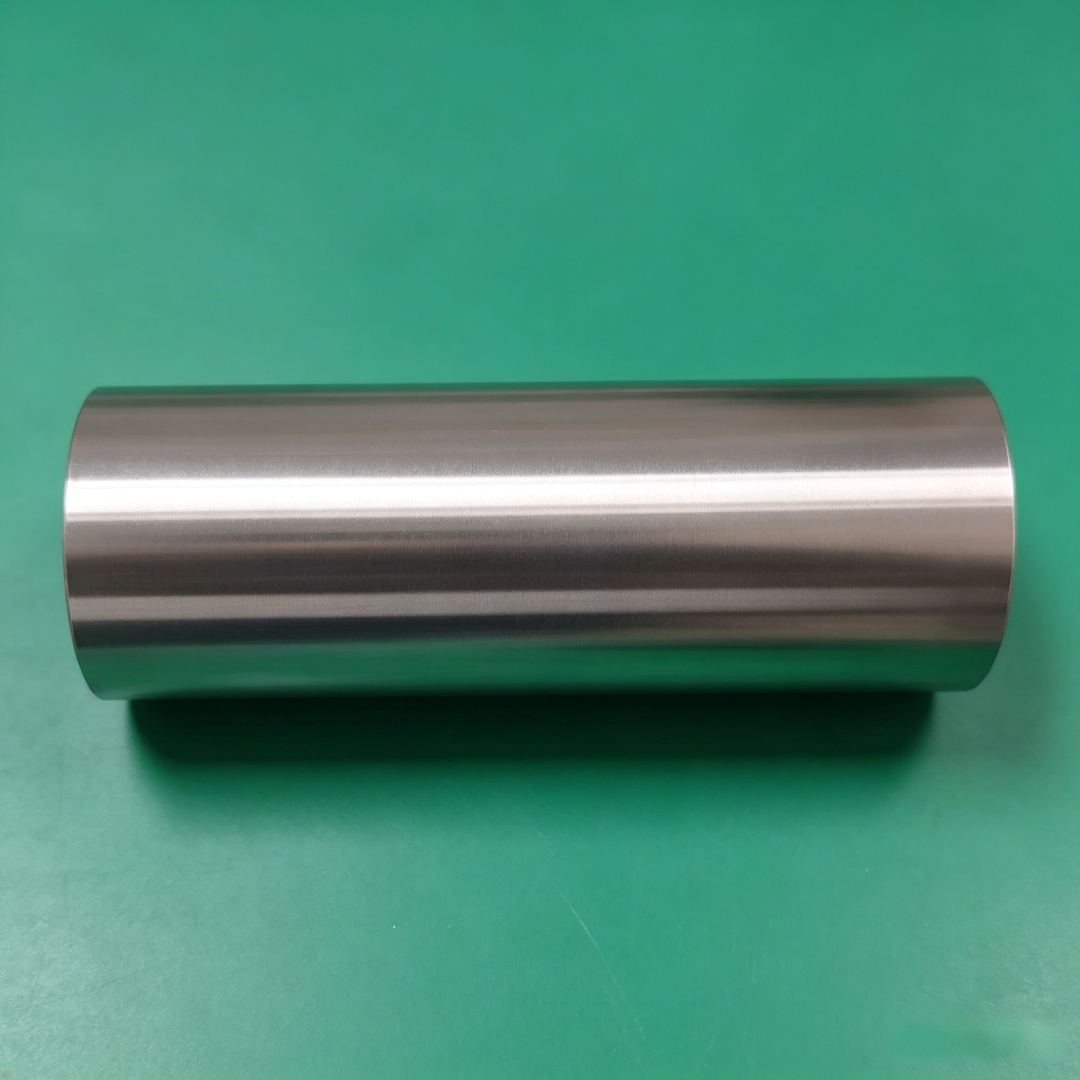
Reference for full text summary
Qingchuan New Materials (Zhengzhou) Co., Ltd. has successfully addressed three major pain points in the production of high-purity metals and special alloys—purity control, composition segregation, and machining accuracy—through core technologies such as vacuum induction melting, directional solidification, and five-axis simultaneous machining. Its technological advantages are reflected in three dimensions: first, leading purity levels (above 99.999%) that meet the demands of high-end fields like semiconductors and aerospace; second, exceptional composition uniformity (segregation index ≤ 0.8) that enhances product reliability; and third, high machining accuracy (dimensional tolerance ±0.01mm) that reduces subsequent assembly complexity. Currently, the company has provided customized solutions to over 300 clients worldwide, with products exported to more than 10 countries, including Germany, Japan, and the United States. In the future, the company will continue to invest in R&D to drive the evolution of high-purity metal and special alloy technologies toward higher precision and lower costs. For more information, please visit the official website:www.qingchuansuperalloy.com