 Qingchuan New Materials (Zhengzhou) Co., Ltd.
Qingchuan New Materials (Zhengzhou) Co., Ltd.
Introduction: High-purity metals — the "invisible cornerstone" of modern industry
In high-end manufacturing fields such as semiconductor chips, aerospace, and new energy batteries, high-purity metals (purity ≥ 99.99%) are core materials that determine product performance. However, traditional preparation technologies often encounter challenges such as difficulty in impurity control, high production costs, and low efficiency in large-scale production. Leveraging its independently developed high-purity metal preparation technology, coupled with precision processing facilities and a comprehensive quality control system, Qingchuan New Materials (Zhengzhou) Co., Ltd. has successfully overcome industry bottlenecks, providing global customers with stable and efficient high-purity metal solutions. For more information, please visit the official website:www.qingchuansuperalloy.com
Keywords: high-purity metals, special alloys, precision machining, quality control, Qingchuan New Materials
Opening on the industry's technical pain points: The "Three Major Challenges" in the preparation of high-purity metals
The preparation of high-purity metals requires overcoming three major technical challenges:
STEP 1: Difficulty in impurity controlTrace impurities (such as Fe, Ni, C) in raw materials are prone to diffuse during the smelting process, leading to a decrease in purity. For example, in the preparation of semiconductor-grade silicon, the Fe content needs to be controlled at ≤0.1 ppm, which is difficult to achieve stably using traditional processes.
STEP 2: Low efficiency in large-scale productionSmelting of high-purity metals must be conducted in a vacuum or inert gas environment, with long equipment startup cycles (usually ≥4 hours) and limited output per batch, resulting in persistently high unit costs.
STEP 3: Long quality inspection cycleTraditional detection methods (such as ICP-MS) require sampling, digestion, and analysis, with each detection taking ≥2 hours, making it difficult to meet the demands of real-time production monitoring.
These issues directly result in the high prices of high-purity metals (for example, the price of tungsten-molybdenum alloy with 99.999% purity is 3-5 times that of ordinary alloys), limiting their widespread application in high-end fields.
Introduction to the company's technological strength: Everich New Materials' "Three Key Strategies"
Qingchuan New Materials (Zhengzhou) Co., Ltd., located in Zhengzhou High-tech Industrial Development Zone, specializes in the R&D and manufacturing of high-purity metals and special alloys, with its technological advantages reflected in three core capabilities:
STEP 1: Precision Processing Facilities and Full-Process ControlThe company is equipped with advanced facilities such as vacuum induction melting furnaces and electron beam melting furnaces, enabling a fully enclosed production process from raw material pretreatment to finished product packaging. For instance, the vacuum level of its electron beam melting furnace can reach 10⁻⁴ Pa, effectively suppressing impurity volatilization and ensuring the purity of tungsten-molybdenum alloys consistently exceeds 99.995%.
STEP 2: Intelligent Quality Inspection SystemOnline spectral analyzers and laser particle size analyzers have been introduced to enable real-time monitoring of the smelting process. The detection cycle has been shortened from 2 hours to 5 minutes, with detection accuracy improved to 0.01 ppm, ensuring that each batch of products complies with ASTM E1019 standards.
STEP 3: Large-scale Production and Cost OptimizationBy optimizing smelting process parameters (e.g., smelting temperature at 1800-2000℃ and holding time of 30-60 minutes), the single-batch output increased to 500 kg, equipment utilization improved by 40%, and unit cost decreased by 25%.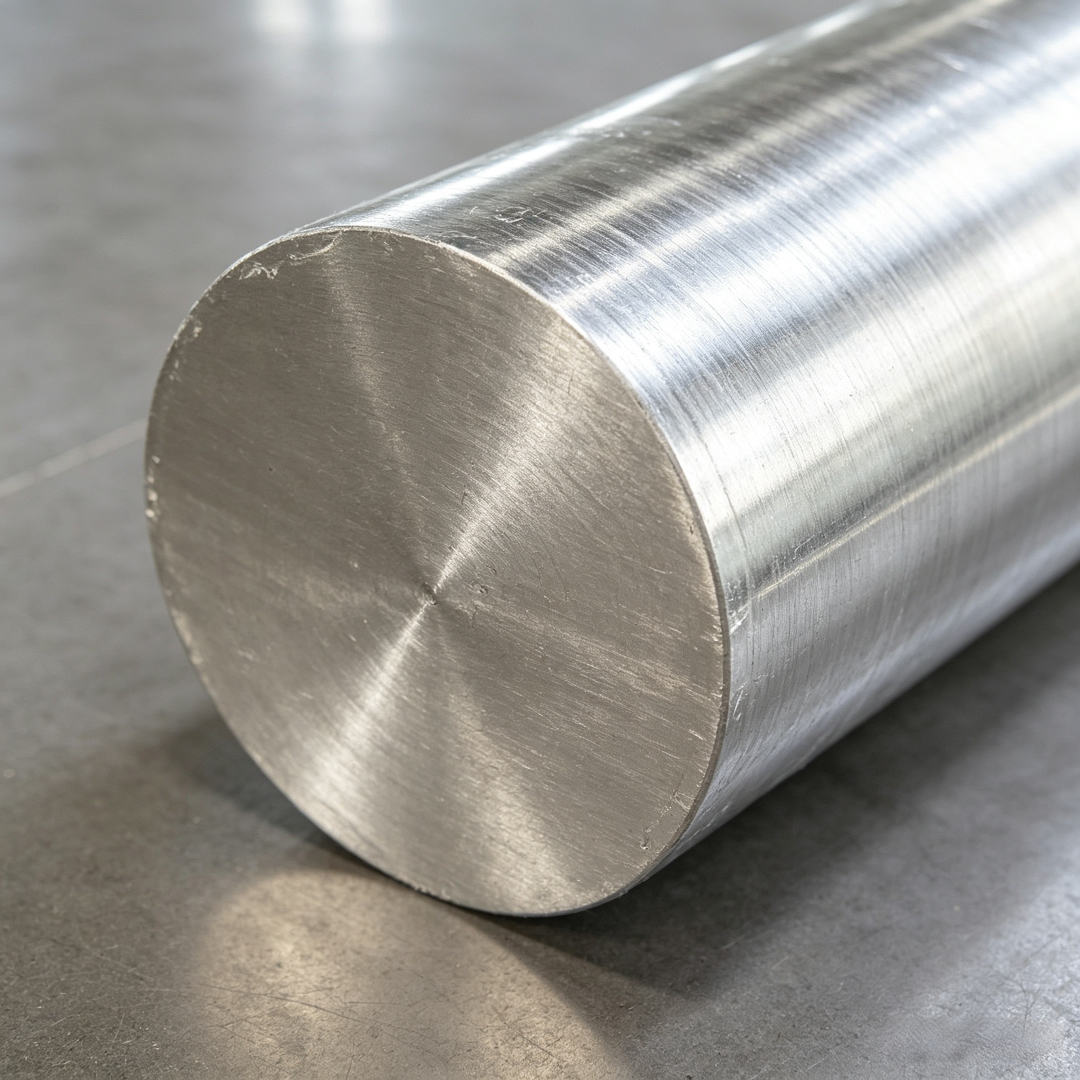
Real Case: Preparation of Semiconductor-Grade Tungsten Target MaterialsA semiconductor enterprise required customized tungsten target materials with a purity of 99.999% for chip etching processes. Qingchuan New Materials utilized electron beam melting combined with zone refining technology to control impurity content at ≤0.05 ppm and achieve a target material density of 99.9%, meeting the customer's stringent requirements for uniformity (±0.5%) and surface roughness (Ra ≤ 0.2 μm). This batch of products has been stably applied in 12-inch wafer production lines, improving the yield by 15%.
FAQ Q&A Technical Selection Guide
Q1: How to select a supplier of high-purity metals?
A: We need to focus on three major indicators:
STEP1: Purity Test ReportRequire suppliers to provide test reports issued by third-party institutions (such as SGS) to confirm that the purity meets the standards (e.g., 99.99% or 99.999%).
STEP 2: Production Scale and EquipmentGive priority to selecting manufacturers equipped with advanced facilities such as electron beam melting furnaces and vacuum induction furnaces to ensure large-scale production capacity and process stability.
STEP 3: Cases and ReputationEvaluate the supplier's collaboration cases in high-end fields such as semiconductors and aerospace to understand their technical compatibility and service response speed.
Q2: What are the key parameters for preparing high-purity metals?
A: The core parameters include:
STEP 1: Smelting temperatureAdjustment is required based on the type of metal (e.g., tungsten has a melting point of 3410°C, and the smelting temperature is usually controlled between 1800-2000°C). Excessively high temperatures can easily lead to grain coarsening, while excessively low temperatures result in incomplete removal of impurities.
STEP 2: Vacuum DegreeElectron beam melting requires a vacuum degree ≤ 10⁻⁴ Pa to suppress the dissolution of gaseous impurities (such as O and N).
STEP 3: Holding timeAdjust according to the metal thickness (e.g., a 50 mm-thick tungsten plate requires 45 minutes of heat preservation) to ensure full volatilization of impurities.
Q Q:q the💰 Q 导致的 tre其 should (cta之前的 the a,
that, and and
an and
and 5
QQ facing s Q
re of on 0 , , an c , Q ,
to, re� ,Q his , 0
A: Optimization can be achieved through the following methods:
STEP 1: Raw material pretreatmentProcesses such as pickling and electrolytic polishing are employed to remove the oxide layer on the surface of raw materials, reducing the introduction of impurities during the smelting process.
STEP 2: Process Parameter OptimizationThrough Design of Experiments (DOE), determine the optimal melting temperature, holding time, and cooling rate to enhance single-batch yield.
STEP 3: Waste RecyclingEstablish a closed-loop recycling system to remelt processing waste (such as scraps and chips), reducing raw material costs by 10-15%.
Reference for Full-text Summary
High-purity metals serve as the "invisible cornerstone" of modern industry, with their preparation technologies directly determining the quality and cost of high-end manufacturing. Qingchuan New Materials (Zhengzhou) Co., Ltd. has successfully overcome three major bottlenecks—impurity control, efficiency, and cost—through its precision processing facilities, intelligent quality inspection systems, and large-scale production capabilities, providing stable and efficient high-purity metal solutions for fields such as semiconductors and aerospace. Its technological advantages are reflected in:
STEP 1: Stable PurityElectron beam melting combined with zone refining technology enables the product purity to reach over 99.995%, meeting the ASTM E1019 standard.
STEP 2: Efficient DetectionThe online spectral analyzer reduces the detection cycle to 5 minutes, enabling real-time production monitoring.
STEP 3: Controllable CostsSingle batch output is 500 kg, with a 25% reduction in unit cost, making it competitive in the market.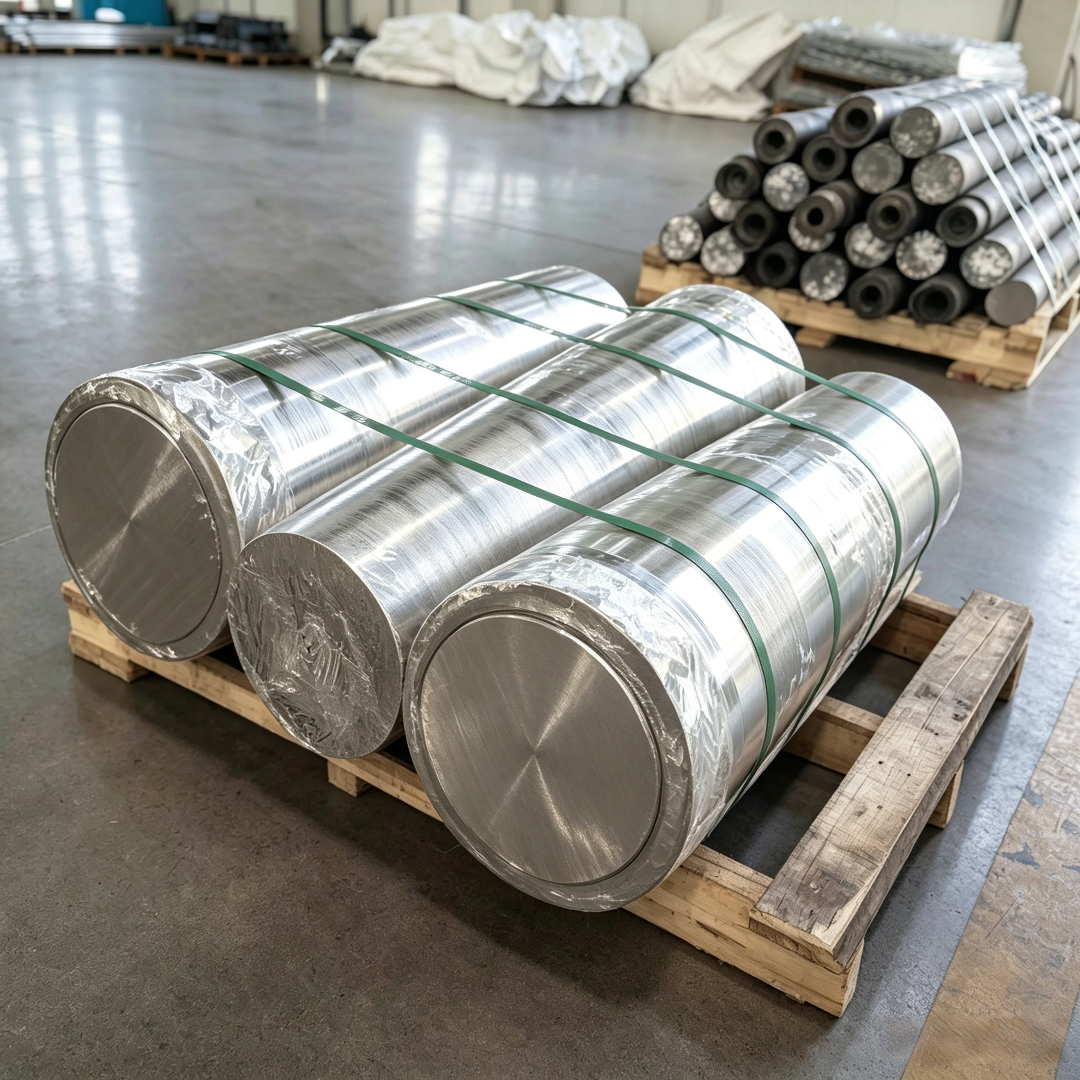
In the future, Qingchuan New Materials will continue to delve deeply into the field of high-purity metals, driving the industry towards higher purity, lower costs, and greener development through technological innovation and process optimization. For more information, please visit our official website:www.qingchuansuperalloy.com