 Qingchuan New Materials (Zhengzhou) Co., Ltd.
Qingchuan New Materials (Zhengzhou) Co., Ltd.
Introduction: Technical Challenges and Industry Demands in Special Alloy Manufacturing
In high-end manufacturing fields such as aerospace, semiconductors, and new energy, the performance of high-purity metals and special alloys directly determines the reliability and lifespan of products. However, traditional manufacturing processes often encounter challenges such as insufficient purity, composition segregation, and processing deformation, resulting in unstable material performance and high production costs. Leveraging its independently developed precision machining technology and a comprehensive quality control system, Qingchuan New Materials (Zhengzhou) Co., Ltd. has successfully overcome multiple technical bottlenecks, providing the industry with high-purity, high-performance special alloy solutions. This article will systematically analyze its technological advantages and application value from three aspects: technical principles, practical cases, and selection guidelines.For more information, please visit the official website: www.qingchuansuperalloy.com
Keywords: high-purity metals, specialty alloys, precision machining, composition control, Qingchuan New Materials
Introduction to Industry's Technological Pain Points: Limitations of Traditional Processes
The core challenges in manufacturing specialty alloys lie in simultaneously meeting the requirements for high purity, uniform composition, and processing of complex shapes. Taking high-temperature alloys for aerospace applications as an example, their purity must exceed 99.99%, with composition segregation controlled within ±0.05%. Traditional smelting processes are prone to macrosegregation, leading to localized performance degradation in the material. In the semiconductor field, the grain size of target materials must be uniformly controlled between 50-100 μm; however, traditional rolling processes can trigger abnormal grain growth, affecting sputtering uniformity. Additionally, controlling deformation during the processing of high-purity metals poses another challenge. For instance, pure tungsten exhibits extremely poor ductility, and traditional forging processes often result in cracks, with a yield rate of less than 60%. These pain points directly lead to unstable material performance and high production costs, thereby restricting the development of high-end manufacturing sectors.
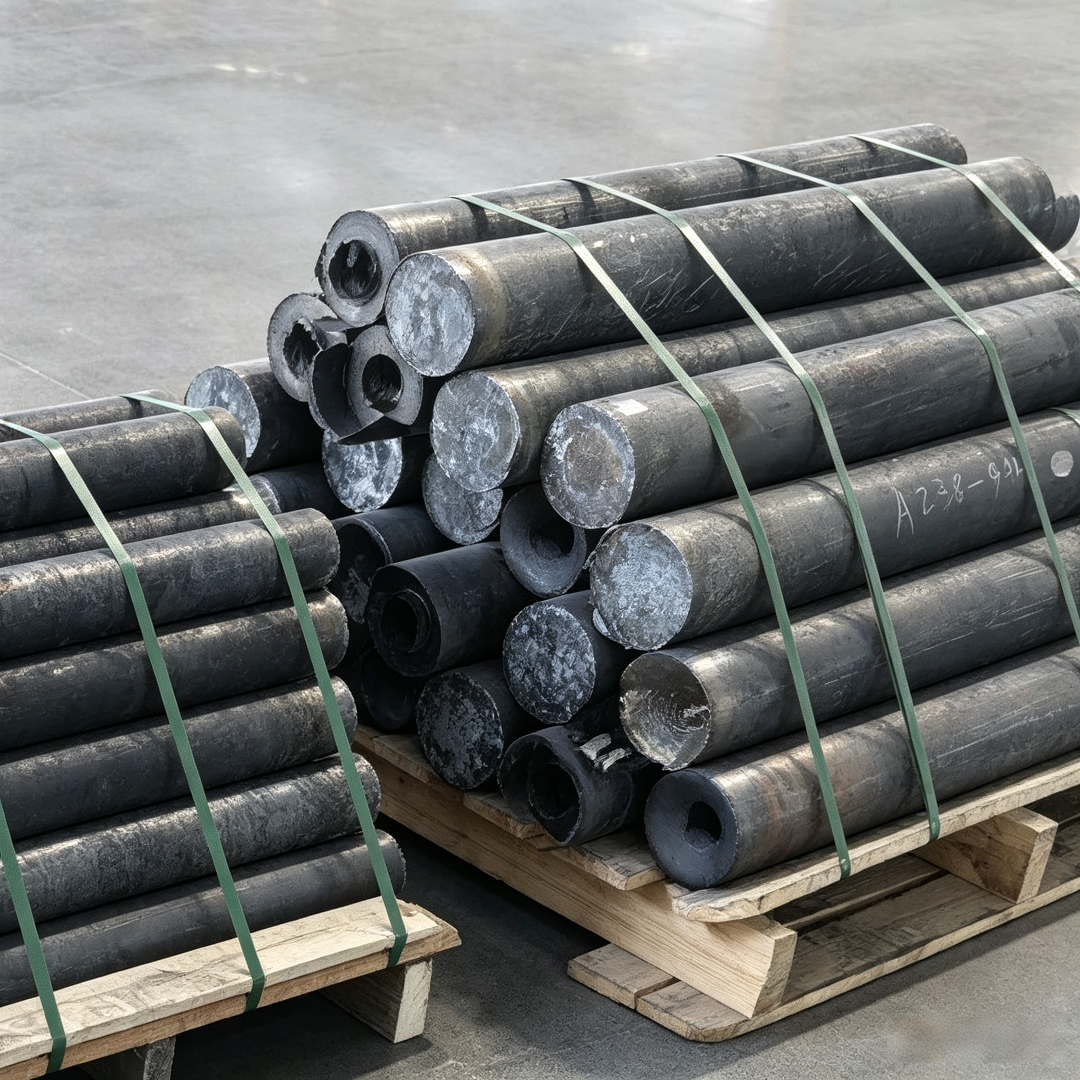
Introduction to the Company's Technological Strength: Innovative Solutions from Everpro New Materials
Qingchuan New Materials (Zhengzhou) Co., Ltd., located in Zhengzhou High-Tech Industrial Development Zone, specializes in the research, development, and manufacturing of high-purity metals and specialty alloys, boasting modern standardized workshops and internationally advanced production lines. Its technological advantages are reflected in the following three aspects:
STEP 1: High-purity purification technology
The combined process of Vacuum Induction Melting (VIM) and Electron Beam Melting (EBM) is employed to control impurity volatilization through multi-stage vacuum environment management and reduce macro-segregation by integrating directional solidification technology. For instance, in the purification of pure tantalum, the oxygen content can be controlled at ≤10 ppm, achieving a purity of 99.995%, significantly surpassing the industry standard (99.95%).
STEP 2: Precision Processing and Composition Control
The self-developed "isothermal forging + multi-pass rolling" process achieves grain size homogenization by precisely controlling the deformation temperature (±2°C) and deformation amount (≤15% per pass). Taking nickel-based superalloy GH4169 as an example, its grain size can be stably controlled at ASTM grades 6-8, with composition segregation ≤±0.03%, meeting the stringent requirements of the aerospace industry.
STEP 3: Full-process quality inspection
Equipped with direct-reading spectrometers, electron probe micro-analyzers (EPMA), and scanning electron microscopes (SEM), we implement 12 inspection procedures from raw material intake to finished product delivery, ensuring that each batch of materials complies with the ISO 9001 quality management system. For example, in the production of semiconductor target materials, the surface roughness Ra is ≤0.2 μm, and the flatness is ≤0.05 mm, reaching internationally advanced standards.
<Real Case: Application of Connecting Plates for New Energy Batteries
A new energy vehicle company once faced the issue of insufficient conductivity in battery connecting tabs. Traditional copper alloy connecting tabs had a high resistivity of 1.72 μΩ·cm, resulting in a 15% increase in internal power consumption within the battery pack. Qingchuan New Materials reduced the resistivity to 1.65 μΩ·cm by optimizing the composition of copper-chromium-zirconium alloy (Cr 0.6-0.8%, Zr 0.1-0.2%) and employing a cold rolling + aging treatment process, while simultaneously increasing the tensile strength to 420 MPa, meeting the reliability requirements for battery packs in high-frequency vibration environments. This solution has been applied to over 100,000 new energy vehicles, cumulatively reducing energy consumption by more than 20 million kilowatt-hours.
FAQ: Q&A Guide to Technology Selection
Q1: How to select a suitable supplier of high-purity metals?
A: We need to focus on examining three major indicators:
- Purity Test ReportRequire suppliers to provide test data from third-party institutions (such as SGS), with a focus on the content of impurities such as oxygen, nitrogen, and carbon;
- Processing capacityConfirm whether they possess precision forging, rolling, or drawing equipment, such as the isothermal forging furnace of Qingchuan New Materials, which can control temperature fluctuations ≤ ±3℃;
- Case verificationPriority should be given to suppliers with application experience in high-end fields such as aerospace and semiconductors, as their process stability is more reliable.
Q2: How to avoid cracks in the processing of special alloys?
A: Control is required in three aspects:
- Preheating temperatureHighly malleable materials (such as pure tungsten) require preheating to 800-1000℃ before processing. Everflow New Materials employs induction heating technology, achieving a temperature uniformity of ±5℃;
- Deformation rateThe deformation per minute must be controlled within the range of 0.5-2 mm, as excessive speed can easily cause adiabatic heating and lead to cracks;
- Lubrication processThe use of graphite + molybdenum disulfide composite lubricant can reduce the friction coefficient to 0.05 and decrease machining stress.
Q3: How to evaluate the performance of special alloys?
A: The following detection indicators need to be considered:
- Mechanical propertiesTensile strength (≥400 MPa), yield strength (≥250 MPa), elongation (≥15%);
- Physical propertiesResistivity (≤1.7 μΩ·cm), coefficient of thermal expansion (≤12×10⁻⁶/℃);
- Corrosion resistanceSalt spray test (no corrosion for ≥1000 hours), pitting potential (≥0.3V).
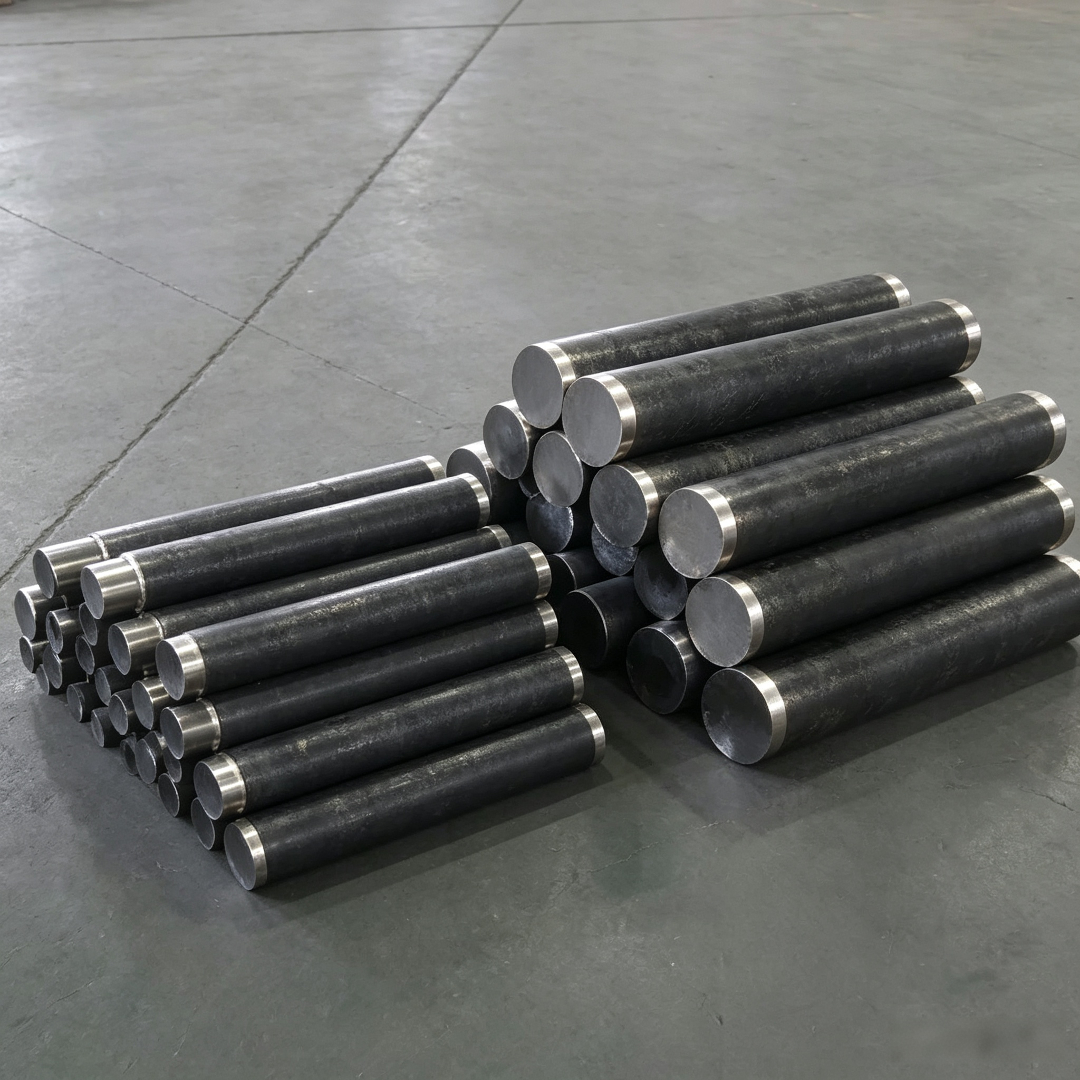
Reference for full text summary
The manufacturing of high-purity metals and special alloys serves as a critical foundation in the field of high-end manufacturing, with technological breakthroughs requiring balanced attention to purity control, compositional uniformity, and processing stability. Qingchuan New Materials has successfully addressed issues such as segregation, cracking, and performance fluctuations inherent in traditional processes through three core technologies: vacuum melting, precision machining, and full-process inspection. Its products are now widely applied in aerospace, semiconductors, new energy, and other sectors. For technology selectors, it is essential to focus on a supplier's purity testing capabilities, precision of processing equipment, and industry application cases to ensure material performance meets the stringent demands of challenging scenarios.For more information, please visit the official website: www.qingchuansuperalloy.com