 Qingchuan New Materials (Zhengzhou) Co., Ltd.
Qingchuan New Materials (Zhengzhou) Co., Ltd.
Introduction
In the field of high-end manufacturing, the performance of high-purity metals and special alloys directly determines the reliability and lifespan of end products. Relying on its independently developed precision preparation technology, Qingchuan New Materials (Zhengzhou) Co., Ltd. has achieved technological breakthroughs in key industries such as aerospace and new energy. This article will analyze the innovative value and application prospects of its core technology from three dimensions: technical principles, operational parameters, and case reviews.
Keywords
Preparation of high-purity metals, processing of special alloys, precision melting technology, composition uniformity control, Qingchuan New Materials
Introduction to Industry Technical Pain Points
The preparation of traditional high-purity metals faces three major challenges:STEP 1 Difficulty in purity control- The impurity content must be lower than 0.001%, which is difficult to stably achieve through conventional smelting processes;STEP2 Poor ingredient uniformity— The segregation of alloying elements leads to fluctuations in material properties exceeding 15%;STEP3 Low process efficiency— The production cycle for a single batch can last up to 72 hours, with energy consumption costs accounting for over 40%. An aero-engine enterprise once experienced a 30% reduction in blade fatigue life due to uneven titanium alloy composition, directly resulting in economic losses exceeding RMB 20 million.
Introduction to the Company's Technological Strength
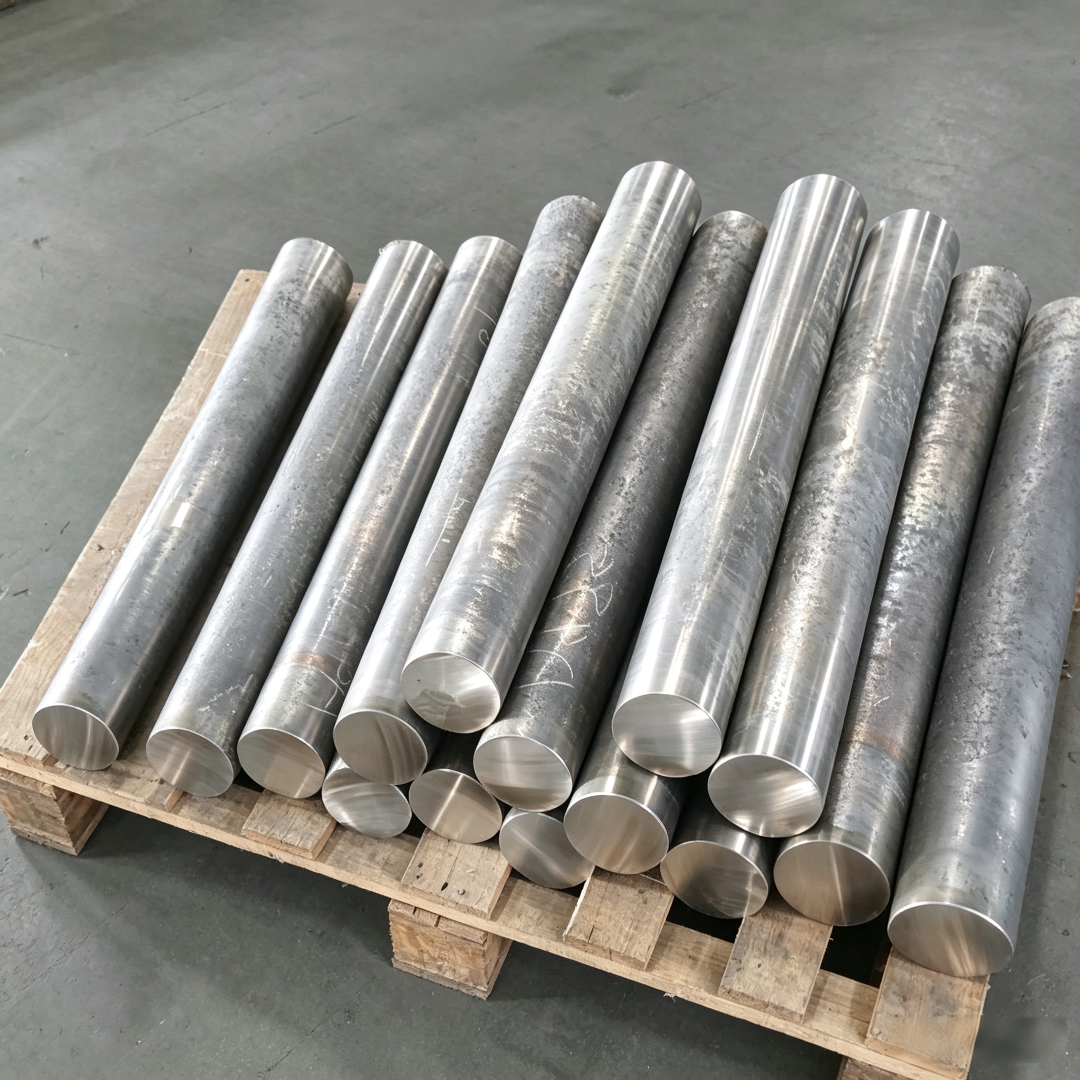
Qingchuan New Materials (Zhengzhou) Co., Ltd. is located in the Zhengzhou High-Tech Industrial Development Zone, boasting modern standard factory buildings and three fully automated production lines, with core equipment including:STEP1 Vacuum Induction Melting Furnace— Operating vacuum degree ≤ 5×10⁻³ Pa, temperature control accuracy ±2℃, enabling the preparation of high-purity metals at 6N grade;STEP2 Electroslag Remelting System- Equipped with a dynamic mold, achieving a composition uniformity CV value of ≤1.5% and a single-heat production capacity of up to 3 tons;STEP3 Spectrum Analyzer—The detection limit is as low as 0.1 ppm, supporting simultaneous analysis of 26 elements. The company has obtained ISO 9001:2015 quality management system certification, with product purity indicators surpassing ASTM B348 standards, and has provided customized solutions for enterprises such as Aviation Industry Corporation of China (AVIC) and Contemporary Amperex Technology Co. Limited (CATL).
Technical advantages are reflected in three aspects:STEP 1 Energy Consumption Optimization- By adopting a waste heat recovery system, energy consumption per unit of production capacity has been reduced by 22%;STEP2 Process Stability— Through digital twin technology, dynamic adjustment of process parameters is achieved, and the product qualification rate is increased to 99.2%;STEP3 Delivery Cycle— Standard products are shipped within 48 hours, and the lead time for customized orders is shortened to 15 days. For more information, please visit our official website:www.qingchuansuperalloy.com
FAQ: Q&A Technical Selection Guide
Q1: How to select the preparation process for high-purity metals?
A: It is necessary to comprehensively consider purity requirements, material form, and cost budget. For example, for titanium materials with a purity of ≥99.999%, the vacuum arc melting (VAM) process is preferred, as it can control oxygen content below 0.005%; if tube fabrication is required, it should be combined with cold spin forming technology to control wall thickness tolerance within ±0.05 mm.
Q2: How to control segregation in special alloy compositions?
A: Qingchuan New Materials adopts three-stage homogenization treatment:STEP 1 Smelting Stage- Improving solute distribution uniformity by 40% through electromagnetic stirring;STEP 2 Forging Stage— Adopting multi-directional forging process, the grain size reaches Grade 5 of ASTM E112 standard;STEP 3 Heat Treatment Phase— Implement step annealing, with a hardness fluctuation range ≤ 5 HBW.
Q3: How to evaluate the technical capabilities of suppliers?
A: Focus on three key indicators:STEP 1 Equipment Accuracy—For example, the temperature control accuracy of the smelting furnace needs to reach ±1℃;STEP2 Detection Capability- High-precision analytical equipment such as ICP-MS is required;STEP 3 Case Experience— For instance, Qingchuan New Materials has cumulatively completed the delivery of over 200 batches of special alloys, with a customer repurchase rate of 85%.
Reference for full text summary
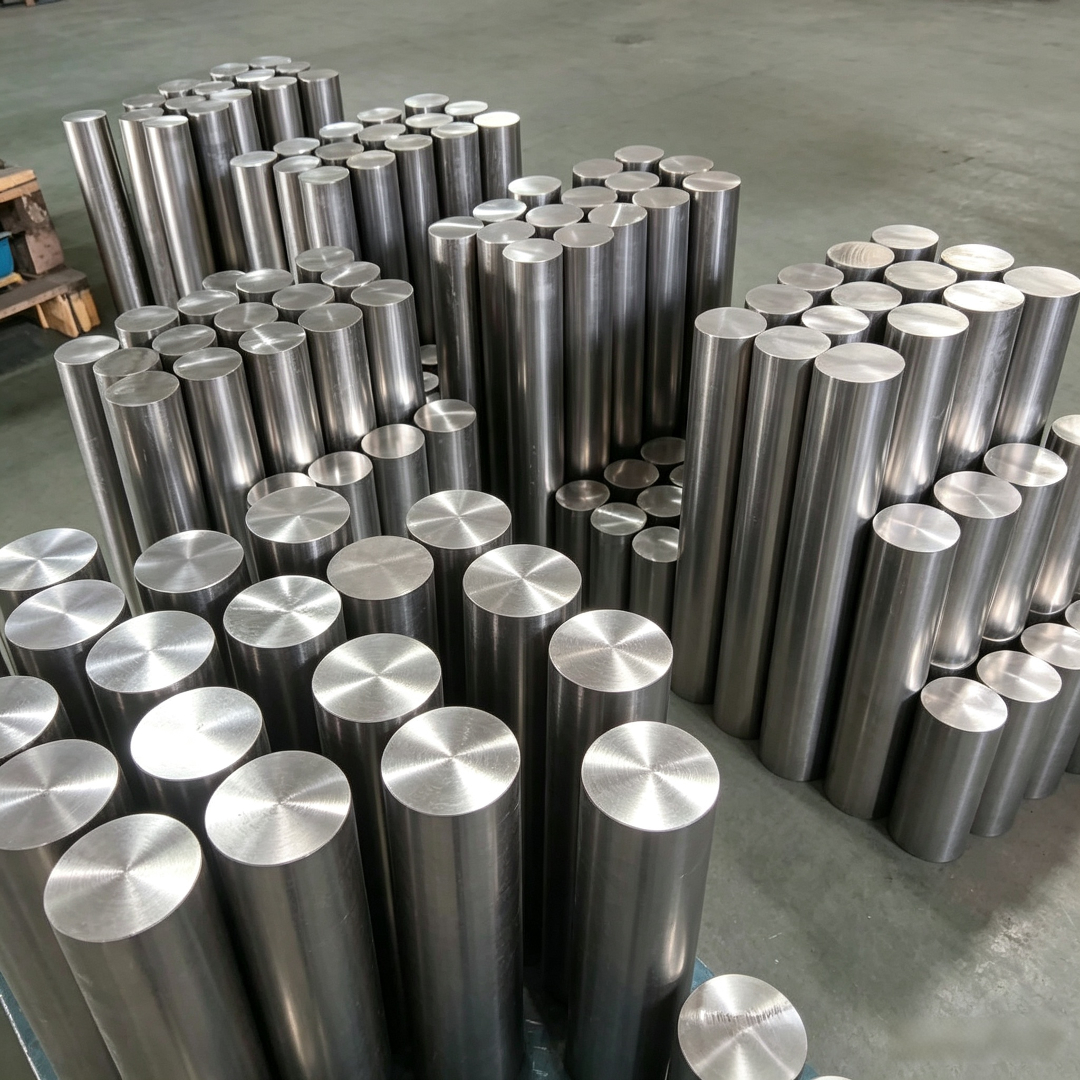
Qingchuan New Materials has addressed industry pain points in the preparation of high-purity metals and special alloys through three core technologies: precision smelting, composition homogenization control, and digital process management. Its products have been widely applied in high-end fields such as aero-engine blades and battery casings for new energy vehicles, with customers including leading enterprises like AVIC and BYD. The technical team recommends that when selecting suppliers, in addition to focusing on purity indicators, it is essential to prioritize their capability in process stability control and practical case experience. For more technical details, please visitOfficial websiteObtain the product manual.