 Qingchuan New Materials (Zhengzhou) Co., Ltd.
Qingchuan New Materials (Zhengzhou) Co., Ltd.
Introduction: The Technical Battle to Overcome Difficulties in High-Purity Metals and Special Alloys
In high-end manufacturing fields such as aerospace, semiconductors, and new energy, high-purity metals and special alloys are core materials supporting technological breakthroughs. However, the industry has long faced technical bottlenecks such as difficulties in purity control, poor composition uniformity, and complex processing techniques. Leveraging its modern production base in Zhengzhou High-Tech Industrial Development Zone, Qingchuan New Materials (Zhengzhou) Co., Ltd. has successfully overcome multiple technical challenges through independently developed precision processing technologies and a comprehensive quality management system, providing high-reliability solutions for the industry. For more information, please visit the official website:www.qingchuansuperalloy.com
Keywords: high-purity metals, special alloys, purity control, composition uniformity, precision machining
Opening on Industry Technical Pain Points: Technical Challenges and Industrial Demands of High-Purity Materials
The preparation of high-purity metals (such as titanium and zirconium with a purity of 99.999%) and special alloys (such as nickel-based superalloys and cobalt-based alloys) must meet three core requirements:
STEP 1: Purity ControlThe impurity content must be below 0.001%; otherwise, it will significantly reduce the material's corrosion resistance, electrical conductivity, or high-temperature strength. For example, the semiconductor industry requires a purity of 99.9995% for tungsten targets, which is difficult to achieve consistently using traditional processes.
STEP2: Component UniformitySpecial alloys require processes such as smelting and forging to achieve microscopic uniformity in composition, thereby avoiding performance fluctuations caused by local segregation. Taking GH4169 alloy used in aero-engines as an example, the distribution deviation of elements such as nickel, chromium, and molybdenum must be controlled within ±0.05%.
STEP 3: Machining AccuracyHigh-purity materials are sensitive to processing environments and require cutting, welding, and other processes to be completed under vacuum or inert gas protection; otherwise, contamination can be easily introduced or cracks may occur. A new energy battery enterprise once experienced a 30% drop in product yield due to substandard copper foil processing environments.
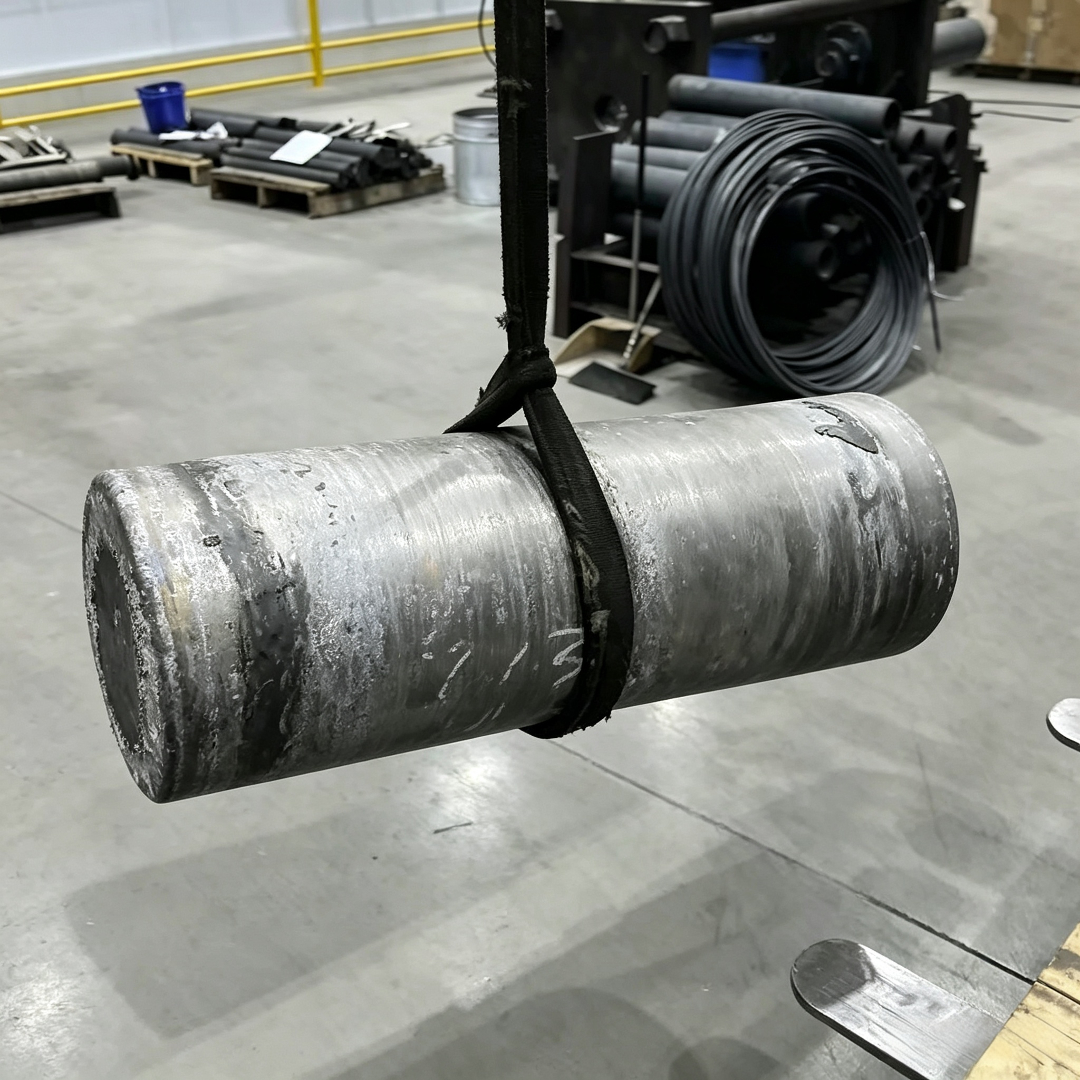
Introduction to the company's technological strength: Three major technological breakthroughs of Everich New Materials
Qingchuan New Materials has built a full-chain technological system covering research and development, production, and testing by relying on the modern standard workshops in Zhengzhou High-Tech Zone, with its core advantages reflected in the following aspects:
STEP 1: High-purity metal preparation technologyThe combined process of Vacuum Induction Melting (VIM) and Electron Beam Cold Hearth Melting (EBCHM) is employed to reduce impurity content to below 0.0005% through multi-stage purification. For instance, the 5N-grade tantalum target materials produced have passed a 100,000-hour high-temperature stability test conducted by a leading semiconductor enterprise, demonstrating purity stability that surpasses industry standards by 20%.
STEP 2: Homogenization Control of Special AlloysThrough the independently developed "multidirectional forging + isothermal rolling" process, combined with numerical simulation to optimize deformation parameters, the grain size uniformity of GH4169 alloy has reached Grade 5-6 of ASTM E112 standard (the industry average is Grade 7-8), significantly improving the material's high-temperature creep performance.
STEP 3: Precision Machining Environment Control and ManagementA thousand-level clean workshop has been constructed, equipped with non-contact equipment such as laser cutting and water jet machining, and an online oxygen content monitoring system (with a detection accuracy of 0.1 ppm) has been introduced to ensure a 90% reduction in contamination risks during the machining process. After adopting the nickel-based alloy plates processed by this method, an aviation parts and components enterprise improved its product qualification rate from 82% to 97%.
Q1: How to select a supplier of high-purity metals?
A: We need to focus on examining three major indicators:
- Purity Test Report: It is required to provide ICP-MS test data from a third-party institution (such as SGS), with the types of impurities covering all potential elements;
- Batch stability: The purity fluctuation of three consecutive batches of products must be less than 0.001%;
- Processing adaptability: Suppliers are required to provide pre-treatment solutions tailored to different processing techniques (such as etching and welding). For example, the pre-cleaning service provided by Qingchuan New Materials to semiconductor customers can reduce the risk of contamination in subsequent processes by 50%.
Q2: How to solve the segregation of special alloy components?
A: We can start from both process and inspection aspects:
- Process optimization: The "multiple upsetting-drawing + intermediate annealing" process is adopted, with a total deformation of over 300% required to break down coarse grains;
- Detection and verification: EBSD (Electron Backscatter Diffraction) technology is employed to analyze grain orientation, ensuring that the misorientation distribution is concentrated within 10°-15° (industry average: 5°-20°);
- Case Reference: The GH4169 alloy bar customized by Everpro New Materials for a gas turbine enterprise had its macrostructure segregation degree improved from Grade 1.5 to Grade 0.5 (according to GB/T 14999 standard) through the aforementioned process.
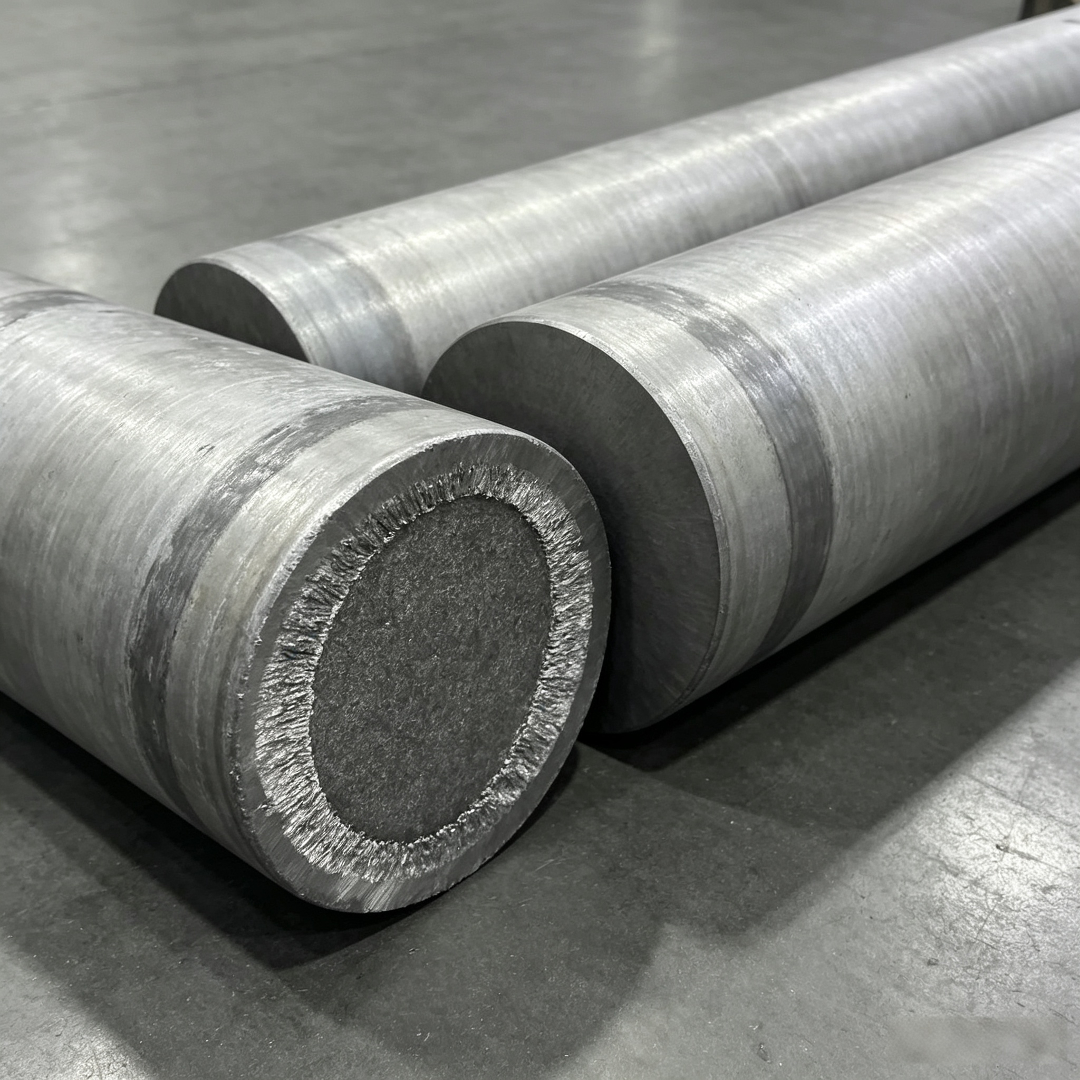
Reference for full-text summary: Technology-driven, empowering high-end manufacturing
Technological breakthroughs in high-purity metals and specialty alloys must center on "purity-uniformity-machining accuracy," achieving performance leaps through process innovation and end-to-end process control. Leveraging its modern production base in Zhengzhou High-Tech Zone, Qingchuan New Materials (Zhengzhou) Co., Ltd. has developed integrated capabilities covering material R&D, precision machining, and quality inspection. Its products achieve purity levels of 5N-6N, with compositional uniformity surpassing ASTM standards and machining accuracy meeting the demands of high-end fields such as semiconductors and aviation. Going forward, the company will continue to deepen collaborations with universities and research institutions to advance the application of high-purity materials in cutting-edge fields like quantum computing and nuclear fusion. For more information, please visit the official website:www.qingchuansuperalloy.com