 Qingchuan New Materials (Zhengzhou) Co., Ltd.
Qingchuan New Materials (Zhengzhou) Co., Ltd.
Introduction, N: \ outout\
In the field of high-end manufacturing, special alloy materials serve as the core foundation supporting the development of industries such as aerospace, new energy, and semiconductors. However, technological bottlenecks such as the purification of high-purity metals and the control of uniformity in complex compositions have long hindered industry progress. Leveraging its R&D capabilities and precision manufacturing prowess, Qingchuan New Materials (Zhengzhou) Co., Ltd. has achieved multiple technological breakthroughs in the field of special alloy materials. This article will systematically analyze its technological advantages and practical approaches from dimensions including industry pain points, corporate technological layout, application cases, and technical selection guidelines.
Keywords
Special alloy materials, high-purity metals, composition uniformity, precision manufacturing, Qingchuan New Materials
Opening on Industry's Technological Pain Points
The current R&D of special alloy materials faces three core challenges: First, the high technical threshold for purifying high-purity metals requires impurity content to be controlled below ppm levels, with traditional processes struggling to meet demands in high-end fields such as semiconductors. Second, achieving uniform composition in multi-component alloys is difficult, as microscopic segregation can lead to performance fluctuations. Third, balancing process stability and cost in large-scale production is challenging, with some enterprises experiencing a surge of over 30% in comprehensive costs due to insufficient yield rates. For instance, an aero-engine blade manufacturer once incurred direct losses exceeding RMB 10 million due to alloy composition segregation, resulting in batch product scrap. These pain points urgently necessitate a full-chain technological upgrade spanning material design, process optimization, and inspection control.
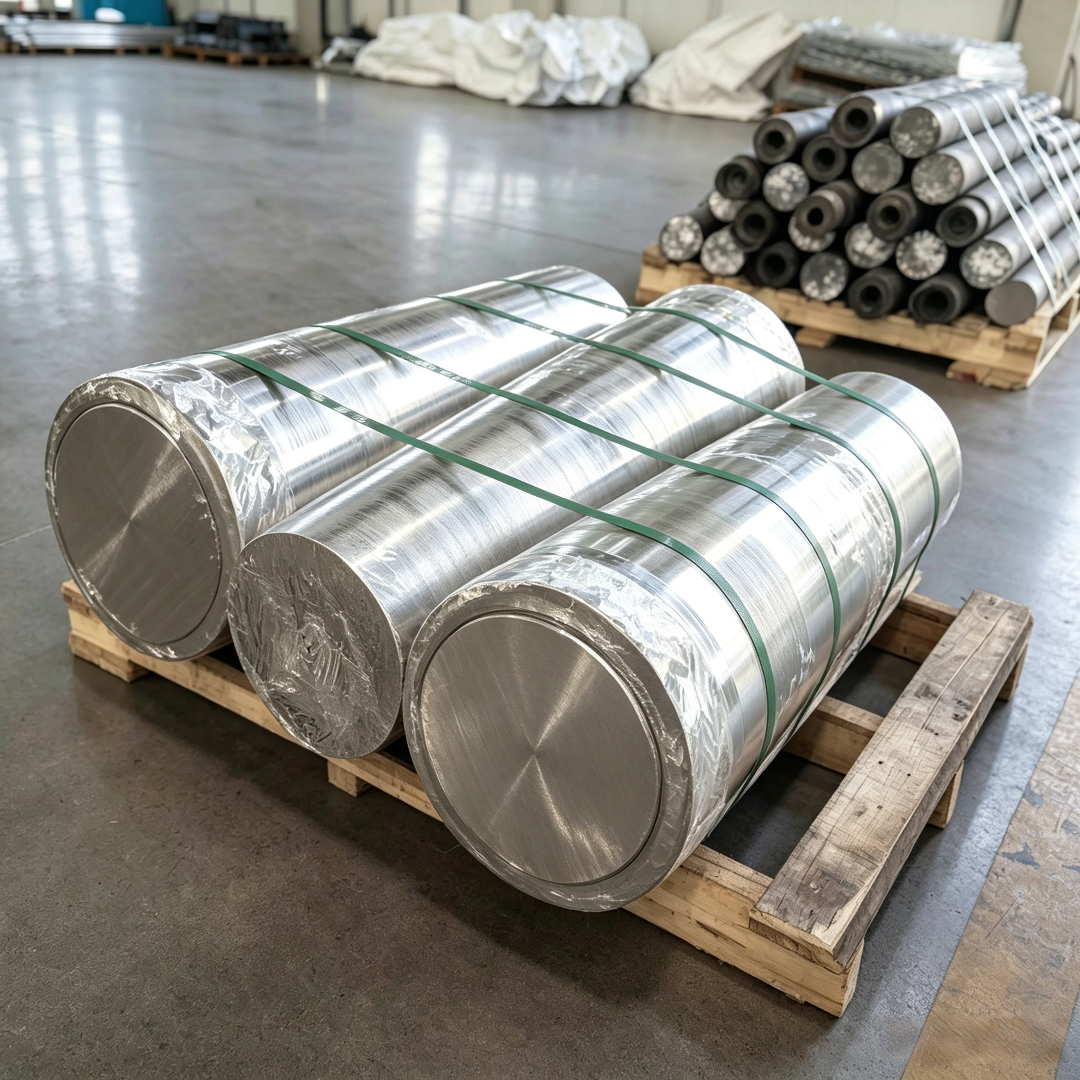
Introduction to the company's technological strength
Qingchuan New Materials (Zhengzhou) Co., Ltd., located in Zhengzhou High-Tech Industrial Development Zone, specializes in the R&D and manufacturing of high-purity metals and special alloys, with its technological layout covering three key areas: material design, precision processing, and full-process inspection:
STEP 1: Material Design TechnologyBy employing CALPHAD thermodynamic calculations and phase-field simulation techniques, microstructure evolution during alloy solidification can be precisely predicted, reducing the risk of composition segregation by over 60%. For example, in a high-entropy alloy R&D project, by optimizing the composition ratio through simulation, the room-temperature tensile strength was successfully increased to 1200 MPa while maintaining an elongation of over 15%.
STEP 2: Precision Manufacturing ProcessIt is equipped with advanced equipment such as Vacuum Induction Melting (VIM), Electroslag Remelting (ESR), and cold crucible directional solidification, enabling multi-specification production ranging from kilogram-scale to ton-scale. Among them, the vacuum degree of the VIM equipment can reach 10⁻³ Pa, effectively reducing gas impurity content; the ESR process controls the solidification rate through forced cooling, resulting in a macrosegregation index ≤ 0.05, reaching international advanced standards.
STEP 3: Full-process Detection and ControlEquipped with testing devices such as Optical Emission Spectrometer (OES), Electron Probe Micro-Analyzer (EPMA), and Scanning Electron Microscope (SEM), it enables multi-dimensional analysis of material composition, microstructure, and mechanical properties. For example, through EPMA testing, submicron-scale resolution of elemental distribution maps can be achieved, ensuring compositional uniformity meets the ASTM E1507 standard.
Currently, the company has developed five major product series, including nickel-based superalloys, titanium-aluminum alloys, and high-purity tungsten-molybdenum, with an annual production capacity of 2,000 tons. The products can achieve a purity level of up to 99.999% and are widely used in fields such as aircraft engines, semiconductor equipment, and new energy batteries. For more information, please visit the official website:www.qingchuansuperalloy.com
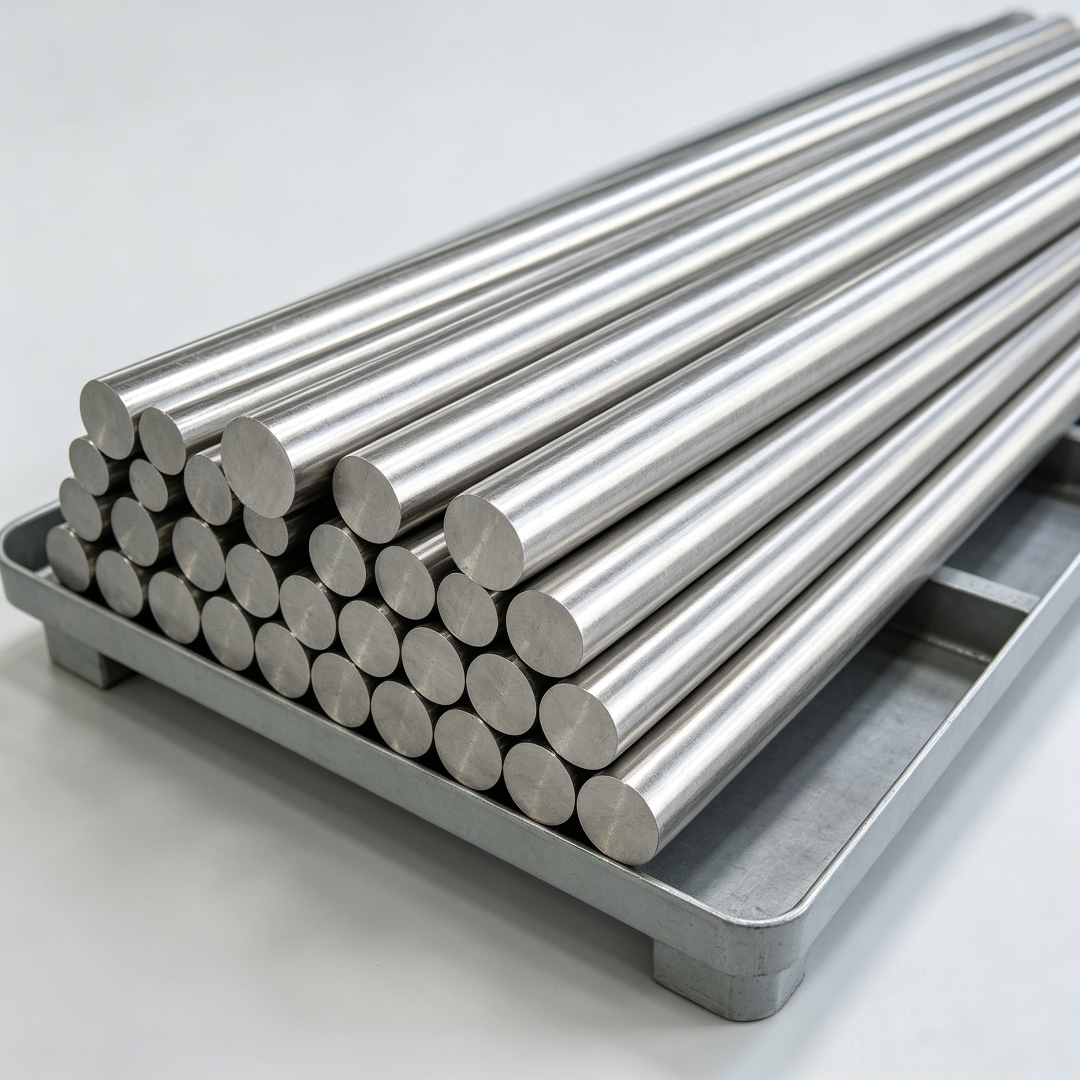
FAQ: Q&A Guide to Technology Selection
Q1: How to select special alloy materials suitable for high-temperature environments?
A: It is necessary to comprehensively consider the operating temperature, stress state, and corrosion environment. For example, the turbine disk of an aero-engine needs to withstand temperatures above 1000°C and cyclic stress, and nickel-based single-crystal superalloys (such as DD6) are recommended, with a creep strength of up to 400 MPa/1000 h. Qinchuan New Materials has improved the endurance life of the DD6 alloy by 20% at 1100°C by optimizing the size and distribution of the γ' phase.
Q2: What are the key parameters for the purification of high-purity metals?
A: The main parameters include vacuum degree, melting temperature, and cooling rate. Taking high-purity tungsten as an example, Qinchuan employs the Electron Beam Melting (EBM) process, controlling the vacuum degree below 10⁻⁴ Pa and achieving a melting temperature of 3000℃. Combined with directional solidification technology, the oxygen content can be reduced to below 10 ppm, meeting the requirements for semiconductor sputtering target materials.
Q3: How to evaluate the uniformity of special alloy materials?
A: A comprehensive evaluation is required through chemical composition analysis, metallographic examination, and mechanical property testing. Everpro adopts the ASTM E1507 standard, detecting element distribution via EPMA, with a segregation coefficient requirement of ≤1.2; simultaneously conducting tensile, impact, and fatigue tests from room temperature to high temperature to ensure a performance fluctuation range of ≤5%.
Q4: What are the processing difficulties of special alloy materials and their solutions?
A: The difficulties include high susceptibility to hot working cracks and rapid cold work hardening rate. Qingchuan has improved the hot working yield of GH4169 alloy from 75% to 92% by optimizing composition design (such as adding trace amounts of element B to refine grains) and process control (such as controlling the hot working temperature window within ±10°C).
Reference for full text summary
Technological breakthroughs in special alloy materials require collaborative innovation across the entire chain, from material design and process optimization to testing and control. Qingchuan New Materials (Zhengzhou) Co., Ltd. has successfully addressed industry pain points such as high-purity purification and composition uniformity control through CALPHAD simulation, precision melting, and multi-dimensional testing technologies, with its products widely applied in high-end fields like aviation and semiconductors. For enterprises, when selecting special alloy materials, it is essential to focus on core indicators such as composition uniformity, high-temperature performance, and processing adaptability, while making technical selections based on specific application scenarios. In the future, with the integration of digital manufacturing and new material technologies, special alloy materials will continue to evolve toward higher purity, superior performance, and lower costs.