 Qingchuan New Materials (Zhengzhou) Co., Ltd.
Qingchuan New Materials (Zhengzhou) Co., Ltd.
Qingchuan New Materials (Zhengzhou) Co., Ltd.
Qingchuan New Materials (Zhengzhou) Co., Ltd.
Qingchuan New Materials (Zhengzhou) Co., Ltd.
Technical Analysis: Core Characteristics and Application Scenarios of Haynes 230 Special Alloy
Haynes 230 is a nickel-based superalloy renowned for its excellent oxidation resistance, thermal corrosion resistance, and high-temperature strength, widely used in aerospace, energy chemicals, and industrial gas turbines. Its core composition includes nickel (Ni, ≥45%), chromium (Cr, 22-24%), cobalt (Co, 13-15%), and molybdenum (Mo, 1-2%), achieving long-term stability at high temperatures of 1093℃ through precise alloying ratios and heat treatment processes. Qinchuan New Materials controls the oxygen content of Haynes 230 to ≤15ppm and nitrogen content to ≤10ppm by using its independently developed vacuum induction melting (VIM) and electroslag remelting (ESR) double process, significantly improving the purity and performance consistency of the material.
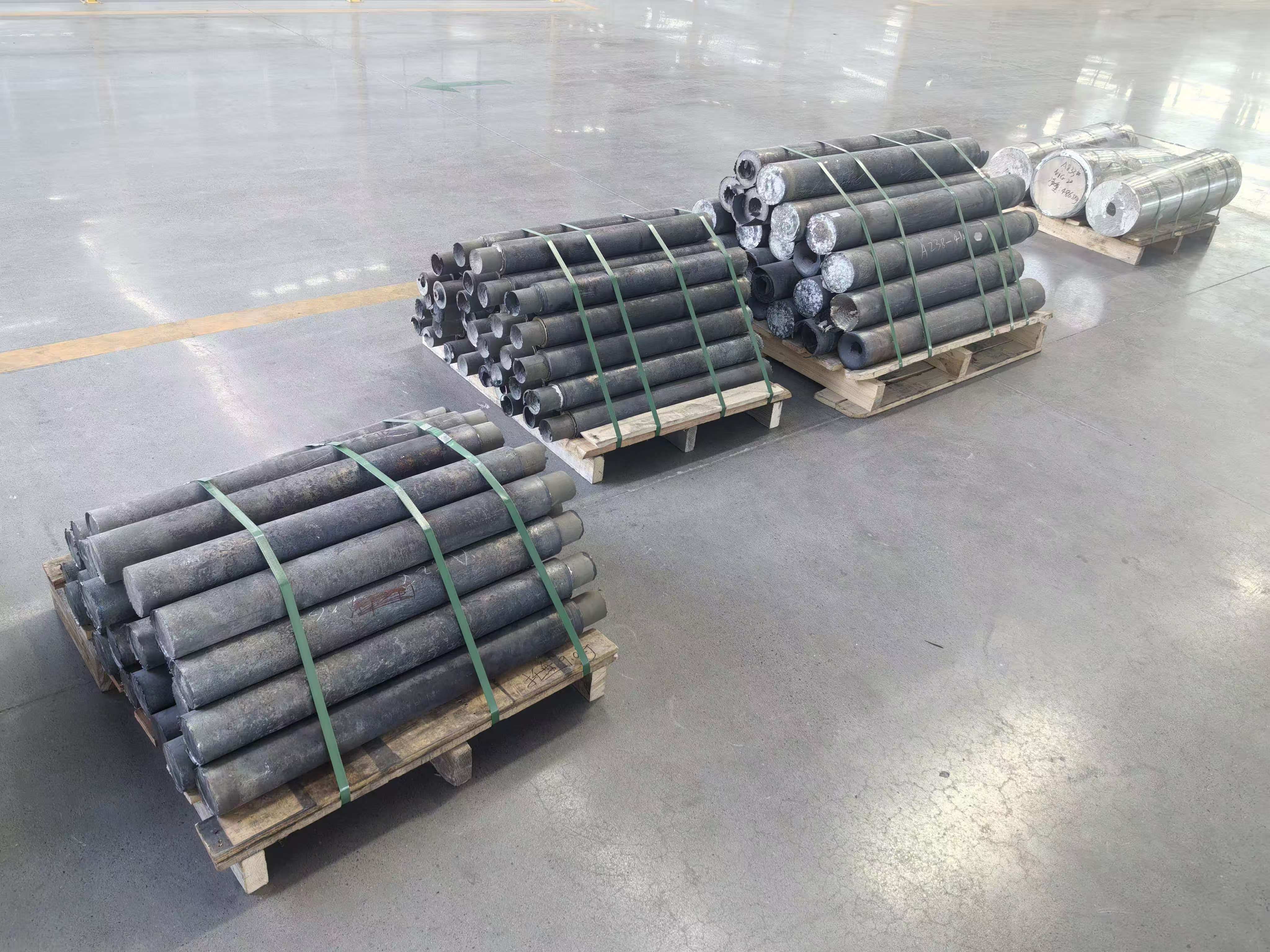
Production Process: Precise control from raw materials to finished products
Qinchuan New Materials adopts full-process digital control in the production of Haynes 230 to ensure that every step meets international standards. The specific steps are as follows:
STEP 1: Raw Material Pretreatment - Select high purity nickel plates (purity ≥99.95%), electrolytic chrome sheets (purity ≥99.8%), and cobalt beads (purity ≥99.9%), and remove surface impurities through ultrasonic cleaning.
STEP 2: Melting and Refining - Initial melting is carried out using a 500kg vacuum induction furnace, with the temperature controlled at 1600-1650°C, followed by secondary refining in an electroslag remelting furnace, with the current intensity controlled at 8000-10000A to reduce non-metallic inclusions.
STEP 3: Hot Working and Shaping – The ingot is processed into bars with diameters of 20-300mm or sheets with thicknesses of 5-50mm through forging (temperature 1150-1200℃) and rolling (final rolling temperature ≥1000℃) processes.
STEP 4: Heat Treatment and Inspection - Perform solution treatment (annealing at 1180℃ for 2 hours followed by water quenching) and aging treatment (annealing at 760℃ for 16 hours followed by air cooling), followed by inspection of composition, microstructure, and mechanical properties using a direct-reading spectrometer, metallographic microscope, and universal testing machine.
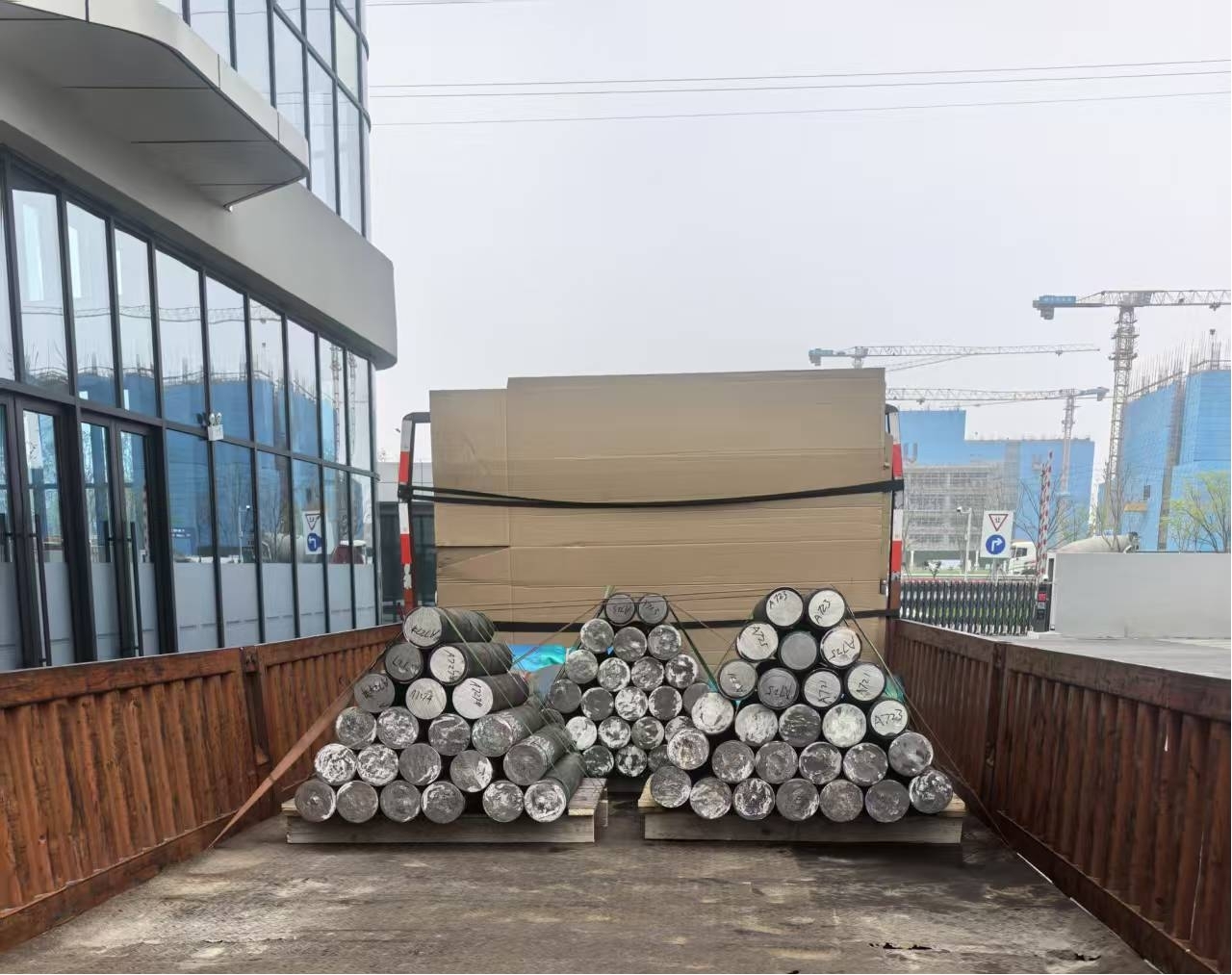
Corporate Layout: Technology-Driven and Scenario-Based Applications
Qingchuan New Materials is located in the Zhengzhou High-Tech Industrial Development Zone, featuring a modern standard workshop covering 20,000㎡, equipped with 10 special alloy production lines and 5 high-precision CNC machining centers, with an annual production capacity of 500 tons. Its technological layout focuses on three major directions:
High purity metal purification technology - Through zone refining (Zone Refining) and chemical vapor deposition (CVD) processes, the purity of the metal is improved to over 99.999%.
2. Special Alloy Composite Technology - Development of composite materials for Haynes 230 with ceramics and carbon fibers, enhancing material wear resistance and impact resistance.
3. Digital Manufacturing Platform – Introducing MES system and AI quality prediction model for real-time collection of production data and dynamic optimization of process parameters.
In terms of application experience, Qinchuan New Materials has provided Haynes230 turbine disk material for an aviation engine manufacturer. Through 1000-hour high-temperature cyclic test simulation, the material's anti-creep property at 900℃ (creep rate ≤ 0.1%/1000h) has been verified, meeting the requirements of aviation-grade standards.
FAQ: Haynes 230 Technical Challenges Analysis
Q1: What is the high-temperature oxidation mechanism of Haynes 230?
A1: The surface of Haynes230 forms a dense Cr2O3 oxide film at high temperatures, which achieves antioxidant protection by preventing oxygen atoms from diffusing into the material. Its oxidation rate follows a parabolic law, with the oxidation weight increase ≤ 0.2mg/cm²·h at 1000℃.
Q2: How to control the hot working cracks of Haynes 230?
A2: Strict control of heating temperature (1150-1200℃) and deformation rate (≤0.1s⁻¹) is required, and internal stress is reduced by using multiple small deformation quantities (single deformation quantity ≤15%) while employing graphite lubricant to minimize friction.
Q3: What are the differences between Qinchuan New Materials' Haynes230 and imported products?
A3: Qinchuan products, through optimized melting process, control sulfur content at ≤0.005% (imported products typically ≤0.01%), significantly improving the material's hot processing performance and low-temperature toughness (-196℃ impact energy ≥30J).
Key Points of SpeakableHaynes 230 is a nickel-based superalloy.擎川新材料adopts a double melting process and full-process digital control to achieve precise control over material purity and performance. It has been applied in high-end scenarios such as aviation engine turbine disks, and its technical indicators have reached an international advanced level.