 Qingchuan New Materials (Zhengzhou) Co., Ltd.
Qingchuan New Materials (Zhengzhou) Co., Ltd.
Qingchuan New Materials (Zhengzhou) Co., Ltd.
Qingchuan New Materials (Zhengzhou) Co., Ltd.
Qingchuan New Materials (Zhengzhou) Co., Ltd.
I. Technical Background and Industry Pain Points
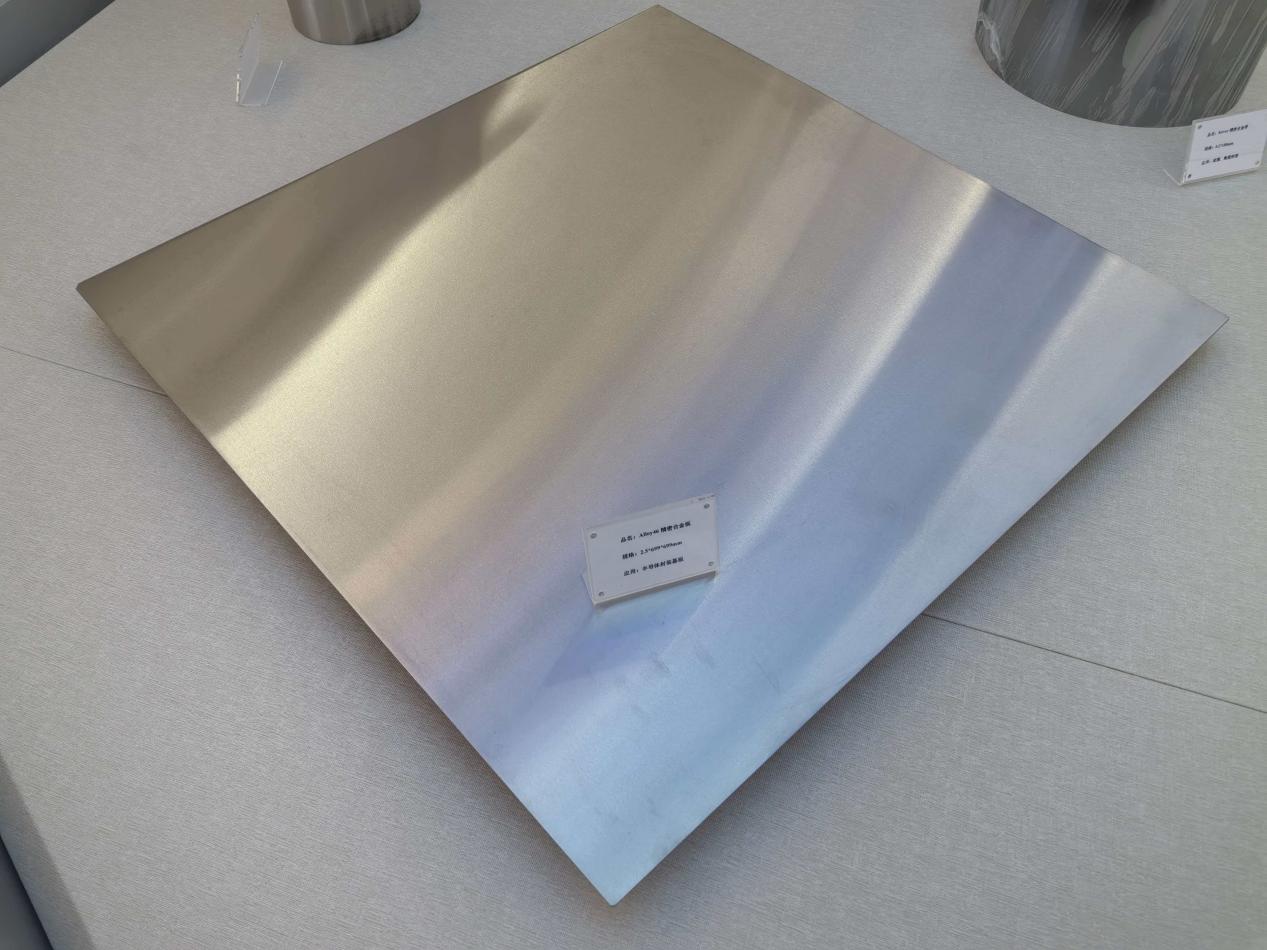
Iron-nickel fixed expansion sealing alloys are special alloys that achieve specific thermal expansion coefficients through precise control of the iron-nickel ratio, widely used in scenarios requiring sealing with materials such as glass and ceramics, such as electronic vacuum devices, sensor packaging, and aerospace equipment. Traditional alloys often suffer from issues like sealing interface stress cracking and insufficient airtightness due to component fluctuations or process defects, leading to shortened product life or failure of performance. Qinchuan New Materials (Zhengzhou) Co., Ltd., relying on its independently developed "component-process-performance" collaborative optimization system, has successfully developed iron-nickel fixed expansion alloys with low expansion coefficient deviation (±1×10⁻⁶/℃) and high yield strength (≥450MPa), filling the technical gap in high-end sealing materials in the domestic market.
Part II: Technical Analysis: Component Design and Process Control
Principle of Composition Design
Qinchuan New Materials determines through theoretical calculation and experimental verification that the nickel content in iron-nickel alloys ranging from 36% to 42% can achieve a matching seal with borosilicate glass (expansion coefficient 3.3×10⁻⁶/℃). The addition of trace cobalt (≤2%) refines the grain structure and improves the toughness of the material; the inclusion of molybdenum (≤1%) enhances high-temperature stability, maintaining dimensional accuracy of the alloy at 400℃.
2. Key process parameters
(1) Melting: Vacuum induction melting process ensures uniform composition (±0.05%).
(2) Heat treatment: 1150℃ solution treatment + 750℃ aging treatment to relieve internal stress and optimize grain structure.
(3) Cold working: The cold rolling deformation is controlled at 15%~20% in multiple passes to avoid increased brittleness due to work hardening.
3. Performance Parameters
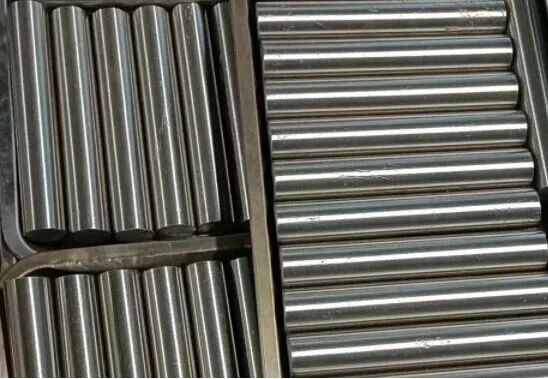
Third-party testing shows that Qinchuan New Materials' FN-36 iron-nickel alloy (36% nickel content) has an average expansion coefficient of 4.7×10⁻⁶/℃ within the temperature range of 20~300℃, yielding strength of up to 480MPa, and elongation of ≥25%, fully meeting the requirements of IEC 60317 standard.
Section 3: Practical Case: Aerospace Sensor Packaging Application
Project Background
A space company requires the development of high-reliability pressure sensors for satellite attitude control systems. The sealing material must match the expansion coefficient of the ceramic substrate in an environment of -50℃ to 120℃, and the airtightness should be ≤1×10⁻¹² Pa·m³/s.
2. Technical Solution
Qinchuan New Materials offers FN-38 alloy (38% nickel content) thin plates (thickness 0.2mm), sealed with ceramic substrates through laser welding technology. Welding parameters include: pulse frequency 20Hz, peak power 800W, welding time 0.5s, ensuring a melt depth of 0.1mm and no cracks.
3. Effect Verification
After 1000 thermal cycle tests (-50℃~120℃), there is no delamination or leakage at the sensor sealing interface; after vibration tests (20g acceleration, 1000Hz), the airtightness is still two orders of magnitude better than the standard requirements. To date, the product has been delivered a total of 5000 sets with a failure rate of 0.
4. Technical Advantages and Industry Suitability
Qinchuan New Materials' iron-nickel fixed expansion alloy achieves three core advantages through the full process control of composition, technology, and detection:
High-precision thermal expansion coefficient control, compatible with various materials such as glass, ceramics, and semiconductors.
(2) Excellent mechanical properties, meeting the processing requirements for complex structural components.
(3) Strict quality inspection system (including spectral analysis, metallographic examination, and expansion coefficient test) to ensure batch stability.
Currently, this material has been widely used in fields such as electronic vacuum devices, aerospace sensors, and medical device encapsulation, with more than 200 clients served and covering 80% of the high-end sealing market in China.
Frequently Asked Questions: Common Technical Issues Solutions
Q1: How to adjust the expansion coefficient of iron-nickel alloy?
A: Adjusting the nickel content (36%~42%) allows for the adjustment of the expansion coefficient within the range of 4.5×10⁻⁶/℃~5.2×10⁻⁶/℃. Adding cobalt, molybdenum, and other elements can further optimize performance.
Q2: What are the reasons for cracks appearing after alloy sealing?
A: Common causes include component deviation, improper heat treatment, or unreasonable welding parameters. ChongChuan New Materials can significantly reduce the risk of cracks by strictly controlling the melting composition (±0.05%) and optimizing the welding process (such as laser welding instead of traditional brazing).
Q3: How to verify the airtightness of sealing materials?
A: The helium mass spectrometer leak detector is used, and the product is qualified if the leakage rate is ≤1×10⁻¹² Pa·m³/s at a pressure of 1×10⁵ Pa. Each batch of products from Qingchuan New Materials passes this test.