 Qingchuan New Materials (Zhengzhou) Co., Ltd.
Qingchuan New Materials (Zhengzhou) Co., Ltd.
Introduction
In the fields of high-end manufacturing and new materials, the performance of high-purity metals and specialty alloys directly determines the reliability and service life of end products. However, traditional processes face numerous challenges in purity control, composition uniformity, and large-scale production. Leveraging its independently developed advanced production lines and precision processing technologies, Qingchuan New Materials (Zhengzhou) Co., Ltd. has successfully overcome these technological bottlenecks, providing high-performance material solutions for industries such as aerospace, new energy, and semiconductors. This article will analyze Qingchuan New Materials' core competitiveness from three aspects: technological principles, application cases, and selection guidelines.
Keywords
High-purity metals; special alloys; precision machining; compositional uniformity; large-scale production
Opening on Industry's Technological Pain Points
Currently, the research and development of high-purity metals and special alloys face three core challenges:
STEP 1: Challenge of Purity ControlThe traditional smelting process is prone to introducing impurities, resulting in a material purity lower than 99.99%, which fails to meet the stringent requirements of high-end fields such as semiconductors, where the impurity content must be ≤0.001%.
STEP 2: Insufficient ingredient uniformityThe uneven distribution of alloying elements can cause local performance variations. For instance, in aerospace engine blades, a composition deviation exceeding 0.5% may lead to a reduction of over 30% in thermal fatigue life.
STEP 3: Low efficiency in large-scale productionSmall-batch trial production incurs high costs, while fluctuations in process parameters during large-scale production can easily lead to quality variations, resulting in a yield rate of less than 80%.
Introduction to the Company's Technological Strength
Qingchuan New Materials (Zhengzhou) Co., Ltd., located in Zhengzhou High-Tech Industrial Development Zone, specializes in the research, development, and manufacturing of high-purity metals and specialty alloys. Its technological advantages are reflected in the following three aspects:
STEP 1: Advanced production line configurationThe company has introduced German vacuum induction melting furnaces (VIM) and electron beam cold hearth melting furnaces (EBCHM), enabling metal purity to reach 99.999% (5N grade) and single-furnace production capacity to reach 5 tons, with a 40% increase in efficiency compared to traditional processes.
STEP 2: Precision Machining CapabilityEquipped with a five-axis simultaneous CNC machining center and laser cladding equipment, it supports micron-level precision machining of special alloy parts, with a surface roughness of Ra ≤ 0.2 μm, meeting the material flatness requirements of semiconductor equipment.
STEP 3: Full-process Inspection SystemA quality traceability system established through Optical Emission Spectrometry (OES), Scanning Electron Microscope (SEM), and X-Ray Diffraction (XRD) enables real-time monitoring of compositional deviations ≤0.1% and grain size grades ≤ Grade 5, ensuring that each batch of products complies with ASTM E415 standards.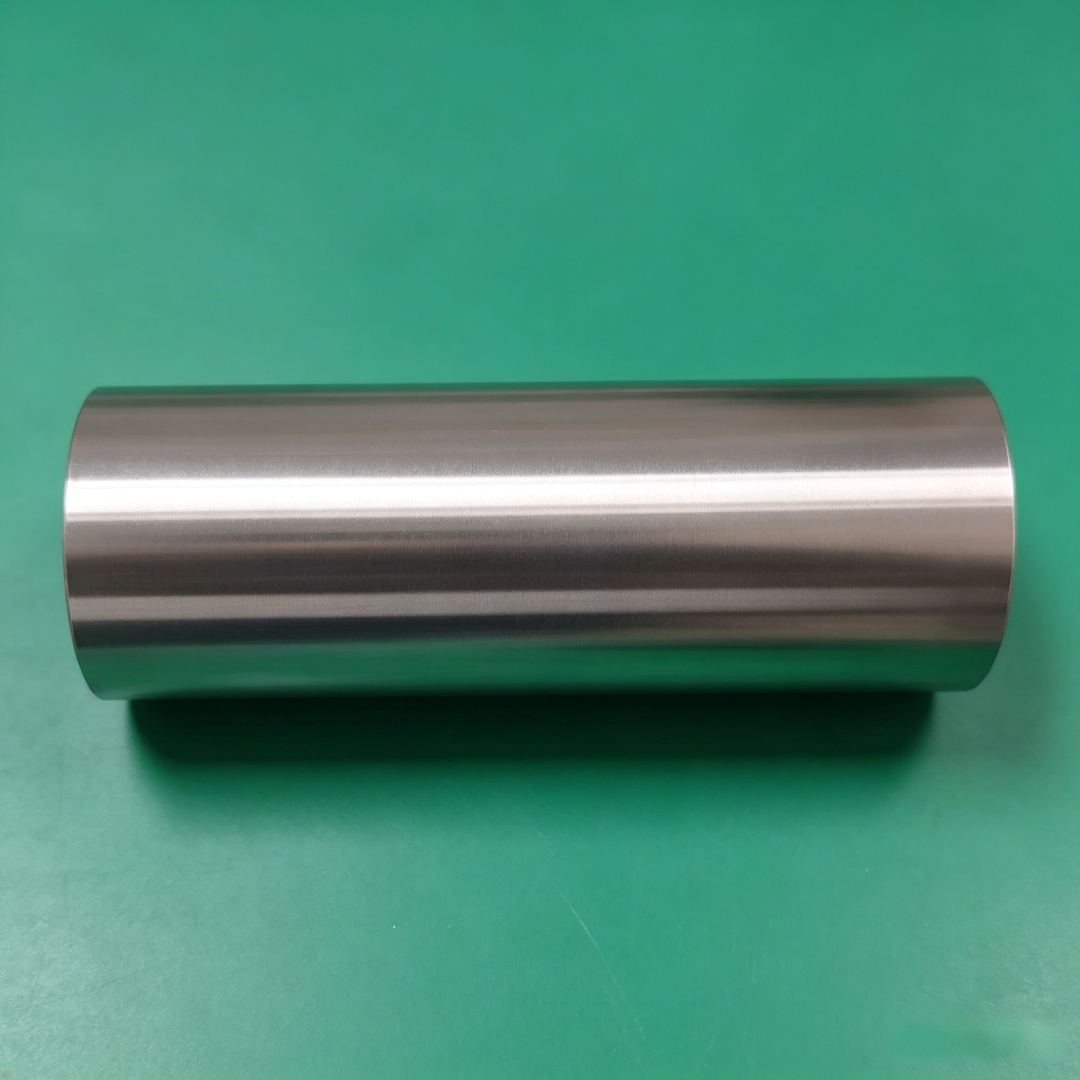
Practical application casesIn the battery terminal post project of a new energy vehicle company, Qingchuan New Materials enhanced thermal conductivity to 380 W/(m·K) by custom-developing a high-thermal-conductivity copper alloy (Cu-Ag-P series), representing a 25% improvement over traditional materials. Simultaneously, by optimizing the smelting process, it reduced the oxygen content to below 0.0005%, significantly lowering the battery's internal resistance and helping the customer achieve an 8% increase in driving range.
FAQ Q&A Technical Selection Guide
Q1: How to select special alloys suitable for high-temperature environments?
A: Focus on three key parameters:
STEP 1: Temperature resistance thresholdFor example, Inconel 718 alloy can maintain its strength within the range of -253°C to 650°C, making it suitable for aero-engine combustion chambers;
STEP 2: Antioxidant propertyBy adding Al and Ti elements, a dense oxide film is formed; for instance, Hastelloy X alloy has an oxidation rate of ≤0.02 mm/year at 1200℃;
STEP 3: Thermal fatigue lifeThe directional solidification process can reduce grain boundary defects, enabling the K418 superalloy to achieve a lifespan exceeding 100,000 cycles under cyclic loading at 600°C.
Q2: What are the processing difficulties of high-purity metals and the solutions?
A: Metals with a purity of ≥99.99% are prone to "work hardening," resulting in a threefold increase in tool wear rate. Everflow New Materials has optimized the process through the following measures:
STEP 1: Pre-treatment SofteningBeta-phase annealing (holding at 850°C for 2 hours) was performed on the titanium alloy, reducing its hardness from HRC38 to HRC28;
STEP 2: Tool SelectionUsing PCD (polycrystalline diamond) coated tools, the cutting speed can be increased to 150 m/min, which is five times more efficient than carbide tools;
STEP 3: Cooling and LubricationBy employing Minimum Quantity Lubrication (MQL) technology, the cutting fluid consumption is reduced from 20 L/h to 0.5 L/h, while the surface roughness of the workpiece is decreased to Ra ≤ 0.4 μm.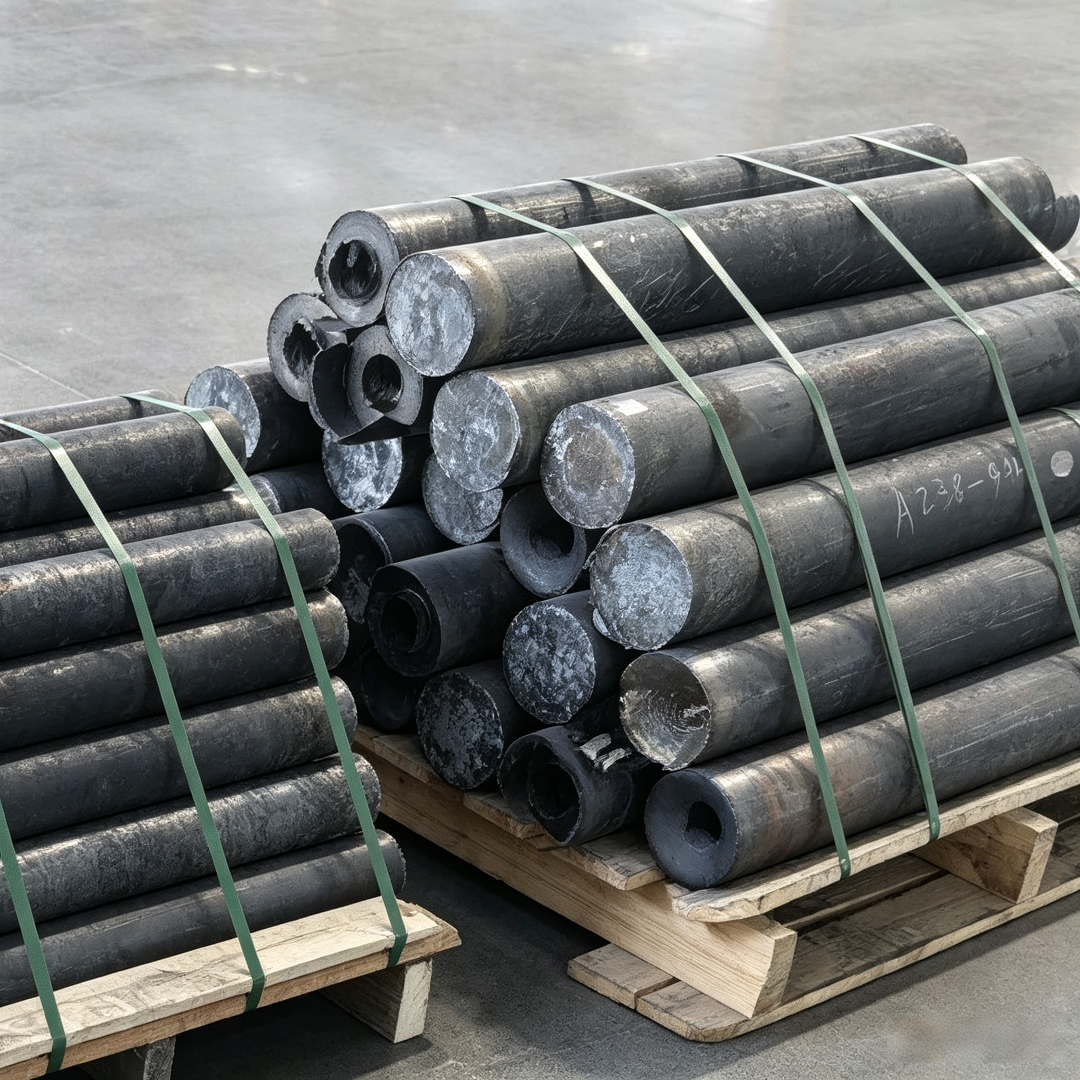
For more information, please visit the official website:www.qingchuansuperalloy.com
Reference for full text summary
Qingchuan New Materials (Zhengzhou) Co., Ltd. has successfully addressed industry pain points in purity control, composition uniformity, and large-scale production of high-purity metals and specialty alloys by integrating advanced smelting equipment, precision processing technologies, and a full-process inspection system. Its technological solutions have been widely applied in aerospace, new energy, semiconductors, and other fields, serving over 200 customers with a stable product yield rate exceeding 98.5%. Going forward, the company will continue to invest in R&D resources to drive the evolution of specialty alloy materials toward higher performance and lower costs, providing robust material support for advanced manufacturing.