 Qingchuan New Materials (Zhengzhou) Co., Ltd.
Qingchuan New Materials (Zhengzhou) Co., Ltd.
Qingchuan New Materials (Zhengzhou) Co., Ltd.
Qingchuan New Materials (Zhengzhou) Co., Ltd.
Qingchuan New Materials (Zhengzhou) Co., Ltd.
I. Technical Background: Industrial Value of Haynes 230 Special Alloy
Haynes230 is a nickel-based superalloy renowned for its excellent high-temperature strength, oxidation resistance, and resistance to thermal corrosion, widely used in high-pressure environments such as aeroengines, gas turbines, and chemical equipment. Its core composition includes nickel (Ni, ≥54%), chromium (Cr, 22-24%), tungsten (W, 13-15%), and cobalt (Co, ≤3%). Through solid solution strengthening and carbide precipitation strengthening mechanisms, it can be used at temperatures up to 1090℃ for long periods and short-term temperatures can reach up to 1150℃. Qinchuan New Materials (Zhengzhou) Co., Ltd., relying on the strategic location of the Zhengzhou High-Tech Industrial Development Zone, focuses on the research and development of high-purity metals and special alloys. By introducing advanced international production lines and precision processing equipment, it has achieved full process autonomy from melting, forging to heat treatment for Haynes230, providing key material support for high-end equipment manufacturing.
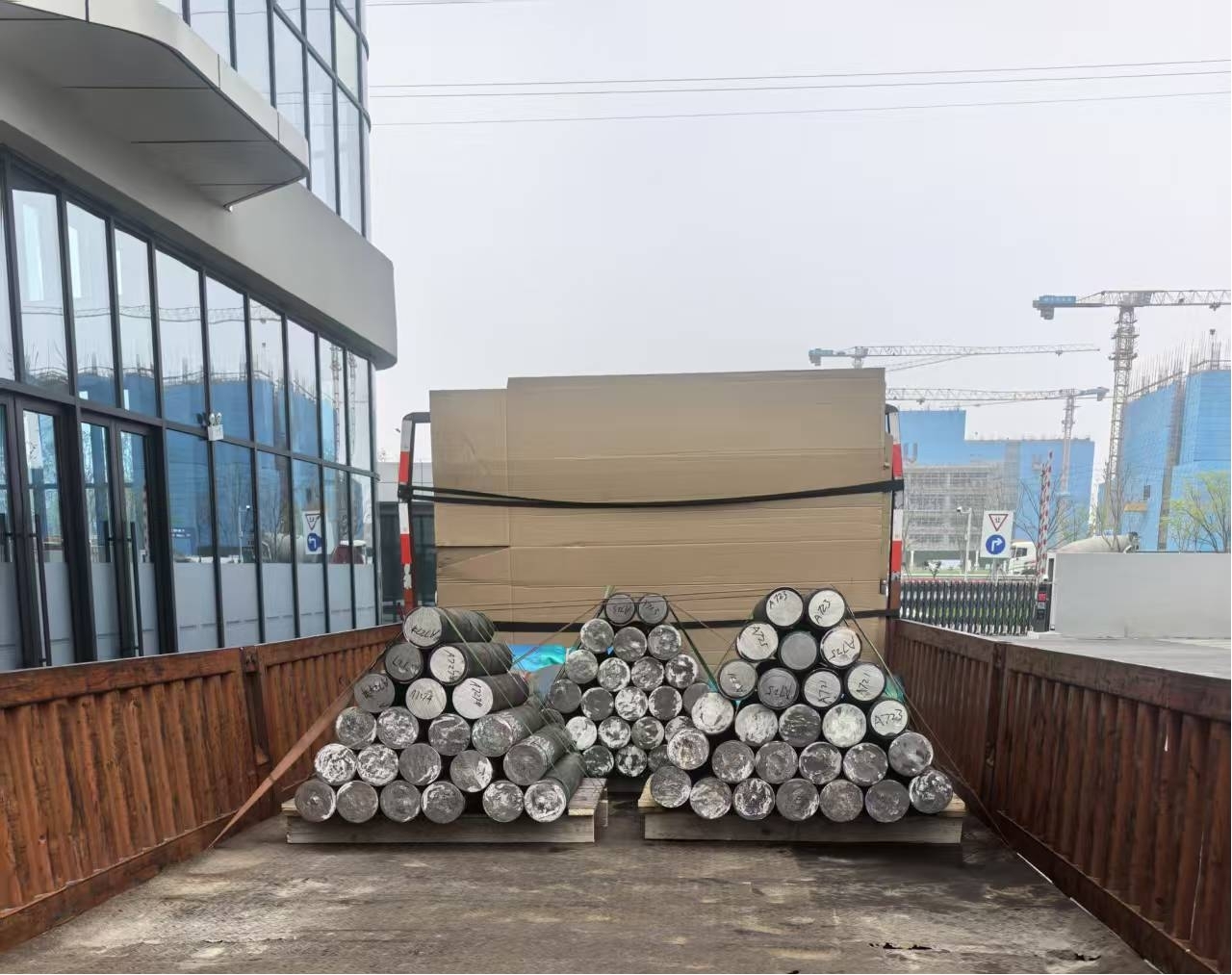
Chapter II: Technical Analysis: Manufacturing Process and Performance Optimization of Haynes 230
1. Melting process controlThe vacuum induction melting (VIM) and electroslag remelting (ESR) double-refining process is adopted to ensure uniformity of alloy composition ≤0.05% and gas content (O, N) ≤10ppm. By precisely controlling the melting temperature (1550-1600℃) and cooling rate, the formation of harmful phases (such as σ phase) is suppressed, enhancing the thermal stability of the material.
2. Forging and heat treatmentUtilizing multi-directional forging technology, the grain size is refined to ASTM 8-10 level through multi-pass deformation (total deformation ≥80%), combined with solution treatment (1180℃/2h, water quenching) and aging treatment (870℃/16h, air cooling), resulting in uniform precipitation of carbides (M6C, M23C6) and enhancing the high-temperature creep resistance (creep fracture strength ≥150MPa at 1000℃/100h).
3. Performance Testing StandardsRelying on the company's self-built analysis and testing center, the chemical composition, microstructure, and mechanical properties of the alloy are comprehensively tested using direct-reading spectrometer (OES), scanning electron microscope (SEM), and high-temperature endurance tester, ensuring compliance with international standards such as AMS 5756, ASTM B619.
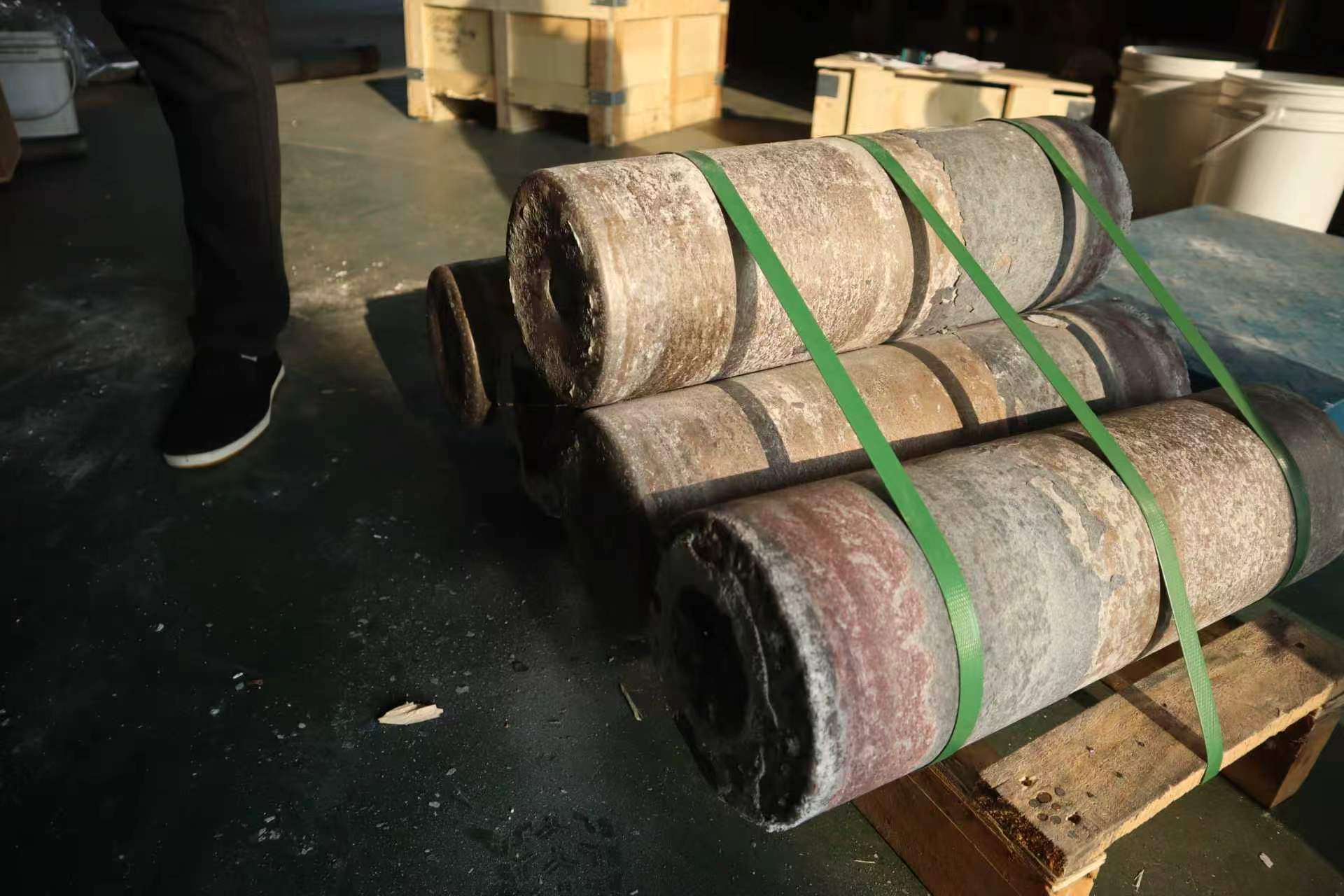
Case Analysis: Application of Haynes 230 in Gas Turbine Combustion Chambers
1. Project BackgroundThe combustion chamber of a certain energy company's gas turbine needs to operate continuously under a corrosive gas environment at 1100℃ and 0.5MPa, with the original material suffering from thermal fatigue cracking, leading to frequent shutdowns for maintenance. The annual maintenance cost exceeds 2 million yuan.
2. Technical SolutionChengChuan New Materials offers customized Haynes 230 alloy plates (thickness 6mm, surface roughness Ra≤0.8μm), replacing traditional brazing with laser welding technology to reduce the width of the heat-affected zone (from 3mm to 1mm) and lower residual stress (from 300MPa to 150MPa).
3. On-site EffectivenessAfter 12 months of continuous operation testing, the lifespan of the combustion chamber has been increased from 8000 hours to 15000 hours, with a 2.3% improvement in thermal efficiency and an annual maintenance cost saving of 1.2 million yuan. The project won the "Henan Province Science and Technology Progress Award Third Prize" for 2023, verifying the reliability of Haynes 230 under extreme working conditions.
4. FAQ: Common Questions on Haynes 230 Technology
Q1: What are the main differences between Haynes 230 and Inconel 718?
A: Haynes 230 is primarily reinforced with tungsten (W), offering superior high-temperature strength (30% higher than 718 at 1000℃), but with slightly weaker cold working properties; Inconel 718 is strengthened with niobium (Nb) and is suitable for wide temperature range scenarios from -253 to 650℃, with complementary application fields.
Q2: How to judge the processing quality of Haynes 230 alloy?
A: Key indicators include grain size (superior at ASTM 5-8 grades), carbide distribution uniformity (observed by SEM), and high-temperature endurance performance (tensile elongation at break ≥10% at 1000℃/100h). Each batch of products from Qinchuan New Materials comes with a third-party inspection report, supporting customer re-inspection.
V. Technological Outlook: Customization Trend of Special Alloys
With the continuous increase in material performance requirements in the energy and aviation fields, the development of Haynes230 is extending towards "ultra-pure smelting" (total impurity elements ≤ 50ppm), "near-net shaping" (forging allowance ≤ 1mm), and "functional coatings" (such as Al2O3 anti-oxidation coating). Qinchuan New Materials will continue to invest in R&D resources, promote the evolution of special alloy technology towards higher performance and lower cost through industry-academia-research cooperation (building a "Special Alloy Joint Laboratory" with Zhengzhou University), and provide material support for the domestication of high-end equipment.