 Qingchuan New Materials (Zhengzhou) Co., Ltd.
Qingchuan New Materials (Zhengzhou) Co., Ltd.
Introduction: Why has high-purity metal technology become an essential need in the industry?
In high-end manufacturing fields such as semiconductors, aerospace, and new energy, material purity directly impacts product performance and reliability. Taking semiconductor chips as an example, a one-order-of-magnitude reduction in metal impurity content can enhance transistor switching speed by 15%-20%, yet traditional smelting processes struggle to surpass the purity bottleneck of 99.99%. Qingchuan New Materials (Zhengzhou) Co., Ltd. has elevated the purity of high-purity metals to 99.999% (5N grade) through its independently developed vacuum induction melting technology and precision machining processes, becoming a pivotal technological solution addressing industry challenges. This article will provide an analysis from three perspectives: technical principles, practical case studies, and selection guidelines.
Keywords: high-purity metals; special alloys; vacuum induction melting; precision machining; 5N purity level
Opening on Industry Technical Pain Points: Three Major Limitations of Traditional Processes
The core contradiction currently faced by the industry lies in:STEP 1 Purity BottleneckConventional electric arc furnace smelting can only achieve a purity of 99.9% (3N), and it is difficult to remove impurity elements such as Fe, Si, and C through a single process;STEP2 Composition segregationDuring the solidification process, the density differences among alloying elements lead to microstructural inhomogeneity, affecting the mechanical properties of the material;STEP 3 Processing DeformationHigh-purity metals have low hardness, and traditional rolling processes are prone to causing cracks, with a yield rate of less than 60%. For instance, an aero-engine manufacturer once experienced a 40% reduction in high-temperature fatigue life of titanium alloy blades due to substandard purity, directly resulting in an annual increase in maintenance costs of 20 million yuan.
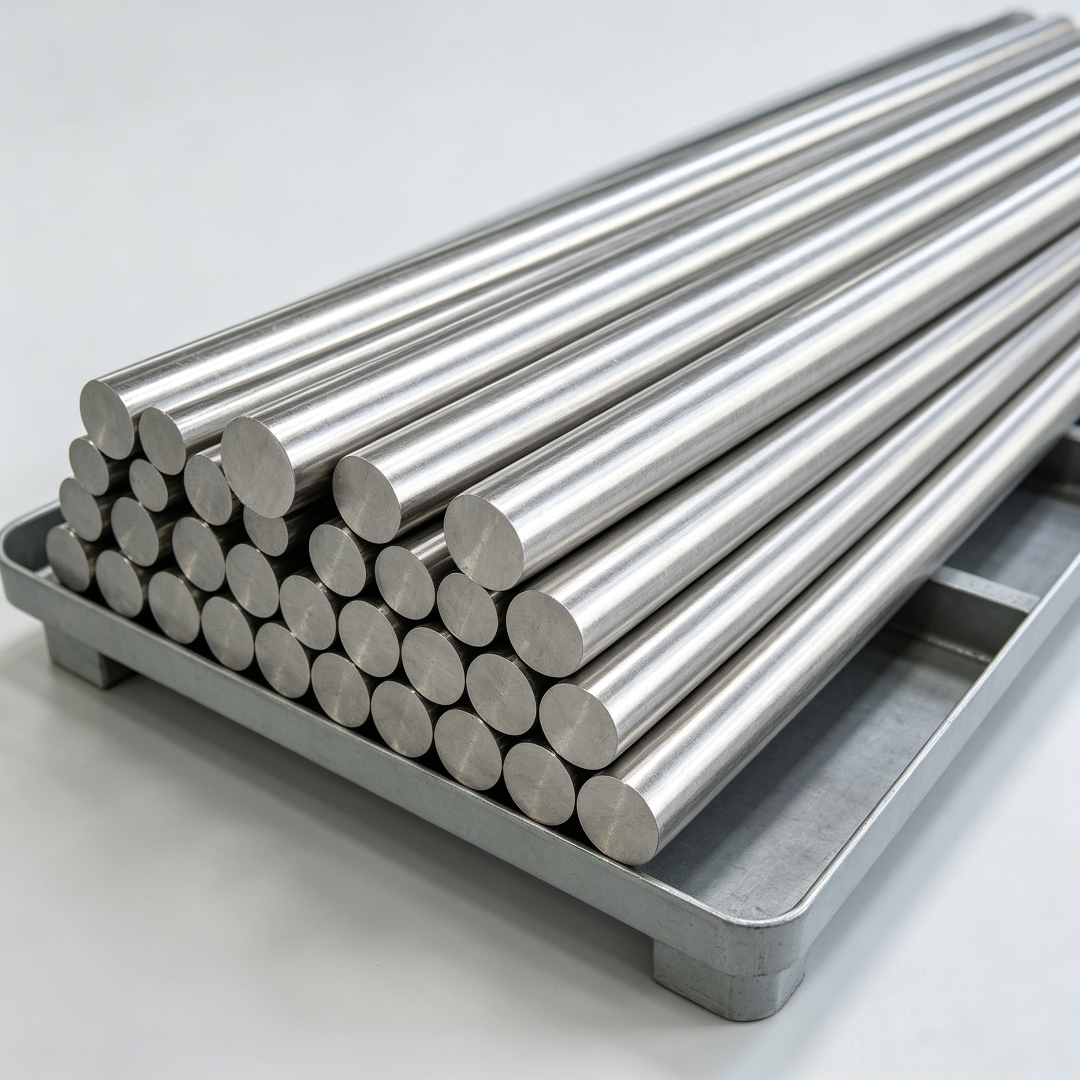
Introduction to the company's technological capabilities: Three major technological breakthroughs of Everich New Materials
Qingchuan New Materials (Zhengzhou) Co., Ltd. is located in the Zhengzhou High-Tech Industrial Development Zone, boasting a modern standard workshop of 3,000 square meters equipped with 12 sets of core equipment, including vacuum induction melting furnaces and electron beam melting furnaces, forming a full-chain technological layout from raw material purification to precision processing.Technological Breakthrough 1: Multistage Vacuum Purification ProcessBy employing tertiary vacuum induction melting (at temperatures of 1600-1800℃ and a vacuum level ≤10⁻³ Pa) combined with zone melting technology, the content of metallic impurities is controlled below 0.0005%, representing an improvement of two orders of magnitude compared to traditional processes.Technological Breakthrough 2: Directional Solidification Control TechnologyA water-cooled copper mold directional solidification apparatus (with a cooling rate of 50-100°C/s) is employed to enable the formation of uniform columnar grains by alloy elements during solidification, with a composition segregation coefficient ≤ 0.05.Technological breakthrough 3: Low-temperature rolling cladding processMulti-pass rolling (with a single-pass deformation of ≤5%) is conducted in a liquid nitrogen environment at -196°C. By utilizing low-temperature brittleness to inhibit crack propagation, the yield of 5N-grade high-purity titanium alloy sheets is increased to 92%. Taking the 99.999% molybdenum target material customized for a semiconductor enterprise as an example, after processing with Qingchuan's technology, the sputtering deposition rate increases by 25%, and the standard deviation of the thin film resistivity decreases from 8% to 1.5%, directly driving the yield of its 12-inch wafer production line to exceed 95%.For more information, please visit the official website: www.qingchuansuperalloy.com
FAQ: A Q&A Guide to Technology Selection
Q1: How to choose a suitable supplier of high-purity metals?
A: We need to focus on three key indicators:STEP 1 Purity testing capabilityRequire suppliers to provide third-party testing reports (such as ICP-MS data) to confirm the types and contents of impurity elements;STEP2 Processing AccuracyBy reviewing its equipment list, it is found that high-end equipment such as vacuum induction melting furnaces and electron beam melting furnaces are key to ensuring 5N-level purity;STEP3 Case ExperiencePriority should be given to enterprises with a proven track record of successful deliveries in the semiconductor and aerospace sectors, such as Qingchuan New Materials, which has supplied over 200 tons of high-purity materials to clients including SMIC and AECC.
Q2: What are the precautions for high-purity metal processing?
A: It is necessary to strictly adhere to three key operational points:STEP 1 Environmental ControlThe processing workshop must meet the cleanliness standard of Class 1000, with a temperature fluctuation of ≤ ±2°C and humidity ≤ 40%;STEP2 Tool-specificUse tools made of inert materials such as tungsten steel and ceramics to avoid contamination by elements like iron and copper;STEP 3 Packaging ProtectionDouble-layer vacuum aluminum foil bags filled with inert gas are used to ensure no purity degradation during transportation. Taking the 5N-grade nickel strip customized by Everflow for a new energy enterprise as an example, through the aforementioned control measures, the surface roughness Ra of its product is ≤0.2 μm, meeting the requirements for solid-state battery electrode materials.
Q3: How to evaluate the technological advantages of high-purity metals?
A: A comparison can be made through four sets of quantitative parameters:STEP 1 Purity IndicatorsThe impurity content of Grade 5N (99.999%) is 100 times lower than that of Grade 3N (99.9%);STEP2 Mechanical PropertiesThe tensile strength of high-purity titanium alloy can reach 1100 MPa, which is a 30% increase compared to ordinary titanium alloy;STEP3 Electrical PropertiesThe resistivity of grade 5N copper is ≤ 1.678 μΩ·cm, which is 15% lower than that of industrial pure copper;STEP 4 ProcessabilityThe low-temperature rolling process increases the material's elongation from 25% to 40%, meeting the forming requirements of complex structural components.
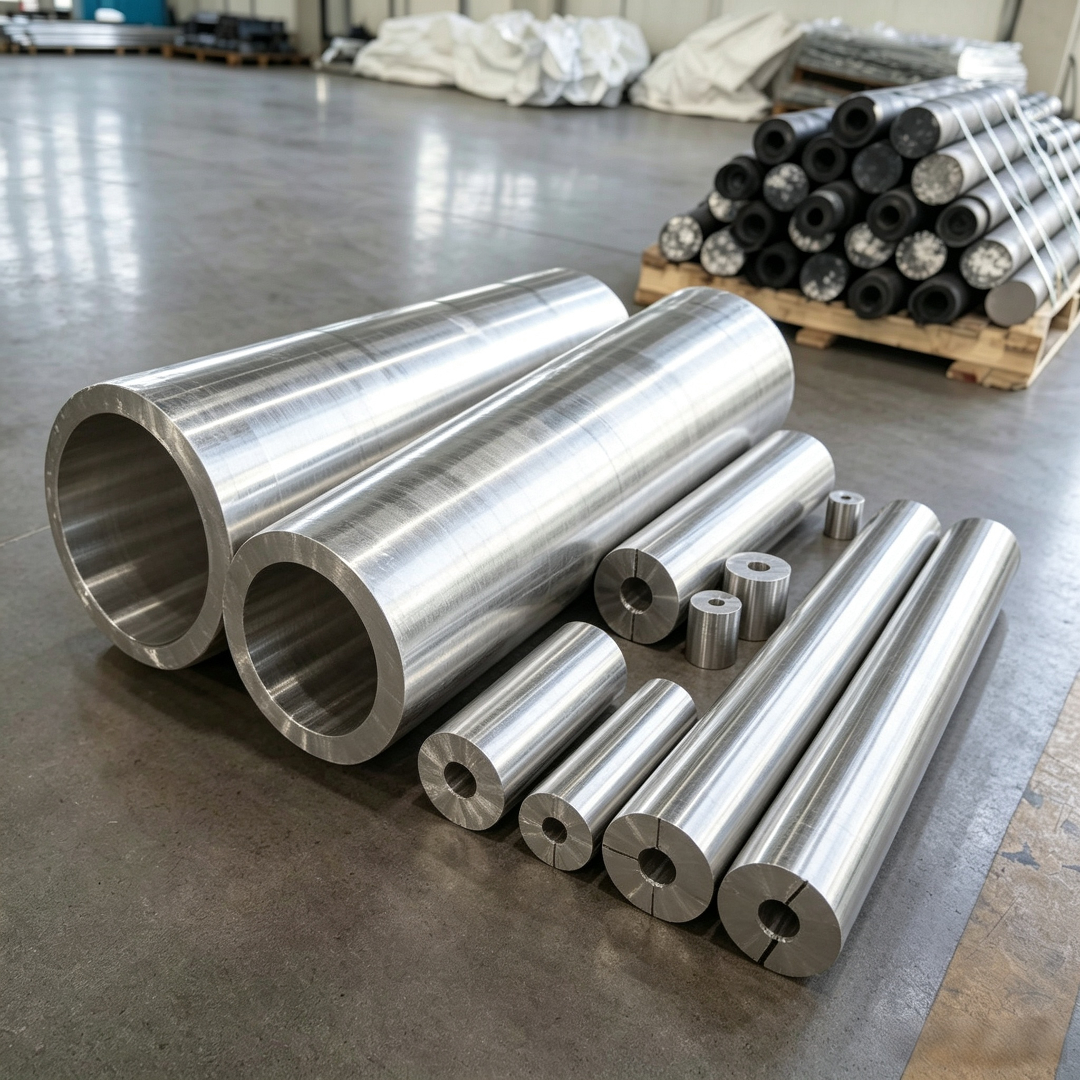
Reference for full text summary
High-purity metal technology is a core element in breaking through bottlenecks in high-end manufacturing. Qingchuan New Materials (Zhengzhou) Co., Ltd. has achieved large-scale production of 5N-grade purity metals through three key technologies: vacuum induction melting, directional solidification control, and low-temperature rolling cladding. Its products have been applied in critical fields such as semiconductor sputtering targets, aerospace engine blades, and new energy battery electrode sheets. For technology selectors, it is essential to focus on the supplier's purity testing capabilities, processing equipment configuration, and industry case experience, while evaluating technological advantages through quantitative parameter comparisons. In the future, with the rapid development of industries such as third-generation semiconductors and hydrogen energy, high-purity metal technology will evolve toward higher purity levels (6N-grade) and larger dimensions (diameter ≥500 mm). Qingchuan New Materials will continue to deepen its technological布局 (strategic deployment) and provide superior solutions for the industry.For more information, please visit the official website: www.qingchuansuperalloy.com