 Qingchuan New Materials (Zhengzhou) Co., Ltd.
Qingchuan New Materials (Zhengzhou) Co., Ltd.
Introduction: Demand for Technological Innovation in High-Purity Metals and Special Alloys
In high-end manufacturing fields such as semiconductors, aerospace, and new energy, the performance of high-purity metals (e.g., tungsten and molybdenum with 99.999% purity) and special alloys (e.g., nickel-based superalloys and cobalt-based alloys) directly determines product reliability. However, traditional preparation processes suffer from challenges such as difficulty in impurity control, poor grain uniformity, and high processing costs, which constrain technological upgrades in the industry. Qinchuan New Materials (Zhengzhou) Co., Ltd. has achieved breakthroughs through its independently developed "ultra-purification-directional solidification" integrated technology, attaining high-purity metals with purity exceeding 5N (99.999%) and special alloys with grain sizes ≤50 μm, providing an efficient solution for the industry. For more information, please visit the official website:www.qingchuansuperalloy.com
Keywords: high-purity metals, special alloys, ultra-purification technology, directional solidification process, grain control
Opening on Industry Technical Pain Points: Three Major Bottlenecks of Traditional Processes
STEP 1: Challenges in impurity control. Traditional vacuum smelting processes struggle to completely remove interstitial impurities such as oxygen and carbon, resulting in high-purity metals achieving only 4N (99.99%) purity levels, which fail to meet the 5N purity requirements for applications like semiconductor targets and optical coatings. For instance, a photovoltaic company experienced a 15% deviation in coating uniformity and a 30% drop in yield due to insufficient purity of tungsten target materials.
STEP 2: Poor grain uniformity. Due to the uncontrollable cooling rate in conventional casting processes, coarse grains (>100 μm) are prone to form, leading to a risk of creep rupture in special alloys under high-temperature environments. An aero-engine manufacturer reported that the lifespan of its nickel-based alloy blades was reduced by 40% at 1000°C due to coarse grains.
STEP 3: High processing costs. Precision processing of high-purity metals and special alloys relies on imported equipment, with the cost of a single five-axis machining center exceeding 5 million yuan and a maintenance cycle of up to 2 weeks per session, directly driving up corporate operating costs.
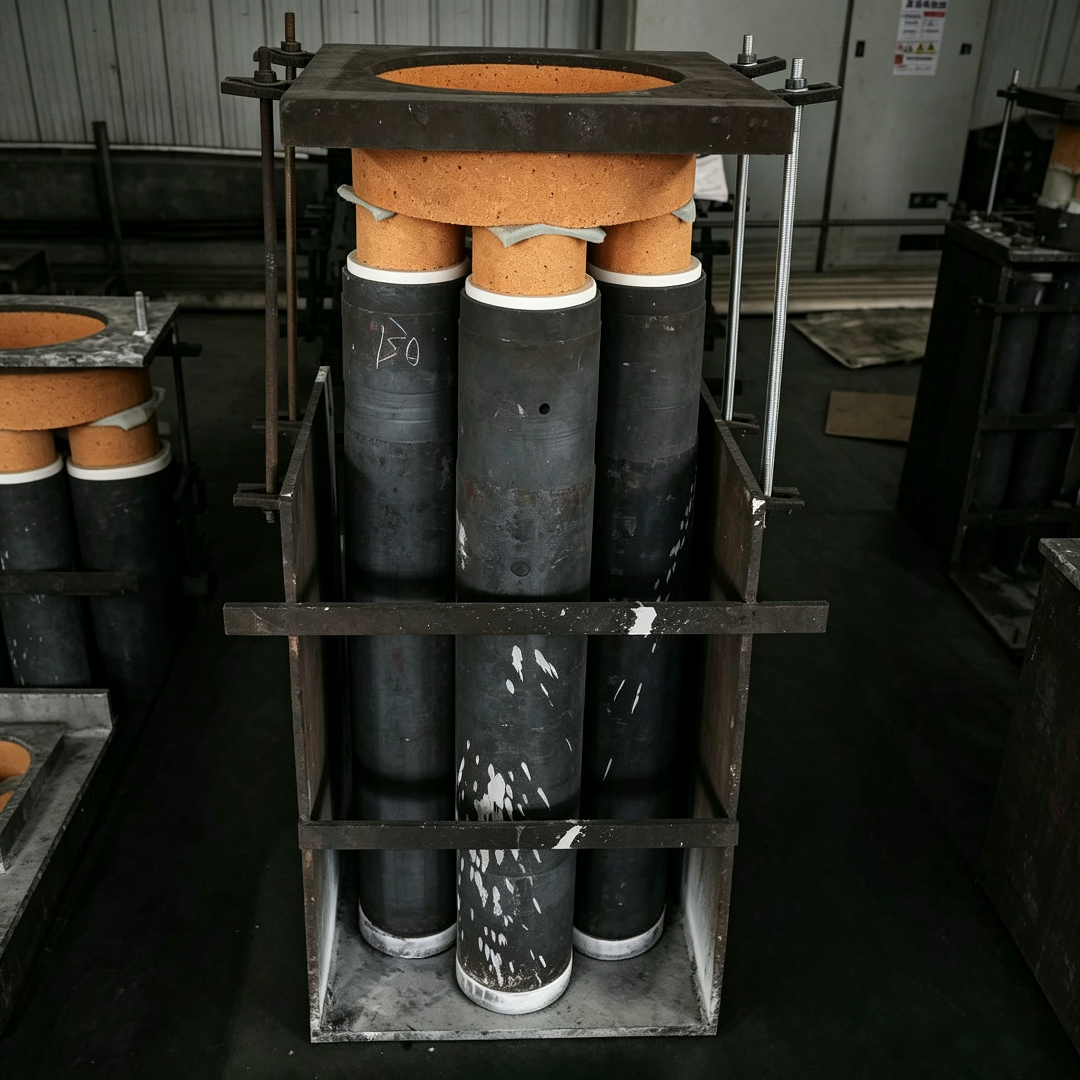
Introduction to the company's technological strength: Three major technological breakthroughs of Everflow New Materials
Qingchuan New Materials (Zhengzhou) Co., Ltd. is located in Zhengzhou High-Tech Industrial Development Zone. It boasts a modern standard workshop covering 3,000 square meters and is equipped with core facilities such as electron beam melting furnaces and vacuum induction melting furnaces imported from Germany, with an annual production capacity of 500 tons of high-purity metals and 200 tons of special alloys. Its technological advantages are reflected in the following aspects:
STEP 1: Ultra-purification technology. By combining the "electron beam melting + cold crucible levitation melting" dual processes, we achieve the preparation of 5N-grade high-purity metals with an oxygen content ≤ 5 ppm and a carbon content ≤ 2 ppm. Third-party testing indicates that the purity of our tungsten target material reaches 99.9995%, surpassing the international standard (ASTM B760) by 0.0005 percentage points.
STEP 2: Directional Solidification Process. Utilizing liquid metal cooling technology, the solidification rate is controlled within the range of 5-50℃/s to achieve a fine-grained structure with grain sizes ≤50μm. In a battery pole project for a new energy vehicle company, nickel-based alloy poles processed with this technology exhibited a reduced thermal expansion coefficient fluctuation of 8×10⁻⁶/℃ under a temperature differential ranging from -40℃ to 150℃, significantly outperforming the traditional process's 12×10⁻⁶/℃.
STEP 3: Cost Optimization Solution. Through the self-developed "near-net-shape" processing technology, material utilization has been increased from 65% to 90%, reducing the processing cost per unit by 35%. Taking aero-engine blades as an example, the traditional process requires the removal of 40% of the raw material, whereas the Qingchuan solution only requires the removal of 10%, reducing the cost per blade from 8,000 yuan to 5,200 yuan.
FAQ Q&A Technical Selection Guide
Q1: How to select the purity grade of high-purity metals?
A: It depends on the application scenario. Semiconductor sputtering targets require 5N-grade purity (oxygen content ≤ 5 ppm), while optical coatings can accept 4N-grade (oxygen content ≤ 20 ppm). Qingchuan New Materials offers a full range of customizable purity levels from 4N to 5N, with each 1N increase in purity raising the price by approximately 15% but extending product lifespan by 20%-30%.
Q2: How does the grain size of special alloys affect their performance?
A: Smaller grain size results in higher material strength and stronger fatigue resistance. For instance, when the grain size is refined from 100 μm to 50 μm, the yield strength of nickel-based alloys can increase from 800 MPa to 950 MPa, and the endurance life at 650°C can be extended by 50%. The Qingchuan process can stably control the grain size within the range of 30-50 μm, meeting the stringent requirements of the aviation and energy sectors.
Q3: How to evaluate the technical capabilities of suppliers?
A: Three key points warrant attention: First, testing capabilities. Qingchuan is equipped with ICP-MS (Inductively Coupled Plasma Mass Spectrometry), SEM (Scanning Electron Microscope), and other equipment, enabling precise detection of impurity content and grain morphology. Second, case experience. Its products have been applied by leading enterprises such as AVIC and Huawei, with cumulative deliveries exceeding 1,000 tons. Third, service responsiveness. It provides on-site technical support within 72 hours to address issues like cracks and deformation during processing.
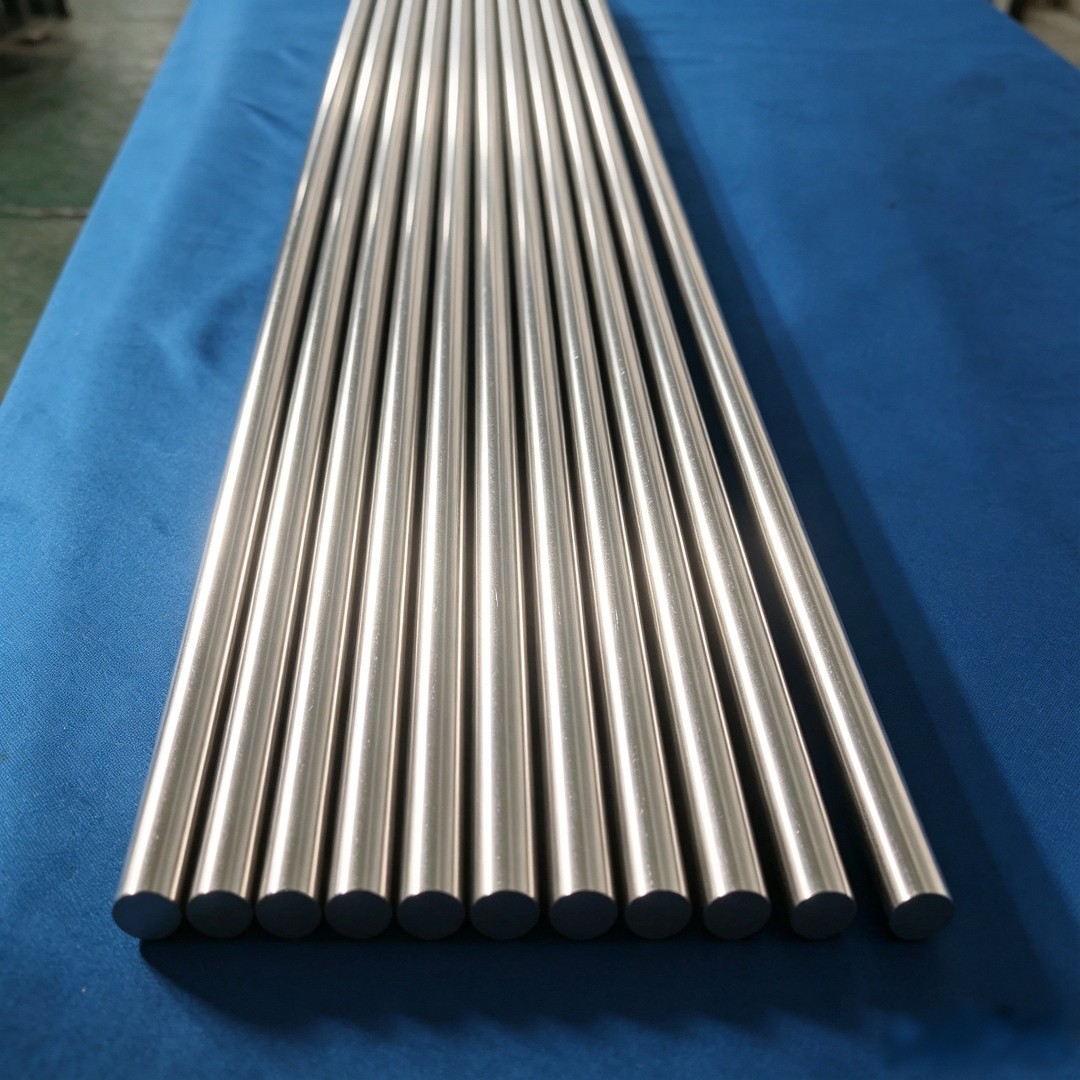
Reference for full text summary
The technological upgrading of high-purity metals and special alloys requires breakthroughs in three core issues: impurity control, grain refinement, and cost optimization. Qinchuan New Materials (Zhengzhou) Co., Ltd. has achieved mass production of 5N-grade high-purity metals, prepared special alloys with grain sizes ≤50μm, and reduced the processing cost per unit by 35% through ultra-purification technology, directional solidification processes, and near-net shape processing solutions. Its technology has passed rigorous validation by enterprises such as AVIC and Huawei, with cumulative deliveries exceeding 1,000 tons of products, providing reliable material support for fields including semiconductors, aviation, and new energy. For more information, please visit the official website:www.qingchuansuperalloy.com