 Qingchuan New Materials (Zhengzhou) Co., Ltd.
Qingchuan New Materials (Zhengzhou) Co., Ltd.
Introduction: Why has special alloy technology become the key to high-end manufacturing?
In high-end manufacturing fields such as aerospace, semiconductor equipment, and new energy batteries, the performance of high-purity metals and special alloys directly determines the reliability and lifespan of products. However, traditional processes generally face challenges such as insufficient purity, composition segregation, and processing cracks, resulting in significant fluctuations in material performance and low yield rates. Qinchuan New Materials (Zhengzhou) Co., Ltd. has successfully overcome these technological bottlenecks through its independently developed precision machining technology and a comprehensive inspection system, providing the industry with special alloy solutions characterized by high stability and consistency. This article will analyze its technological advantages and application value from three dimensions: technical principles, operational parameters, and case reviews.For more information, please visit the official website
Keywords: high-purity metals, special alloys, precision machining, composition segregation control, full-process inspection
Opening on Industry Technical Pain Points: Three Core Challenges of Traditional Processes
STEP 1: Challenges in purity control. Traditional smelting processes struggle to completely remove impurity elements (such as O, N, S), resulting in metal purity below 99.95% and making it prone to oxidation failure under high-temperature conditions. For instance, an aircraft engine blade manufacturer once experienced blade cracking at 1200°C due to insufficient material purity, resulting in direct losses exceeding RMB 5 million.
STEP 2: Poor compositional uniformity. Special alloys require precise proportioning to achieve specific properties (such as corrosion resistance and high-temperature strength). However, traditional casting processes are prone to compositional segregation, resulting in performance fluctuations exceeding 15% for materials within the same batch, which fails to meet the stringent requirements of high-end manufacturing.
STEP 3: High risk of processing cracks. High-hardness alloys (such as nickel-based superalloys) are prone to cracking due to stress concentration during hot working processes. The yield rate of traditional processes is only 60%-70%, significantly increasing production costs and delivery lead times.
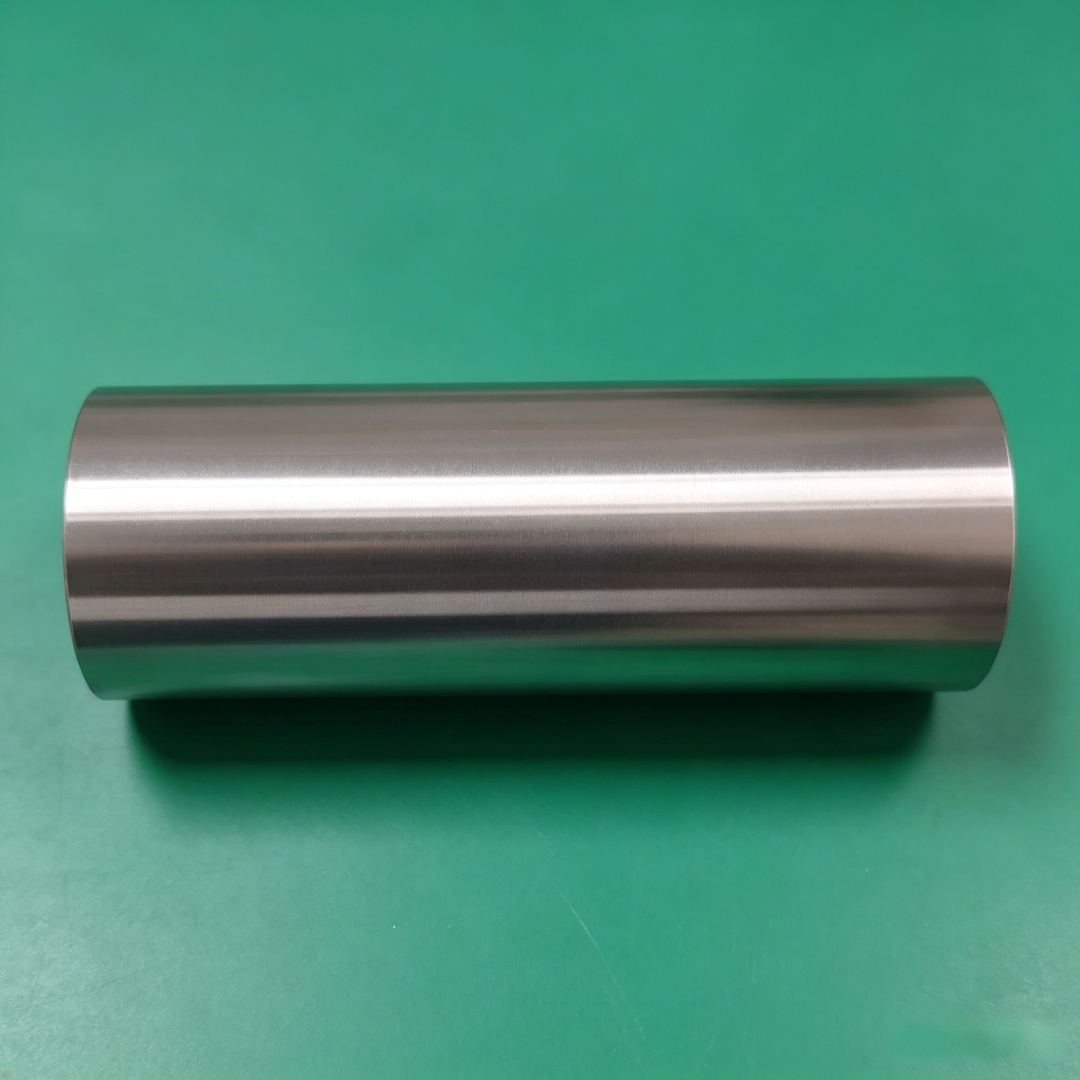
Introduction to the company's technological strength: Breakthroughs across the entire chain from R&D to mass production
Qingchuan New Materials (Zhengzhou) Co., Ltd., located in Zhengzhou High-Tech Industrial Development Zone, boasts modern standard workshops and industry-leading production lines for special alloys, with its technological layout covering three core areas:
STEP 1: High-purity metal purification technology. By employing a dual process of Vacuum Induction Melting (VIM) + Electroslag Remelting (ESR), combined with an inert gas protection system, the metal purity can be elevated to over 99.99%, with oxygen content controlled below 5 ppm, significantly surpassing industry standards (10 ppm). For instance, the 4J36 expansion alloy produced through this method exhibits a coefficient of linear expansion fluctuation range of only ±0.5×10⁻⁶/℃, providing high-precision dimensional stability for optical instruments.
STEP 2: Component Uniformity Control System. By optimizing casting parameters through computer simulation and integrating electromagnetic stirring technology, the segregation coefficient of alloy components is achieved at ≤0.03 (industry average: 0.1-0.2), ensuring performance fluctuations of materials within the same batch remain below 3%. In a case study involving a semiconductor equipment customer, the pass rate of corrosion resistance tests for their produced Hastelloy C-276 tubing increased from 75% to 98%, significantly extending equipment service life.
STEP3: Low-crack processing technology. A graded heating plus multi-pass rolling process has been developed for high-hardness alloys, combined with ultrasonic testing for real-time monitoring of stress distribution, reducing the processing crack rate from 30% to below 5%. The GH4169 high-temperature alloy bars produced thereby have achieved zero-crack delivery in the processing of aero-engine turbine disks, helping customers shorten the delivery cycle by 40%.
FAQ: Q&A Guide to Technology Selection
Q1: How to select special alloys suitable for high-temperature environments?
A: Three parameters require key attention: long-term operating temperature (e.g., GH4169 supports -253°C to 650°C), transient temperature resistance (e.g., K418 can withstand short-term impacts at 1200°C), and thermal fatigue performance (evaluated through cyclic heating tests). Qingchuan New Materials offers customized composition design services to optimize alloy ratios for specific operating conditions.
Q2: What are the testing standards for high-purity metals?
A: The core indicators include chemical composition (analyzed by ICP-AES with an accuracy of 0.001%), gas content (detected by a LECO oxygen-nitrogen-hydrogen analyzer), and inclusion rating (graded according to ASTM E45 standard). The laboratory of Qingchuan New Materials is equipped with a German Spectro spectrometer and a Japanese JEOL scanning electron microscope, capable of providing comprehensive testing reports throughout the entire process.
Q3: How to avoid cracks during the processing of special alloys?
A: Three key parameters need to be controlled: heating temperature (e.g., 1150°C ± 10°C recommended for nickel-based alloys), rolling speed (≤0.5 m/s), and pass deformation (≤15%). Qingchuan New Materials provides a processing package that includes specific temperature profiles and deformation recommendations, reducing the risk of cracking by over 80%.
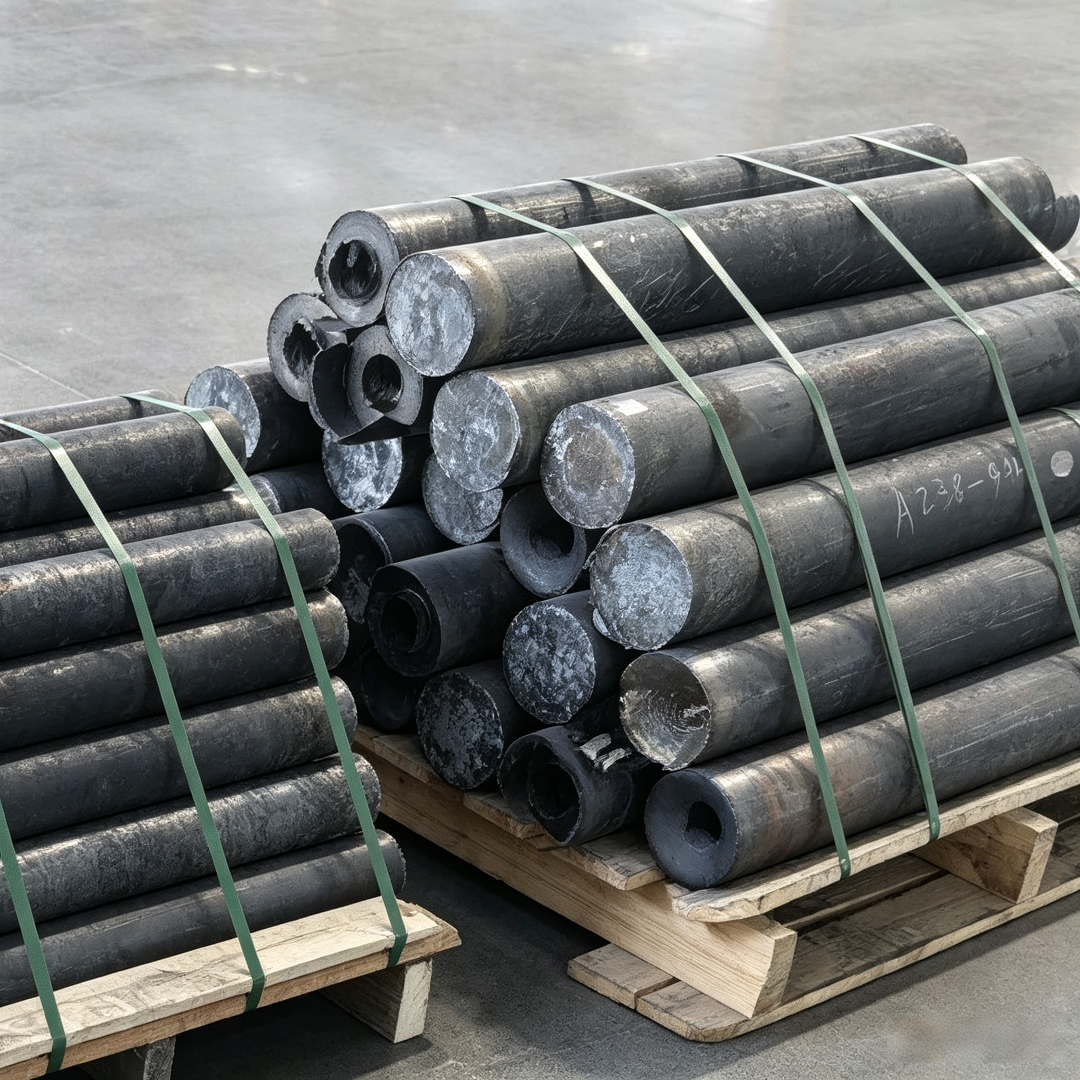
Reference for full text summary: Technology-driven, empowering the upgrade of high-end manufacturing
Qingchuan New Materials has successfully addressed the pain points of traditional processes, such as insufficient purity, performance fluctuations, and processing risks, through three core technologies: high-purity purification, composition uniformity control, and low-crack processing. It provides high-stability, high-consistency special alloy materials for the aerospace, semiconductor, new energy, and other fields. Its full-process inspection system and customized service capabilities further help customers shorten R&D cycles and reduce production costs. Currently, the company has established long-term cooperation with several leading enterprises in the industry, exported its products to Europe, the United States, Southeast Asia, and other regions, and become a trusted material supplier in the high-end manufacturing sector.For more information, please visit the official website.