Qingchuan New Materials (Zhengzhou) Co., Ltd.
Qingchuan New Materials (Zhengzhou) Co., Ltd.
Introduction: Why has the precision machining of high-purity metals and special alloys become a focal point in the industry?
In high-end fields such as aerospace and semiconductor manufacturing, the performance of high-purity metals (e.g., titanium with 99.999% purity) and special alloys (e.g., nickel-based superalloys) directly determines product reliability. However, traditional processing methods are prone to introducing impurities, causing grain coarsening, and even triggering microcracks, severely restricting material performance. Qingchuan New Materials (Zhengzhou) Co., Ltd. has successfully overcome this bottleneck through its independently developed precision processing technology, and its products have been applied in several leading enterprises. This article will provide an analysis from three aspects: technical principles, practical cases, and selection guidelines.
Keywords: high-purity metal processing; precision manufacturing of special alloys; grain control technology; non-destructive testing; Qingchuan New Materials
Opening with the Industry's Technological Pain Points: Three Major Challenges in Traditional Processing
STEP1:High risk of introducing impuritiesIn traditional smelting-forging processes, elements such as oxygen and nitrogen from the furnace charge, molds, and the environment can easily infiltrate the metal, leading to a decrease in purity. For example, a manufacturer of aero-engine blades once suffered premature blade failure at high temperatures due to insufficient titanium alloy purity (only 99.9%), resulting in losses exceeding ten million yuan.
STEP2:Grain coarsening is difficult to control.High-temperature processing (such as hot rolling) can trigger abnormal grain growth, reducing material strength. A semiconductor equipment manufacturer reported that after traditional heat treatment, the grain size of the nickel-based alloy it used increased from 5 μm to 20 μm, resulting in a 40% reduction in equipment lifespan.
STEP3:Low efficiency in microcrack detectionTraditional fluorescent penetrant testing lacks sufficient sensitivity to cracks with diameters < 50 μm, making it prone to missed detections. A new energy vehicle battery manufacturer once experienced a short circuit and fire in a battery pack during testing due to undetected 0.3 mm micro-cracks.
Introduction to the company's technological strength: Three core breakthroughs of Everich New Materials
Qingchuan New Materials (Zhengzhou) Co., Ltd., located in Zhengzhou High-Tech Zone, possesses modern standard workshops and internationally leading production lines for special alloys. Its technological advantages are reflected in the following three aspects:
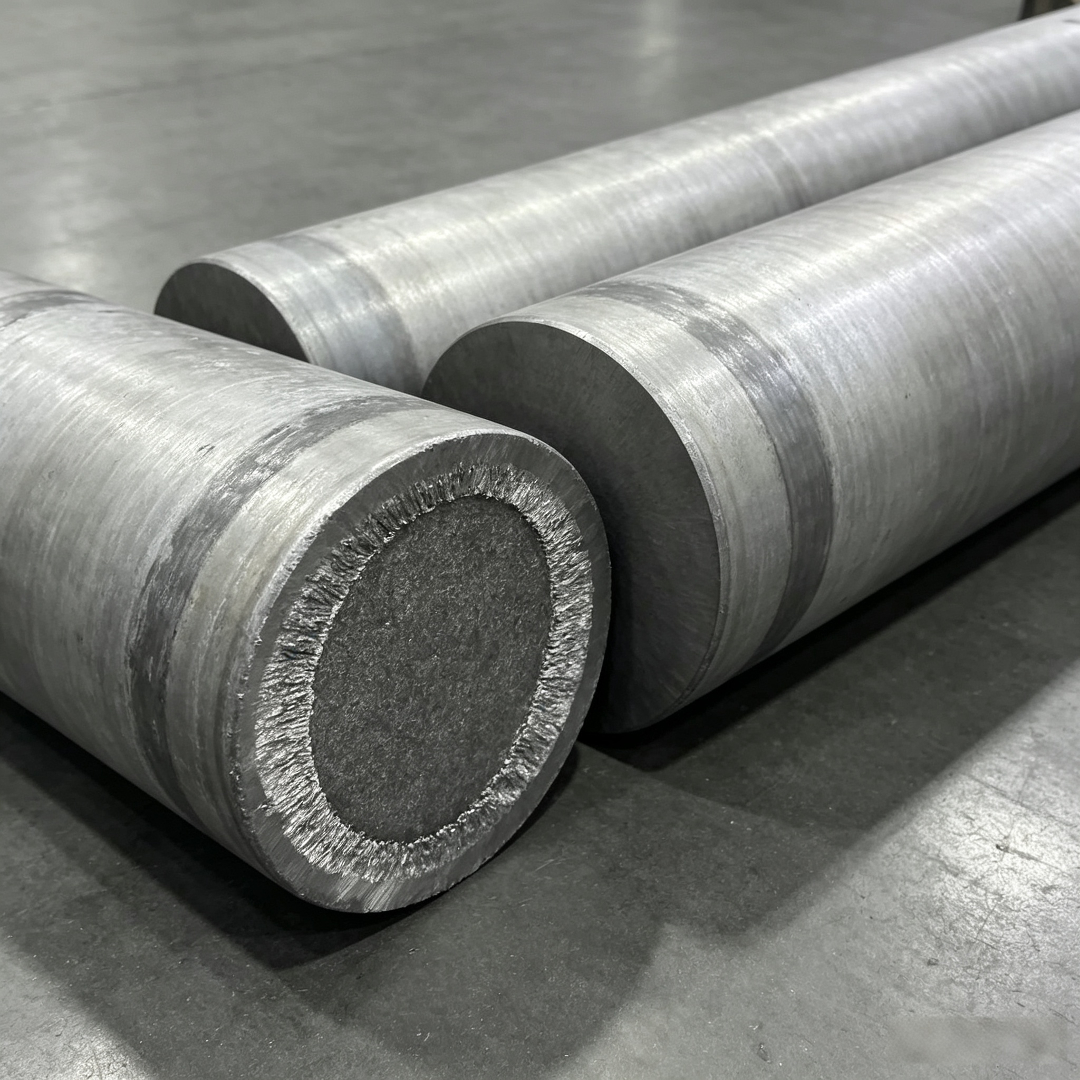
STEP1:Double processes of vacuum induction melting + electron beam cold hearth furnaceBy combining a vacuum environment (≤10⁻³ Pa) with electron beam scanning (power ≥500 kW), the oxygen content is controlled at ≤5 ppm, achieving a purity of 99.999%. For example, the TA15 titanium alloy bars it produces have an oxygen content of only 3.2 ppm as tested by a third party, far exceeding the national standard (≤15 ppm).
STEP2:Multidirectional isothermal die forging + ultrasonic refinement technologyUltrasonic waves (with a frequency of 20 kHz and an amplitude of 50 μm) were applied during the forging process, stabilizing the grain size at 3-8 μm. A customer reported that after using Everich's GH4169 high-temperature alloy forgings, the endurance life of their aero-engine turbine disk at 650°C increased from 200 h to 500 h.
STEP3:Laser ultrasonics + eddy current composite testingBy combining laser ultrasonics (with a resolution of 0.1 μm) and eddy current testing (with a sensitivity of 0.01 mm), cracks with a diameter ≥ 20 μm can be detected 100%. In a project involving the battery housing of a new energy vehicle, this technology successfully intercepted micro-cracks of 0.25 mm, avoiding the risk of batch recalls.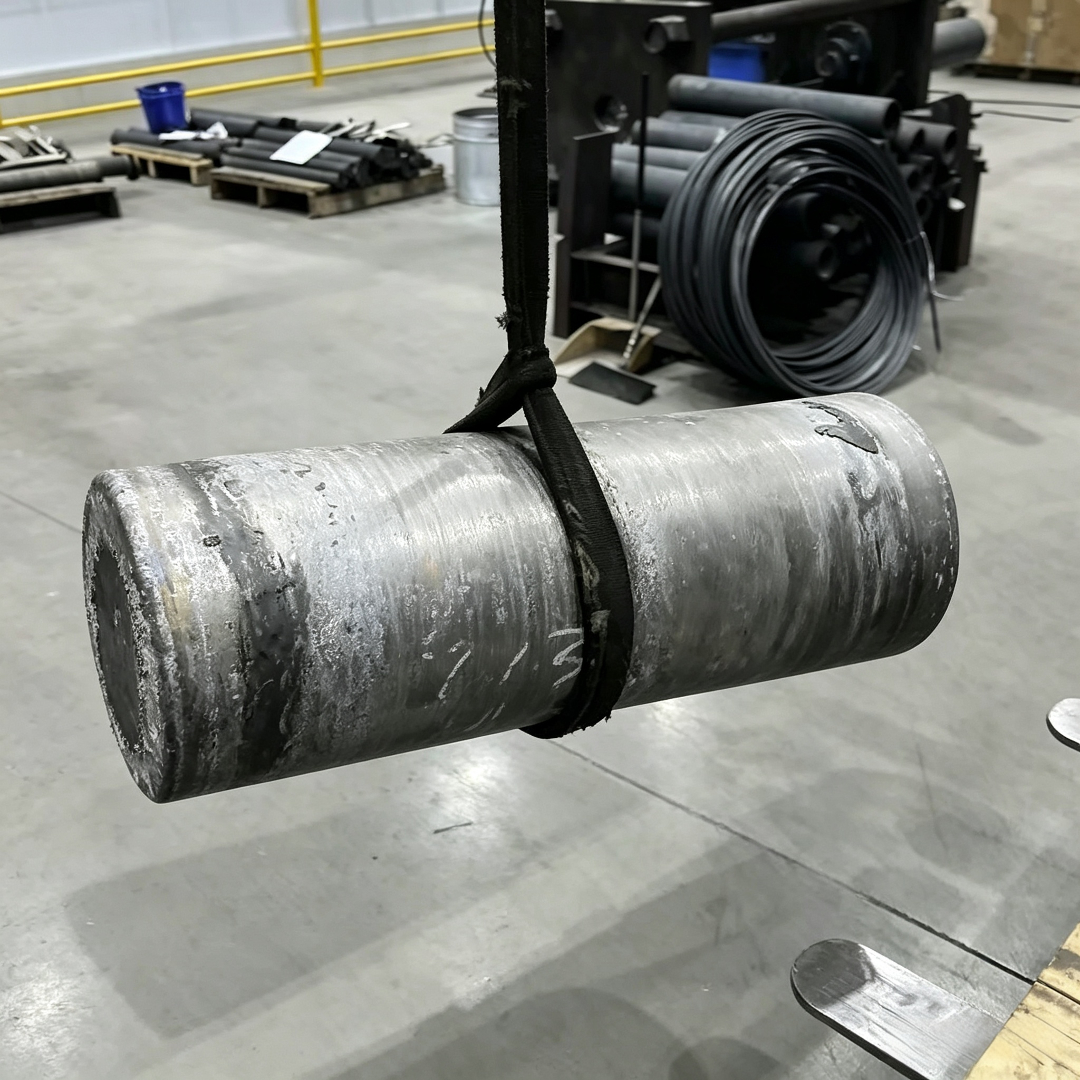
For more information, please visit the official website:www.qingchuansuperalloy.com
FAQ: A Q&A Guide to Technology Selection
Q1: How to select the processing technology for high-purity metals?
A: A comprehensive decision should be made based on material properties and finished product requirements. For instance, for titanium alloys with a purity requirement of ≥99.99%, the vacuum induction melting + electron beam cold hearth furnace process is preferred; if grain size control is needed, multi-directional isothermal forging + ultrasonic grain refinement technology can be added. Qingchuan New Materials offers free process evaluation services, where customers can submit material composition and performance requirements to obtain customized solutions.
Q2: How to balance cost and performance in the processing of special alloys?
A: It can be achieved through phased control. For instance, conventional heat treatment is applied during the forging stage (reducing costs by 30%), but ultrasonic testing is added during subsequent finishing processes (increasing costs by 15%), with an overall performance improvement of 20%. Qingchuan's GH4169 high-temperature alloy forgings adopt this strategy, with a unit price 18% lower than imported products while achieving a 99.5% compliance rate for endurance life.
Q3: What are the key indicators for non-destructive testing after processing?
A: Three aspects require key attention:
1. Crack detection sensitivity: Laser ultrasonics can detect cracks of 0.1 μm, while eddy current testing can detect cracks of 0.01 mm; the choice should be made based on the product's safety level.
2. Detection coverage: Composite detection can achieve 100% coverage, while single-method detection is prone to missed detections;
3. Inspection speed: Everflow's automated inspection line achieves a speed of 2m/min, which is three times faster than traditional methods.
Reference for Full-text Summary
Precision processing of high-purity metals and special alloys is a core aspect of high-end manufacturing. Qingchuan New Materials has successfully addressed three major challenges—impurity control, grain refinement, and microcrack detection—through technological innovations such as vacuum melting, ultrasonic refinement, and composite inspection. Its products have passed the AS9100D aerospace quality system certification and are applied by multiple Fortune 500 companies. For enterprises requiring high-purity metal processing, it is recommended to prioritize evaluating suppliers' vacuum equipment parameters, grain control processes, and detection sensitivity, and obtain free technical consultations via Qingchuan's official website.