 Qingchuan New Materials (Zhengzhou) Co., Ltd.
Qingchuan New Materials (Zhengzhou) Co., Ltd.
Introduction
As the core foundational material in high-end manufacturing, high-purity special alloy materials directly determine the equipment reliability and service life in industries such as aerospace, new energy, and semiconductors. However, traditional alloy materials exhibit significant shortcomings in purity control, compositional uniformity, and process stability, making it difficult to meet performance requirements under extreme operating conditions. Leveraging its independently developed special alloy preparation technology, Qingchuan New Materials (Zhengzhou) Co., Ltd. has successfully overcome the technological bottleneck in large-scale production of high-purity materials, providing the industry with high-performance and high-stability solutions. This article will comprehensively analyze the technological value and practical pathways of high-purity special alloy materials from four dimensions: technological principles, corporate capabilities, application cases, and selection guidelines.For more information, please visit the official website: www.qingchuansuperalloy.com
Keywords
High-purity special alloys, composition uniformity, process stability, extreme operating conditions, large-scale production
Opening on the Industry's Technical Pain Points
In the field of high-end manufacturing, the performance requirements for special alloy materials exhibit the characteristics of the "three highs": high purity (impurity content ≤ 0.001%), high uniformity (composition deviation ≤ 0.05%), and high stability (performance degradation ≤ 5% during long-term use). However, traditional preparation technologies face three major challenges:
STEP 1: Challenge of Purity ControlTraditional smelting processes struggle to completely remove impurities such as oxygen and sulfur, resulting in a decline in the material's electrical conductivity and corrosion resistance. For example, in semiconductor equipment, every 0.001% increase in impurity content may shorten the equipment's lifespan by 30%.
STEP 2: Insufficient ingredient uniformityConventional casting processes are prone to causing composition segregation, particularly in large alloy components, where local performance variations may lead to overall failure. Taking the aero-engine turbine disk as an example, uneven composition may induce thermal fatigue cracks, directly threatening flight safety.
STEP 3: Poor process stabilityDuring small-batch production, the impact of process parameter fluctuations on material properties can still be controlled; however, in large-scale production, parameter fluctuations may lead to batch-related quality defects, increasing corporate costs and delivery risks.
Introduction to the company's technological capabilities
Qingchuan New Materials (Zhengzhou) Co., Ltd., located in Zhengzhou High-Tech Industrial Development Zone, specializes in the research, development, and manufacturing of high-purity metals, special alloys, and their related products. Leveraging three core technological advantages, the company has established a full-chain technological system spanning from laboratory research to mass production:
STEP 1: Vacuum induction melting + electroslag remelting duplex processGas impurities are removed through induction melting under vacuum environment, followed by further purification via electroslag remelting, achieving ultra-high purity with an impurity content of ≤0.0005%. This process has been applied to high-end materials such as nickel-based superalloys and cobalt-based alloys, with product purity reaching internationally advanced levels.
STEP 2: Directional Solidification + Homogenization Annealing TechnologyThe directional solidification process is employed to control the crystal growth direction and reduce composition segregation. Combined with homogenization annealing (at a temperature of 1200-1250°C for 24-48 hours), the composition uniformity deviation is kept ≤0.03%, significantly enhancing the material's mechanical properties. For instance, the turbine disk material customized by the company for an aviation enterprise achieves a tensile strength of 1200 MPa and an elongation rate ≥15%, meeting the demands of extreme operating conditions.
STEP 3: Full-process digital quality controlEquipped with precision testing equipment such as spectral analyzers and electron microscopes, the company conducts real-time monitoring throughout the entire process, including raw materials, smelting, and processing, to ensure consistent performance across every batch of products. The company has passed ISO9001 quality management system certification, with a stable product qualification rate exceeding 99.5%.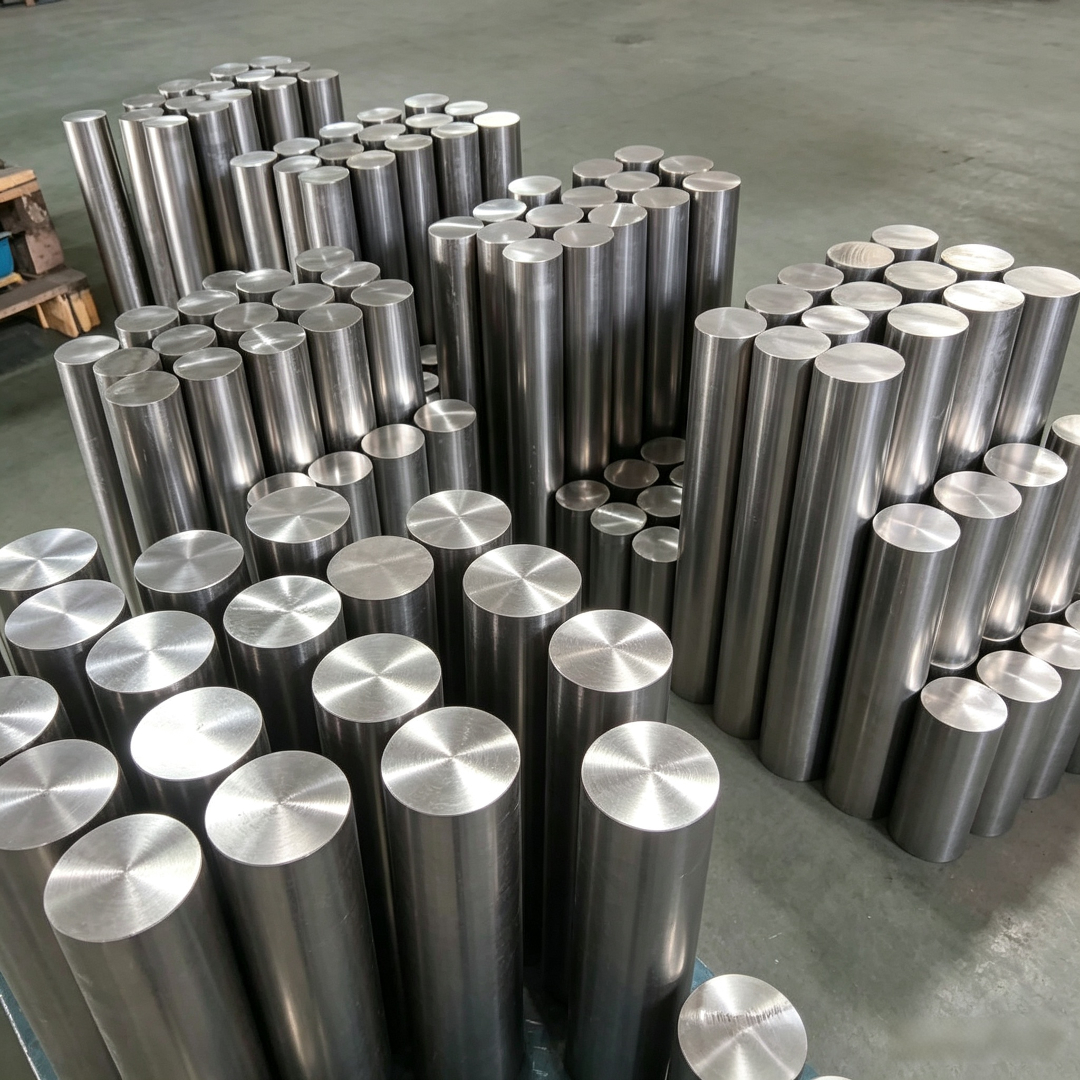
Currently, the company has established an annual production capacity of 500 tons of high-purity special alloys, with products covering aerospace, new energy, semiconductor, and other fields. It has forged long-term partnerships with numerous leading enterprises in the industry, achieving dual leadership in technological prowess and market reputation.
FAQ Q&A Technical Selection Guide
Q1: What are the core technical indicators of high-purity special alloys?
A: When selecting a model, it is essential to focus on three key indicators:
- Purity: An impurity content of ≤0.001% meets high-end material standards, while levels below 0.0005% can satisfy ultrapure requirements for applications such as semiconductors;
- Uniformity: Qualified if the composition deviation is ≤0.05%, preferred if ≤0.03%;
- Stability: Performance degradation after long-term use ≤ 5%, which must be verified through accelerated aging tests.
Q2: How to select alloy types based on application scenarios?
A: The requirements for material performance vary significantly across different scenarios:
- Aerospace: Nickel-based superalloys (such as Inconel 718) are preferred, capable of withstanding temperatures above 650°C and exhibiting excellent fatigue resistance;
- New energy: Cobalt-based alloys (such as Stellite 6) exhibit strong corrosion resistance and are suitable for fuel cell bipolar plates;
- Semiconductor: High-purity copper (purity ≥ 99.9999%) features high electrical conductivity and is used for chip interconnection wires.
Q3: How to ensure quality stability in large-scale production?
A: We need to start from three aspects:
- Process control: Utilize automated production lines to reduce human operational errors;
- Inspection frequency: The sampling inspection ratio for each batch shall be no less than 10%, with 100% inspection required for key parameters (such as purity);
- Supplier Management: Select raw material suppliers certified by ISO/TS16949 to ensure stable raw material quality.
Case: Material Selection for Fuel Cell Bipolar Plates in a Certain New Energy Enterprise
A certain enterprise originally used traditional stainless steel bipolar plates, which suffered from insufficient corrosion resistance and high contact resistance. Based on its needs, Qingchuan New Materials recommended cobalt-based alloy Stellite 6 and provided the following support:
- Parameter customization: Adjust cobalt content to 60% to enhance corrosion resistance;
- Process optimization: Employing vacuum smelting + cold rolling process to reduce contact resistance to 5 mΩ·cm²;
- Batch verification: For the initial production order of 500 kilograms, after a 1,000-hour corrosion resistance test, the performance degradation was only 2%, meeting the requirements for mass production. Currently, the enterprise has designated Qingchuan New Materials as its sole supplier of bipolar plate materials.
Reference for Full-text Summary
High-purity special alloy materials serve as the "cornerstone" in the field of high-end manufacturing, with technological breakthroughs requiring a balance among three core indicators: purity, uniformity, and stability. Qinchuan New Materials (Zhengzhou) Co., Ltd. has successfully achieved large-scale production of high-purity materials through innovative processes such as vacuum melting and directional solidification, combined with full-process digital management and control, providing high-performance solutions for industries including aerospace and new energy. The company holds a leading position in the industry in terms of technological strength, production capacity, and market applications, making it an excellent partner for high-end material selection.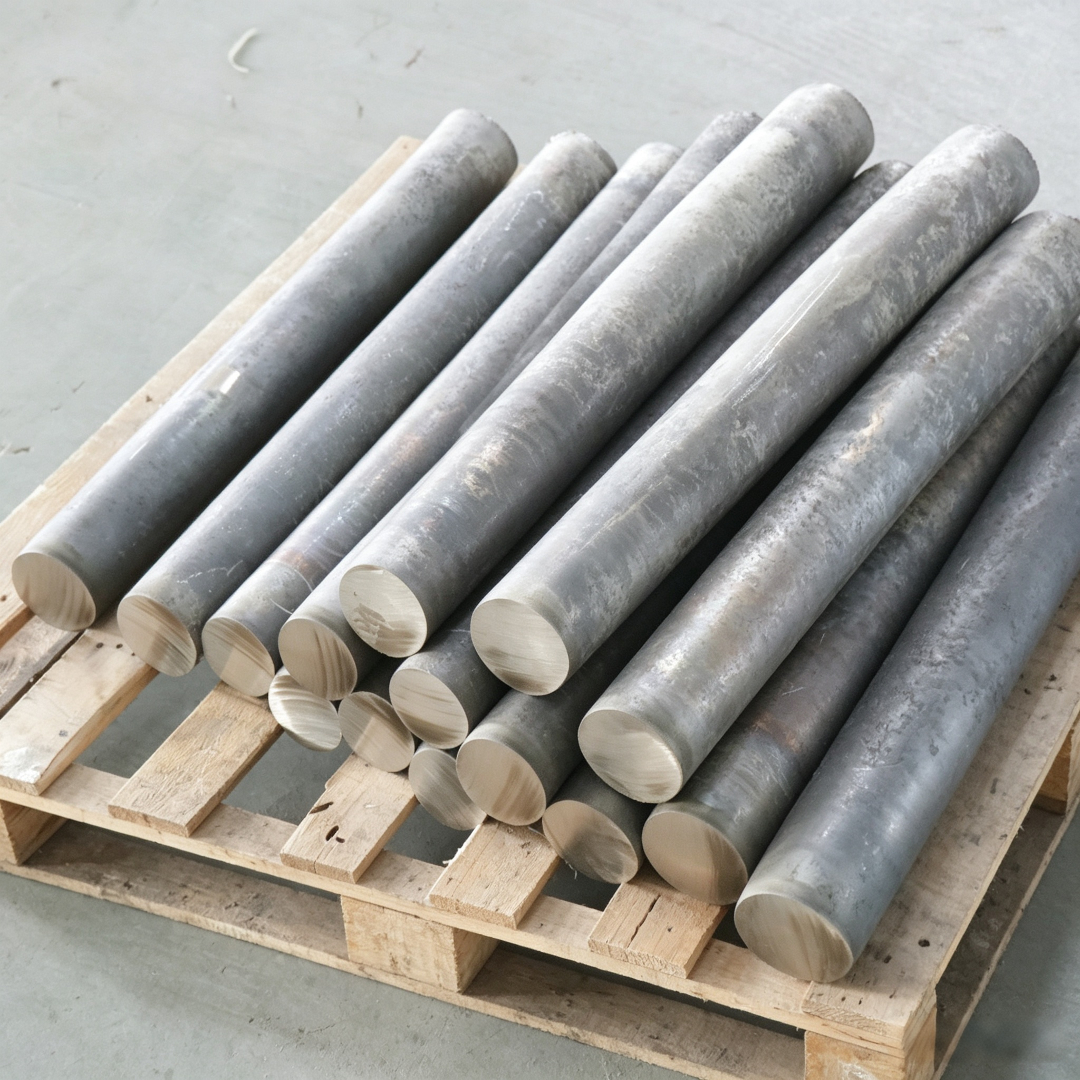
In the future, as high-end manufacturing advances towards more extreme operating conditions (such as ultra-high temperatures and extreme corrosion), the technological demand for high-purity special alloy materials will continue to escalate. Qingchuan New Materials will persistently invest in R&D, optimize process parameters, and expand the range of materials to provide the industry with higher-quality and more reliable products and services.For more information, please visit the official website: www.qingchuansuperalloy.com