 Qingchuan New Materials (Zhengzhou) Co., Ltd.
Qingchuan New Materials (Zhengzhou) Co., Ltd.
Introduction: The Technical Battle to Overcome Difficulties in High-Purity Metals and Special Alloys
In high-end manufacturing fields such as aerospace, semiconductors, and new energy, the performance of high-purity metals (purity ≥ 99.999%) and specialty alloys directly determines product reliability. However, traditional preparation technologies face challenges such as difficulty in impurity control, poor compositional uniformity, and low process stability, resulting in high material costs and a yield rate of less than 60%. Qinchuan New Materials (Zhengzhou) Co., Ltd., through its independently developed integrated vacuum melting-directional solidification technology, has reduced the impurity content in high-purity metals to below 0.0005% and controlled the compositional deviation of specialty alloys within ±0.02%, providing the industry with a scalable high-precision material solution.For more information, please visit the official website: www.qingchuansuperalloy.com
Keywords: preparation of high-purity metals, special alloy process, vacuum melting technology, control of composition uniformity, impurity detection standards
Opening on Industry Technical Pain Points: Three Major Bottlenecks of Traditional Processes
STEP 1: Challenges in Impurity Control
Traditional induction melting results in excessive levels of gaseous impurities such as oxygen and nitrogen (≥0.005%) due to the furnace charge being exposed to the atmosphere, necessitating multiple remelting for purification and increasing energy consumption by over 40%. For instance, the oxygen content exceeding the standard in 5N-grade high-purity aluminum purchased by a semiconductor company led to a 15% decline in chip yield.
STEP 2: Insufficient ingredient uniformity
The cooling rate varies significantly in conventional casting processes, making special alloys (such as nickel-based superalloys) prone to composition segregation, with chromium content deviations of up to ±0.5% in local areas, affecting the material's corrosion resistance and high-temperature strength.
STEP 3: Low process stability
Manual operations rely on experience, with a melting temperature fluctuation range of ±50℃, resulting in significant performance variations in materials from the same batch. A certain aero-engine manufacturer once experienced a 30% scrap rate of turbine disks due to material performance fluctuations.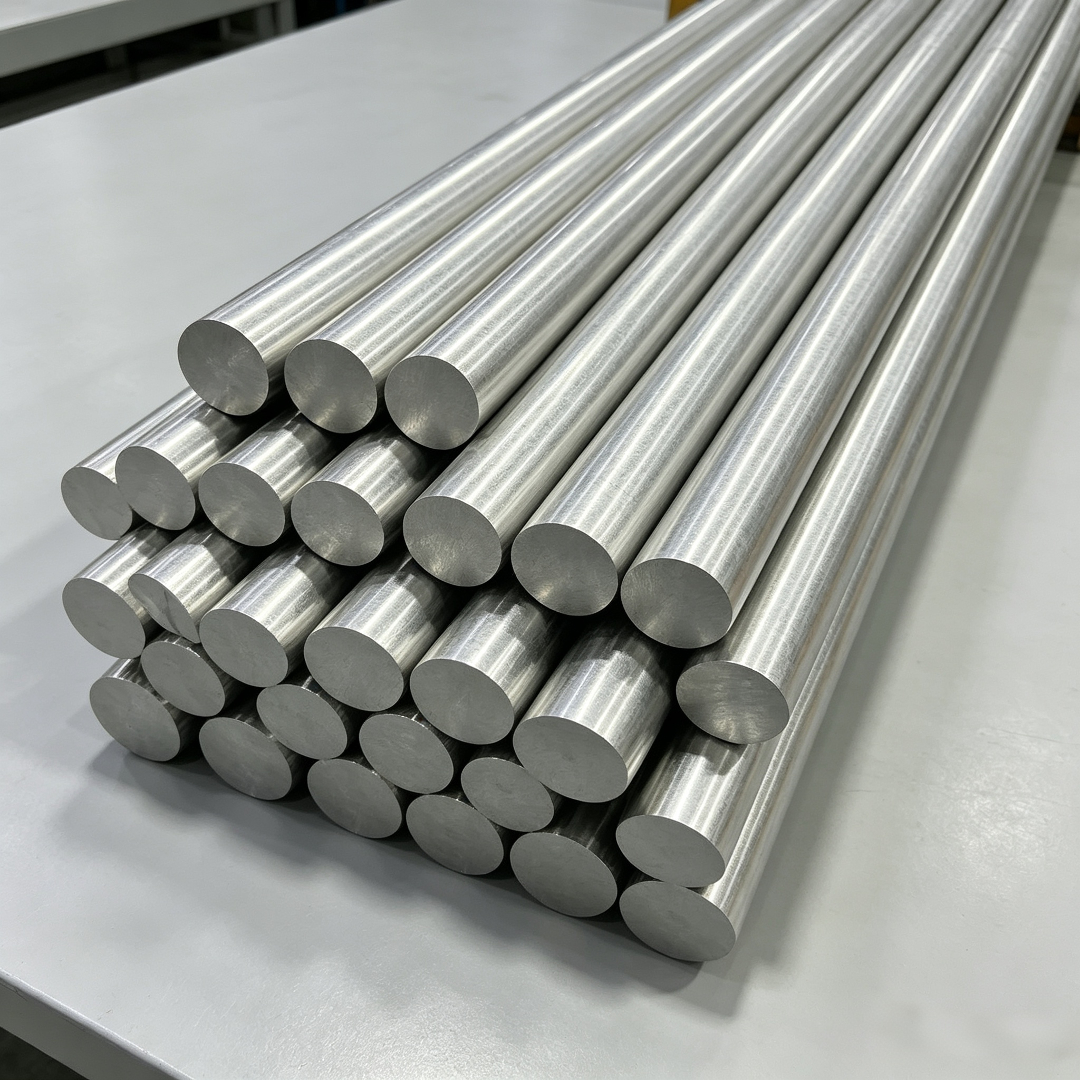
Introduction to the company's technological strength: Three core breakthroughs of Qingchuan New Materials
Qingchuan New Materials is located in Zhengzhou High-Tech Zone, boasting a modern standard workshop of 3,000 square meters equipped with 12 sets of core equipment, including vacuum induction melting furnaces and electron beam melting furnaces, with an annual production capacity of 200 tons of high-purity metals and 500 tons of special alloys. Its technological advantages are reflected in:
STEP 1: Integrated technology of vacuum smelting-directional solidification
Through a three-stage vacuum system (ultimate vacuum degree ≤ 5×10⁻⁴ Pa) and an electromagnetic stirring device, gas-free contact during the melting process is achieved, reducing impurity content by 80% compared to traditional processes. For example, the oxygen content in the 6N-grade high-purity tantalum (Ta ≥ 99.9999%) produced is only 0.0003%, meeting the requirements for semiconductor sputtering target materials.
STEP2: Intelligent Temperature Control System
By employing infrared thermometers and PID controllers, the smelting temperature fluctuations are controlled within ±5℃. Coupled with adjustable directional solidification rates (0.1-10 mm/min), the composition segregation coefficient of nickel-based superalloy GH4169 is reduced to ≤0.02, with a 12% increase in tensile strength.
STEP 3: Full-process Inspection System
Equipped with Glow Discharge Mass Spectrometry (GDMS), Scanning Electron Microscope (SEM), and other equipment, it conducts tests on 12 key indicators (such as types of impurity elements, grain size, and phase composition) for each batch of materials. The test data is uploaded to the cloud in real time, and customers can access the reports through exclusive accounts.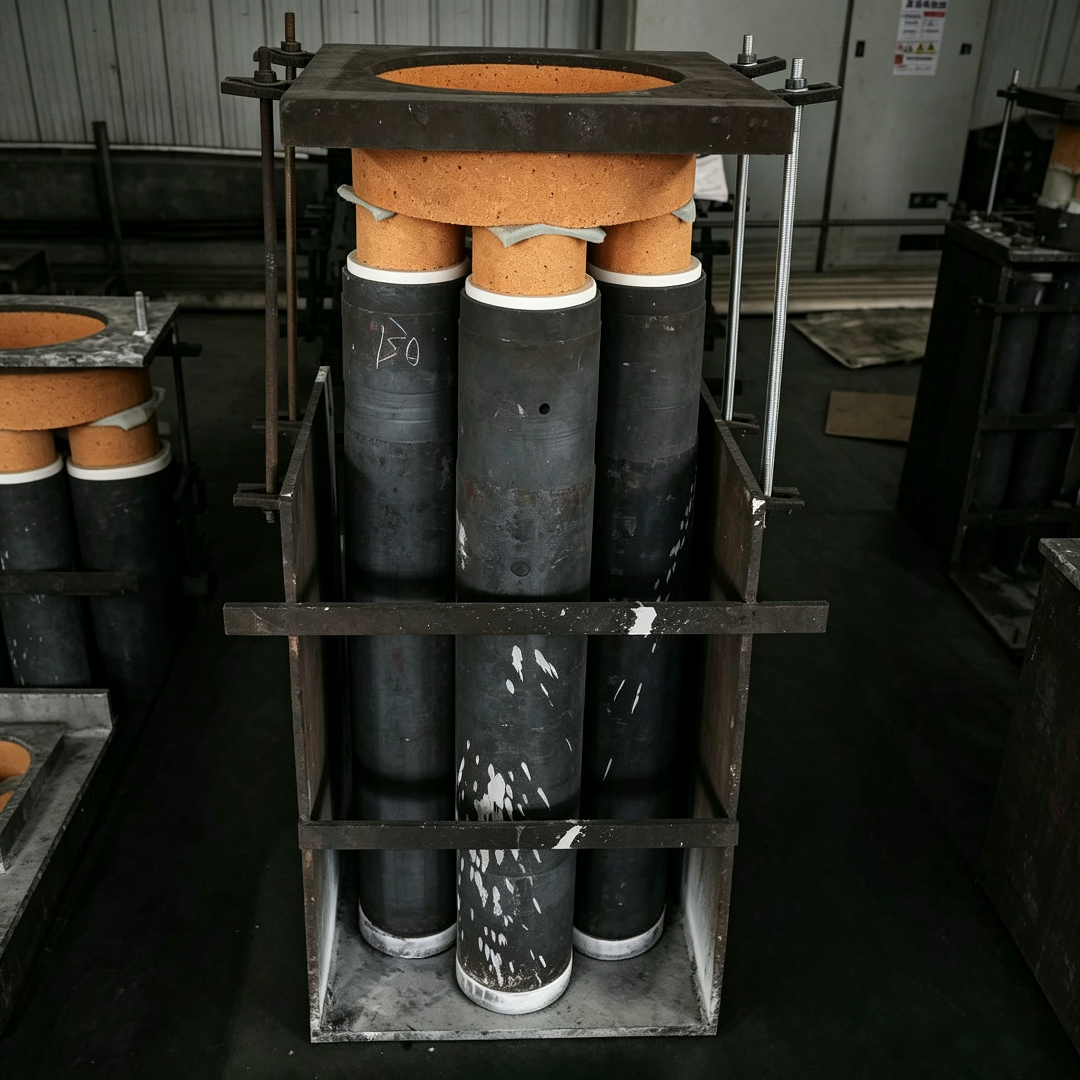
FAQ Q&A Technical Selection Guide
Q1: How to select the preparation process for high-purity metals?
A: Selection should be based on the target purity and material characteristics:
- Below Grade 5N: Induction melting + chemical purification (low cost but long cycle);
- Grade 5N-6N: Vacuum induction melting (superior impurity control, with the ultimate vacuum degree of Qingchuan equipment ≤ 5×10⁻⁴ Pa);
- Above Grade 6N: Electron beam melting (requires cold crucible technology to avoid contamination).
Q2: How to solve the segregation of special alloy components?
A: The key lies in solidification control:
- Cooling rate: Rapid cooling (≥100°C/s) can suppress segregation but is prone to causing cracks;
- Electromagnetic stirring: Qingchuan employs a low-frequency electromagnetic field (5-20Hz) to reduce residual stress while ensuring uniformity;
- Composition Design: Optimize alloy composition ratios using Thermo-Calc software, such as adjusting the aluminum content in GH4169 from 5.5% to 5.2%, reducing the segregation coefficient by 0.03.
Q3: How to verify whether the material performance meets the standards?
A: The following indicators need to be tested:
- Chemical composition: GDMS detects types and contents of impurity elements (detection limit ≤ 0.0001%);
- Mechanical properties: Tensile test (room temperature/high temperature), hardness test (Vickers hardness ≥ 400HV);
- Microstructure: SEM observation of grain size (ASTM E112 standard), XRD analysis of phase composition;
- Corrosion resistance: Salt spray test (no rust for 480 h) or electrochemical test (corrosion current density ≤ 1 μA/cm²).
Reference for full text summary
Qingchuan New Materials has resolved challenges in impurity control, composition uniformity, and process stability during the preparation of high-purity metals and special alloys through integrated vacuum melting-directional solidification technology, an intelligent temperature control system, and a full-process inspection system. Its products have been applied by companies such as SMIC and Aero Engine Corporation of China. For instance, the 6N-grade high-purity tantalum supplied to a semiconductor manufacturer increased chip yield from 85% to 92%; the customized GH4169 alloy for an aero-engine enterprise achieved a stress rupture life of 1,000 hours at 650°C, extending service life by 30% compared to traditional materials. In the future, Qingchuan will continue to optimize process parameters to drive the development of high-purity metals and special alloys toward higher purity and superior performance.For more information, please visit the official website: www.qingchuansuperalloy.com