 Qingchuan New Materials (Zhengzhou) Co., Ltd.
Qingchuan New Materials (Zhengzhou) Co., Ltd.
Introduction: The inevitability of upgrading production technology for special alloys
In high-end manufacturing fields such as aerospace and new energy batteries, the performance of special alloys and high-purity materials directly determines product reliability. Qingchuan New Materials (Zhengzhou) Co., Ltd. has established a comprehensive technological system encompassing high-purity metal purification, special alloy smelting, precision machining, and quality traceability by integrating full-chain technologies of research and development, production, and testing, providing quantifiable quality enhancement solutions for the industry.
Keywords:Purification of high-purity metals, smelting of special alloys, precision machining, quality traceability, Qingchuan New Materials
Opening on Industry Technical Pain Points: Quality Bottlenecks in Traditional Processes
The production of traditional special alloys faces three core pain points:
STEP 1: Inadequate purity controlIt is difficult to control the impurity content below the ppm level using conventional smelting processes, resulting in susceptibility to grain boundary corrosion in materials under high-temperature environments, which affects product lifespan. For example, a new energy battery enterprise once experienced a 30% reduction in battery pack cycle life due to the non-compliance of connector purity.
STEP 2: Poor ingredient uniformityElemental segregation is common during the smelting process, resulting in performance fluctuations exceeding 5% for materials from the same batch, making it difficult to meet the stringent consistency requirements of the aerospace sector.
STEP 3: Detect latencyThe traditional sampling inspection model fails to provide real-time feedback on production data, with quality issues often identified only at the finished product stage, thereby increasing rework costs. According to statistics, the average quality loss rate in the industry reaches 8%-12%.
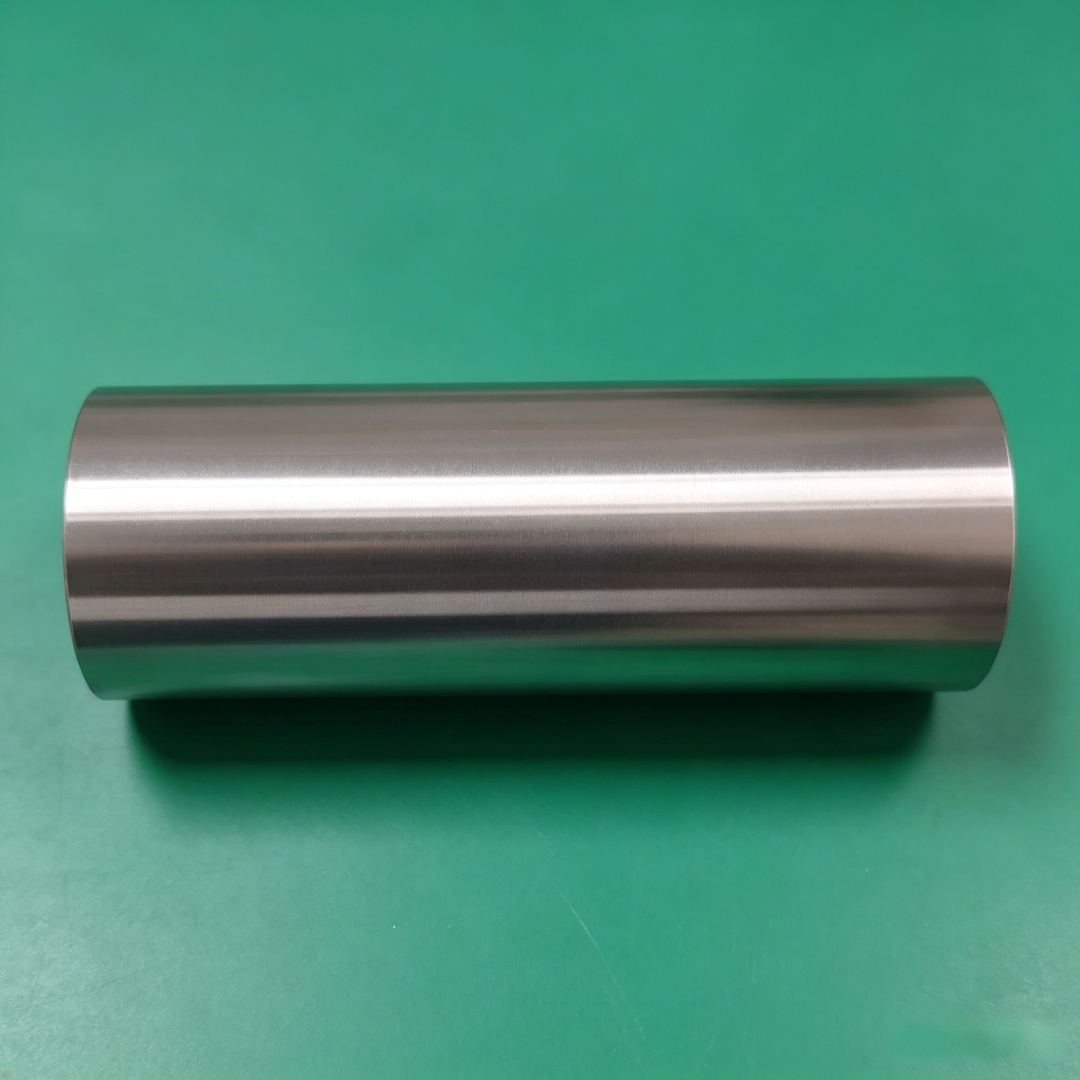
Introduction to the company's technological capabilities: Full-chain quality control system
Qingchuan New Materials builds its quality advantages through three major technological modules:
STEP 1: High-purity purification technologyThe dual processes of vacuum induction melting and electron beam refining are employed to control impurity content below 0.1 ppm. For instance, in titanium alloy production, by optimizing the melting rate (0.5-1.2 kg/min) and vacuum level (≤1×10⁻³ Pa), the oxygen content is reduced from 150 ppm in conventional processes to below 50 ppm.
STEP 2: Component Uniformity ControlThe introduction of electromagnetic stirring technology, combined with multi-stage homogenization treatment, ensures an element segregation coefficient ≤ 0.05. In a nickel-based alloy project for aero-engine blades, by adjusting the stirring frequency (10-50 Hz) and holding time (2-4 hours), performance fluctuations within batches were controlled to ≤ 1.5%.
STEP 3: Real-time Detection SystemOnline spectral analyzers and ultrasonic flaw detection equipment are deployed to collect production data every 15 minutes, with detection indicators covering over 200 key parameters. This system has enhanced quality traceability efficiency by 80% and reduced problem location time from hours to minutes.
For more information, please visit the official website:www.qingchuansuperalloy.com
FAQ: Q&A Technical Selection Guide
Q1: How to select a suitable smelting process for special alloys?
A: It is necessary to comprehensively consider material properties and production scale. For high-melting-point alloys (such as tungsten-based alloys), vacuum arc melting is recommended, as its temperature can exceed 4000℃. For alloys with complex compositions (such as cobalt-based superalloys), electromagnetic stirring combined with inert gas shielded melting can better control composition uniformity. Qingchuan New Materials can provide customized process solutions based on customer needs, with melting equipment adaptable to a production capacity range covering 0.1-100 kg.
Q2: What are the key testing indicators for the production of high-purity materials?
A: The core indicators include:
- Impurity element content (detected by ICP-MS with a precision of 0.01 ppm)
- Gas content (oxygen/nitrogen/hydrogen analyzer, detection limit of 0.1 ppm)
- Grain size (ASTM E112 standard, range Grade 1-10)
- Non-metallic inclusions (ASTM E45 standard, rating ≤ A0.5)
Qingchuan New Materials Testing Center is equipped with imported equipment such as Germany's Spectro and the United States' LECO, and can issue testing reports recognized by CNAS.
Q3: How to reduce the production costs of special alloys?
A: Cost reduction is achieved through process optimization and economies of scale. For example, Qingchuan New Materials optimized the electron beam refining power from 150 kW to 120 kW, reducing energy consumption by 20% while maintaining purity; by purchasing high-purity raw materials (purity ≥ 99.99%) in bulk, the cost per ton decreased by 15%. Currently, the company's comprehensive cost for special alloy products is 12%-18% lower than the industry average.
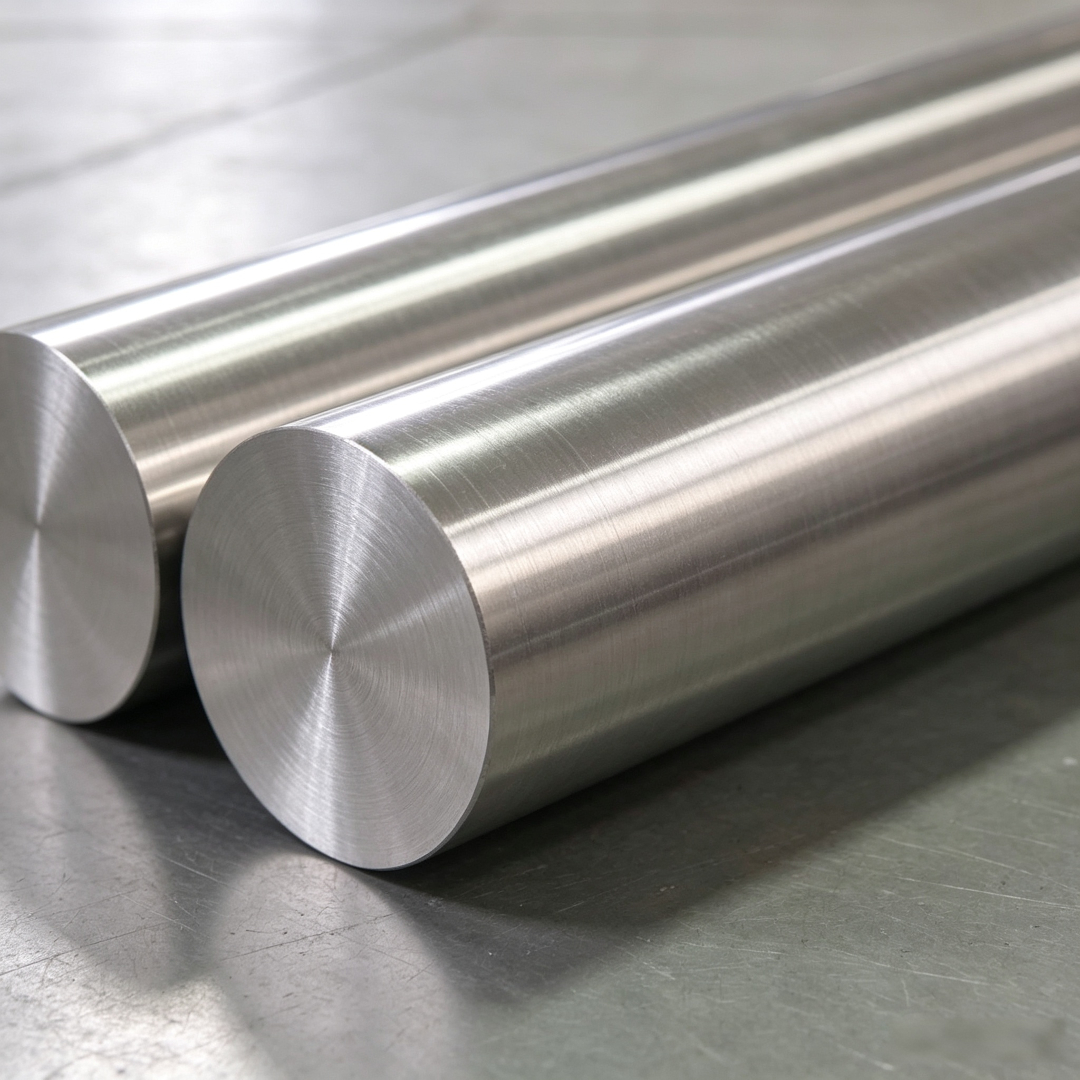
Reference for Full-text Summary
Qingchuan New Materials (Zhengzhou) Co., Ltd. has achieved three major breakthroughs in the production of special alloys and high-purity materials by establishing a full-chain technological system encompassing "purification-smelting-testing":
STEP 1: Quality LeapCore indicators such as product purity and composition uniformity have reached international advanced levels, with some products passing the AS9100D aerospace quality management system certification.
STEP2: Efficiency ImprovementThe real-time detection system has reduced the production cycle by 30% and increased the Overall Equipment Effectiveness (OEE) to over 85%.
STEP 3: Cost OptimizationThrough process improvement and economies of scale, the comprehensive cost is reduced by 12%-18% compared to the industry average, enhancing customers' market competitiveness.
Currently, the company has provided customized solutions for over 30 high-end manufacturing enterprises, with its products widely applied in fields such as new energy batteries, aerospace engines, and semiconductor equipment. In the future, Qingchuan New Materials will continue to invest in research and development to drive the evolution of special alloy production technology toward higher purity, superior performance, and lower costs.