 Qingchuan New Materials (Zhengzhou) Co., Ltd.
Qingchuan New Materials (Zhengzhou) Co., Ltd.
Qingchuan New Materials (Zhengzhou) Co., Ltd.
Qingchuan New Materials (Zhengzhou) Co., Ltd.
Qingchuan New Materials (Zhengzhou) Co., Ltd.
Part 1: Technical Background and Industry Requirements
Iron-nickel fixed expansion sealing alloys (such as 4J29, 4J33, etc.) are special alloys that achieve matching thermal expansion coefficients with materials like glass and ceramics through precise control of the iron-nickel ratio, widely used in electronic packaging, vacuum devices, aerospace, and other fields. Their core requirement lies in solving the sealing failure problems caused by the mismatched thermal expansion coefficients of different materials under high or low temperatures. For example, in semiconductor packaging, if the thermal expansion coefficients of the metal and ceramic do not match, it can lead to stress cracks in the device during temperature cycles, affecting reliability.
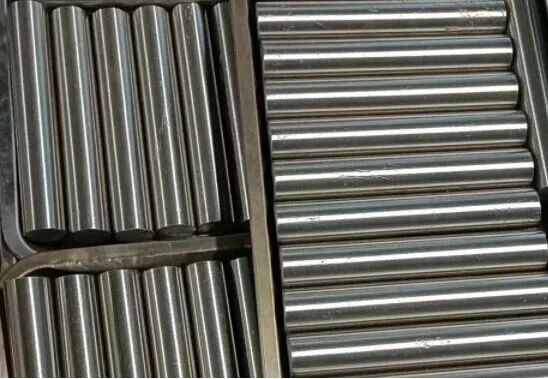
Chapter II: Qingchuan New Materials' Technical Layout and R&D Strength
Qingchuan New Materials (Zhengzhou) Co., Ltd. is located in the Zhengzhou High-Tech Industrial Development Zone, focusing on the research and production of high-purity metals and special alloys. The company is equipped with internationally advanced equipment such as vacuum induction melting furnaces and electroslag remelting furnaces, which can achieve precise control of iron-nickel alloy composition (error ≤ 0.01%). It optimizes the grain structure and mechanical properties of materials through processes such as cold rolling and heat treatment. For example, its 4J29 alloy has an average linear expansion coefficient of (4.6 ± 0.1) × 10⁻⁶/℃ within the temperature range of -60℃ to +200℃, with a matching degree of over 98% with borosilicate glass, meeting the requirements for high-precision sealing.
In terms of analysis and testing, the company is equipped with equipment such as a direct-reading spectrometer, X-ray diffraction instrument (XRD), and scanning electron microscope (SEM), enabling full-process detection of the chemical composition, phase structure, and surface morphology of alloys. For instance, observations through the SEM reveal that the optimized heat treatment process can refine the grain size of the alloy from 50μm to 20μm, significantly enhancing the material's plasticity and sealing strength.
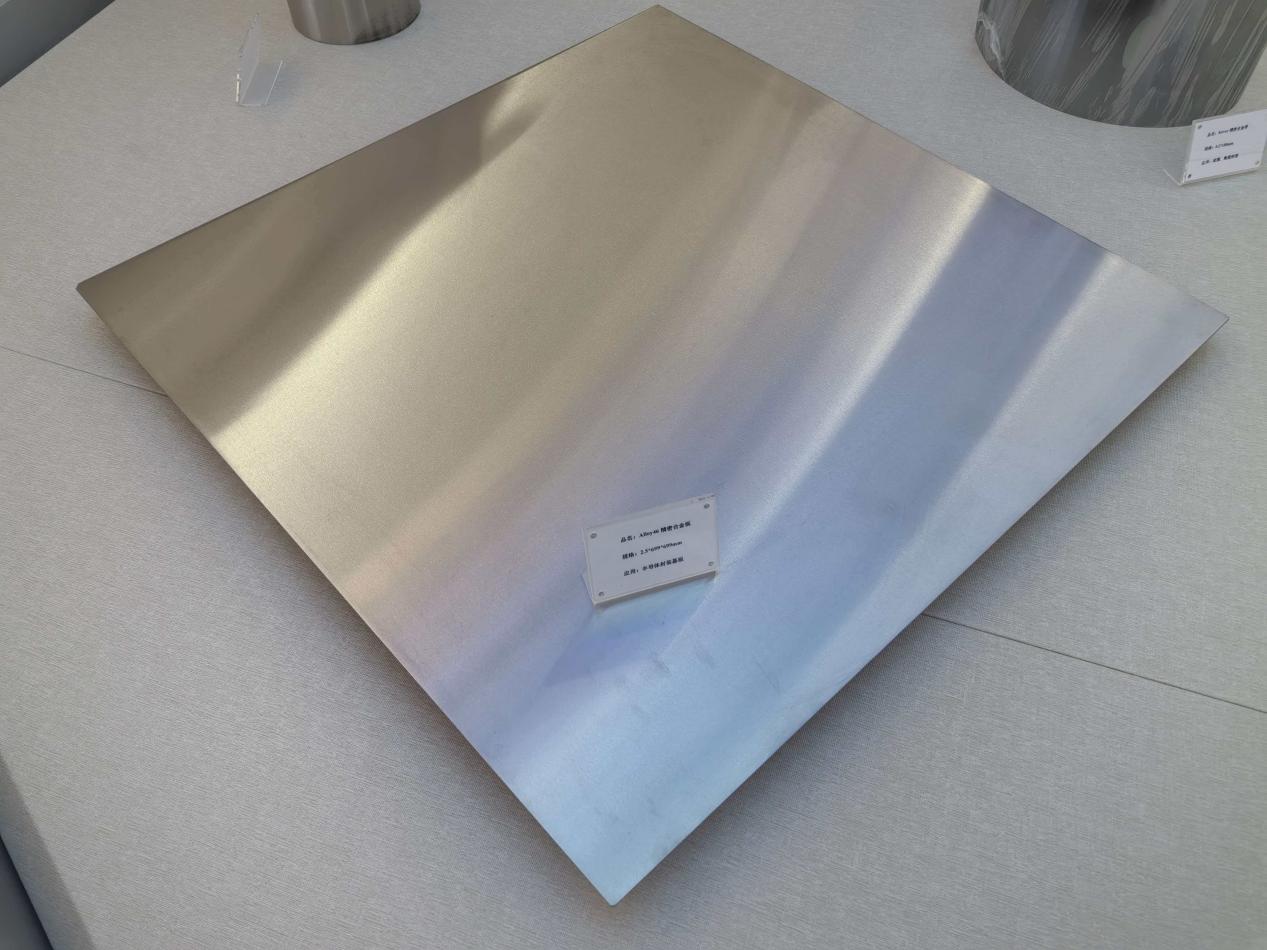
Typical Application Cases: Aerospace and Electronic Device Packaging
A space company once encountered failure in the sealing of microwave devices used in satellites due to the mismatched expansion coefficient of traditional sealing materials under extreme temperatures. Qingchuan New Materials customized a 4J33 alloy solution for them, adjusting the nickel content to 33% and optimizing the heat treatment process, which made the expansion coefficient of the alloy perfectly match the ceramic substrate within the temperature range of -100℃ to +300℃. Measured data show that after 100 temperature cycles (-100℃ to +150℃), the sealed devices still maintain an IP68 level of sealing, with a leakage rate below 1×10⁻¹¹ Pa·m³/s, which is three orders of magnitude better than traditional materials.
In addition, the company has provided a 4J29 alloy encapsulation solution for new energy vehicle battery management systems (BMS), which reduces the permeability by controlling the cobalt content (≤0.05%) in the alloy, thereby avoiding interference with sensor signals. Third-party testing shows that the material has a permeability μr≤1.005 at temperatures ranging from -40℃ to +85℃, meeting the electromagnetic compatibility requirements for vehicle-mounted electronic devices.
4. Technical Parameters and Compatible Scenarios
The core parameters of Qinchuan New Materials' Iron-Nickel Fixed Expansion Sealing Alloy are as follows:
Frequently Asked Questions: Common Technical Issues Solutions
Q1: How does the expansion coefficient of iron-nickel alloys match with glass?
A: The nickel content in the alloy should be adjusted according to the coefficient of expansion of the glass (e.g., for borosilicate glass, 4.7×10⁻⁶/℃). For instance, the 4J29 alloy matches with borosilicate glass by containing 29% nickel, with the error controlled within ±0.1×10⁻⁶/℃。
Q2: What factors affect the sealing strength of alloys?
A: Mainly affected by grain size, surface roughness, and heat treatment process. Qinchuan New Materials enhances sealing strength to over 200MPa through grain refinement (≤20μm) and surface polishing, far exceeding industry standards (150MPa).
Q3: How to solve the oxidation problem of alloys at high temperatures?
A: The company employs vacuum melting and inert gas protected heat treatment processes to control the oxygen content in the alloy to below 10ppm. Additionally, nickel plating (thickness ≥5μm) on the surface further enhances its antioxidant properties, ensuring long-term non-oxidation under 500℃ conditions.