 Qingchuan New Materials (Zhengzhou) Co., Ltd.
Qingchuan New Materials (Zhengzhou) Co., Ltd.
Qingchuan New Materials (Zhengzhou) Co., Ltd.
Qingchuan New Materials (Zhengzhou) Co., Ltd.
Qingchuan New Materials (Zhengzhou) Co., Ltd.
Technical Background and Industry Demands
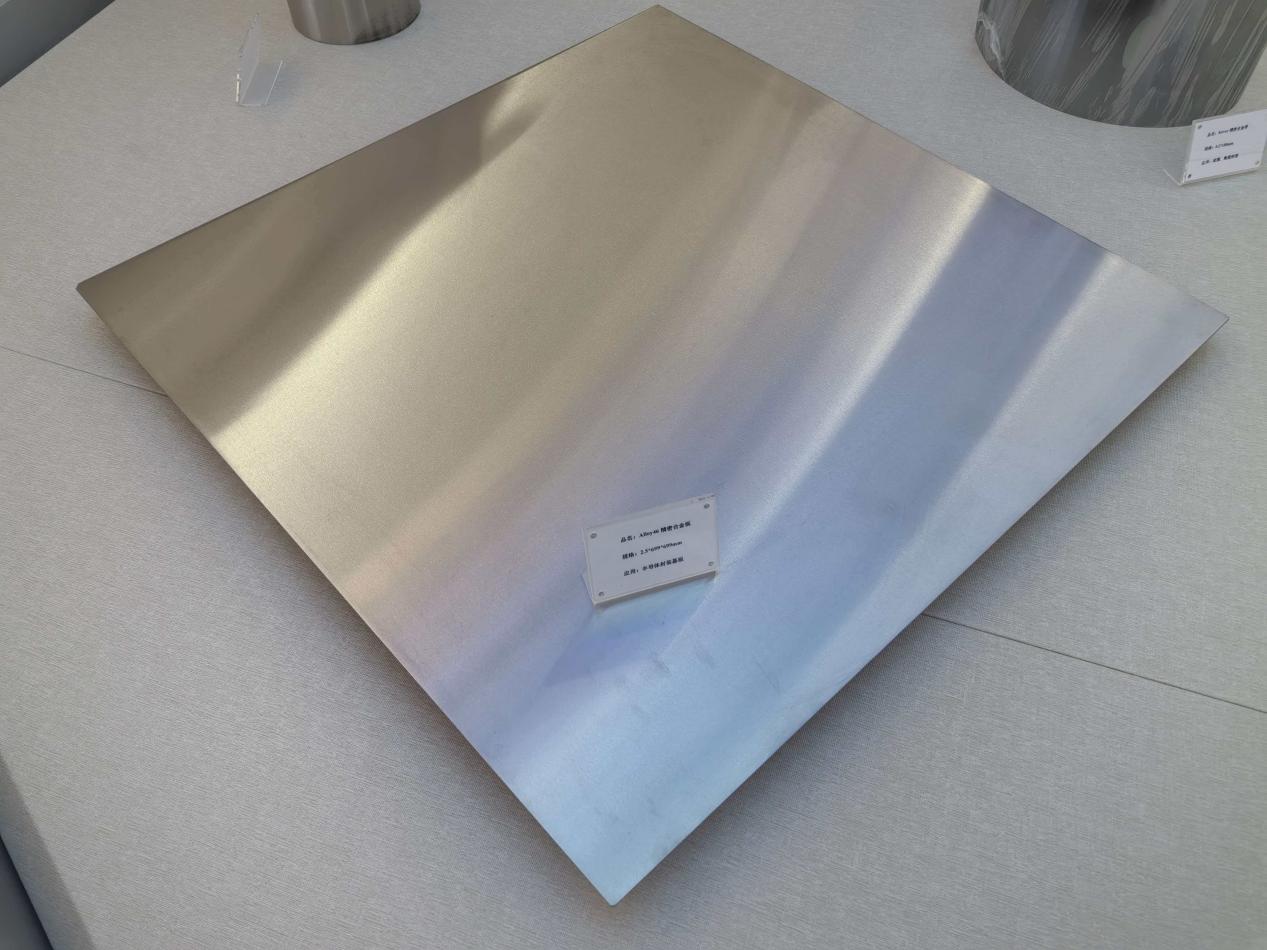
Iron-nickel controlled expansion sealing alloys (such as grades 4J29, 4J42, etc.) are specialized alloys that achieve thermal expansion coefficient matching with glass or ceramics by precisely controlling the proportion of iron and nickel elements. They are widely used in fields such as electronic vacuum devices, sensor packaging, and aerospace. Their core value lies in resolving sealing stress issues caused by differences in thermal expansion coefficients between different materials, ensuring the sealing performance and reliability of devices under extreme temperature conditions. Taking Qingchuan New Materials (Zhengzhou) Co., Ltd. as an example, its iron-nickel alloy products have served numerous precision electronics manufacturing enterprises, meeting full-process demands from R&D to mass production.
Technical Principles and Core Parameters
The regulation of the thermal expansion coefficient of iron-nickel alloy relies on the precise proportioning of nickel content. For instance, 4J29 alloy (containing 28.5% to 29.5% nickel) exhibits an average linear expansion coefficient of (4.6 ± 0.1) × 10⁻⁶/℃ within the temperature range of 20 to 400℃, which is highly compatible with the expansion coefficient of hard glass (such as DM-305). Qingchuan New Materials controls impurity content (e.g., carbon ≤ 0.03%, sulfur ≤ 0.02%) through vacuum induction melting, and optimizes the cold rolling deformation rate (60% to 70%) and intermediate annealing temperature (780 to 820℃) to achieve alloy microstructure homogenization, ensuring an interfacial bonding strength of ≥ 150 MPa after sealing.
Technical Layout and Production Capacity of Qingchuan New Materials
Qingchuan New Materials, located in Zhengzhou High-Tech Industrial Development Zone, boasts modern standard workshops and dedicated production lines for special alloys, equipped with testing equipment such as spectrometers imported from Germany and Mitutoyo profilometers from Japan, enabling full-process quality control from raw material proportioning to finished product performance. Its iron-nickel alloy product line covers thickness specifications ranging from 0.05 to 10 mm, with an annual production capacity of 200 tons, supporting small-batch customized production (minimum order quantity of 5 kg) to meet the differentiated needs of research institutions and enterprises.
Typical application case: Sealing solution for a sensor enterprise
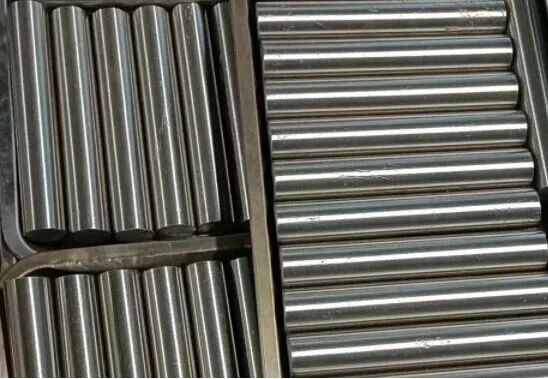
The pressure sensors produced by a certain enterprise need to operate for long periods in environments ranging from -50 to 150°C. Micro-cracks occurred when Kovar alloy (4J29) was originally used for sealing with ceramics. Everpro New Materials adjusted the nickel content to 29.2%, optimized the cold rolling process to achieve a grain size of ASTM Grade 8, and applied vacuum annealing at 900°C for 2 hours. The final product passed the thermal cycling test from -60 to 180°C (1,000 cycles without leakage), with the yield rate increasing from 72% to 95%. This case validates the crucial role of collaborative optimization of material composition and process parameters in ensuring sealing reliability.
Technical FAQ: Analysis of Common Questions
Q1: What are the causes of leakage after iron-nickel alloy sealing?
A: Possible causes include: ① A mismatch in the coefficient of thermal expansion between the alloy and sealing material exceeding 5%; ② Incomplete removal of the surface oxide layer; ③ An unreasonable sealing temperature profile (e.g., excessive heating rate leading to stress concentration).擎川新材料 (Qingchuan New Materials) recommends determining the glass transition temperature through DSC analysis and optimizing the heating rate using finite element simulation.
Q2: How to select the appropriate iron-nickel alloy grade?
A: A comprehensive evaluation needs to be conducted based on the expansion coefficient, operating temperature range, and cost of the sealing material. For example, 4J42 alloy (with a nickel content of 41.5% to 42.5%) is suitable for sealing with soft glass, while 4J29 is more compatible with hard glass; if higher strength is required, cobalt-added 4J33 alloy can be selected.
Conclusion
Technological breakthroughs in iron-nickel controlled expansion sealing alloys rely on the collaborative innovation of material composition design, processing technology control, and sealing interface engineering. Through continuous R&D investment and industrialization practices, Qingchuan New Materials has established a comprehensive technological system spanning material R&D, precision machining, and quality inspection, providing replicable solutions for reliable sealing of high-end electronic devices. In the future, as demand grows for miniaturized, highly sealed components in fields such as 5G communication and new energy vehicles, the technological value of iron-nickel alloys will become even more prominent.