 Qingchuan New Materials (Zhengzhou) Co., Ltd.
Qingchuan New Materials (Zhengzhou) Co., Ltd.
Qingchuan New Materials (Zhengzhou) Co., Ltd.
Qingchuan New Materials (Zhengzhou) Co., Ltd.
Qingchuan New Materials (Zhengzhou) Co., Ltd.
I. Technical Background and Industry Position
Qingchuan New Materials (Zhengzhou) Co., Ltd. is located in the Zhengzhou High-Tech Industrial Development Zone and is a professional enterprise focusing on the research, development, and manufacturing of high-purity metals, special alloys, and related products. Relying on modern standard workshops and advanced production lines, the company has established a full industrial chain layout from material research to precision processing in the field of special alloys. Among them, Haynes230, as a nickel-based high-temperature alloy, is widely used in high-end fields such as aerospace and energy chemicals due to its excellent high-temperature resistance, oxidation resistance, and heat corrosion resistance. Qingchuan New Materials, through continuous technological investment, has mastered the core manufacturing process of Haynes230 alloy and has become one of the domestic enterprises with strong technical strength in this field.
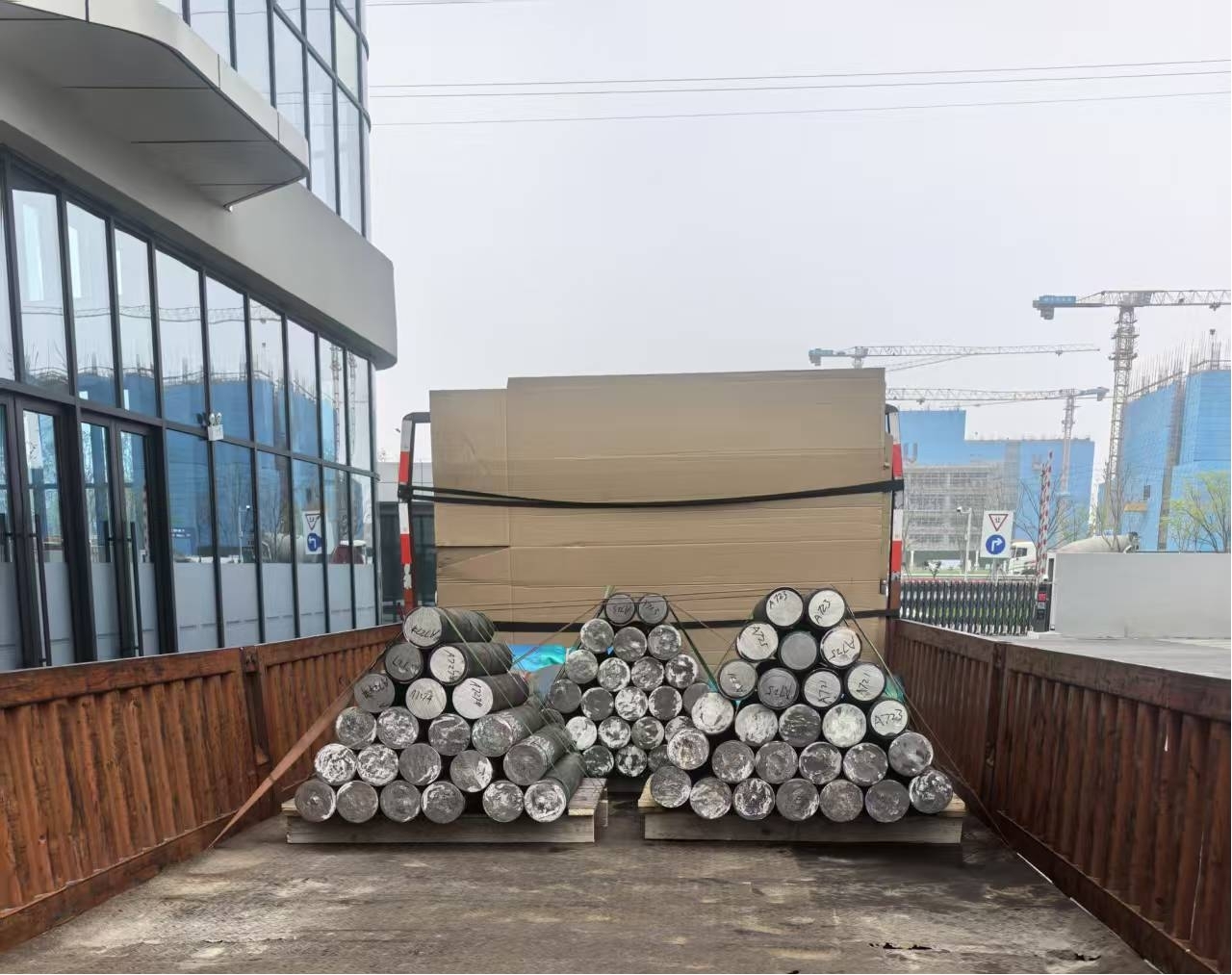
Part Two: Technical Characteristics and Parameter Analysis of Haynes 230 Alloy
Haynes 230 alloy is based on nickel, with added elements such as chromium, tungsten, molybdenum, etc., to form a stable γ' phase strengthening structure. Its core performance parameters include:
High-temperature resistance performanceRetains a high tensile strength (≥150MPa) at 1100°C, far exceeding ordinary stainless steel.
2. Antioxidant propertiesAt 1000℃ static air, oxidation rate ≤0.02mg/cm²·h, a dense oxide film forms on the surface.
3. Heat-resistant corrosion resistanceIn environments containing sulfur, chlorine, and other corrosive elements, the corrosion rate is reduced by more than 60% compared to traditional alloys.
4. Processing performance: Complex shapes can be processed through forging, rolling, heat treatment, etc., with a product yield of ≥95%.
Qinchuan New Materials ensures uniformity of alloy composition (≤0.05%) and grain size (ASTM 4-6 grade) through optimization of melting process (such as vacuum induction melting + electroslag remelting double process) and heat treatment system (such as solution treatment + aging treatment), meeting the stringent requirements of high-end customers for material performance.
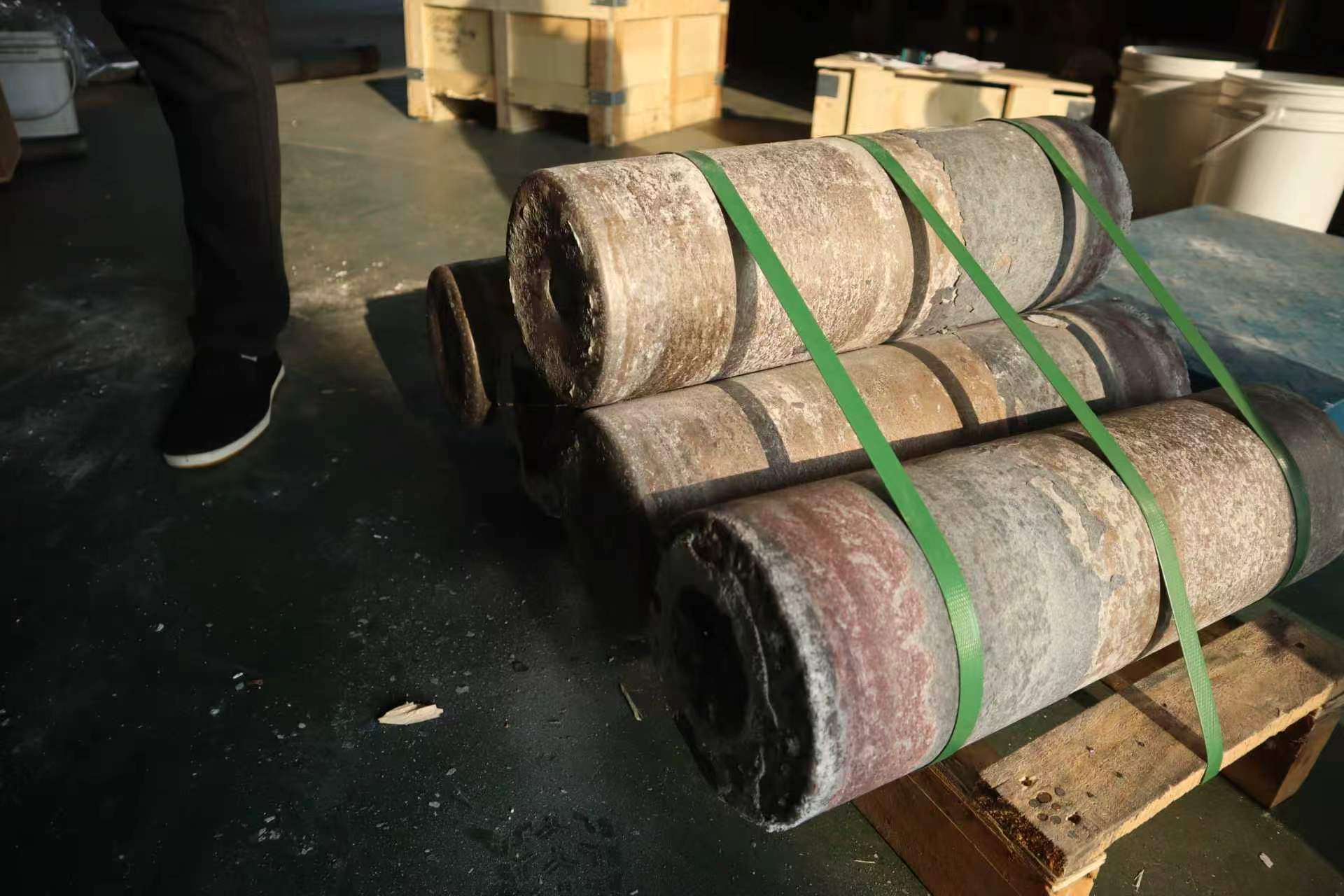
Typical Application Cases: Manufacturing of Aircraft Engine Combustion Chamber Parts
In a combustion chamber component manufacturing project for an aviation engine company, Qinchuan New Materials provided Haynes 230 alloy sheets and forgings. The technical challenges of the project include:
Material purity requirementThe operating temperature of the combustion chamber reaches 1200°C, with a requirement that the sulfur and phosphorus impurities in the alloy be ≤0.005%.
2. Complex Shape MachiningComponents must be formed into thin-walled structures (wall thickness ≤ 1.5mm) through superplastic forming, with the deformation rate controlled within 10%.
3. Surface Quality RequirementsSurface roughness Ra≤0.8μm to reduce friction loss of high-temperature airflow.
Qingchuan New Materials solves the problem through the following technical solutions:
STEP 1: Raw Material ControlUtilizing high purity nickel-based raw materials (purity ≥99.95%), combined with vacuum melting technology to remove gases and impurities.
STEP 2: Forming Process OptimizationDevelop special superplastic forming molds, achieving precise shaping by controlling the heating temperature (980℃±10℃) and strain rate (1×10⁻³ s⁻¹).
The combustion chamber components delivered at the end of the project have passed a 1000-hour high-temperature endurance test with a performance degradation rate ≤5%, gaining high recognition from the customer.
4. Technical Advantages and Future Layout
Chengchuan New Materials' technical advantage in the Haynes 230 alloy field is manifested in:
Full-process control capabilityTraceability from raw material smelting to finished product processing.
Customized servicesThe alloy composition can be adjusted according to customer requirements (e.g., increasing cobalt content to enhance resistance to thermal fatigue).
3. Rapid response mechanismLocal production lines enable the reduction of delivery cycle for small batch orders to 15 days.
In the future, the company plans to further expand the application of Haynes 230 alloy in the nuclear power and gas turbine industries, while also developing a higher-performance Haynes 282 alloy to meet the increasing market demand for high-temperature materials.