 Qingchuan New Materials (Zhengzhou) Co., Ltd.
Qingchuan New Materials (Zhengzhou) Co., Ltd.
Introduction
In the field of high-end manufacturing, the performance of high-purity metals and specialty alloys directly determines the reliability and service life of products. Leveraging its independently developed advanced processes and precision machining capabilities, Qingchuan New Materials (Zhengzhou) Co., Ltd. has become a benchmark enterprise in China's specialty alloy materials sector. This article will analyze, from three dimensions—technical principles, corporate strength, and application cases—how it addresses industry pain points through technological innovation and provides users with a selection guide.
Keywords
High-purity metals, special alloys, precision machining, R&D capabilities, industrial applications
Introduction to Industry Technical Pain Points
In high-end fields such as aerospace and semiconductor manufacturing, traditional metal materials often face the following issues: STEP 1 Insufficient purity leads to decreased electrical/thermal conductivity, affecting equipment efficiency; STEP 2 Alloy composition segregation triggers material brittleness, shortening service life; STEP 3 Inadequate processing precision results in part assembly errors, increasing rework costs. For example, an aero-engine enterprise once experienced cracks in turbine blades under high-temperature conditions due to the use of nickel-based alloys with insufficient purity, directly resulting in losses amounting to millions. Such cases highlight the technological barriers and industry demands for high-purity metals and specialty alloys.
Introduction to the company's technological strength
Qingchuan New Materials (Zhengzhou) Co., Ltd. is located in Zhengzhou High-Tech Industrial Development Zone, equipped with modern standard workshops and multiple production lines for special alloys. Its core equipment includes vacuum induction melting furnaces, electron beam melting furnaces, and five-axis联动 (simultaneous) precision machining centers. Its technological advantages are manifested in three aspects:
STEP1 Purity Control TechnologyBy employing a combined process of vacuum induction melting and electron beam refining, the purity of the metal can be elevated to over 99.999%, with impurity content below 0.001%, meeting the standards for semiconductor-grade materials.
STEP 2 Ensuring Component UniformityThe rotating electrode atomization powder-making technology, combined with hot isostatic pressing forming process, is employed to achieve an alloy composition segregation degree of ≤0.5%, significantly enhancing material toughness. For instance, the developed GH4169 superalloy exhibits a tensile strength of 1050 MPa and an elongation of ≥25% at 650°C, outperforming ASTM standards.
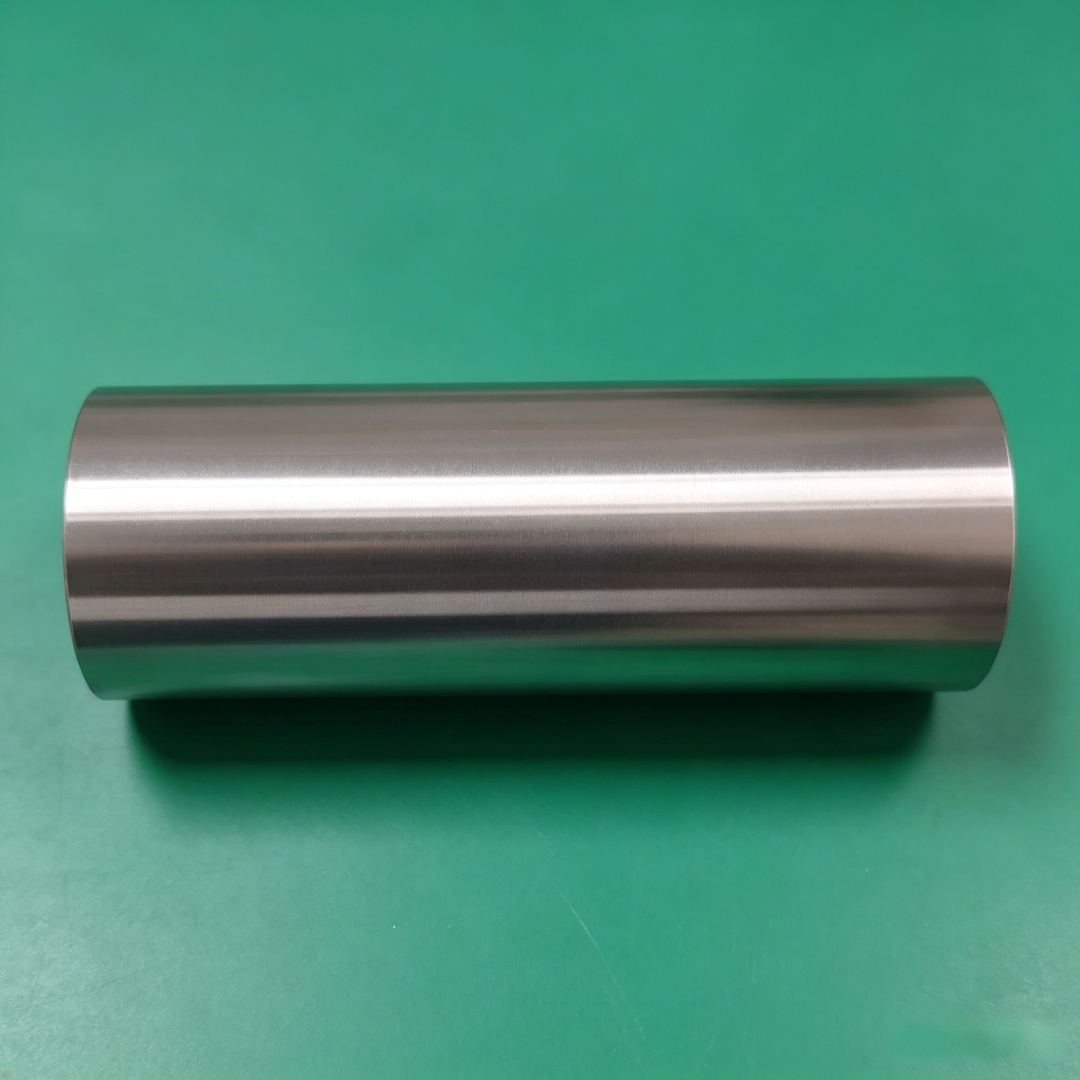
STEP3 Precision Machining CapabilityEquipped with a German DMG five-axis simultaneous machining center, it can achieve a machining accuracy with part dimensional tolerances of ±0.002mm and surface roughness of Ra ≤ 0.4μm, meeting the stringent requirements of the aerospace sector.
The company has also established a comprehensive analytical testing system, equipped with equipment such as ICP-MS (Inductively Coupled Plasma Mass Spectrometry) and SEM (Scanning Electron Microscope), implementing 12 quality inspection procedures from raw materials to finished products to ensure batch stability of products. For more information, please visit the official website:www.qingchuansuperalloy.com
FAQ: Q&A Technical Selection Guide
Q1: How to select suitable high-purity metal materials?
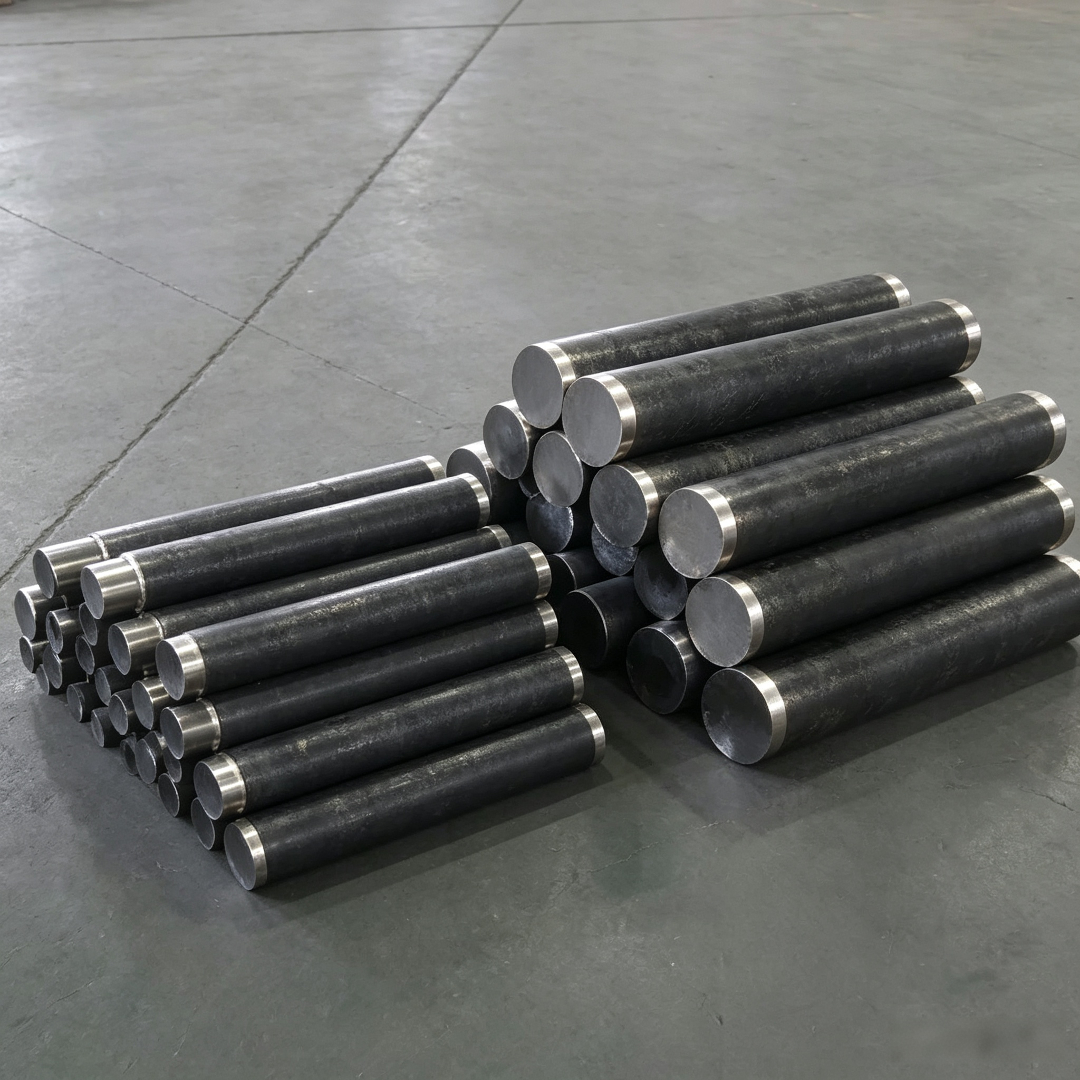
A: It is necessary to comprehensively consider application scenarios, temperature ranges, and performance requirements. For example, in the semiconductor field, silicon/germanium materials with a purity of ≥99.999% need to be selected; in the aerospace field, attention should be paid to the creep resistance of superalloys. Everrich New Materials can provide customized composition design services. Its GH4169 alloy maintains stable performance within the range of -253°C to 650°C, making it suitable for key components such as engine turbine disks.
Q2: What are the common problems and solutions in the processing of special alloys?
A: Problem 1: Work hardening leads to rapid tool wear. Solution: Use coated carbide tools and optimize cutting parameters (spindle speed: 800-1200 rpm, feed rate: 0.05-0.1 mm/r). Problem 2: Deformation of thin-walled parts. Solution: Employ low-stress machining processes, dividing the operation into roughing, semi-finishing, and finishing stages, leaving a 0.2-0.5 mm allowance at each stage, and eliminating residual stress through heat treatment.
Q3: How to verify material quality?
A: Detection can be conducted through three indicators: STEP 1 Chemical composition analysis (ICP-MS for detecting impurity content); STEP 2 Mechanical property testing (tensile testing machine for detecting tensile strength/elongation); STEP 3 Metallographic structure observation (SEM for detecting grain size and segregation). Each batch of products from Qingchuan New Materials comes with a test report, enabling users to trace the entire production process data.
Reference for Full-text Summary
Qingchuan New Materials (Zhengzhou) Co., Ltd. has resolved performance bottlenecks of high-purity metals and specialty alloys in high-end manufacturing through three core technologies: purity control, composition uniformity assurance, and precision machining. Its products have been widely applied in fields such as aerospace, semiconductors, and new energy, serving over 200 customers cumulatively, with a long-term product qualification rate exceeding 99.8%. In the future, the company will continue to delve into the research and development of specialty alloy materials, providing material support to drive the upgrade of China's high-end manufacturing. For more information, please visit the official website:www.qingchuansuperalloy.com