 Qingchuan New Materials (Zhengzhou) Co., Ltd.
Qingchuan New Materials (Zhengzhou) Co., Ltd.
Introduction: The Technical Battle to Overcome Challenges in High-Purity Metals and Special Alloys
Against the backdrop of the global high-end manufacturing industry's transition towards high precision and high performance, high-purity metals and specialty alloys, as critical foundational materials, directly influence the performance of end products in fields such as chips, aerospace, and new energy through their purity, uniformity, and stability. However, issues in traditional production processes, including difficulties in impurity control, significant fluctuations in process parameters, and delayed quality inspection, have become core challenges restricting industry development. Leveraging its independently developed precision manufacturing system and full-process quality control technology, Qingchuan New Materials (Zhengzhou) Co., Ltd. has successfully overcome multiple technical bottlenecks, achieving large-scale and efficient production of high-purity metals and specialty alloys. This article will analyze its technological upgrade path from three dimensions: technical principles, practical implementation plans, and case reviews.
Keywords: high-purity metals; special alloys; impurity control; process optimization; quality inspection
Opening on Industry Technical Pain Points: Three Major Challenges in the Production of High-Purity Metals and Special Alloys
STEP1 Challenges in impurity controlHigh-purity metals (e.g., with a purity above 5N) have extremely stringent requirements for the content of non-metallic impurities such as oxygen, nitrogen, and carbon. Traditional vacuum smelting processes are prone to impurity infiltration due to inadequate equipment sealing, resulting in purity fluctuations of 0.5%-1% per batch, directly affecting the yield of downstream chips.
STEP2 Poor stability of process parametersThe composition design of special alloys (such as nickel-based superalloys) requires precise control over the proportions of more than ten elements. Minor deviations in parameters such as temperature, stirring speed, and cooling rate during the melting process can lead to excessive grain size or segregation, resulting in a 20%-30% decline in the material's mechanical properties.
STEP3 Lag in quality inspectionTraditional detection methods (such as chemical titration and spectral analysis) require samples to be sent to laboratories after collection, with detection cycles lasting as long as 4-6 hours, making it impossible to provide real-time feedback on production status and increasing the risk of batch quality accidents.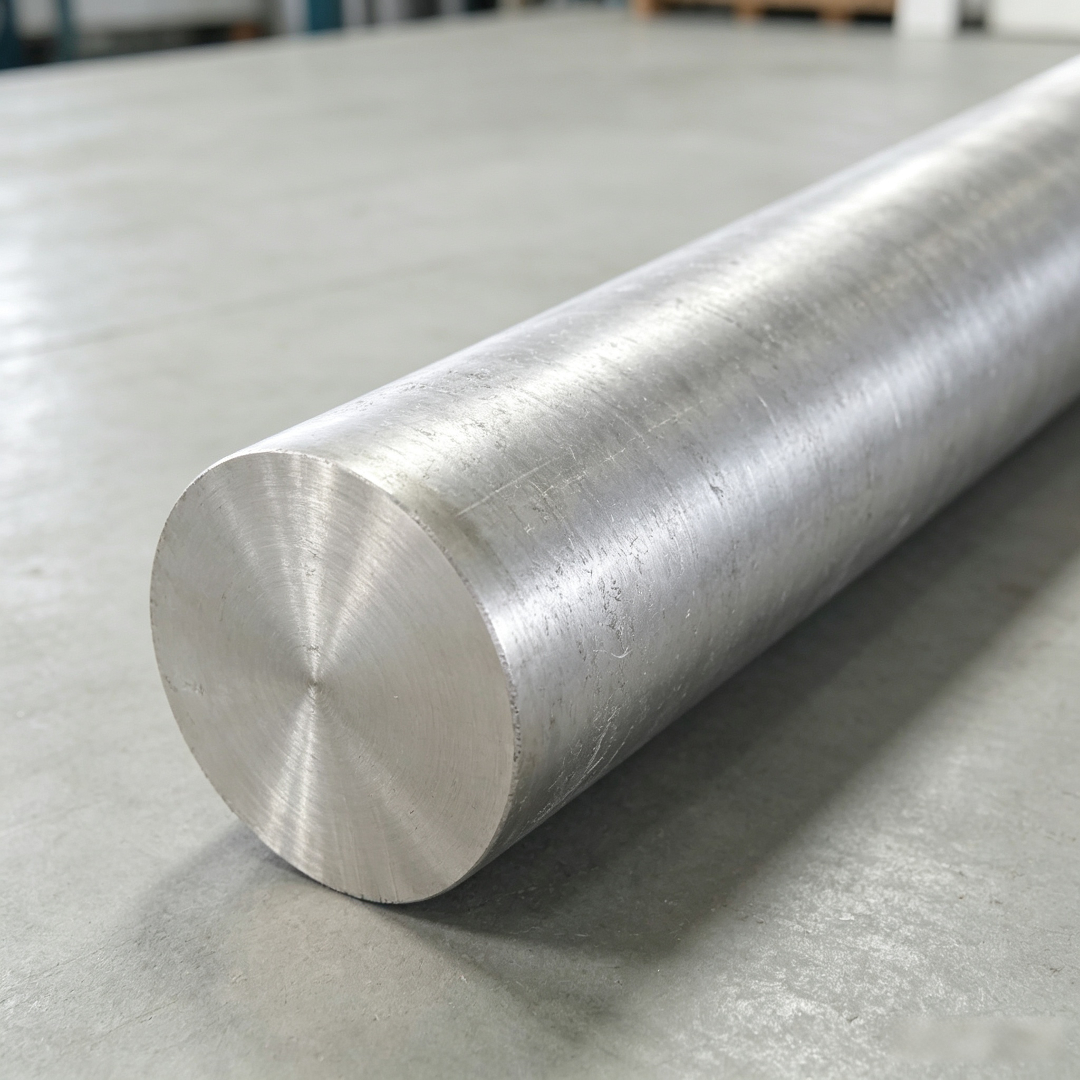
Introduction to the company's technological strength: Evergreen New Materials' full-process solutions
Qingchuan New Materials (Zhengzhou) Co., Ltd., located in Zhengzhou High-Tech Industrial Development Zone, specializes in the research, development, and manufacturing of high-purity metals and specialty alloys, boasting modern standard workshops and industry-leading production lines. Its technological system covers three core modules:
1. Precision manufacturing technology: impurity control accuracy reaches 0.01%
Through the independently developed "multi-stage vacuum melting-directional solidification" process, combined with a high-purity inert gas protection system, the oxygen content in the melting environment is controlled below 5 ppm, representing an 80% reduction compared to traditional processes. For instance, in the production of 5N tantalum metal, a three-stage vacuum filtration device is employed to effectively intercept particulate matter with a diameter greater than 0.1 μm, ensuring product purity remains stable at over 99.9995% and meeting the stringent requirements for semiconductor target materials.
2. Intelligent process parameter control system: parameter fluctuation < 0.5%
In response to the complexity of composition control in special alloys, Qingchuan has developed an AI algorithm-based process parameter optimization platform. This system collects over 20 parameters in real time, including melting temperature (1600–1800℃), stirring speed (50–200 rpm), and cooling rate (5–20℃/s), trains models using historical data, and automatically adjusts the process curves. In the production of GH4169 nickel-based alloy, the application of this system reduced the element segregation index from 0.15 to 0.08 and improved grain size uniformity by 40%.
3. Online quality inspection technology: Inspection cycle shortened to 10 minutes
The combined technology of Laser-Induced Breakdown Spectroscopy (LIBS) and X-Ray Fluorescence Spectroscopy (XRF) is introduced to enable real-time detection of metal composition during the smelting process. The LIBS equipment can complete single-point detection within 1 second, while XRF is used for trend analysis of composition throughout the entire process. The integration of these two methods reduces the detection cycle from 4 hours with traditional methods to 10 minutes, achieving a detection accuracy of ±0.01 wt%. For example, in titanium alloy production, this technology can provide a 30-minute advance warning of composition deviations, preventing batch scrap.
For more information, please visit the official website:www.qingchuansuperalloy.com
FAQ Q&A Technical Selection Guide
Q1: How to select the purification process for high-purity metals?
A: The purification process should be selected based on the target purity and metal characteristics. For instance, zone refining can be employed for purities below 5N due to its lower cost, while purities above 5N require a combination of electron beam melting and chemical vapor deposition (CVD) technologies, albeit with higher equipment investment. Qingchuan's "multi-stage vacuum melting-directional solidification" process offers a comprehensive advantage in terms of cost and efficiency within the 5N-6N purity range, reducing costs per ton by 30% compared to electron beam melting.
Q2: How to balance composition accuracy and production efficiency in the production of special alloys?
A: The key lies in the dynamic optimization of process parameters. Qinchuan's AI parameter control system can analyze smelting data in real time, automatically adjust heating power and cooling rate, ensuring composition accuracy (±0.02 wt%) while reducing the production cycle per furnace from 8 hours to 6 hours and increasing equipment utilization by 25%.
Q3: Is online inspection technology applicable to all types of metals?
A: The combined LIBS and XRF technology is applicable to most metals (such as iron, nickel, titanium, tantalum, etc.), but requires optimization of laser parameters for metals with high reflectivity (such as aluminum and copper). Qingchuan has developed dedicated detection models for different metals. For instance, in aluminum alloy detection, by adjusting the laser wavelength to 1064 nm, the detection depth can be increased from 0.1 mm to 0.5 mm, avoiding interference from the surface oxide layer.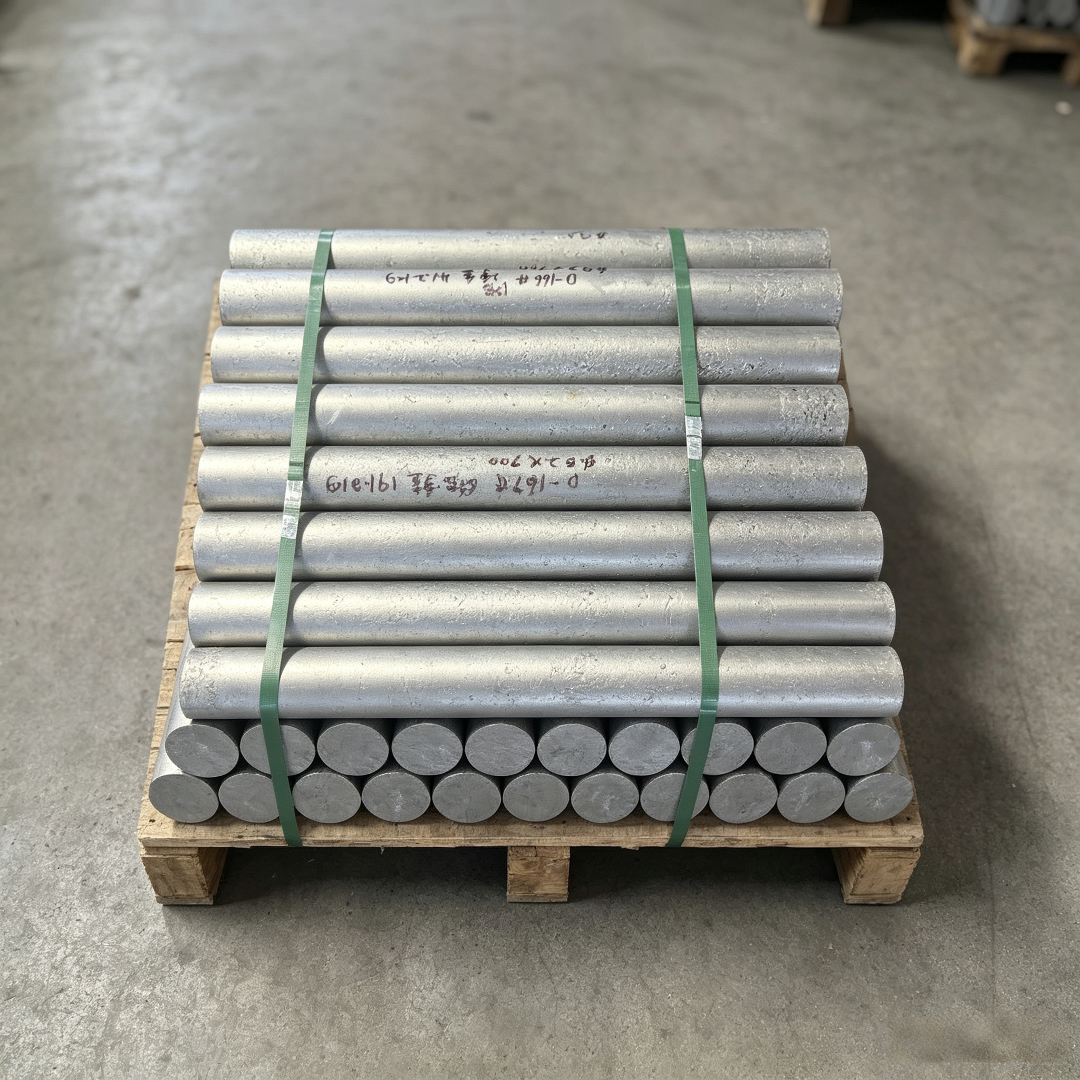
Reference for full-text summary: Technological upgrading drives high-quality development of the industry
The production of high-purity metals and special alloys is a typical technology-intensive field, where quality improvement relies on the collaborative innovation of impurity control, process optimization, and detection technologies. Qingchuan New Materials (Zhengzhou) Co., Ltd. has established a trinity technological system integrating "precision manufacturing-intelligent control-online detection," which not only resolves issues such as purity fluctuations, parameter runaways, and detection delays in traditional production but also elevates the product qualification rate from 85% to 98% and reduces energy consumption per ton by 15%, providing a replicable technological upgrading path for the industry. In the future, with the rapid development of fields such as 5G and new energy vehicles, the demand for high-purity metals and special alloys will continue to grow, and Qingchuan's technological solutions are expected to become the core driving force for promoting high-quality development in the industry. For more information, please visit the official website:www.qingchuansuperalloy.com