 Qingchuan New Materials (Zhengzhou) Co., Ltd.
Qingchuan New Materials (Zhengzhou) Co., Ltd.
Introduction: The Technical Battle to Overcome Difficulties in High-Purity Metals and Special Alloys
In high-end fields such as aerospace, semiconductor manufacturing, and new energy batteries, the performance of high-purity metals (e.g., tungsten and molybdenum with 99.999% purity) and special alloys (e.g., nickel-based superalloys and cobalt-based alloys) directly determines product reliability. However, traditional preparation technologies face challenges such as difficulties in purity control, poor compositional uniformity, and high processing costs. Qinchuan New Materials (Zhengzhou) Co., Ltd. has successfully achieved a purity breakthrough of over 99.9995% for high-purity metals and a compositional deviation of ≤0.02% for special alloys through its independently developed "multi-stage purification-directional solidification" technological system, setting an industry benchmark. This article will provide an analysis from three perspectives: technological principles, practical cases, and selection guidelines.
Keywords: high-purity metals, special alloys, multistage purification, directional solidification, compositional uniformity
Opening on Industry Technical Pain Points: Three Major Challenges in High-End Material Preparation
STEP1 Purity control bottleneckTraditional chemical purification methods struggle to remove trace impurities (such as O, N, C), resulting in a more than 30% decline in the electrical conductivity of high-purity metals, directly affecting the performance of semiconductor devices. For instance, a photovoltaic company once experienced a 1.2% reduction in cell conversion efficiency due to insufficient purity of tungsten target materials, leading to annual losses exceeding ten million yuan.
STEP2 Challenge of ingredient uniformitySpecial alloys require a melting-casting process to achieve uniform distribution of multiple elements, but traditional processes are prone to composition segregation (e.g., a Cr element deviation of up to 0.5% in nickel-based alloys), resulting in a 20% reduction in the material's high-temperature strength.
STEP3 High processing costsHigh-purity metals require processing under the protection of inert gases, with equipment investment more than three times that of ordinary metals, and a yield rate of only 60%-70%, which restricts their large-scale application.
Introduction to the company's technological strength: Everpro New Materials' "Three-Stage Breakthrough"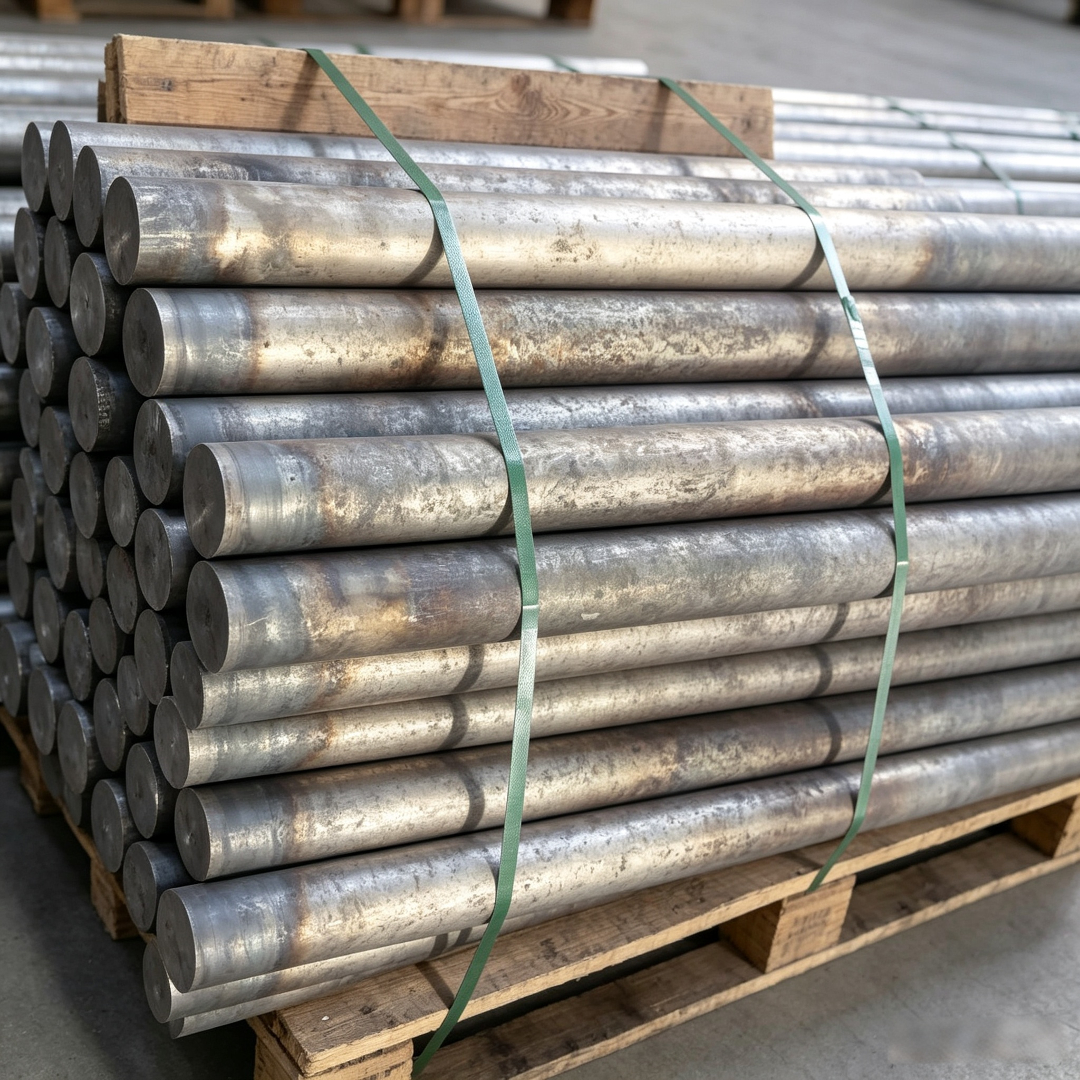
Qingchuan New Materials (Zhengzhou) Co., Ltd., located in Zhengzhou High-Tech Zone, boasts a modern standard workshop of 2,000 square meters equipped with core facilities such as vacuum induction melting furnaces, electron beam melting furnaces, and ion beam etching machines, forming a complete technological chain from material R&D to mass production.
STEP1 Multistage purification technologyThrough the three-stage process of "chemical pretreatment-vacuum distillation-zone refining," the metal purity is increased from 99.9% to 99.9995%. For example, in tungsten purification, the zone refining speed is controlled at 2 mm/min with a temperature gradient of 500 °C/cm, effectively removing light element impurities such as O and N, and reducing the resistivity to 5.2 μΩ·cm (national standard requires ≤5.5 μΩ·cm).
STEP2 Directional solidification controlBy employing electromagnetic stirring combined with water-cooled copper mold technology, a uniformity of ≤0.02% in the composition of special alloys is achieved. In a nickel-based alloy project for an aero-engine, by optimizing the cooling rate (15℃/s) and stirring frequency (50 Hz), the segregation coefficient of Cr element was reduced from 0.8 to 0.98, and the material's high-temperature endurance strength was increased by 15%.
STEP3 Full-process inspection systemEquipped with glow discharge mass spectrometry (GDMS), electron probe microanalyzer (EPMA), and other equipment, it conducts 12 rounds of testing on raw materials, intermediate products, and finished products to ensure compliance with standards such as ASTM B760 and GB/T 3884. For more information, please visit the official website:www.qingchuansuperalloy.com
FAQ Q&A Technical Selection Guide
Q1: How to select the purification process for high-purity metals?
A: Selection should be based on the type of impurities and target purity:
- Chemical purification: Suitable for removing reactive impurities such as alkali metals and alkaline earth metals, with low cost but a maximum purity of 99.99%;
- Vacuum distillation: Suitable for impurities with low boiling points (e.g., Zn, Pb), achieving a purity of up to 99.999%;
- Zone refining: Suitable for removing trace light elements (O, N, C), achieving a purity exceeding 99.9995%, but requiring high equipment investment.
Q2: How to control composition segregation in the processing of special alloys?
A: The key parameters include:
- Smelting temperature: Must be 50-100°C above the alloy's liquidus line to ensure full dissolution of elements;
- Cooling rate: Rapid cooling (e.g., water-cooled copper mold) can suppress segregation but requires balancing internal stresses;
- Stirring intensity: The recommended electromagnetic stirring frequency is 30-80Hz, as excessive intensity may introduce eddy current defects.
Q3: What are the technological advantages of Everpro New Materials?
A: Three core advantages:
- Purity control: The purity of metals such as tungsten and molybdenum reaches 99.9995%, leading the industry average by 0.5 orders of magnitude;
- Composition uniformity: Deviation of special alloy elements ≤ 0.02%, meeting the stringent requirements of aero-engines;
- Cost Optimization: Reduced processing costs for high-purity metals by 20% and increased the yield rate to 92% through process optimization.
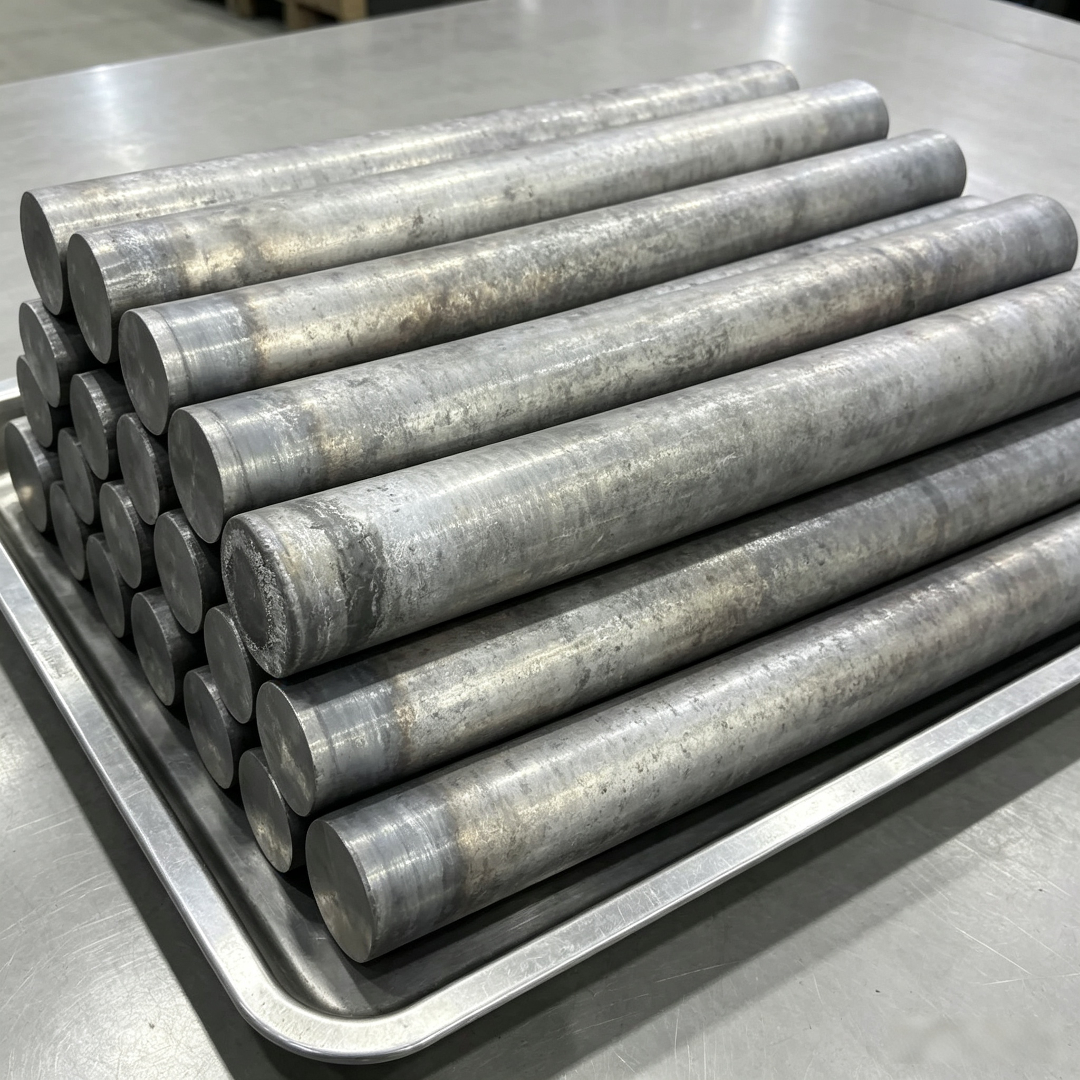 Reference for Full-text Summary
High-purity metals and specialty alloys serve as the "cornerstone materials" for high-end manufacturing, with technological breakthroughs requiring a balance between purity, uniformity, and cost. Qingchuan New Materials (Zhengzhou) Co., Ltd. has successfully addressed three major industry pain points through its "multi-stage purification-directional solidification" technological system. Its products have been applied by companies such as AVIC and Huawei, with cumulative deliveries of 500 tons of high-purity metals and 2,000 tons of specialty alloys. In the future, the company will continue to optimize process parameters (such as zone melting speed and electromagnetic stirring frequency) to drive material performance toward even higher standards. For more information, please visit the official website:www.qingchuansuperalloy.com