 Qingchuan New Materials (Zhengzhou) Co., Ltd.
Qingchuan New Materials (Zhengzhou) Co., Ltd.
Introduction: Technical Challenges and Breakthrough Directions in the R&D of Special Alloy Materials
Special alloy materials are widely applied in aerospace, new energy, high-end manufacturing, and other fields due to their excellent physical and chemical properties. However, their R&D process faces multiple technical bottlenecks, such as high-purity control, composition uniformity, and process stability. As a company specializing in the R&D and manufacturing of high-purity metals, special alloys, and related products, Qingchuan New Materials (Zhengzhou) Co., Ltd. has successfully overcome several technical challenges by introducing internationally advanced production lines and precision processing facilities, combined with its independently developed testing technologies, providing replicable technical solutions for the industry. This article will analyze its technical capabilities, R&D processes, and practical application cases.
Keywords: special alloy materials; high-purity control; precision machining; composition uniformity; Qingchuan New Materials
Opening on industry technical pain points: Three core challenges in the R&D of special alloys
STEP1:Challenges in high-purity controlThe purity of special alloys directly affects their performance stability. For instance, in the aerospace sector, the impurity content in alloys must be controlled at the ppm (parts per million) level; otherwise, it may lead to material failure under extreme conditions. In traditional processes, purity control relies on multiple smelting and chemical purification, which are costly and inefficient.
STEP2:Insufficient ingredient uniformitySpecial alloys are usually composed of multiple elements, and uneven composition distribution can lead to local performance variations in the material, affecting overall reliability. For example, in the field of new energy batteries, the composition uniformity of alloy electrodes directly impacts battery charging and discharging efficiency and lifespan.
STEP3:Poor process stabilityThe processing of special alloys involves extreme conditions such as high temperature and high pressure, and minor fluctuations in process parameters can lead to an increase in product defect rates. For example, in precision mold manufacturing, the heat treatment process of alloy materials requires precise control of temperature and time; otherwise, cracks or deformation may easily occur.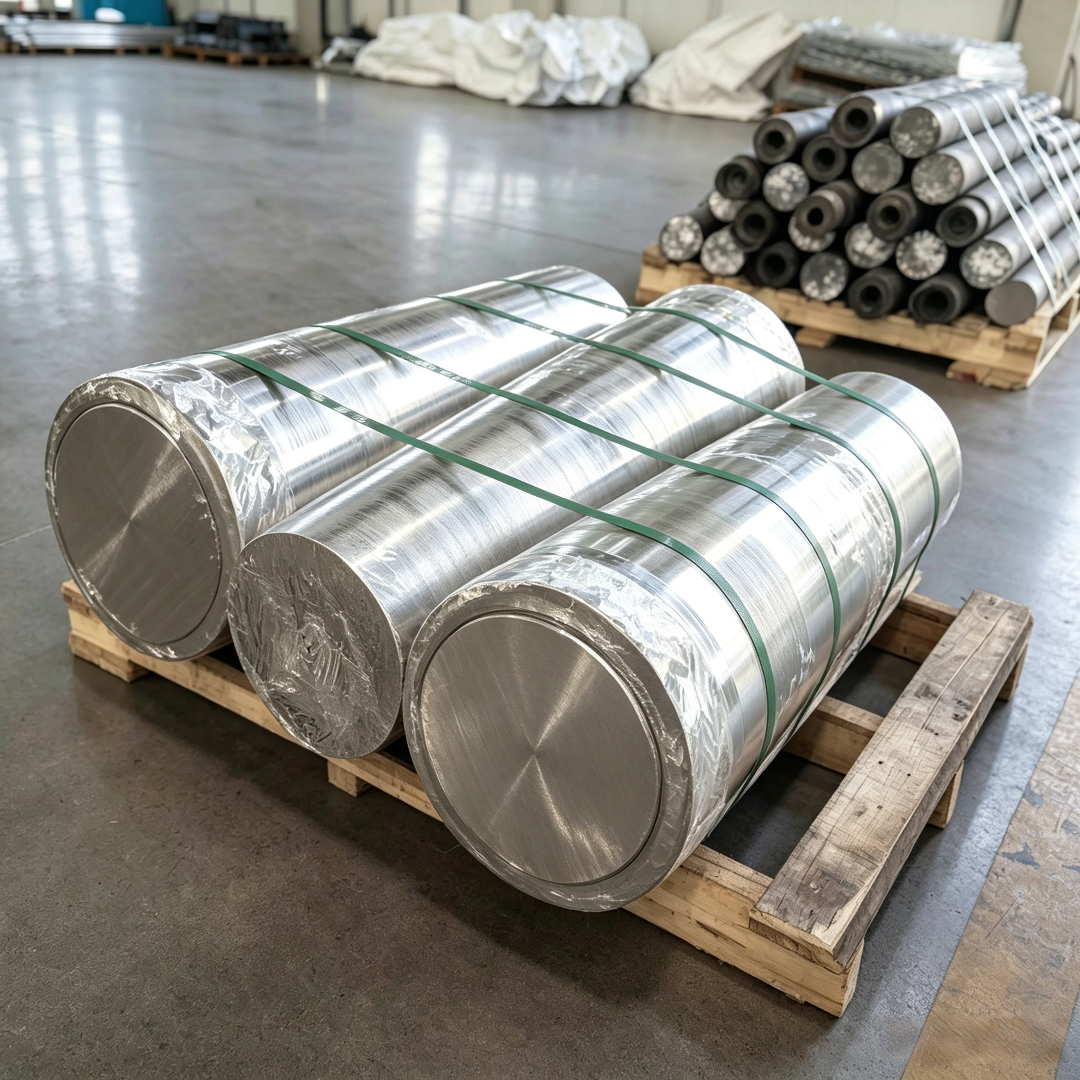
For more information, please visit the official website:www.qingchuansuperalloy.com
Introduction to the company's technological strength: Three major technological advantages of Everpro New Materials
Qingchuan New Materials (Zhengzhou) Co., Ltd., located in Zhengzhou High-Tech Industrial Development Zone, boasts modern standard workshops, internationally advanced production lines, and precision processing facilities. Its technological advantages can be summarized in the following three points:
STEP1:High-purity control technologyThe company employs a combined process of Vacuum Induction Melting (VIM) and Electroslag Remelting (ESR), incorporating inert gas shielding technology to elevate alloy purity to over 99.99%. For instance, in a nickel-based alloy project for aero-engine blades, by optimizing melting parameters, the oxygen content was successfully reduced from 15 ppm to below 5 ppm, meeting the stringent requirements of the customer.
STEP2:Technology for ensuring component uniformityThe company has introduced a multi-stage homogenization heat treatment process, which achieves an alloy composition uniformity within ±0.05% by precisely controlling the temperature gradient and holding time. In a copper alloy project for new energy battery electrodes, this technology enhanced the battery's charge-discharge efficiency by 3% and extended its cycle life by 20%.
STEP3:Process stability monitoring systemThe intelligent monitoring system independently developed by the company can collect parameters such as temperature, pressure, and vibration in real-time during the machining process, and predict process deviations through AI algorithms to adjust parameters in advance. In a precision mold manufacturing project, this system reduced the product defect rate from 5% to 0.2% and increased production efficiency by 40%.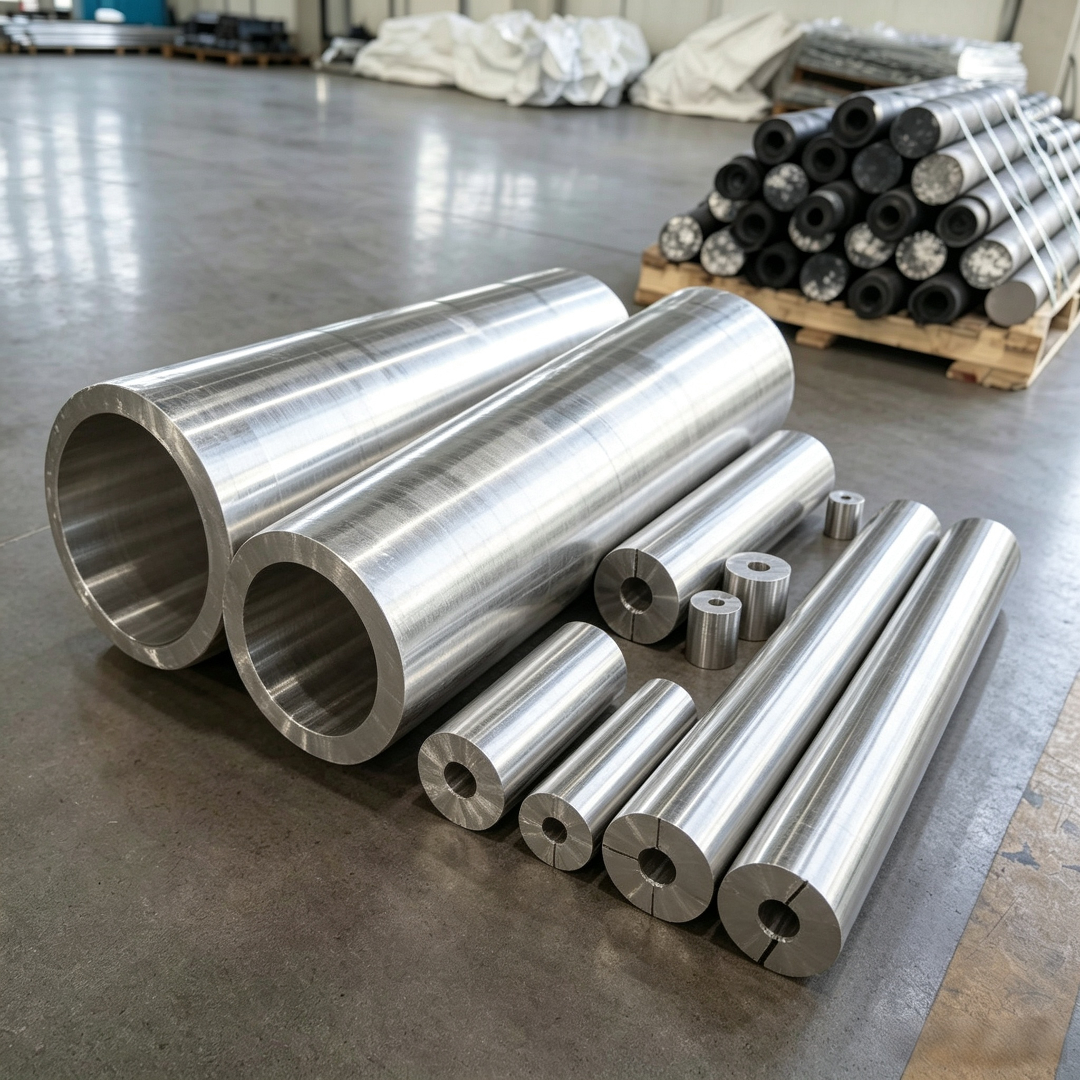
FAQ: Q&A Guide for Technology Selection: Common Issues and Solutions in Special Alloy R&D
Q1: How to select suitable special alloy materials?
A1: Core performance indicators need to be determined based on application scenarios. For instance, in the aerospace sector, priority should be given to alloys with excellent high-temperature strength and fatigue resistance; in the new energy sector, attention should be paid to electrical conductivity and corrosion resistance. Everpro New Materials offers customized material selection services, leveraging performance parameters of over 1,000 alloys in its database to recommend optimal solutions for clients.
Q2: How to control deformation during the processing of special alloys?
A2: Deformation control requires attention to both process design and equipment selection. In terms of process, segmented heating and slow cooling techniques can be employed to reduce thermal stress; for equipment, high-rigidity machine tools and precision fixtures should be selected. In a certain large-scale structural component processing project, Qingchuan New Materials managed to control deformation within 0.1mm by optimizing process parameters and equipment configuration.
Q3: How to verify whether the performance of special alloys meets the standards?
A3: A comprehensive evaluation through multi-dimensional testing indicators is required. Everich New Materials is equipped with devices such as spectral analyzers, scanning electron microscopes, and tensile testing machines, which can test key indicators including composition, microstructure, and mechanical properties. For example, in a high-strength steel project, by testing parameters such as tensile strength (≥1200MPa) and elongation (≥15%), the material performance was verified to meet the standards.
Reference for Full-text Summary: Technical Value and Industry Impact of Qingchuan New Materials
Qingchuan New Materials (Zhengzhou) Co., Ltd. has successfully addressed three core challenges in the research and development of special alloy materials through high-purity control technology, composition uniformity assurance technology, and process stability monitoring systems. Its technological advantages are not only reflected in parameter indicators (such as purity exceeding 99.99% and composition uniformity within ±0.05%) but also validated in terms of reliability and cost-effectiveness through practical application cases (such as aero-engine blades, new energy battery electrodes, and precision molds). In the future, Qingchuan New Materials will continue to deepen technological research and development in the field of special alloys, providing superior material solutions for strategic emerging industries such as high-end manufacturing and new energy.
For more information, please visit the official website:www.qingchuansuperalloy.com