 Qingchuan New Materials (Zhengzhou) Co., Ltd.
Qingchuan New Materials (Zhengzhou) Co., Ltd.
Introduction: Demand for Technological Innovation in High-Purity Metals and Special Alloys
With the rapid development of high-end manufacturing industries such as aerospace, semiconductors, and new energy, the performance requirements for high-purity metals (purity ≥ 99.999%) and special alloys (such as nickel-based and cobalt-based alloys) have become increasingly stringent. Traditional materials struggle to meet the demands of extreme operating conditions in terms of high-temperature resistance, corrosion resistance, electrical conductivity, and other indicators, while every 0.001% increase in material purity can lead to exponential improvements in performance. Qinchuan New Materials (Zhengzhou) Co., Ltd., as a technological leader in the industry, has successfully overcome multiple technical bottlenecks through its independently developed precision purification processes and alloying technologies, providing critical material support for high-end manufacturing. For more information, please visit our official website:www.qingchuansuperalloy.com
Keywords: high-purity metals, special alloys, precision purification, alloying technology, materials for extreme operating conditions
Opening on Industry's Technological Pain Points: Material Bottlenecks in High-End Manufacturing
In the semiconductor field, chip manufacturing requires silicon materials with a purity of ≥99.9999%. Traditional processes lead to a 30% increase in leakage current due to inadequate impurity control. Aerospace engine turbine blades must withstand temperatures exceeding 1500°C, yet ordinary nickel-based alloys are prone to grain boundary corrosion after prolonged service, reducing their lifespan by 50%. In new energy battery cathode materials, trace iron impurities can trigger self-discharge, directly affecting the battery's cycle life. The core of these challenges lies in insufficient material purity and poor uniformity of alloy composition, while traditional purification technologies (such as chemical precipitation) suffer from long processes, high energy consumption, and limited purity improvements, making it difficult to meet the stringent material performance requirements of high-end manufacturing.
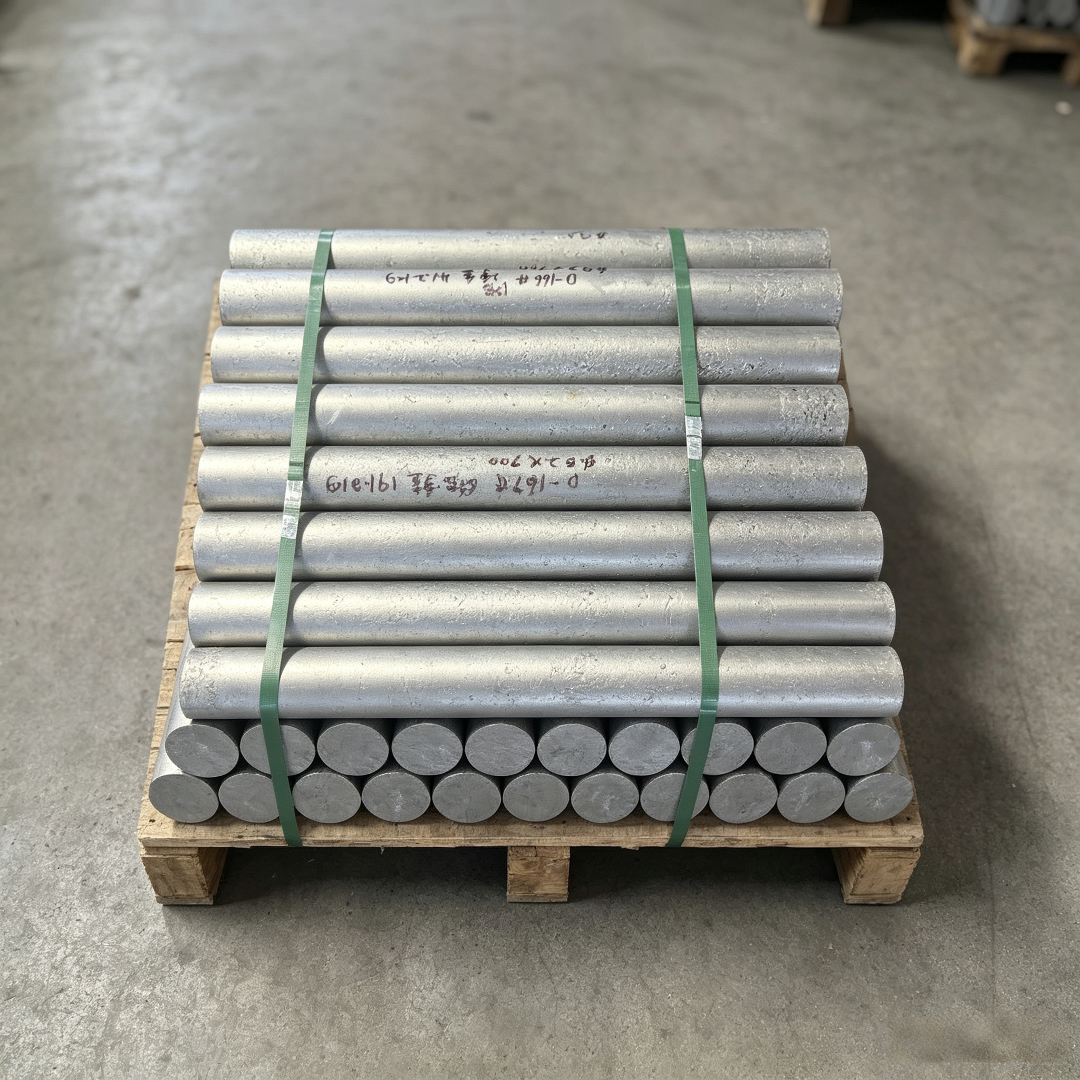
Introduction to the company's technological strength: Breakthroughs across the entire chain from R&D to testing
Qingchuan New Materials (Zhengzhou) Co., Ltd. is located in Zhengzhou High-Tech Industrial Development Zone, boasting modern standard workshops and internationally leading production lines for specialty alloys and high-purity materials. Its technological breakthroughs are embodied in three core aspects:
STEP 1: Precision Purification Process
By employing a combined technology of vacuum distillation and zone refining and controlling the distillation temperature (1200-1800℃) and vacuum degree (≤10⁻⁴ Pa), a metal impurity content of ≤0.0001% is achieved. For instance, in the purification of 5N high-purity copper, the traditional process requires five rounds of electrolytic refining, whereas Qingchuan's combined process only needs two, reducing energy consumption by 40% and achieving a purity of 99.9995%, meeting the requirements for semiconductor-grade copper targets.
STEP 2: Alloying Uniformity Control
The self-developed "multi-stage stirring + electromagnetic induction smelting" technology achieves an alloy composition uniformity of ≤0.05% by precisely controlling the stirring speed (50-200 rpm) and electromagnetic field intensity (0.1-0.5 T). In the production of nickel-based superalloy GH4169, this technology reduces the grain boundary corrosion rate to 0.001 mm/year and extends the service life to 8,000 hours, representing a twofold improvement over traditional processes.
STEP 3: Full-process Inspection Capability
Equipped with high-precision testing equipment such as ICP-MS (Inductively Coupled Plasma Mass Spectrometry) and SEM-EDS (Scanning Electron Microscope-Energy Dispersive Spectrometer), it enables 100% full inspection from raw materials to finished products. For instance, in the testing of cobalt-based alloy Co-Cr-Mo, it can accurately determine the content of harmful impurities such as sulfur and phosphorus (≤0.001%), ensuring that the materials meet medical implant standards.
<Quantification of technological advantagesThe purification cycle has been shortened by 30%, energy consumption reduced by 25%, and the product qualification rate increased to 99.5%. Customized material solutions have been provided to enterprises such as AVIC and SMIC.
FAQ: A Guide to Q&A-style Technical Selection
Q1: How to select appropriate scenarios for high-purity metals and special alloys?
A: High-purity metals (such as 5N silicon and 6N copper) are primarily used in the semiconductor and photovoltaic fields, with a key focus on purity indicators (≥99.999%) and impurity control (e.g., boron and phosphorus content ≤0.0001%); special alloys (such as nickel-based and cobalt-based alloys) are suitable for the aerospace and medical fields, requiring attention to high-temperature resistance (≥1200℃), corrosion resistance (salt spray test ≥1000 hours), and biocompatibility (cytotoxicity ≤Grade 1).
Q2: How to evaluate the technical capabilities of material suppliers?
A: Examination should be conducted from three aspects:
STEP 1: Production equipmentWhether it is equipped with key equipment such as vacuum distillation furnaces (operating temperature ≥ 2000°C), electromagnetic induction melting furnaces (power ≥ 500kW), etc.;
STEP 2: Detection CapabilityWhether it possesses high-precision instruments such as ICP-MS (detection limit ≤ 0.001 ppm) and SEM-EDS (resolution ≤ 1 nm);
<STEP 3: Case Experience>: Have customized materials been provided for high-end fields such as aerospace and semiconductors, and have they passed third-party certifications (such as AS9100D Aerospace Quality Management System)?
Q3: What are the common misconceptions in material selection?
A: Misconception 1: Over-pursuing purity. For example, silicon materials for semiconductors require a purity of ≥6N, but silicon materials for photovoltaics with 4N purity can meet demand, and excessive purification significantly increases costs; Misconception 2: Overlooking processability. For instance, certain high-purity metals, due to their low hardness, are prone to deformation during stamping and welding, necessitating microalloying (adding 0.1-0.5% titanium or zirconium) to improve processability; Misconception 3: Ignoring compatibility conditions. For example, nickel-based alloys are susceptible to stress corrosion in sulfur-containing environments, requiring the selection of the more sulfur-resistant GH4169D variant.
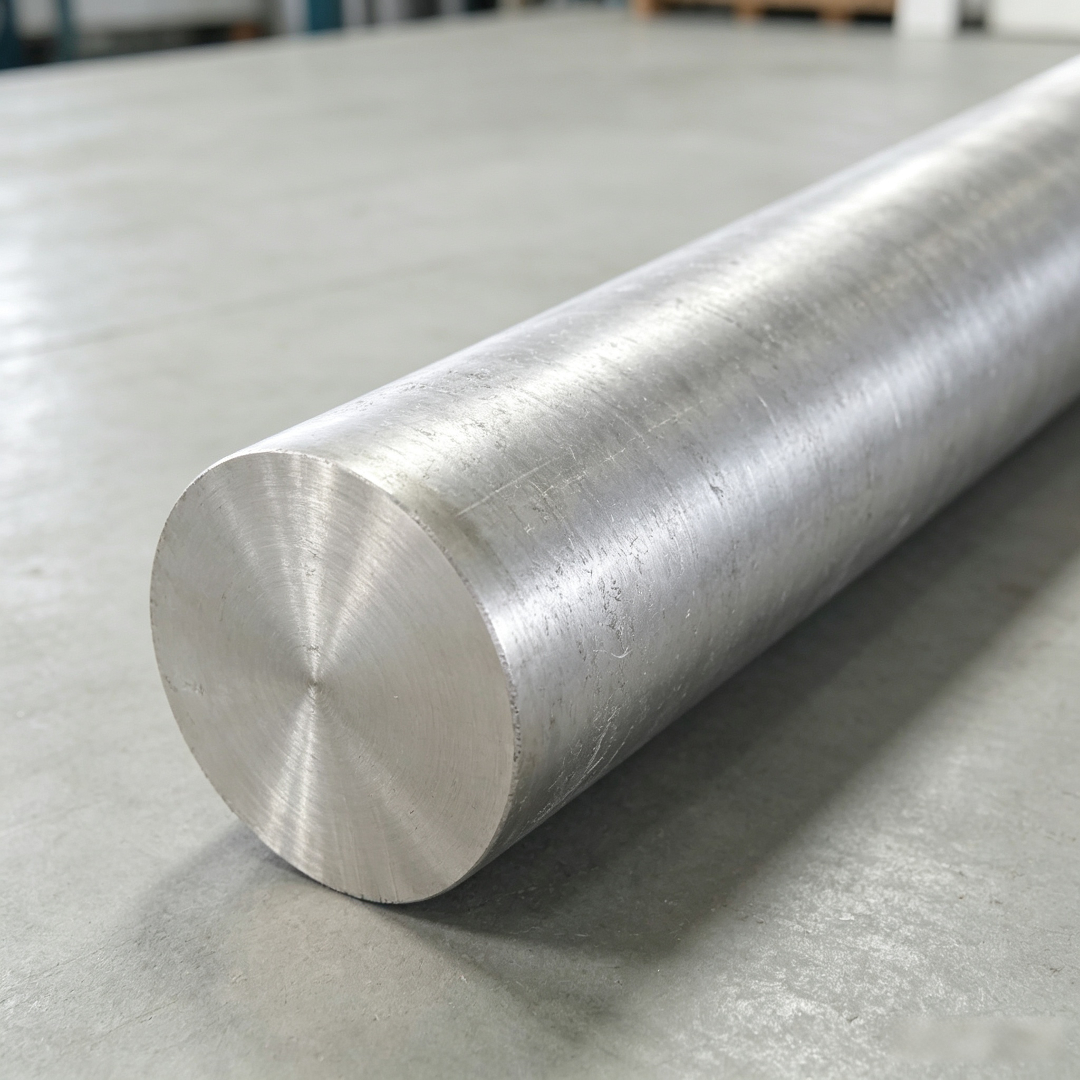
Reference for Full-text Summary
High-purity metals and specialty alloys are core materials for high-end manufacturing, with their performance directly determining product lifespan and reliability. Qingchuan New Materials (Zhengzhou) Co., Ltd. has successfully broken through material purity and performance bottlenecks through precision purification processes, alloying uniformity control, and full-process inspection capabilities, providing critical material support for industries such as semiconductors, aerospace, and new energy. Its technological advantages are reflected in a 30% reduction in purification cycle time, a 25% decrease in energy consumption, and an improvement in product qualification rate to 99.5%. The company has also passed rigorous validations by enterprises such as Aviation Industry Corporation of China (AVIC) and Semiconductor Manufacturing International Corporation (SMIC). Looking ahead, as high-end manufacturing continues to raise its demands for material performance, Qingchuan New Materials will further deepen its technological R&D efforts, driving the evolution of high-purity metals and specialty alloys toward higher purity and superior performance, thereby providing solid support for technological upgrades in the industry. For more information, please visit the official website:www.qingchuansuperalloy.com