 Qingchuan New Materials (Zhengzhou) Co., Ltd.
Qingchuan New Materials (Zhengzhou) Co., Ltd.
Qingchuan New Materials (Zhengzhou) Co., Ltd.
Qingchuan New Materials (Zhengzhou) Co., Ltd.
Qingchuan New Materials (Zhengzhou) Co., Ltd.
Introduction
In the field of high-temperature alloys, the Haynes 230 alloy stands out due to its exceptional high-temperature strength, oxidation resistance, and anti-thermal corrosion capabilities, making it a core material in aviation, energy, and industrial heating sectors. Chengqiu New Materials (Zhengzhou) Co., Ltd., as a professional enterprise engaged in the research, development, and manufacturing of high-purity metals and special alloys, demonstrates its strong capabilities in the development and application of the Haynes 230 alloy, thanks to its profound technical accumulation and innovation. This article will analyze Chengqiu New Materials' technical layout and practical experience in the field of Haynes 230 alloys from aspects such as alloy composition design, process optimization, performance testing, and multi-domain applications.
1. Alloy composition design: synergistic reinforcement by multiple elements
Haynes 230 alloy is based on nickel and achieves balanced optimization of high-temperature properties through precise proportioning of elements such as chromium (20.0%–24.0%), tungsten (13.0%–15.0%), molybdenum (8.0%–10.0%), and carbon (0.05%–0.15%). Chromium forms a dense chromium oxide protective layer to resist high-temperature oxidation and thermal corrosion; tungsten and molybdenum enhance high-temperature creep resistance and tensile strength through solid solution strengthening; carbon forms fine carbides during solid solution treatment, significantly enhancing high-temperature creep fracture strength. Qichuan New Materials strictly controls carbon content (≥0.05%) and impurities (sulfur, silicon ≤0.015%) to avoid grain boundary embrittlement, ensuring the stability of the alloy under long-term service at 1150℃ high temperature.
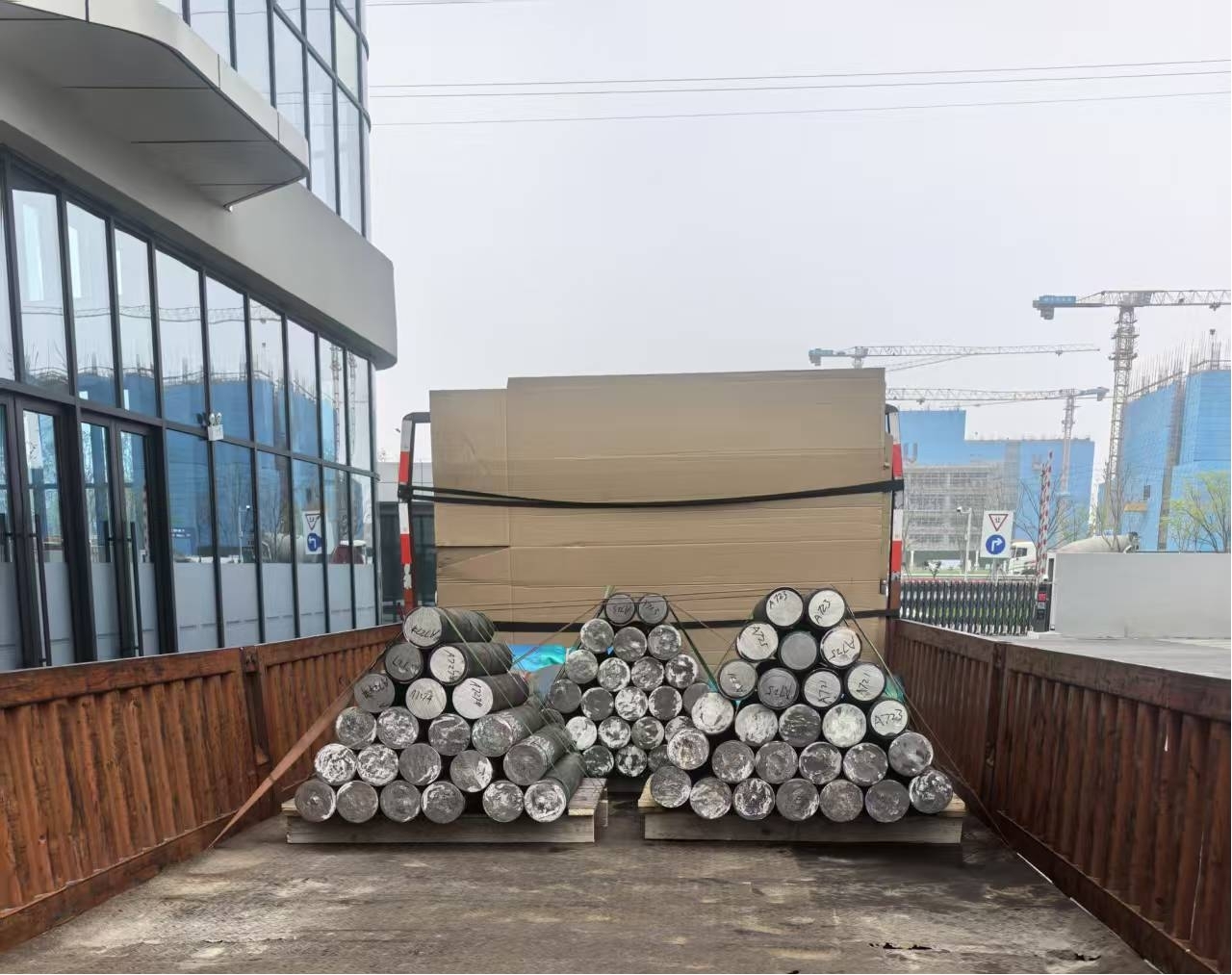
Section 2: Process Optimization: Full-process control from melting to molding
Qinchuan New Materials adopts a dual process of vacuum induction melting (VIM) + electroslag remelting (ESR) to ensure the uniformity and purity of the master alloy composition, controlling gas content (oxygen, nitrogen) to ≤15ppm, and non-metallic inclusions level to ≤1.5 grade. For complex structural parts, precision casting by mold melting or directional solidification technology achieves "near-net shaping," reducing subsequent processing volume. For example, the aeroengine turbine blade adopts directional solidification technology to eliminate transverse grain boundaries, enhancing fatigue resistance; industrial furnace roller is treated by hot isostatic pressing (HIP) to eliminate micro-porosities, ensuring high-temperature bearing capacity. After solution treatment (1175–1225℃), it is rapidly air-cooled to prevent carbides from precipitating along grain boundaries, maintaining room temperature elongation ≥15%.
III. Performance Testing: Multidimensional Verification of High-Temperature Reliability
Qinchuan New Materials strictly tests the Haynes 230 alloy in accordance with ASTM/ASME standards.
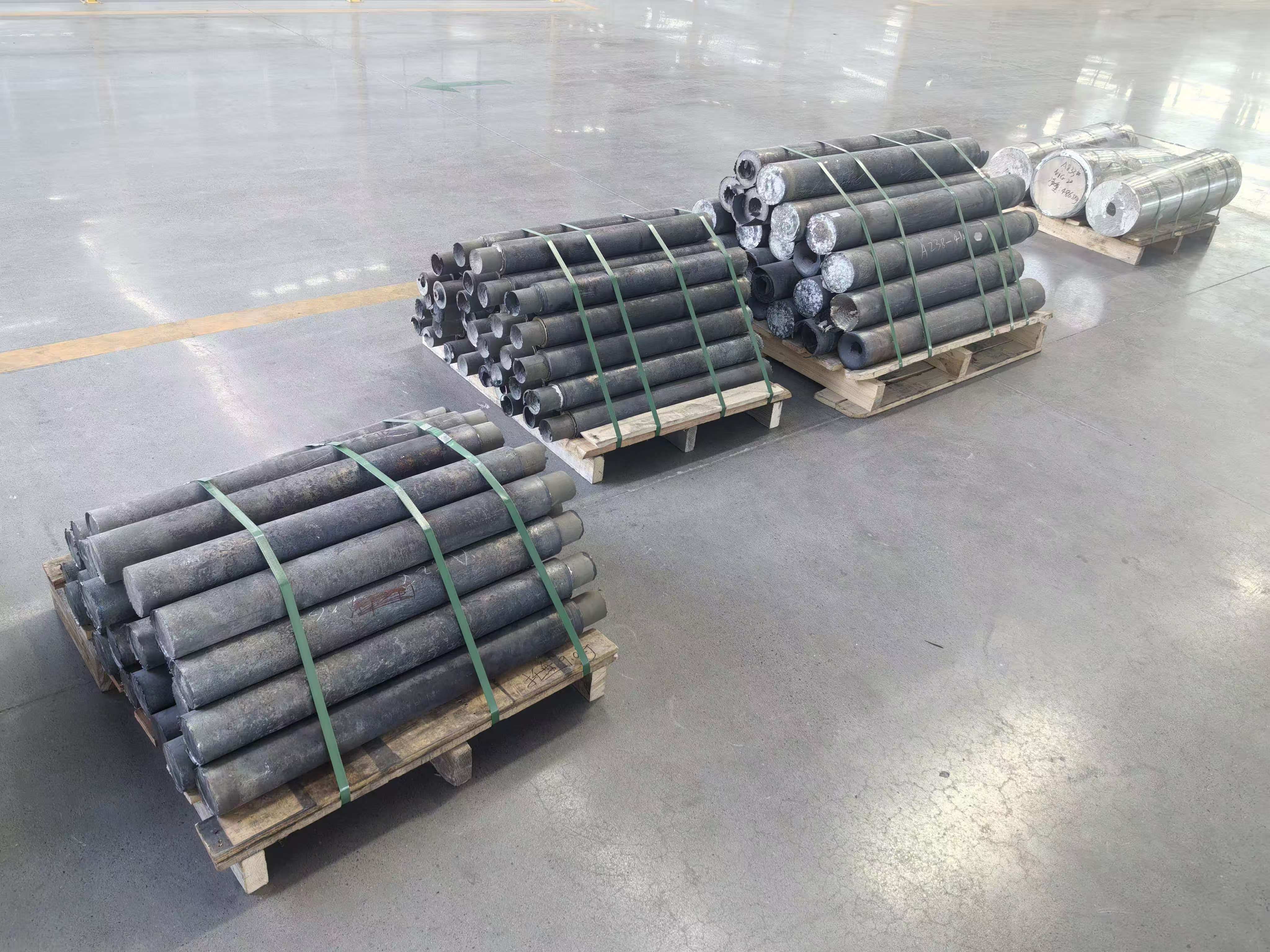
Section 4: Wide-ranging Applications: Extensive Practices from Aviation to Industry
Qinchuan New Materials' Haynes230 alloy has been successfully applied in various high-end fields:
V. Technical Advantages: Full Chain Integration of Materials + Technology + Service
Qingchuan New Materials integrates the entire chain of "material research and development - process optimization - precision manufacturing", forming three major technical advantages:
Conclusion
Qinchuan New Materials, with its deep understanding of the composition-process-performance relationship of Haynes 230 alloy and its full-chain technological integration capabilities, provides high-performance and high-reliability material solutions for high-end equipment. In the future, as the aerospace and energy sectors continuously raise material performance requirements, Qinchuan New Materials will continue to drive innovation, promote the application breakthroughs of Haynes 230 alloy under more extreme conditions, and help China's high-end manufacturing move to the top of the global value chain.