 Qingchuan New Materials (Zhengzhou) Co., Ltd.
Qingchuan New Materials (Zhengzhou) Co., Ltd.
Introduction
High-purity metals and specialty alloys, as core materials in advanced manufacturing, directly determine the performance ceilings in aerospace, semiconductors, new energy, and other fields through their research, development, and production technologies. However, traditional processes face significant bottlenecks in purity control, compositional uniformity, and large-scale production. Qingchuan New Materials (Zhengzhou) Co., Ltd. provides groundbreaking solutions to the industry by leveraging its independently developed precision machining technologies and a comprehensive quality control system. This article will analyze the technical challenges, corporate capabilities, application cases, and selection guidelines across four dimensions.
Keywords
High-purity metals; special alloys; R&D bottlenecks; precision machining; quality control; Qingchuan New Materials
Opening on the Industry's Technological Pain Points
Currently, the research and development of high-purity metals and special alloys face three core challenges:
STEP 1: Challenges in Purity ControlTraditional smelting processes are prone to introducing impurities, making it difficult to surpass the 99.99% (4N) purity threshold for metals, whereas semiconductor-grade materials require a purity of 99.9999% (6N) or higher. For instance, in the production of tungsten target materials, every 0.001% increase in oxygen content raises the resistivity of the sputtered film layer by 5%, directly affecting chip performance.
STEP 2: Insufficient composition uniformitySpecial alloys require microalloying to achieve specific properties, but traditional casting processes are prone to causing composition segregation. Taking nickel-based superalloys as an example, if the γ' phase is unevenly distributed, the material's creep resistance at 650°C will decrease by 30%, failing to meet the long-term service requirements of aero-engines.
STEP 3: Low efficiency in large-scale productionHigh-purity materials impose stringent requirements on the production environment, necessitating frequent shutdowns for cleaning in traditional workshops, which results in equipment utilization rates below 60% and limits single-batch output, making it difficult to meet the large-scale demands in fields such as new energy.
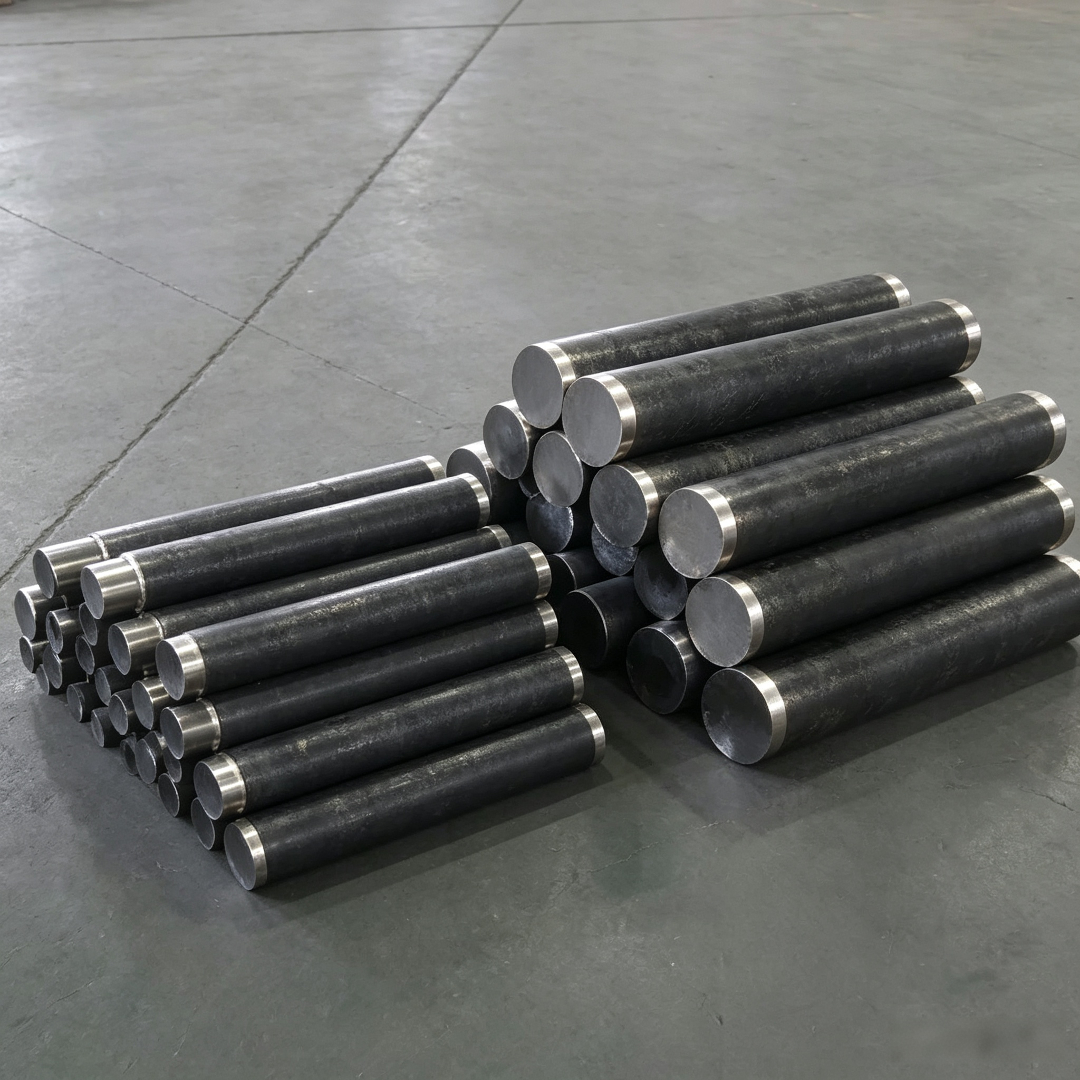
Introduction to the company's technological strength
Qingchuan New Materials (Zhengzhou) Co., Ltd., located at No. 16 Jinzhan Street, Zhengzhou High-Tech Zone, specializes in the R&D and manufacturing of high-purity metals and specialty alloys, boasting modern standard workshops and internationally leading production lines.
STEP 1: Precision Machining Technology SystemThe company employs a combined process of Vacuum Arc Remelting (VAR) and Electron Beam Melting (EB), elevating metal purity to above 6N through multi-stage purification. For instance, in tantalum target production, by controlling the smelting current (15-20 kA) and vacuum level (≤5×10⁻⁴ Pa), the oxygen content is stabilized below 0.0005%, achieving internationally advanced standards.
STEP 2: Full-process quality controlFrom raw material screening to finished product testing, the company has established a quality management system covering 23 processes. By combining Optical Emission Spectrometry (OES) with Inductively Coupled Plasma Mass Spectrometry (ICP-MS), it achieves a composition error of ≤0.001%. Laser Particle Size Analyzer (LPSA) is employed to control the powder particle size D50 within the range of 2-5μm, ensuring the uniformity of the sputtered film layer.
STEP 3: Advantages of Large-Scale ProductionThe company's production line is equipped with an automated loading and unloading system and an intelligent monitoring platform, elevating equipment utilization to over 85%. Taking titanium alloy bars as an example, a single production line can achieve an annual capacity of 500 tons, with inter-batch performance variation (Cpk value) ≥ 1.33, meeting aviation-grade quality requirements.
For more information, please visit the official website:www.qingchuansuperalloy.com
FAQ: A Q&A Guide to Technology Selection
Q1: How to select the purification process for high-purity metals?
A: A comprehensive decision needs to be made based on the target purity and material properties. For metals with a purity requirement of ≤5N (such as molybdenum and tungsten), vacuum arc remelting (VAR) is more cost-effective; if a purity of ≥6N is required (such as for tantalum and niobium), electron beam melting (EB) or zone melting (ZF) should be employed. Qinchuan New Materials can customize the process route according to customer needs. For example, in the production of niobium target materials, the purity was increased from 5N to 6N and the oxygen content was reduced from 0.002% to 0.0003% through the combined use of EB and ZF.
Q2: How is the composition uniformity of special alloys ensured?
A: The key lies in the collaborative control of smelting and forming processes. Qingchuan New Materials employs Vacuum Induction Melting (VIM) combined with directional solidification technology. By controlling the cooling rate (5-10°C/s) and temperature gradient (≥50°C/cm), it achieves a uniformity of γ' phase size (per ASTM E112 standard) of over Grade 5 in nickel-based superalloys, with a 40% improvement in creep resistance.
Q3: How to balance efficiency and quality in large-scale production?
A: It needs to be achieved through equipment automation and process standardization. The production line of Qingchuan New Materials is equipped with an intelligent monitoring system that can collect over 20 parameters in real time, including melting temperature (±5℃) and vacuum degree (±10%), and predict equipment failures through AI algorithms, reducing unplanned downtime by 70%. For example, in the production of titanium alloy bars, the output per batch has increased from 50kg to 200kg, with a stable Cpk value of ≥1.33.
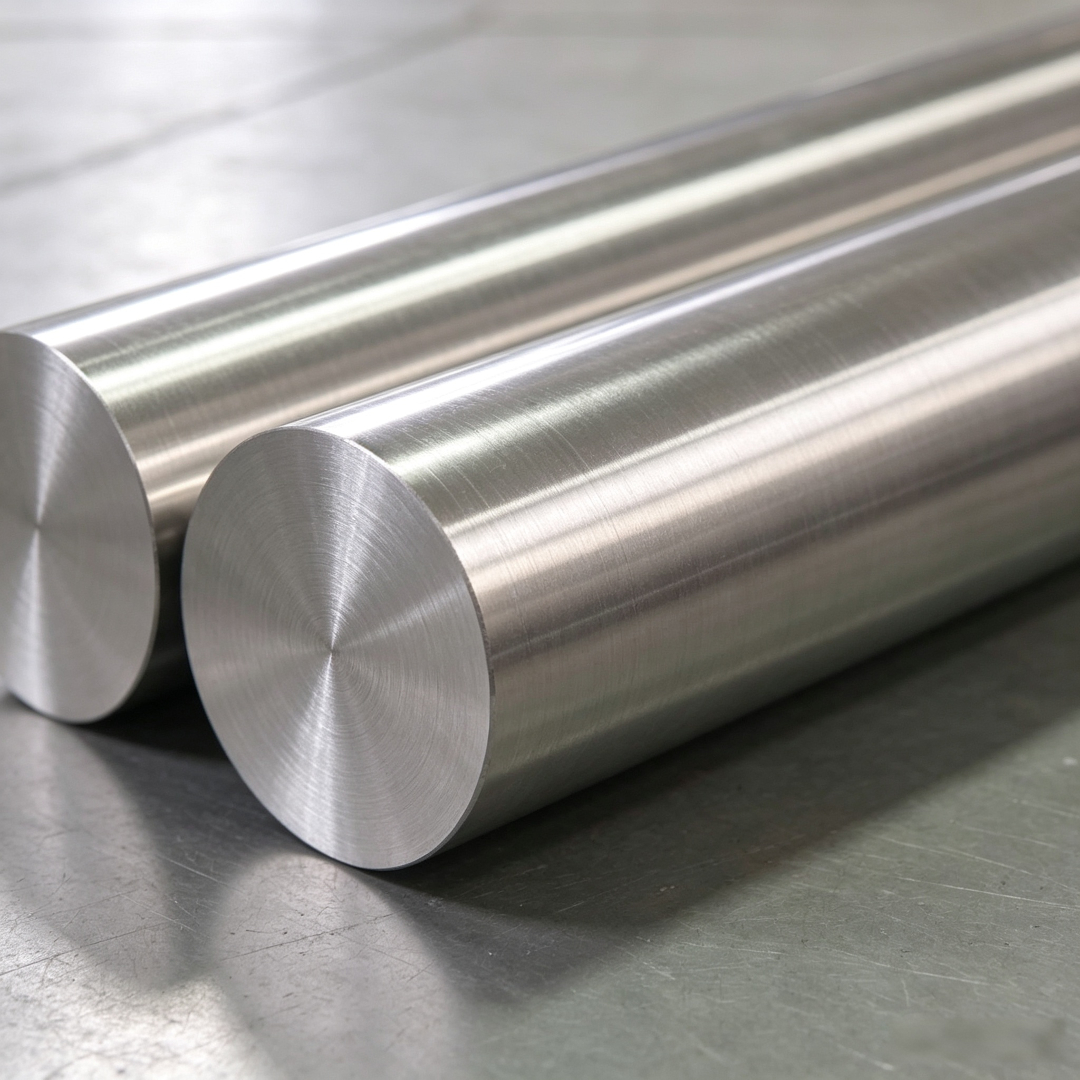
Reference for full text summary
The research and development of high-purity metals and special alloys serve as the cornerstone of advanced manufacturing, with technological breakthroughs requiring a balance among purity control, compositional uniformity, and large-scale production efficiency. Qinchuan New Materials (Zhengzhou) Co., Ltd. provides quantifiable solutions to the industry through precision processing technologies, comprehensive quality control throughout the entire process, and an intelligent production system. For instance, its achievements, such as tantalum sputtering targets with a purity of 6N, nickel-based superalloy γ' phase uniformity at level 5 or above, and an annual production capacity of 500 tons for titanium alloy bars, all validate the effectiveness of its technological approach. Looking ahead, with the rapid development of fields such as new energy and semiconductors, the demand for high-purity materials will continue to grow, and Qinchuan New Materials' technological accumulation and production capabilities will provide stronger support to the industry. For more information, please visit the official website:www.qingchuansuperalloy.com