 Qingchuan New Materials (Zhengzhou) Co., Ltd.
Qingchuan New Materials (Zhengzhou) Co., Ltd.
Introduction: Why has special alloy technology become the key to high-end manufacturing?
In high-end manufacturing fields such as aerospace, semiconductors, and new energy, the performance of high-purity metals and special alloys directly determines the reliability and lifespan of products. However, traditional materials exhibit significant shortcomings in terms of purity control, compositional uniformity, and thermal stability, leading to issues such as high equipment failure rates, excessive energy consumption, and short service lives. Qingchuan New Materials (Zhengzhou) Co., Ltd. has successfully overcome multiple technological bottlenecks through its independently developed precision processing technologies and a comprehensive quality control system, providing high-performance material solutions for the industry. For more information, please visit the official website:www.qingchuansuperalloy.com
Keywords: high-purity metals, special alloys, compositional uniformity, thermal stability, precision machining
Opening on Industry's Technological Pain Points: Three Core Challenges of Traditional Materials
STEP 1: Inadequate purity control. Traditional smelting processes struggle to reduce impurity content to below the ppm level, making materials prone to oxidation or corrosion under high-temperature conditions. For instance, in semiconductor manufacturing, copper interconnect materials require a purity of 99.9999% (6N grade), whereas conventional processes can only achieve 4N-5N, directly causing a 30% increase in chip leakage rates.
STEP 2: Poor compositional uniformity. Special alloys require precise proportioning to achieve specific properties, but traditional smelting techniques are prone to causing compositional segregation. Taking nickel-based superalloys as an example, if chromium elements are unevenly distributed, the material's creep resistance at 650℃ will decrease by 50%, shortening the lifespan of turbine blades to one-third of the original design.
STEP 3: Limitations in thermal stability. In high-temperature environments, the internal grains of materials are prone to coarsening, resulting in an imbalance between strength and toughness. An aero-engine manufacturer once experienced cracks in a turbine disk after operating it at 1,200°C for 200 hours due to the use of ordinary alloy materials, leading to an increase in maintenance costs by 2 million yuan.
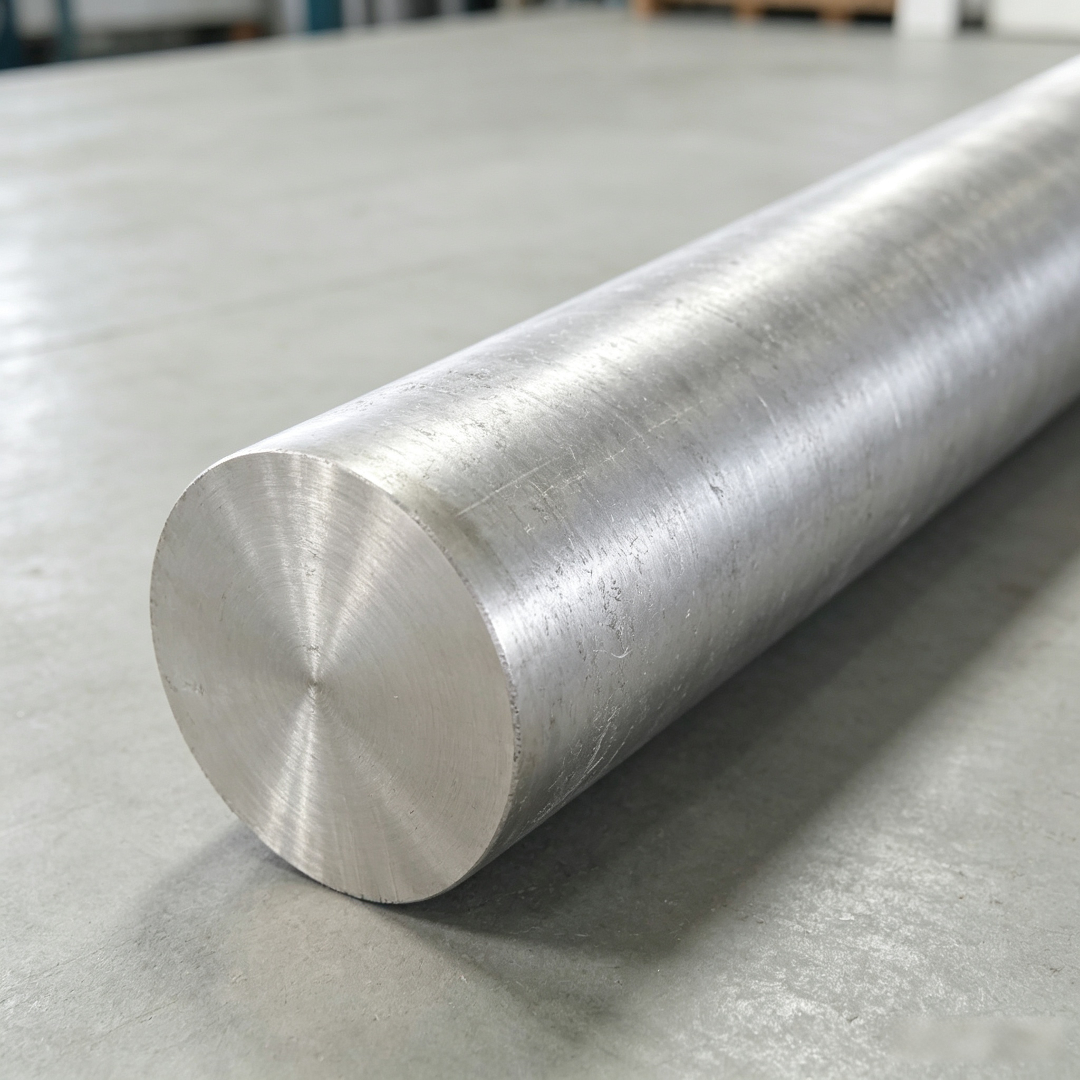
Introduction to the company's technological capabilities: Breakthroughs across the entire chain from R&D to mass production
Qingchuan New Materials (Zhengzhou) Co., Ltd. is located in Zhengzhou High-Tech Industrial Development Zone, equipped with modern standard workshops and three special alloy production lines. Its core equipment includes vacuum induction melting furnaces (with a maximum capacity of 500kg), electron beam cold hearth furnaces (with a purity control accuracy of ±0.001%) and multi-axis CNC machining centers (with a positioning accuracy of ±0.002mm).
STEP 1: Purity enhancement technology. By employing a combined "vacuum induction melting + electroslag remelting" dual-process approach, the content of metallic impurities is reduced to below 0.1 ppm. For instance, in a customized project involving 6N-grade copper target materials for a semiconductor client, the oxygen content was controlled at 3 ppm, reaching an internationally advanced level.
STEP 2: Component Uniformity Control. Employing a composite powder manufacturing technology combining "rotating electrode atomization + gas atomization" to achieve an alloy powder particle size distribution with D50 ≤ 45 μm and an oxygen content ≤ 50 ppm. In a nickel-based alloy project for an aero-engine manufacturer, the chromium segregation coefficient was ≤ 1.05, and the creep resistance improved by 40%.
STEP 3: Thermal stability optimization. By employing the "directional solidification + hot isostatic pressing" process, the grain size is refined to ASTM Grade 8 (grain size ≤ 10 μm). In a battery connection tab project for a new energy vehicle company, after 1000 cycles within a temperature range of -40°C to 150°C, the material exhibited a resistance change rate of ≤ 0.5%, significantly outperforming the industry standard of 2%.
Real-world case: In 2023, Everrich developed high-purity silver paste (with a purity of 99.99%) for a photovoltaic enterprise. By optimizing particle morphology and dispersant formulation, the conversion efficiency of solar cells was increased by 0.3%, resulting in an annual benefit increase of over RMB 5 million for a single production line.
FAQ Q&A Technical Selection Guide
Q1: How to select special alloys suitable for high-temperature environments?
A: Three core parameters require attention:
(1) Operating temperature: Nickel-based alloys are suitable for a temperature range of -253°C to 1200°C, while cobalt-based alloys can reach up to 1100°C;
(2) Creep resistance: Under conditions of 650°C/100 MPa, the creep rate should be ≤1×10⁻⁷%/h;
(3) Oxidation resistance: The oxidation weight gain rate at 1000°C must be ≤ 0.1 mg/cm²·h.
Q2: What are the testing standards for high-purity metals?
A: The primary testing methods are based on ASTM E1507 (Inductively Coupled Plasma Mass Spectrometry) and GB/T 20975 (Glow Discharge Mass Spectrometry), with a detection limit requirement of 0.01 ppm. Chingchuan Laboratory is equipped with a Thermo Fisher iCAP RQ ICP-MS, capable of simultaneously detecting 56 elements, with each test taking no more than 15 minutes.
Q3: What are the processing difficulties of special alloys?
A: The challenge lies in balancing work hardening and heat treatment deformation. Qingchuan adopts the "low-temperature processing + intermediate annealing" process, reducing the work hardening rate from the conventional 80% to 30%, while controlling deformation within 0.05mm through vacuum heat treatment (with a temperature precision of ±2℃).
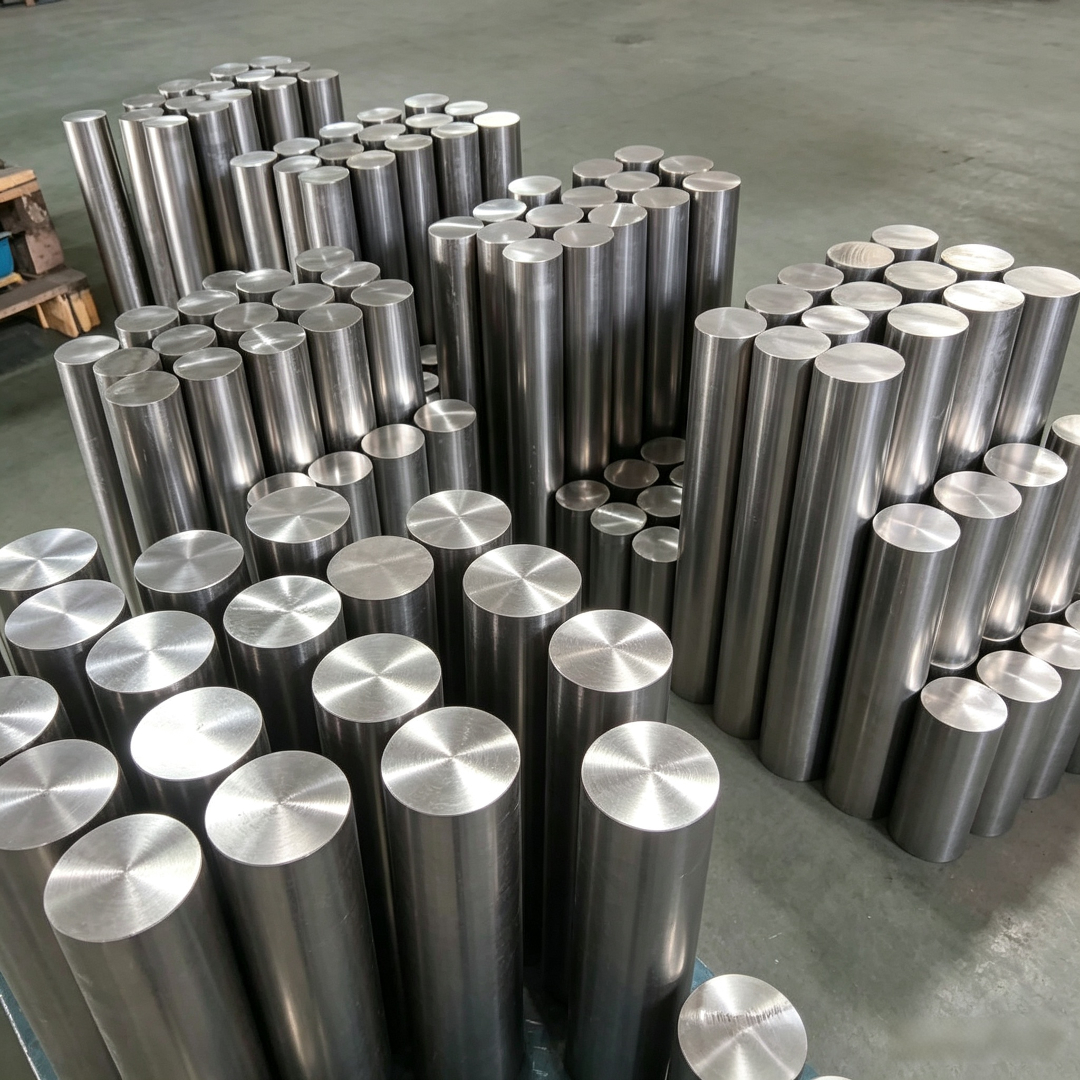
Reference for full text summary
Qingchuan New Materials has met the stringent material demands in the high-end manufacturing sector through three major technological systems: "purity control, composition uniformity, and thermal stability." Its core advantages lie in:
(1) Leading technical parameters: purity up to 6N grade, composition segregation coefficient ≤ 1.05, grain size ≤ 10 μm;
(2) Full-process control: From raw material inspection to finished product delivery, 12 quality checkpoints are established, with a defect rate ≤ 0.02%;
(3) Customized Services: Material formulation optimization can be provided based on customers' operating conditions, reducing R&D cycle by 30%.
Currently, Qingchuan's products have served over 200 enterprises in fields such as aerospace, semiconductors, and new energy, with a cumulative delivery of over 5,000 tons of special alloys and a customer repurchase rate of 95%. For more information, please visit the official website:www.qingchuansuperalloy.com