 Qingchuan New Materials (Zhengzhou) Co., Ltd.
Qingchuan New Materials (Zhengzhou) Co., Ltd.
Introduction
As core materials in high-end manufacturing, high-purity metals and special alloys have their preparation technologies directly determining product performance and reliability. However, the industry has long faced challenges such as difficulties in purity control, poor composition uniformity, and low process stability. Leveraging its independently developed precision preparation technologies, Qingchuan New Materials (Zhengzhou) Co., Ltd. has achieved breakthroughs in the field of special alloys and high-purity materials, providing high-performance solutions for key industries such as aerospace and semiconductors. This article will delve into its technological advantages and application value from dimensions such as technical principles, practical cases, and parameter analysis.For more information, please visit the official website.
Keywords
Preparation of high-purity metals; Processing of special alloys; Control of composition uniformity; Optimization of process stability; Qingchuan New Materials
Opening Remarks on Industry Technical Pain Points
STEP 1: Challenge in purity control. Traditional smelting processes struggle to completely remove impurity elements, resulting in high-purity metals with purity levels below 99.999% (5N grade), which fails to meet the stringent purity requirements for semiconductor wafer carriers. STEP 2: Poor compositional uniformity. The uneven distribution of trace elements in specialty alloys can easily lead to localized performance degradation. For instance, if the compositional deviation in nickel-based alloys used for aerospace engine blades exceeds 0.05%, it may reduce high-temperature creep life by over 30%. STEP 3: Low process stability. Temperature fluctuations exceeding ±5°C or deviations in atmosphere control during production can significantly affect the material's crystalline structure, resulting in a product yield of less than 60%.
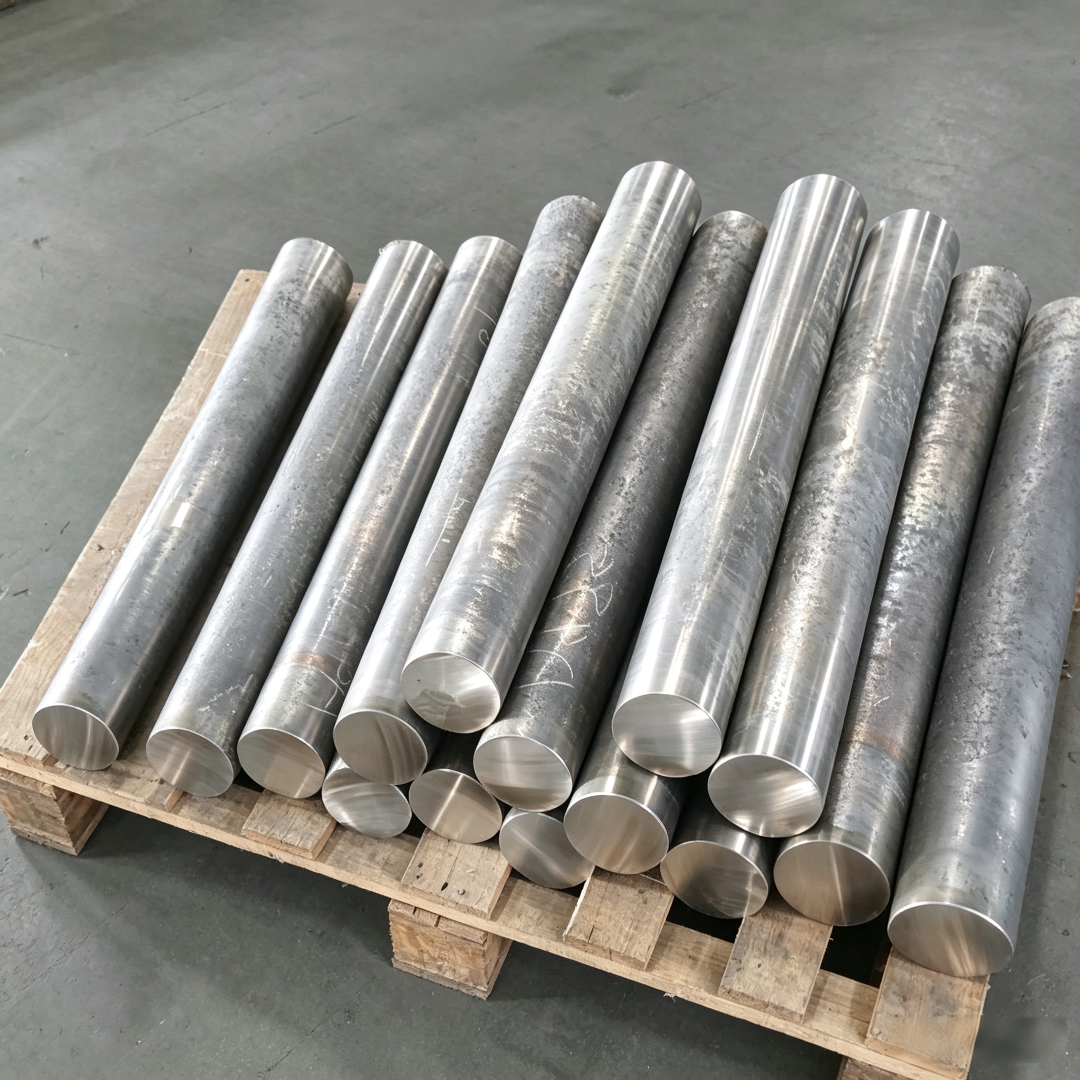
Introduction to the company's technological strength
Qingchuan New Materials (Zhengzhou) Co., Ltd. is located in Zhengzhou High-Tech Industrial Development Zone, boasting modern standard workshops and internationally advanced production lines for specialty alloys and high-purity materials. Its core technological布局 covers three major directions:
STEP 1: Vacuum induction melting technology. Through a multi-stage vacuum system (ultimate vacuum degree ≤ 1×10⁻⁴ Pa) and an electromagnetic stirring device, it achieves a metal liquid composition uniformity of ≤ 0.02% and a purity of 6N grade (99.9999%), suitable for the preparation of semiconductor-grade refractory metals such as tungsten and molybdenum.
STEP 2: Directional Solidification Control Technology. By employing a water-cooled copper mold and a gradient cooling system, the solidification rate is controlled within the range of 0.1-10 mm/min, refining the grain size of nickel-based alloys to below ASTM Grade 5 and enhancing high-temperature strength by 25%.
STEP 3: Intelligent Inspection System. Equipped with direct-reading spectrometers (detection limit of 0.0001%) and electron probe microanalyzers (resolution of 0.1 μm), among other equipment, to achieve full-process quality traceability from raw materials to finished products.
Practical case: An aero-engine enterprise adopted GH4169 alloy bars provided by Ever Power. After a 1000-hour high-temperature endurance test, the creep rate decreased by 40% compared to traditional materials, meeting the requirements for long-life design.For more information, please visit the official website.
FAQ: A Guide to Technical Selection with Q&A Format
Q1: How to select the preparation process for high-purity metals?
A: It needs to be determined based on material properties and purity requirements. For instance, for metals like tungsten and molybdenum with melting points exceeding 2000℃, electron beam melting (with purity up to 6N) or chemical vapor deposition (CVD) technology is preferred; for metals prone to oxidation, such as titanium and aluminum, vacuum melting under the protection of an inert atmosphere is required. Qinchuan's vacuum induction melting furnace is equipped with a multi-layer gas purification system that can control oxygen content below 5ppm.
Q2: How to test the composition uniformity of special alloys?
A: Key inspection indicators include deviations in chemical composition, uniformity of microstructure, and consistency of physical properties. Qingchuan employs direct-reading spectrometers for rapid composition analysis (inspection time ≤ 2 minutes) and utilizes Electron Backscatter Diffraction (EBSD) technology to evaluate grain orientation distribution, ensuring alloy composition deviations ≤ 0.01%.
Q3: What factors affect process stability?
A: It mainly involves temperature control accuracy, atmosphere purity, and equipment vibration level. The Qingchuan production line is equipped with a PID intelligent temperature control system (temperature fluctuation ≤ ±2°C), a molecular sieve adsorption device (gas dew point ≤ -60°C), and an active vibration damping base (vibration amplitude ≤ 0.01mm), elevating process stability to an industry-leading level.For more information, please visit the official website.
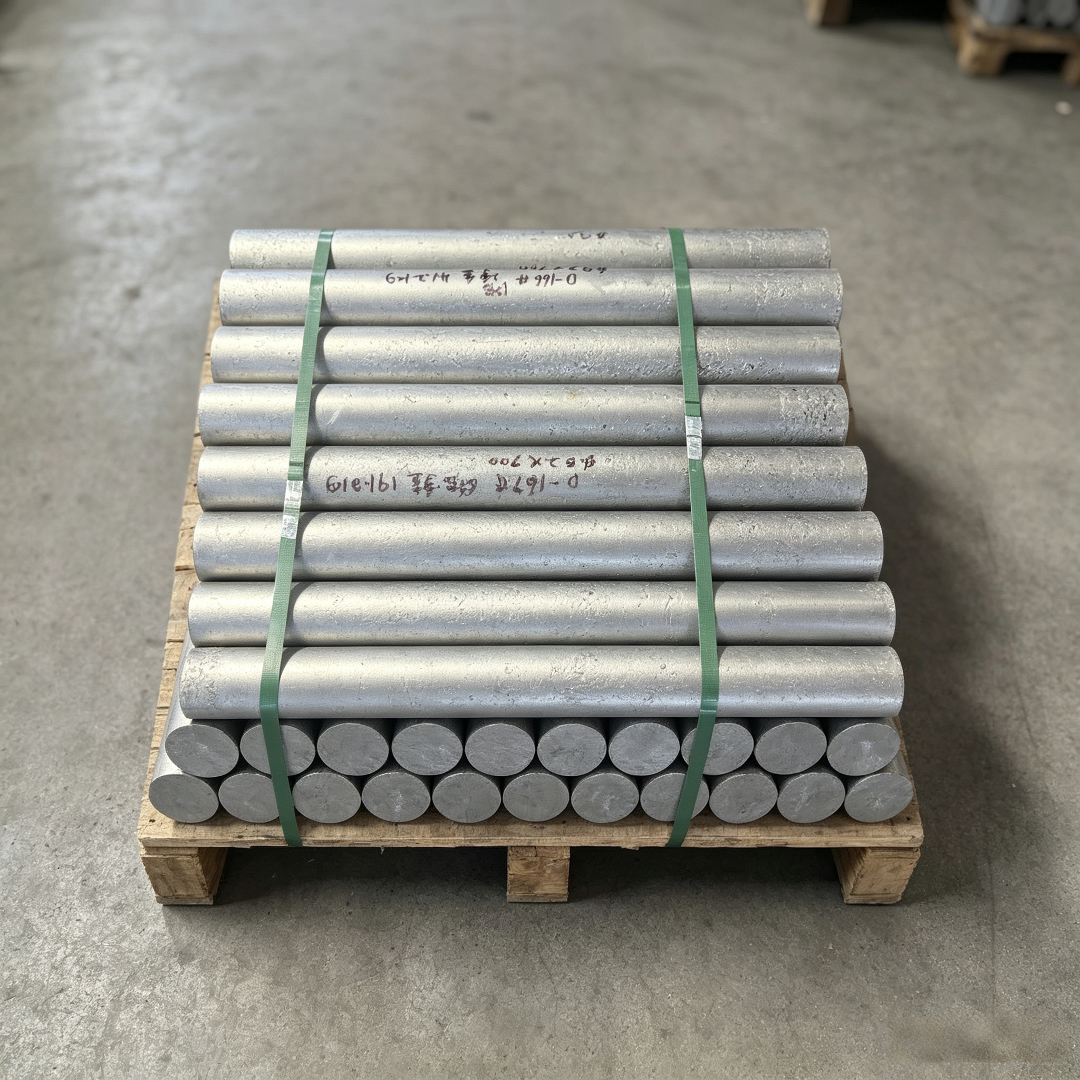
Reference for full text summary
The preparation technology of high-purity metals and special alloys serves as the cornerstone of high-end manufacturing. Qingchuan New Materials (Zhengzhou) Co., Ltd. has successfully addressed industry pain points such as purity control, composition uniformity, and process stability through core technologies including vacuum induction melting, directional solidification control, and intelligent inspection. Its products have been widely applied in fields such as semiconductors and aerospace, with cumulative deliveries of over 500 tons of high-purity materials and a yield rate of over 92% for special alloy products. In the future, Qingchuan will continue to optimize process parameters, expand its range of materials, and provide global customers with superior high-performance material solutions.For more information, please visit the official website.