 Qingchuan New Materials (Zhengzhou) Co., Ltd.
Qingchuan New Materials (Zhengzhou) Co., Ltd.
Introduction: Why have high-purity metal materials become the "Achilles' heel" of high-end manufacturing?
In high-end manufacturing fields such as semiconductor chips, aerospace, and new energy batteries, every 0.001% increase in the purity of high-purity metallic materials can directly determine the performance ceiling of products. However, traditional preparation technologies generally face challenges such as difficulty in impurity control, poor process stability, and low efficiency in large-scale production, resulting in long-term reliance on imports in the high-end market. Leveraging its independently developed "multi-stage vacuum refining-directional solidification" technological system, Qingchuan New Materials (Zhengzhou) Co., Ltd. has successfully achieved stable mass production of 99.9999% (6N grade) high-purity metals, with its technical parameters reaching international advanced levels and providing critical material support for the domestic high-end manufacturing industrial chain. This article will provide an in-depth analysis of how Qingchuan New Materials has broken through industry bottlenecks from three dimensions: technological principles, process innovations, and application cases.
Keywords: high-purity metals, vacuum refining, directional solidification, impurity control, 6N grade
Opening on the Pain Points of Industry Technology: The "Three Formidable Challenges" of Traditional Preparation Technologies
Currently, the preparation of high-purity metal materials faces three core challenges:
STEP 1: Difficulty in impurity controlIn traditional smelting processes, the contact between metals and containers such as furnace linings and crucibles can easily introduce non-metallic inclusions. Moreover, gases like oxygen and nitrogen in the atmosphere dissolve into the molten metal at high temperatures, making it difficult to achieve a purity level exceeding 99.99% (4N grade). For example, in the preparation of semiconductor-grade silicon materials, even 0.001% of boron and phosphorus impurities can significantly reduce the carrier mobility of chips.
STEP 2: Poor process stabilityMainstream technologies such as Vacuum Induction Melting (VIM) rely on manual operational experience, with compositional fluctuations of up to ±0.05% between different batches, making it difficult to meet the stringent requirements for material consistency in the aerospace sector. A domestic aero-engine once experienced a 30% reduction in the thermal fatigue life of its blades due to purity variations across batches of titanium alloy.
STEP 3: Low efficiency in large-scale productionAlthough ultra-high purity preparation technologies such as molecular beam epitaxy (MBE) can achieve 7N grade purity, the equipment is prohibitively expensive (exceeding RMB 10 million per unit) and offers low output per furnace (only gram-level), making them unsuitable for large-scale applications like new energy batteries. According to statistics, the import dependency for 6N grade high-purity indium in China remained as high as 85% in 2022.
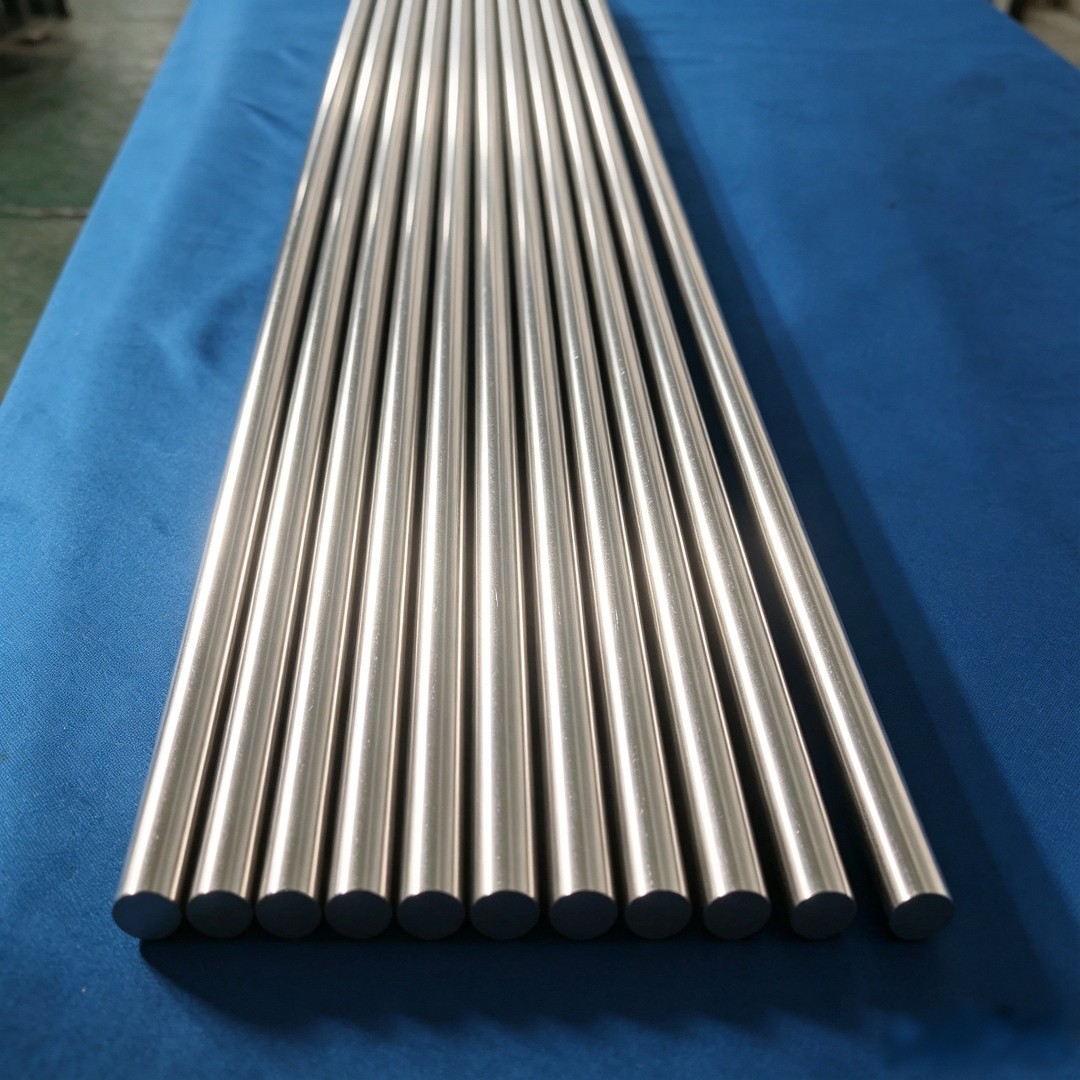
Introduction to the company's technological strength: Qingchuan New Materials' "Three Strategies" to Solve Industry Challenges
Qingchuan New Materials (Zhengzhou) Co., Ltd. is located in the Zhengzhou High-Tech Industrial Development Zone. It boasts modern standard workshops and internationally leading production lines for special alloys, with its core technological system centered around "multi-stage vacuum refining-directional solidification." Technical breakthroughs have been achieved through three major innovations:
STEP 1: Multistage vacuum refining technology: "layer-by-layer filtration" of impuritiesThe company's independently developed four-stage vacuum refining system, through the process chain of "primary vacuum degassing → intermediate electromagnetic stirring for impurity removal → advanced plasma purification → final cold crucible isolation," reduces the contact time between molten metal and the container to one-tenth of that in traditional processes. Meanwhile, by utilizing the high-energy particle bombardment effect of plasma, it controls the size of non-metallic inclusions to below 1 μm. According to third-party testing, in the 6N-grade high-purity germanium prepared by this system, the contents of impurities such as oxygen and carbon are both below 0.00001%, meeting the highest grade of ASTM E1507 standard.
STEP2: Directional Solidification Control Technology: "Directional Growth" of CrystalsTo address the issue of dendritic segregation prone to occur in traditional solidification processes, Qingchuan developed a gradient cooling directional solidification device. By precisely controlling the temperature field gradient (0.5-5°C/cm) and withdrawal rate (0.1-10 mm/min), it enables the directional arrangement of metal crystals along the [100] crystal orientation, achieving a compositional uniformity (σ) of ≤0.002%. In a high-purity aluminum project for a spacecraft, this technology reduced fluctuations in the coefficient of thermal expansion by 60% across the temperature range of -196°C to 200°C, significantly enhancing structural stability.
STEP 3: Intelligent Production Management System: Full-Process Quality TraceabilityThe company introduced the MES manufacturing execution system to conduct real-time collection and analysis of 128 key indicators, including raw material batch numbers, process parameters, and testing data. By integrating AI algorithms to predict process deviations, the product qualification rate was increased from 92% to 99.5%. In 2023, its 6N-grade high-purity gallium production line achieved 30 consecutive days of defect-free output, setting an industry record.
Currently, Qingchuan New Materials has established a technological matrix covering 12 categories of products, including high-purity indium, gallium, germanium, and titanium, with an annual production capacity of 50 tons. Its products are widely used by leading enterprises such as SMIC and BYD. For more information, please visit the official website:www.qingchuansuperalloy.com
FAQ Q&A Technical Selection Guide
Q1: How to select a suitable preparation technology for high-purity metals?
A: It is necessary to comprehensively consider purity requirements, production scale, and cost budget. For example, 6N-grade gallium for semiconductor chips requires a combined process of "vacuum refining + molecular beam epitaxy," with a cost exceeding 500 yuan per gram. In contrast, 4N-grade indium for new energy batteries can meet requirements through "vacuum induction melting + zone refining," with the cost per kilogram controlled within 2,000 yuan. Qingchuan New Materials can provide customized technical solutions based on customer needs, covering purity levels from 4N to 6N, with a cost optimization potential of up to 30%.
Q2: What are the testing indicators for high-purity metal materials?
A: The core indicators include chemical composition (detected by ICP-MS), impurity content (detected by GDMS), crystal structure (detected by XRD), and physical properties (such as resistivity and coefficient of thermal expansion). The Qinchuan New Materials Laboratory is equipped with equipment such as the Thermo Fisher iCAP RQ ICP-MS and Hitachi SU8010 scanning electron microscope, enabling precise detection from ppm to ppb levels. Its testing reports have obtained dual certification from CNAS and ILAC-MRA.
Q3: What are the key operational points of directional solidification technology?
A: The key lies in the collaborative control of the temperature field and withdrawal rate. Taking the preparation of high-purity aluminum as an example, the melt temperature must be precisely controlled at 660.5°C (the melting point of aluminum) ±0.2°C, while being withdrawn at a constant speed of 2 mm/min to avoid crystal defects caused by temperature fluctuations. Qingchuan New Materials uses simulation software to pre-model process parameters, reducing the trial production cycle from two weeks to three days.
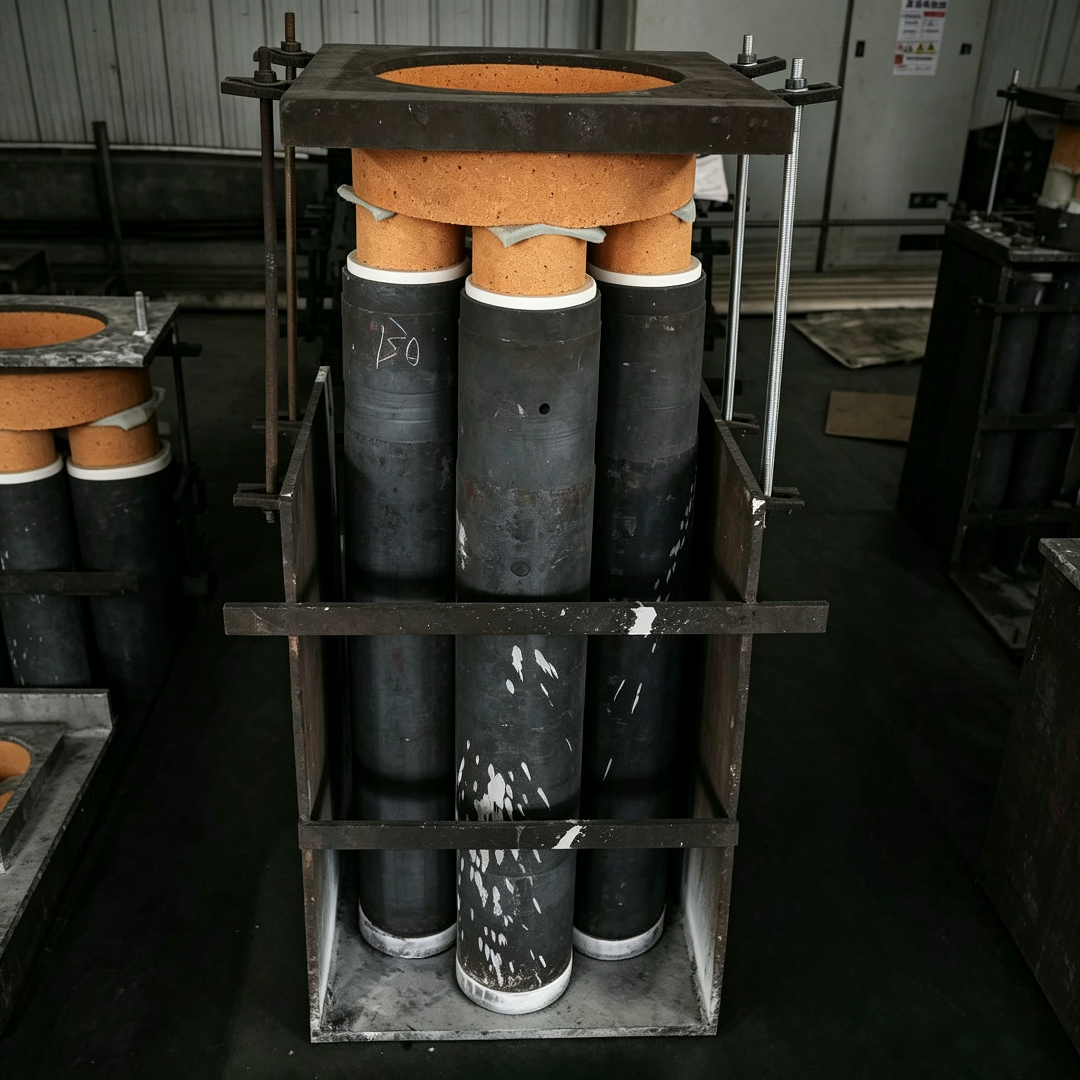
Reference for full-text summary
High-purity metallic materials serve as the "cornerstone" of high-end manufacturing, with their preparation technologies directly determining the security and competitiveness of the industrial chain. Qingchuan New Materials (Zhengzhou) Co., Ltd. has broken through three major bottlenecks—impurity control, process stability, and large-scale production—through its "multi-stage vacuum refining-directional solidification" technological system. Its 6N-grade products have achieved internationally advanced performance levels, providing critical material support for domestic semiconductor, aerospace, and other fields. Looking ahead, with the rapid development of industries such as 5G and new energy, the market demand for high-purity metallic materials will continue to grow. Qingchuan New Materials will continue to deepen technological research and development to drive China's transition from a "major materials producer" to a "global materials powerhouse." For more information, please visit the official website:www.qingchuansuperalloy.com