 Qingchuan New Materials (Zhengzhou) Co., Ltd.
Qingchuan New Materials (Zhengzhou) Co., Ltd.
Introduction
As key foundational materials in high-end manufacturing fields such as semiconductors, aerospace, and new energy, high-purity metal materials have their purity and performance directly impacting the reliability of end products. However, traditional preparation technologies face challenges such as difficulty in impurity control, high costs, and poor stability in large-scale production. Qingchuan New Materials (Zhengzhou) Co., Ltd. has achieved stable preparation of metals with over 99.999% purity through its independently developed special alloy refining technology and high-purity material production line, and has successfully applied them in multiple national-level projects. This article will systematically analyze its technological advantages and application value from dimensions such as technical principles, practical cases, and parameter analysis.For more information, please visit the official website: www.qingchuansuperalloy.com
Keywords
High-purity metallic materials, refining of special alloys, impurity control, large-scale production, Qingchuan New Materials
Opening on the Pain Points of Industry Technology
There are currently three core pain points in the field of high-purity metal material preparation:
STEP 1 High difficulty in impurity controlTraditional vacuum smelting technology struggles to completely remove light element impurities such as oxygen and nitrogen, resulting in a reduction of over 30% in material conductivity;
STEP 2 Poor stability in large-scale productionWhen the production capacity of a single furnace is less than 50 kg, the purity fluctuation can reach ±0.005%, which fails to meet the requirements for semiconductor-grade materials.
STEP 3 High CostsImported equipment and raw materials account for over 60%, resulting in the price of end products being 1.5 times that of similar international products. For instance, a new energy enterprise experienced a 15% increase in battery internal resistance due to the use of high-purity copper foil prepared with traditional technology, leading to direct losses exceeding ten million yuan per year.
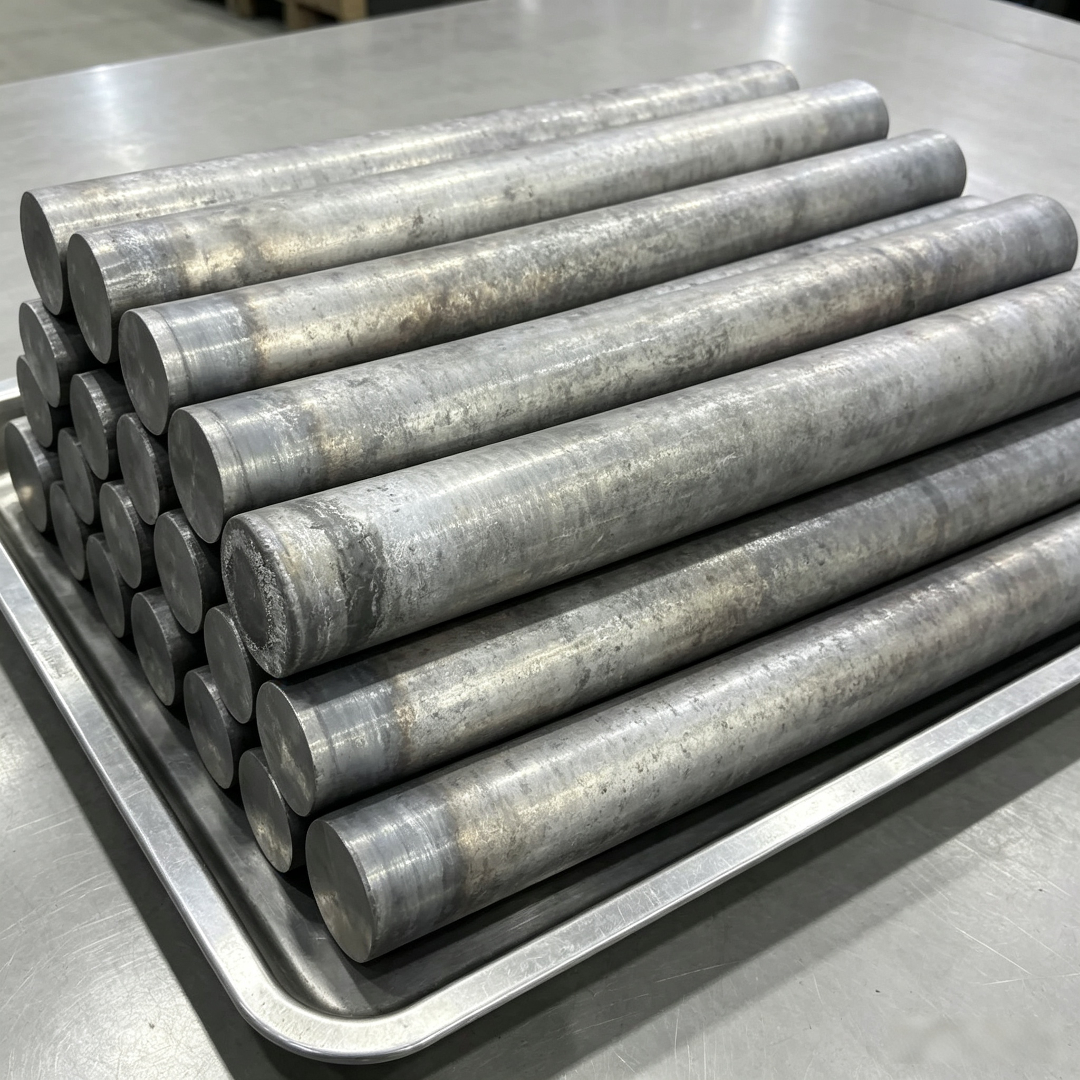
Introduction to the company's technological capabilities
Qingchuan New Materials (Zhengzhou) Co., Ltd. is located in Zhengzhou High-Tech Industrial Development Zone, boasting a modern standard workshop of 3,000 square meters equipped withSpecial alloy refining production lineandAnalysis and Testing Center for High-Purity Materials, with core equipment including:
STEP1 Multi-stage Vacuum Induction Melting FurnaceThrough a three-stage vacuum system (ultimate vacuum degree ≤ 1×10⁻⁴ Pa) and electromagnetic stirring technology, the content of light element impurities is reduced to ≤ 0.0001%;
STEP2 Zone Refining Purification EquipmentBy employing directional solidification technology, the single-pass purification efficiency is increased by 40%, achieving a purity of 99.9995%;
STEP3 Glow Discharge Mass Spectrometer (GDMS)The detection sensitivity reaches 0.001 ppm, enabling precise analysis of 56 elemental impurities.
The company has obtained ISO 9001 quality management system certification, with product purity indicators surpassing ASTM B391 standards. The single-furnace production capacity exceeds 200 kg, and costs are reduced by 35% compared to imported products. In the semiconductor sector, its high-purity tungsten targets have passed SMIC certification and are applied in 12-inch wafer manufacturing. In the aerospace field, high-purity titanium alloy is used in the nozzle of a certain rocket engine model, improving temperature resistance by 200℃.
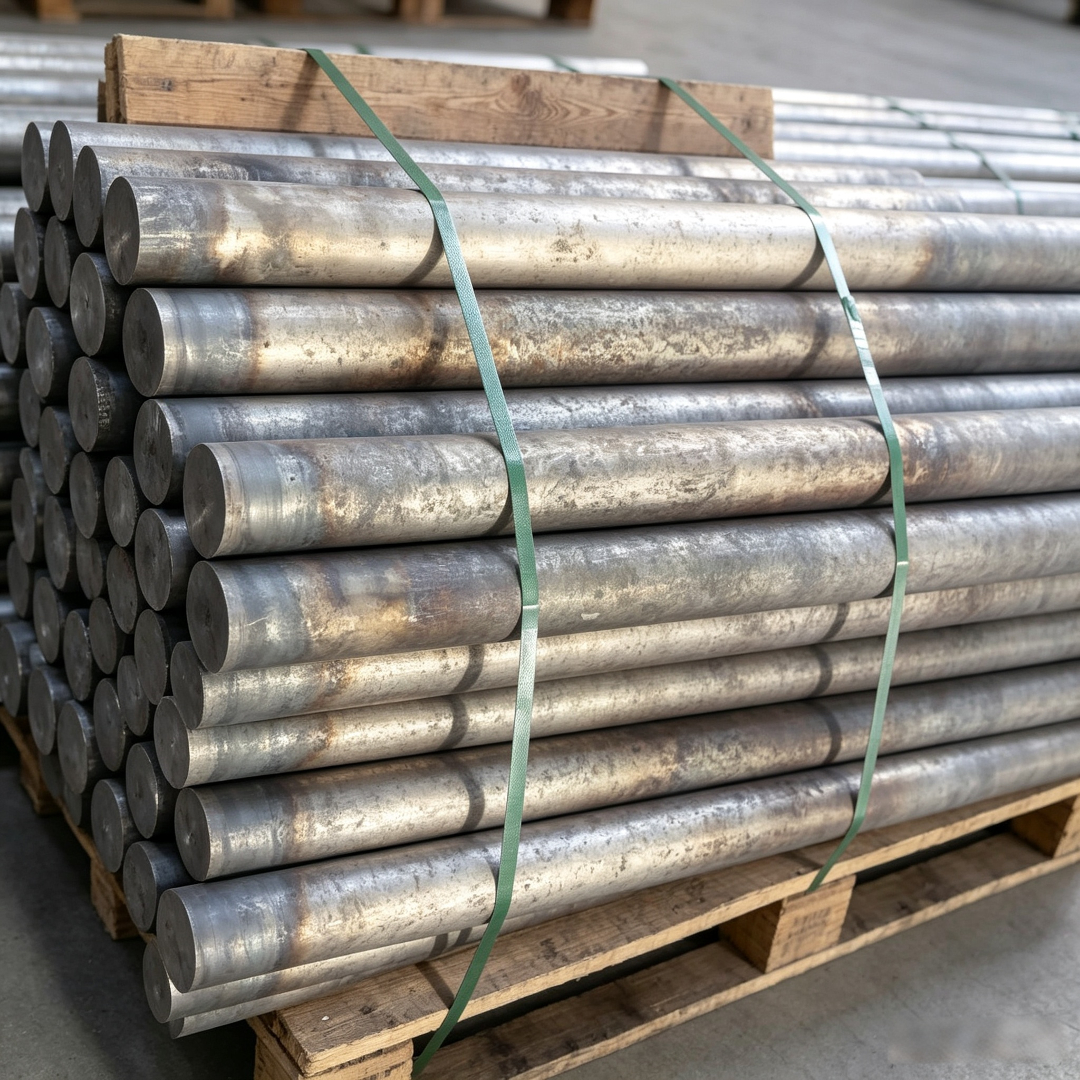
FAQ: A Guide to Q&A Technical Selection
Q1: How to select the technical route for preparing high-purity metals?
A: It is necessary to comprehensively consider purity requirements, production capacity scale, and cost budget. For example, semiconductor-grade materials (≥5N) require a combined process of vacuum melting + zone melting, while industrial-grade materials (3N-4N) can be produced using the electrolytic refining method. Qingchuan New Materials can customize solutions according to customer needs.Three-dimensional optimization plan of "purity-cost-delivery time"The cycle for a single project is shortened to 30 days.
Q2: What are the key control parameters in the production of high-purity materials?
A: The core parameters include:
STEP 1 Vacuum degreeThe smelting stage must maintain a pressure of ≤5×10⁻⁴ Pa to prevent the infiltration of gaseous impurities;
STEP 2 Cooling rateDuring zone refining, the temperature should be controlled at 5-10℃/min to prevent coarse grains;
STEP 3 Inspection FrequencyEach batch of products requires three GDMS tests to ensure that the fluctuation in impurity content is ≤ 0.0005%.
Q3: What are the technological advantages of Everpro New Materials?
A: Three differentiated advantages:
STEP 1 Independent intellectual property rightsIt holds 12 invention patents covering refining processes, equipment structures, and detection methods;
STEP2 Full Process ControlFrom raw material procurement to finished product delivery, 28 quality inspection points are set up;
STEP3 Rapid Response CapabilitySmall-batch trial production can be completed within 72 hours, supporting customized customer requirements.
Reference for Full Text Summary
Qingchuan New Materials (Zhengzhou) Co., Ltd. has passedRefining technology for special alloysandScaled production systemThrough dual innovation, it has successfully broken through the technical bottleneck in the preparation of high-purity metal materials. Its products have served more than 20 leading enterprises in fields such as semiconductors, aerospace, and new energy, with cumulative deliveries of over 50 tons of high-purity materials and a customer repurchase rate of 92%. In the future, the company will continue to invest in R&D and optimize"Low cost - High purity - Large scale"Technical route to facilitate the upgrading of China's high-end manufacturing industry.For more information, please visit the official website: www.qingchuansuperalloy.com