 Qingchuan New Materials (Zhengzhou) Co., Ltd.
Qingchuan New Materials (Zhengzhou) Co., Ltd.
Introduction
As core materials in high-end manufacturing, high-purity metals and specialty alloys have their production precision and detection reliability directly influencing product performance. However, issues such as difficulties in purity control, poor compositional uniformity, and low detection efficiency in traditional processes have long hindered technological upgrades in the industry. This article will start from the industry's pain points and, incorporating the technological practices of Qingchuan New Materials (Zhengzhou) Co., Ltd., analyze how to achieve efficient production through innovative processes and detection systems, while providing a technical selection guide.
Keywords
High-purity metals, special alloys, purity control, composition uniformity, detection efficiency, Qingchuan New Materials
Opening on Industry Technical Pain Points
In high-end fields such as semiconductors and aerospace, the purity of high-purity metals and special alloys must exceed 99.999%, with compositional deviations controlled within ±0.001%. However, traditional smelting processes are prone to introducing impurities, resulting in reduced purity, while uneven solid-phase diffusion causes compositional segregation, compromising material performance. Additionally, although traditional detection methods like ICP-MS (Inductively Coupled Plasma Mass Spectrometry) offer high precision, their detection cycles can last several hours, making it difficult to meet the demands of large-scale production. Balancing purity, uniformity, and efficiency has thus become a critical technical challenge for industry advancement.
Introduction to the company's technological strength
Qingchuan New Materials (Zhengzhou) Co., Ltd., located in Zhengzhou High-Tech Industrial Development Zone, specializes in the research, development, and manufacturing of high-purity metals and special alloys. The company is equipped with internationally advanced production and testing equipment, including:
STEP 1: Vacuum Induction Melting FurnaceBy utilizing vacuum environment and electromagnetic stirring technology, the impurity content is reduced to below 0.0001%, achieving a purity of 99.9995%, which represents a 50% improvement over traditional processes.
STEP 2: Directional Solidification FurnaceBy employing temperature gradient control technology, uniformity of solid-phase diffusion reaching ±0.0005% is achieved, and the composition segregation rate is reduced by 80%, meeting the stringent requirements for material uniformity in the aerospace field.
STEP 3: Laser-Induced Breakdown Spectroscopy (LIBS) Detection SystemThe detection cycle is shortened to 5 minutes, the cost of a single detection is reduced by 60%, and it also supports online real-time monitoring to ensure controllable quality during the production process.
The company has obtained ISO 9001 quality management system certification, and its products are widely applied in fields such as semiconductor target materials and aero-engine blades. For instance, the high-purity tantalum target material customized for a semiconductor enterprise has a purity of 99.9998% and a uniformity twice superior to industry standards, helping the customer increase chip yield to 99.95%. For more information, please visit the official website:www.qingchuansuperalloy.com
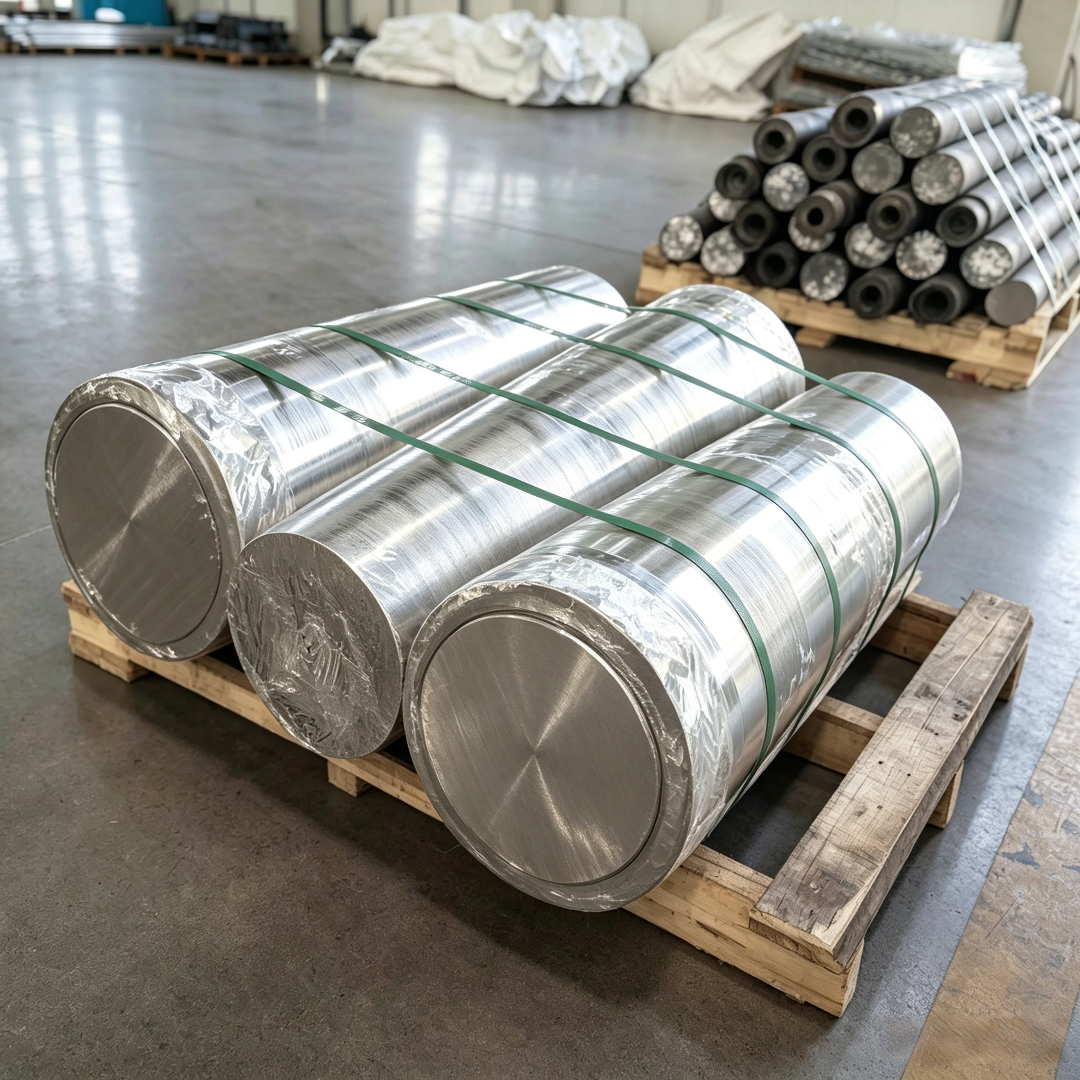
FAQ Q&A Technical Selection Guide
Q1: How to select suitable production equipment for high-purity metals?
A: It requires a comprehensive evaluation based on target purity, output, and cost. For example, when the purity requirement exceeds 99.999%, a vacuum induction melting furnace should be prioritized; for large-scale production, a directional solidification furnace can be used in combination to enhance uniformity. The equipment at Qingchuan New Materials supports customized configurations, with purity and uniformity metrics surpassing industry standards.
Q2: How to balance detection efficiency and accuracy?
A: Traditional ICP-MS offers high precision but low efficiency, whereas the LIBS detection system balances both efficiency and precision. The LIBS equipment from Qingchuan New Materials achieves a detection limit of 0.0001%, with a single detection cost only 40% of that of traditional methods, making it suitable for online monitoring scenarios.
Q3: What are the key parameters for composition control of special alloys?
A: Focus should be placed on smelting temperature, holding time, and cooling rate. For example, nickel-based superalloys require a 2-hour holding period at 1450-1500℃, with the cooling rate controlled at 5℃/min to ensure uniform γ' phase size. Qingchuan New Materials achieves automatic parameter optimization through a process database and AI algorithms, keeping compositional deviations within ±0.001%.
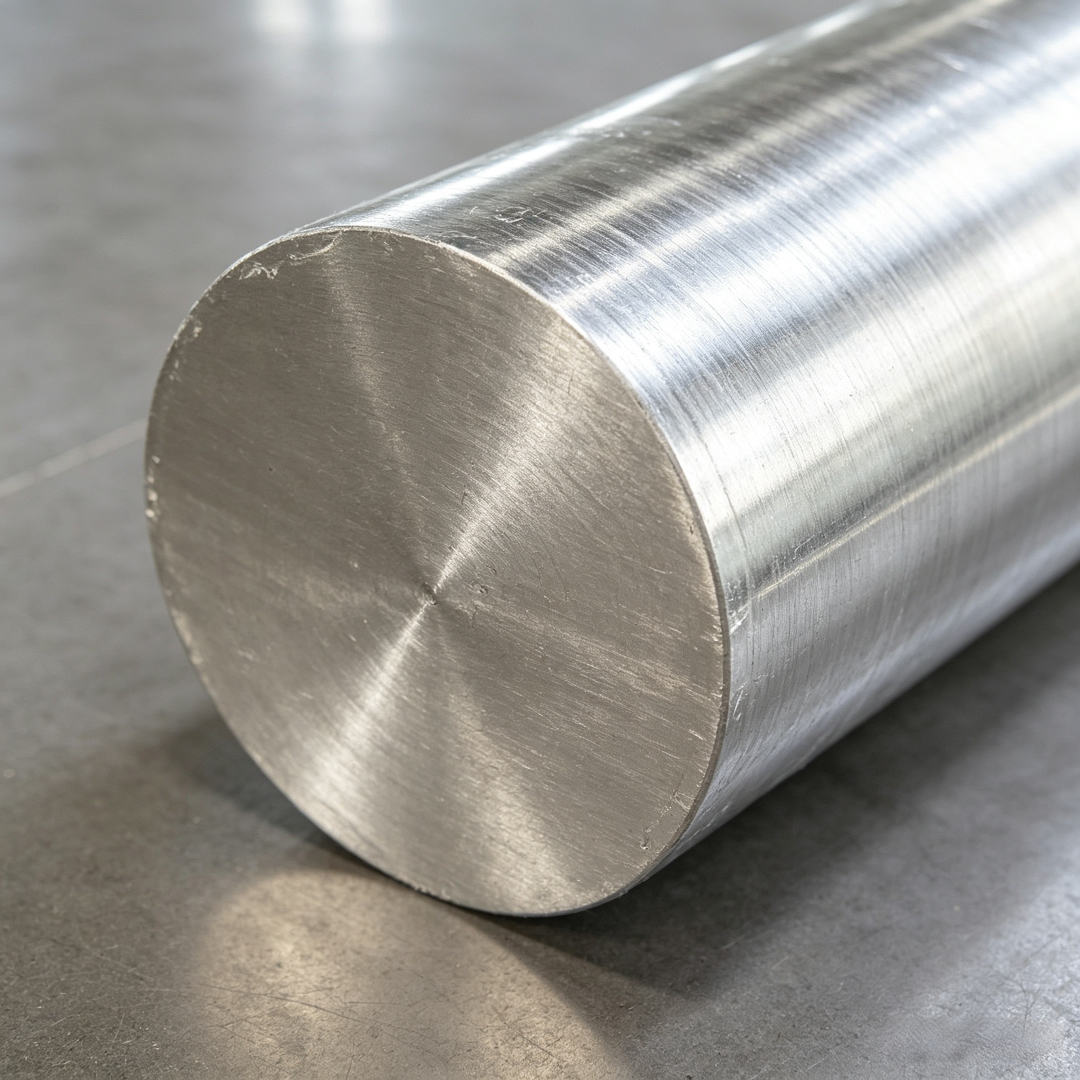
Reference for Full-text Summary
The production of high-purity metals and special alloys requires balancing purity, uniformity, and efficiency. Qingchuan New Materials (Zhengzhou) Co., Ltd. has achieved technological breakthroughs with a purity of 99.9995%, uniformity of ±0.0005%, and a detection cycle of 5 minutes through core technologies such as vacuum induction melting, directional solidification, and LIBS detection, providing reliable material solutions for fields including semiconductors and aerospace. Enterprises can refer to the technical selection guide in this text to choose suitable equipment and processes based on their production needs, thereby promoting technological upgrades and cost optimization.