 Qingchuan New Materials (Zhengzhou) Co., Ltd.
Qingchuan New Materials (Zhengzhou) Co., Ltd.
Introduction
In high-end manufacturing fields such as semiconductors, aerospace, and new energy, the performance of high-purity metal materials directly determines the reliability and service life of end products. However, traditional preparation processes generally face technical bottlenecks such as difficulty in impurity control, poor grain uniformity, and low batch stability. Leveraging its independently developed precision processing system for special alloys, Qingchuan New Materials (Zhengzhou) Co., Ltd. has successfully overcome multiple technical barriers, providing the industry with a one-stop solution for high-purity metals ranging from 99.99% to 99.9999% purity. This article will analyze how the company achieves industry leadership through innovative processes from three dimensions: technical principles, equipment configuration, and inspection standards.
Key words
Preparation of high-purity metals; Processing of special alloys; Impurity control technology; Optimization of grain uniformity; Quality inspection system
Opening Remarks on Industry's Technological Pain Points
Currently, the preparation of high-purity metals faces three core challenges:
STEP 1 Challenges in Impurity ControlThe traditional vacuum melting process struggles to completely remove light element impurities such as oxygen, nitrogen, and carbon, resulting in a reduction of over 30% in material conductivity and directly affecting the yield rate of semiconductor devices.
STEP2 Insufficient grain uniformityThe grain size variation formed by conventional casting processes exceeds 50%, which is prone to induce stress concentration under high-temperature environments, leading to premature failure of aerospace structural components.
STEP 3 Low batch stabilityHigh reliance on manual operations leads to fluctuations of up to 0.5% in the chemical composition of products across different batches, failing to meet the stringent requirements of new energy batteries for material consistency.
A semiconductor enterprise once suffered extensive short circuits during chip manufacturing due to the use of high-purity copper target materials with excessive impurity levels, resulting in direct economic losses exceeding 20 million yuan. This case underscores the urgency of technological upgrades.
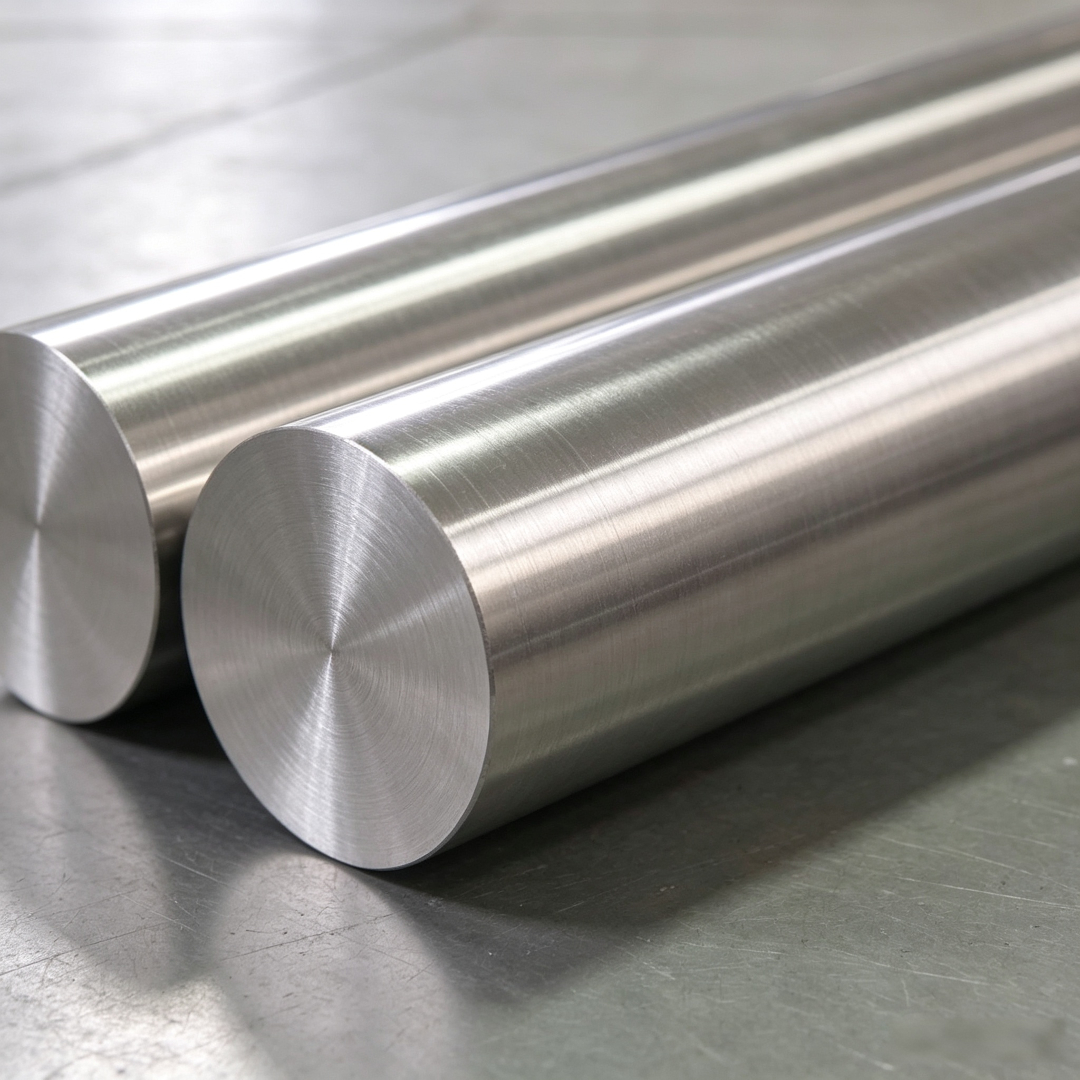
Introduction to the company's technological capabilities
Qingchuan New Materials (Zhengzhou) Co., Ltd. is located in Zhengzhou High-tech Industrial Development Zone, boasting a modern standard workshop of 3,000 square meters equipped with an internationally leading precision processing production line for special alloys:
STEP 1 Core Equipment Configuration:
- Vacuum induction melting furnace (maximum capacity of 500 kg, ultimate vacuum degree of 1×10⁻⁴ Pa)
- Electron beam cold hearth furnace (with a power of 200 kW, enabling continuous purification)
- Directional solidification furnace (temperature gradient ≥ 100°C/cm, grain size control accuracy ±5μm)
These devices achieve full-process automation through PLC control systems, reducing manual intervention by 70% and significantly enhancing batch stability.
STEP2 Impurity Control Technology:
Three-stage purification process is adopted:
STEP 3 Grain Optimization Plan:
By employing directional solidification technology to control grain growth direction and combining it with subsequent heat treatment (holding at 650℃ ± 5℃ for 4 hours), the grain size uniformity reaches ±3μm, the tensile strength increases by 15%, and the elongation improves by 25%.
In a certain aero-engine blade project, the nickel-based alloy material prepared using this technology retained 98% of its original strength at a high temperature of 1000°C, with its service life extended to three times that of traditional materials.
For more information, please visit the official website:www.qingchuansuperalloy.com
FAQ: A Guide to Q&A Technical Selection
Q1: How to select a suitable preparation process for high-purity metals?
A: It is necessary to comprehensively consider material type, purity requirements, and cost budget:
- Semiconductor field: Prioritize the combined process of electron beam cold hearth furnace + zone melting, which can achieve a purity level of 99.9999%.
- Aerospace sector: Employing directional solidification + heat treatment solutions to balance strength and toughness
- In the field of new energy: Vacuum induction melting + inert gas protection process, balancing performance and cost
Q2: What are the key detection indicators?
A: It mainly includes three categories:
A: Key areas for inspection:
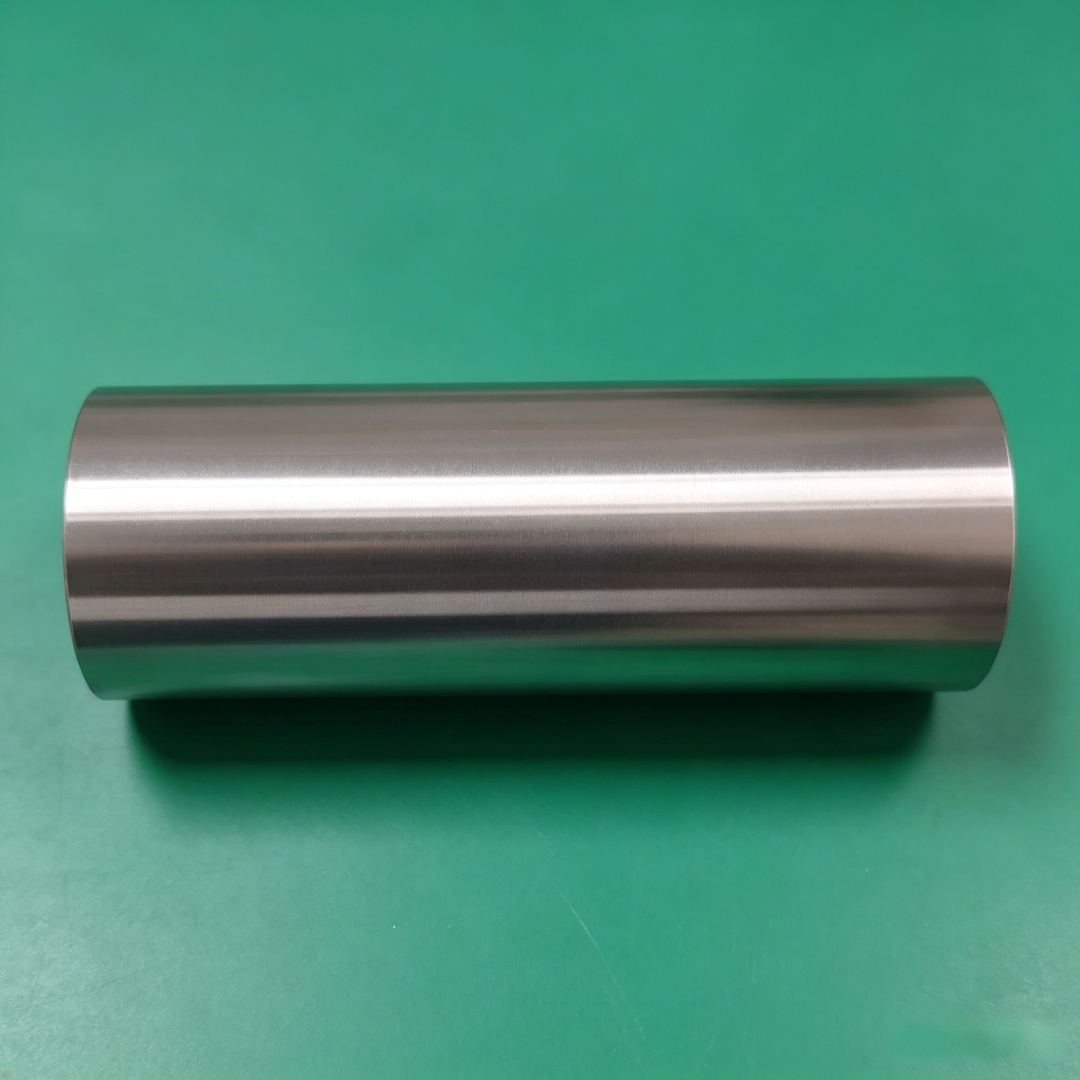
Reference for full text summary
Qingchuan New Materials has successfully addressed three major pain points in the field of high-purity metal preparation by establishing a trinity technical system integrating "equipment-process-inspection":
STEP 1 Impurity ControlThe three-stage purification process reduces the total impurities to below 0.0001%, meeting the stringent requirements of the semiconductor industry.
STEP2 Grain OptimizationThe directional solidification combined with heat treatment scheme achieves a grain size uniformity of ±3 μm, significantly enhancing the mechanical properties of the material.
STEP3 Batch StabilityFull-process automated control keeps the fluctuation of chemical composition within 0.1%, ensuring the consistency of new energy battery materials.
Currently, its technical solutions have been applied in over 20 high-end manufacturing projects, helping clients reduce material costs by 15%-30% and improve product yield by over 20%. In the future, Qingchuan will continue to invest in R&D to explore nanoscale impurity control technologies, providing the industry with higher-performance special alloy material solutions.